Finding a Trainer Comfortable With a Great Dane
Bringing a Great Dane into your life is an incredible joy, but let's be honest, it also comes with its own unique set of challenges, especially when it comes to training. It's a common frustration for Great Dane owners to feel misunderstood by general dog trainers who simply aren't equipped for a dog of this magnificent size and sensitive temperament. This guide will walk you through exactly what to look for and how to find a trainer who truly understands and can effectively work with your gentle giant.
Why Your Great Dane Needs a Specific Type of Trainer
When you're dealing with a dog that can easily outweigh an adult human, the stakes in training are just different. It’s not about finding any trainer; it’s about finding the right trainer who appreciates the nuances of the breed.
The Sheer Size and Strength of a Great Dane
Let's face it, your average chihuahua trainer, as skilled as they might be with tiny breeds, is simply not prepared for the physical reality of a Great Dane. Imagine a young, enthusiastic Great Dane puppy, all gangly legs and boundless energy, hitting the leash at 100 pounds. Without proper technique and physical capability, that can quickly become an unmanageable situation. A trainer needs to be able to physically handle a dog that could easily pull them off their feet, not through malice, but through sheer excitement or inattention.
This isn't just about strength, though that certainly helps. It's about understanding leverage, body language, and how to effectively communicate with such a large animal without resorting to force. A trainer who has primarily worked with smaller dogs might inadvertently use methods that are ineffective or even counterproductive for a Dane, simply because the scale of the interaction is so different. They might not realize how easily a quick jerk on a leash can cause physical discomfort or how intimidating their size can be to other dogs or people if not managed carefully. A Great Dane That Pulls You Off Your Feet
Understanding Great Dane Growth and Development
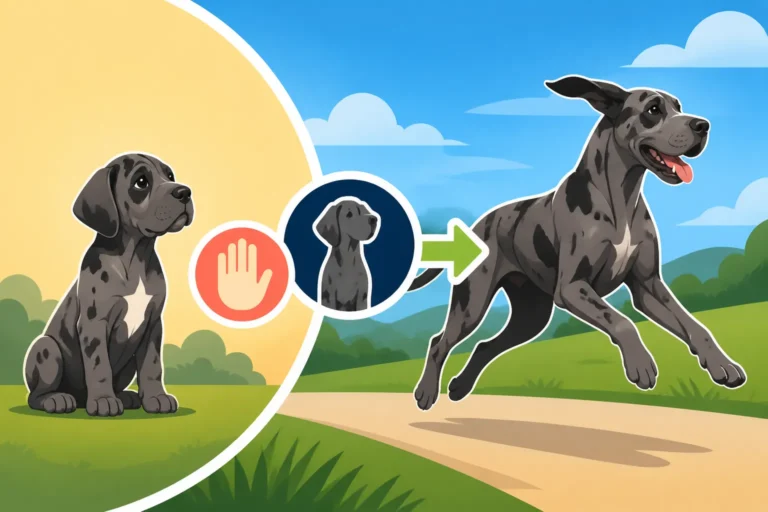
Great Danes grow at an astonishing rate, going from a tiny pup to a massive adult in a relatively short timeframe. This rapid growth means their bodies are incredibly delicate during their formative months, especially their joints and bones. A trainer who pushes a Great Dane puppy too hard, too fast, or encourages exercises not suitable for their developing frame, can inadvertently cause lifelong orthopedic issues. It's not uncommon for well-meaning owners, or even trainers, to encourage excessive running or jumping, unaware of the potential damage.
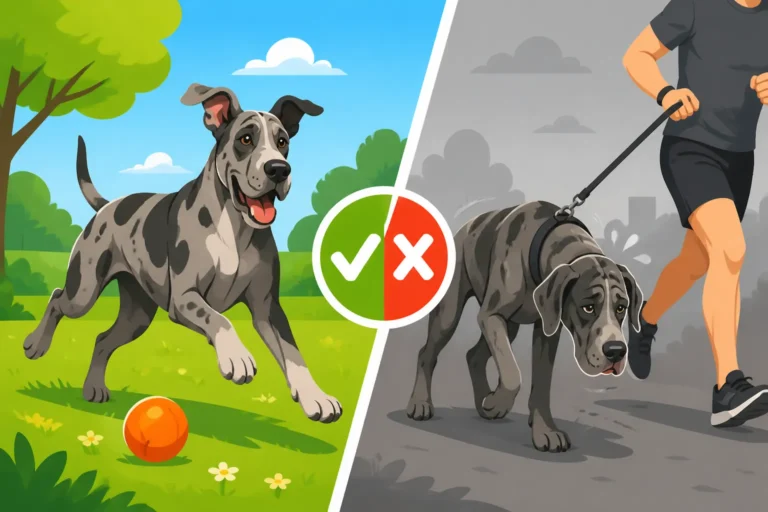
A specialized trainer will understand that a Great Dane puppy needs slow, controlled exercise and careful management of their physical activity. They'll know to avoid high-impact activities and discourage jumping until the dog is much older and fully developed. This awareness is crucial for preventing conditions that can stem from improper development. Why a Great Dane Puppy Should Not Jog and Why Fast Growth Wrecks Great Dane Joints are real concerns that a trainer for a Great Dane should be well-versed in. They should be able to guide you on appropriate exercise levels and types of play throughout their puppyhood and adolescence.
The "Gentle Giant" Stereotype vs. Reality
Great Danes are famously known as "gentle giants," and for good reason—they often possess a wonderfully calm and affectionate disposition. However, this stereotype can sometimes lead to a dangerous misconception that they don't need extensive training, or that their size inherently means they're always docile. The reality is that even the most well-meaning Great Dane can accidentally knock over a small child or clear a coffee table with a wagging tail if not properly taught how to navigate their environment.
Furthermore, while many Danes are indeed gentle, like any breed, they can exhibit fear, anxiety, or reactivity. When a dog the size of a Great Dane feels anxious or becomes reactive, it's a completely different situation than a small dog with similar issues. A nervous Great Dane, even if not intending harm, can cause significant damage or injury simply due to its bulk. A specialized trainer understands how to address these behaviors with sensitivity appropriate for a large, often soft-natured breed, without making them more fearful. A Great Dane That Is Anxious Rather Than Gentle requires a nuanced approach, not a heavy hand. They'll help you teach your Dane confidence and appropriate responses, rather than attempting to "dominate" or intimidate them, which would only exacerbate anxiety in such a sensitive dog.
Essential Qualities to Seek in a Great Dane Trainer
Finding the right person to guide your Great Dane's training journey isn't just about their resume; it's about their understanding, methodology, and practical skills.
Experience with Giant Breeds
This is non-negotiable. Don't just ask if they've trained dogs; ask specifically about their experience with giant breeds. Great Danes, Mastiffs, Irish Wolfhounds, Newfoundlands – these dogs share common physical and often temperamental traits that distinguish them from medium or small breeds. A trainer who has a solid background with these large working breeds will understand the unique challenges and requirements. They'll know that a puppy class focusing solely on tiny breeds might not be the best fit, or that certain equipment works better for a powerful Dane than a standard collar.
Ask about specific cases. Have they dealt with a Great Dane that counter-surfs a kitchen island? Have they worked on leash manners with a 150-pound adolescent? Their experience should demonstrate not just familiarity, but competence. They should be able to speak to the differences in training a large breed puppy versus a smaller one, particularly regarding growth and appropriate exercise. The way you tell Telling a Great Dane From a Mastiff might not be immediately obvious to everyone, but a good giant breed trainer will know the subtle differences in behavior and needs. Similarly, they should be aware of the unique physical challenges, whether it's managing a dog that's taller than most adults or understanding the delicate joint structure of a rapidly growing pup. You want someone who knows their way around a dog that could easily be as tall as Which Is Taller, a Great Dane or a Wolfhound and understands the implications.
Training Methods and Philosophy
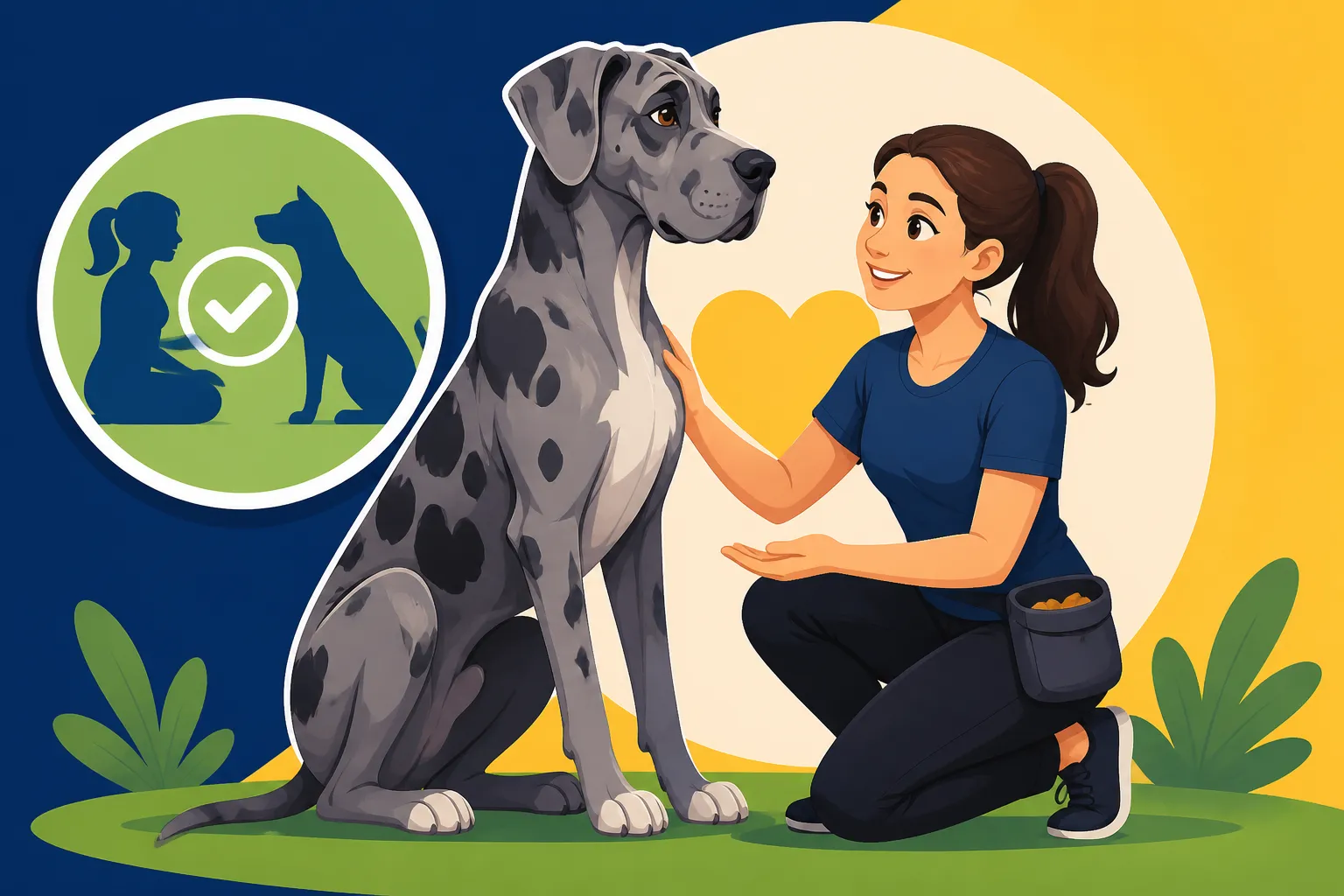
The training philosophy is paramount, especially for a breed as physically imposing yet often emotionally sensitive as the Great Dane. Force-free, positive reinforcement methods are almost always the best approach. These methods focus on rewarding desired behaviors, building a strong bond between dog and owner, and setting the dog up for success, rather than punishing mistakes. Given their size, any punitive or aversive methods can not only be harmful but also dangerous. A quick yank on a choke chain or prong collar on a Dane can cause neck injuries, and harsh verbal corrections can shut down a sensitive dog, leading to fear or aggression rather than compliance.
A trainer who relies on outdated "dominance" theories or physical corrections is simply not suitable. Great Danes respond incredibly well to kindness, consistency, and clear communication. Look for trainers who use treats, toys, praise, and gentle guidance. They should be able to articulate why they choose certain methods and how those methods align with canine learning theory. Using harsh tactics can be especially detrimental to a Great Dane; Why Physical Corrections Fail on a Great Dane is an important concept for any trainer, but particularly for this breed. These methods can often lead to a Dane that is hesitant, fearful, or even aggressive, rather than a confident and well-behaved companion. You want a trainer who understands that A Great Dane That Shuts Down When Scolded will not learn effectively and will likely develop trust issues.
Assessing a Trainer's Physical Capabilities and Facility
When training a Great Dane, the physical environment and the trainer's own physical presence matter. Can the trainer comfortably handle your dog on a leash? Do they move with confidence around large dogs? If a trainer seems intimidated by your Dane's size, that's a red flag. Beyond the individual, consider the facility itself. Is there ample space for a Great Dane to learn and move comfortably, especially in a group class setting? A cramped room is not ideal for a dog that needs space to unfold.
Look for a facility that uses appropriate equipment for large breeds. This might include sturdy, tall gates, heavy-duty leashes, and large, secure crates if crating is part of the training. If you plan to use training tools like a front-clip harness or a head halter for leash control, ensure the trainer is familiar with them and can guide you on proper fitting and use for a giant dog. Always observe a class or a session if possible to see how the trainer interacts with other large dogs and how they manage the physical dynamics of the group.
Interviewing Potential Trainers for Your Gentle Giant
You wouldn't hire an employee without an interview, and the same goes for a professional who will be guiding your Great Dane's development. Don't be shy about asking direct, probing questions.
Digging Into Their Great Dane Portfolio
When you talk to a prospective trainer, go beyond a simple "Do you have Great Dane experience?" Ask them to describe specific scenarios:
- "Can you share an example of a challenging Great Dane you've worked with, and how you approached their training?"
- "What are some common behavioral issues you see in Great Danes, and what's your typical strategy for addressing them?"
- "How do you modify your training techniques when working with a Great Dane puppy versus an adult Dane, especially considering their growth plates?"
- "What kind of equipment do you recommend for leash training a Great Dane, and why?"
- "How do you ensure safety for both the dog and the handler when working with a powerful dog like a Great Dane?"
Listen for detailed, thoughtful answers that demonstrate genuine understanding, not just generic dog training advice. They should be able to articulate the specific differences of training a giant breed. For instance, their approach to a puppy's exercise should show awareness of Growth Disorders in a Great Dane Puppy and how to prevent them through controlled activity. If they talk about how they’ve helped clients overcome A Great Dane That Jumps on Visitors or managed a dog that’s a "leaner" on guests, those are excellent signs.
Understanding Their Approach to Common Great Dane Issues
Great Danes have some characteristic behaviors that can be endearing but also problematic if not managed. A good trainer will have specific, positive strategies for these:
- Jumping Up: This is a huge one. A Great Dane jumping up, even playfully, can easily knock someone over. Ask them how they teach a Great Dane to greet politely without standing up or putting paws on people. Stopping a Great Dane Jumping Up on People is a critical skill for safety and social acceptance.
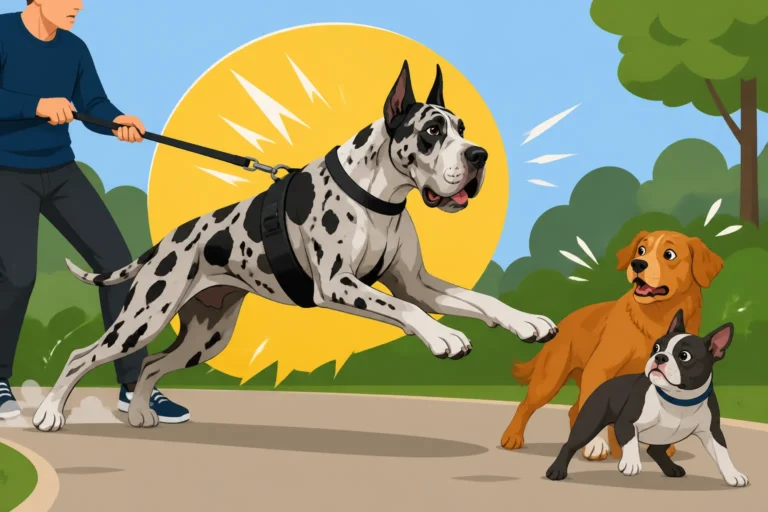
- Leash Pulling: A strong Great Dane can quickly turn a walk into a struggle. Inquire about their methods for teaching a loose-leash walk with a giant breed. Do they use specific harnesses or techniques that are effective for powerful dogs? Great Dane Leash Manners at a Hundred and Fifty Pounds is essential not just for your comfort but for your dog's safety and engagement with the world.
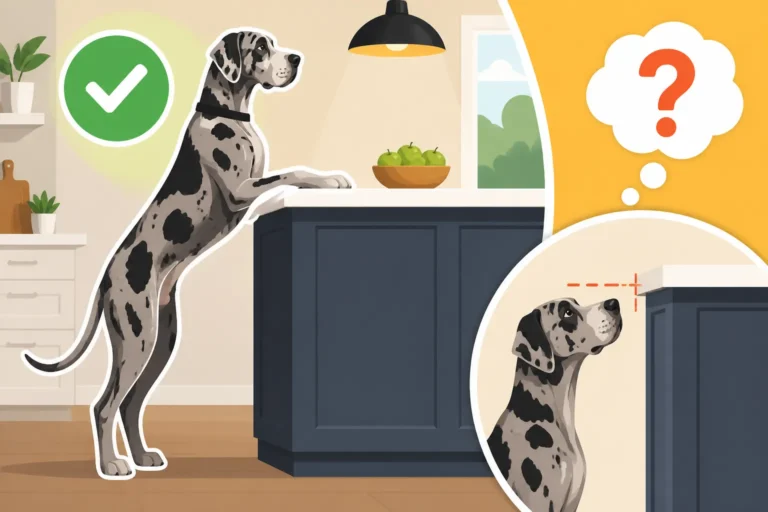
- Counter Surfing: Their height makes them natural counter surfers. How do they address this without punishment? You want strategies that teach impulse control and a "leave it" cue, not just attempts to scare them away from the kitchen. A Great Dane That Takes Dinner Off the Table can be a recurring nightmare if not addressed with consistent training.
- "Velcro" Tendencies: Many Danes love to be close, often leaning or even sitting on laps. While adorable, it can be overwhelming for guests. Ask how they balance a Dane's affectionate nature with teaching personal space.
A trainer should be able to describe a clear, step-by-step plan for addressing these behaviors using positive reinforcement, focusing on what you want the dog to do, rather than just stopping unwanted actions.
Logistics: Class Structure, Home Visits, and Support
Consider the practicalities of the training.
- Class Size and Structure: If enrolling in group classes, how many dogs are in the class? For a Great Dane, a smaller class size (especially if other large breeds are present) can be beneficial to ensure enough individual attention and space. Are there specific "giant breed" classes or times?
- One-on-One vs. Group: For certain issues, or if your Dane is particularly sensitive or reactive, one-on-one private sessions might be more effective. Ask if they offer both and how they would determine the best fit for your dog. Home visits can be invaluable for addressing behaviors that occur specifically in your home environment.
- Support Beyond Sessions: What kind of ongoing support do they offer? Do they provide written summaries, homework assignments, or follow-up calls? A good trainer understands that training is an ongoing process and offers resources for continued learning. Some modern trainers, like those from BAXTER & Bella, offer comprehensive online programs and live support, which can be an excellent resource if you're struggling to find local, specialized trainers. They can provide a structured curriculum that you can work through at your own pace, with virtual guidance, which is incredibly flexible for busy Great Dane families.
Resources for Finding the Right Great Dane Trainer
Finding that perfect trainer can feel like searching for a needle in a haystack, but there are specific places where you're more likely to strike gold.
Breed-Specific Resources and Recommendations
Your best bet for finding a truly Great Dane-savvy trainer often comes from within the breed community itself.
- Great Dane Clubs and Rescues: Reach out to your local or national Great Dane breed club. These organizations are filled with experienced owners and breeders who know the breed inside and out. They often have lists of recommended trainers who specialize in Danes or giant breeds, or they can put you in touch with other owners who can share their personal experiences. Great Dane rescues, especially, work with Danes of all ages and temperaments and are excellent resources for trainer recommendations. They deal daily with a variety of behavioral needs and often partner with trainers who understand the specific requirements of rehabilitating or training a Great Dane from scratch.
- Veterinarians and Veterinary Behaviorists: Your veterinarian might have recommendations, especially if they work with many Great Danes in their practice. For more complex behavioral issues, a veterinary behaviorist is a board-certified specialist who can provide both medical and behavioral perspectives, and they usually work with a network of qualified trainers for implementation. They are usually well-versed in understanding the breed's physical and mental health.
- Online Great Dane Communities: Join reputable Great Dane owner groups on social media platforms or forums. Ask for recommendations in your area. Owners are often keen to share who they've had success with and, just as importantly, who to avoid. Be specific about your location when asking for recommendations to get the most relevant advice.
Local Dog Training Facilities and Their Specialties
Don't rule out local training facilities entirely, but approach them with your specific criteria in mind.
- Website Review: Check their website for information about their philosophy, trainers' biographies, and specific programs. Look for mentions of "large breed" or "giant breed" training.
- Direct Inquiry: Call or email the facility and specifically ask about their Great Dane experience. Be prepared with your list of questions from the previous section. Don't let them brush you off with general answers. A good facility will be transparent about their trainers' qualifications.
- Observation: Ask if you can observe a class before committing. This allows you to see the trainers in action, gauge the class environment, and see how they handle dogs of various sizes. Pay attention to how dogs are responding to the training and whether the methods align with your positive reinforcement preference.
Online and Virtual Training Options
In today's interconnected world, geography doesn't have to be a barrier to quality training.
- Virtual Trainers: Many excellent trainers now offer virtual consultations or online courses. This can be a fantastic option if you live in an area with limited local resources or if you prefer the flexibility of training from home. Programs like BAXTER & Bella, for example, offer comprehensive online puppy and dog training programs with personalized support, which can be tailored to giant breeds. They provide structured lessons you can follow at your own pace, with live Q&A sessions and one-on-one help from certified trainers who can guide you through the unique challenges of a Great Dane.
- Online Resources for Equipment: While not trainers themselves, online retailers like Amazon offer an incredible range of specialized equipment for giant breeds, from extra-large slow feeder bowls to heavy-duty harnesses and leashes that are essential for successful training. Many virtual trainers will recommend specific products you can easily find online to aid in your training journey, ensuring you have the right tools for your Great Dane's size and strength.
| Trainer Type | Pros for Great Danes | Cons for Great Danes |
|---|---|---|
| Group Classes | Opportunity for socialization (if well-managed); often more affordable; can be motivating to see other dogs progress. | May not be large-breed specific, leading to less relevant exercises or overwhelming situations; limited individual attention; physical space might be inadequate for multiple large dogs; potential for overstimulation in a sensitive Dane. |
| Private In-Person | Tailored curriculum to your Dane's specific needs; trainer can observe in your home environment; ideal for behavioral issues or shy dogs; direct physical guidance. | Can be more expensive; availability of giant-breed specialists varies by location; requires scheduling around trainer's and your own availability. |
| Virtual Training | Highly flexible schedule; access to top trainers regardless of location; comfortable for dogs that are anxious outside the home; cost-effective for comprehensive programs. | Lacks direct physical handling by the trainer (relies on owner's execution); requires owner to be self-motivated and comfortable with technology; some behaviors are harder to assess remotely. |
No matter which path you choose, remember that consistency is key. A great trainer will empower you to be the best leader and advocate for your Great Dane, equipping you with the knowledge and tools to continue their training long after the sessions are over. With the right guidance, your magnificent Great Dane will not only be a beloved family member but also a well-mannered ambassador for their incredible breed.
Disclaimer
This article is for general informational purposes only and does not constitute professional advice. Laws, prices and regulations vary by location and change over time. Consult a qualified professional for guidance on your specific situation.