Off-Leash Walking With a Great Dane
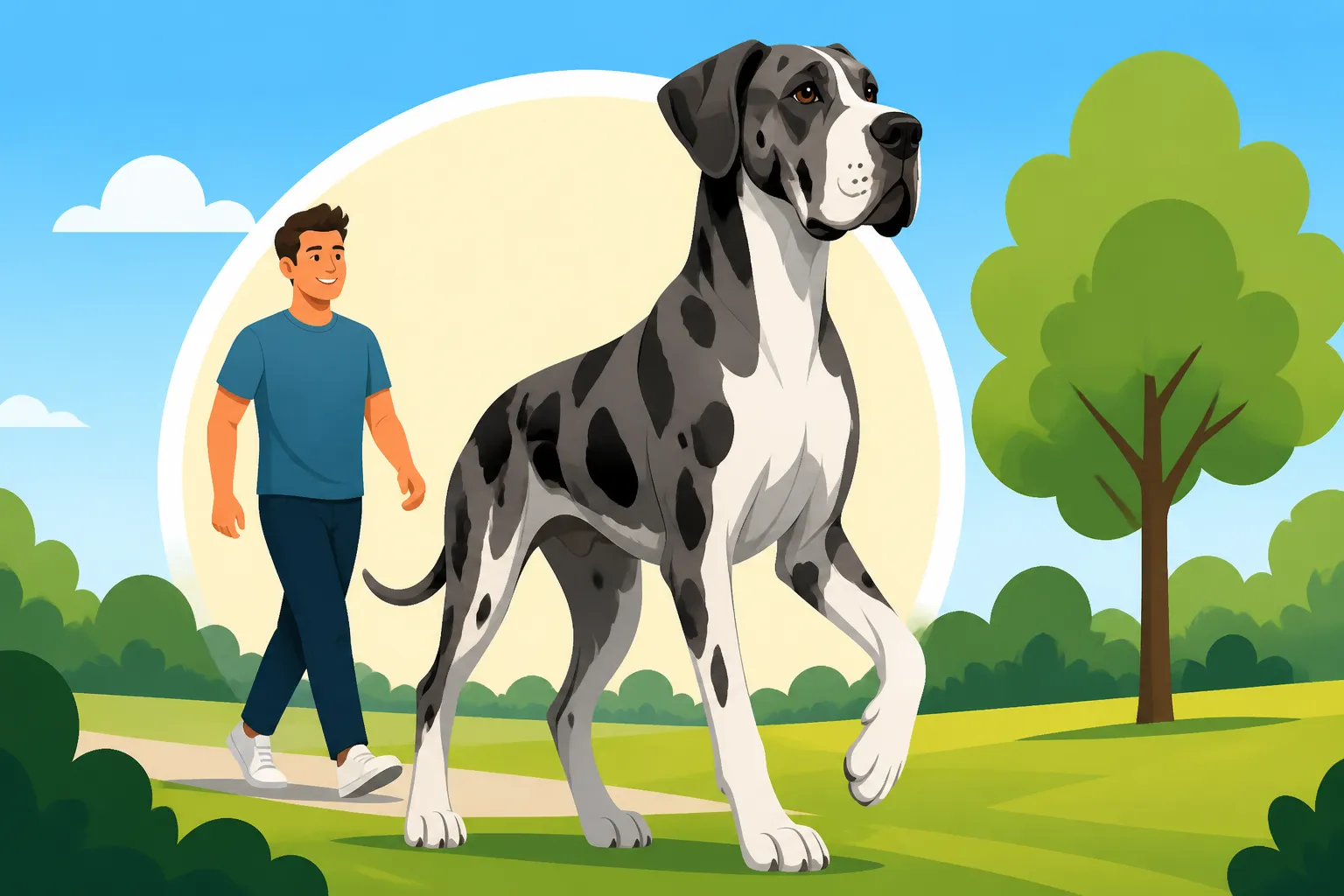
Ah, the dream of off-leash walking with your magnificent Great Dane! It’s a vision many of us Great Dane owners hold dear: your gentle giant gracefully galloping across an open field, ears flopping, tail wagging, truly experiencing freedom. But then reality sets in. That same majestic dog, who is utterly devoted to you indoors, can suddenly develop selective hearing the moment a squirrel twitches its nose a hundred yards away, or another dog appears. The sheer size and power of a Great Dane make off-leash adventures both incredibly appealing and genuinely terrifying if not approached with the utmost care and preparation. This guide will walk you through the very real challenges and the vital steps you need to consider before ever letting your Great Dane off-leash, helping you understand when it might be possible, and more importantly, when it's absolutely not.
The Allure and the Reality of Off-Leash Freedom
There’s something truly magical about seeing a dog run free, unencumbered by a leash. For a Great Dane, a breed known for its impressive size and often surprisingly graceful gait, the idea of uninhibited movement is particularly captivating. However, the reality of off-leash freedom for a giant breed comes with its own set of unique considerations.
Why Off-Leash is a Dream for Many Dane Owners
We all envision those idyllic scenes: your Great Dane, a picture of joyous abandon, stretching out in long, powerful strides across a vast, green space. It’s about more than just exercise; it's about pure, unadulterated canine joy. Watching them bound and play, truly expressing themselves without the physical restriction of a leash, can be an incredible bonding experience. For a breed that grows so large, so quickly, the ability to gallop and explore feels like a fundamental right. It speaks to a deeper connection, a trust that they will always choose to come back to you, no matter the distraction. It’s the kind of freedom we often associate with "good dogs," and we desperately want our Danes to have it. There's a certain pride in knowing your dog is so well-behaved, so attuned to you, that they can be trusted to roam and return.
The Unique Risks a Great Dane Presents Off-Leash
Now, let's talk about the cold, hard reality check. While the dream is lovely, the risks associated with off-leash walking a Great Dane are substantial and cannot be underestimated. First and foremost, their size and speed. A full-grown Great Dane can easily weigh over 150 pounds and move incredibly fast. If that much canine momentum is heading towards an unsuspecting child, a smaller dog, or even an elderly person, the consequences can be devastating, even if your Dane is only being playful. Accidents happen in a blink of an eye, and no amount of "he's friendly!" will undo a broken bone or a terrified encounter.
Then there's the sheer strength. If your Dane decides to bolt after a rabbit, a deer, or even a particularly interesting scent, their recall needs to be absolute perfection. A dog of this size, once committed to a chase, can cover an astonishing amount of ground in seconds, putting them in danger of traffic, getting lost, or encountering unknown hazards. Their powerful prey drive, inherent in many breeds, can override even the best training when triggered. It's not about malice; it's about instinct. Furthermore, Great Danes can be prone to certain health issues, and a sudden, intense burst of uncontrolled activity could exacerbate conditions like Bloat in a Great Dane and the One in Three Odds or stress joints that are still developing, as discussed in Growth Disorders in a Great Dane Puppy. Managing their exercise, even off-leash, needs to be done thoughtfully.
Essential Foundations Before Considering Off-Leash
Before you even think about unclipping that leash, your Great Dane needs a rock-solid foundation of obedience. This isn't just about good manners; it's about safety—for your Dane, for other people, and for other animals. You're essentially trusting your dog with their life and the well-being of others, so there's no room for "sometimes" when it comes to vital commands.
Mastering Core Obedience Commands
This is where the rubber meets the road. Your Great Dane absolutely must have perfect understanding and execution of fundamental commands like "sit," "stay," "down," and "leave it." These aren't suggestions; they are commands that must be obeyed instantly, every single time, regardless of distraction. Think about it: if your Dane is halfway across a field charging towards a group of picnickers, a hesitant "sit" isn't going to cut it. You need a "sit" that drops them immediately, no questions asked.
The "leave it" command is especially crucial for a curious, large breed that can easily pick up and swallow things that are dangerous to them or inappropriate to snatch from someone else. Imagine walking through a park and your Great Dane spots a discarded chicken bone. A lightning-fast "leave it" could literally be a lifesaver, preventing a trip to the emergency vet. Consistent, positive reinforcement training, starting in puppyhood, is key. Many owners find structured online programs, like those offered by BAXTER & Bella, incredibly helpful for laying these fundamental bricks, especially when dealing with the unique challenges of a giant breed.
Building a Bulletproof Recall
Let's be honest, nearly every dog "comes when called" in the quiet confines of your living room. The real test is when there's a squirrel, another dog, or a compelling scent involved. Building a truly "bulletproof" recall means your Great Dane will drop whatever they are doing and race back to you, joyfully, the instant you call them, no matter the distraction. This requires immense patience, consistency, and very high-value rewards. We're talking about boiled chicken, cheese, or hot dogs – not just their regular kibble.
Start recall training in a low-distraction environment, gradually increasing the difficulty. Use a long line – often 20 to 50 feet – in a safe, fenced area to practice, allowing your Dane some freedom while still maintaining control. Each time they respond, make it a huge party with praise, treats, and affection. The goal is for them to associate coming to you with the absolute best thing ever. Remember, The Cues a Great Dane Needs Before Six Months are critical for building this foundation early. If your Dane is still A Great Dane That Pulls You Off Your Feet on a regular leash, they are absolutely not ready for off-leash work.
Understanding Your Dane's Prey Drive and Distraction Levels
Every dog has a prey drive to some extent, but for some Danes, it can be incredibly strong. That flash of a squirrel, the sudden flight of a bird, or the scent of deer can turn your well-behaved companion into a canine missile. It’s essential to be brutally honest with yourself about your individual Dane's prey drive. Have they ever ignored you completely when a wild animal appeared? Do they fixate on small, fast-moving objects?
Their distraction levels go beyond prey drive, too. How do they react to other dogs, especially boisterous ones? Do they become over-aroused or over-friendly? Do they ignore you when children are running and screaming? If your Great Dane is easily overwhelmed or overly stimulated by their environment, off-leash freedom is likely a recipe for disaster. Socializing a Great Dane Puppy Early can help manage these reactions, but it won't erase inherent drives. You need to know your dog's limits, even if it means accepting that true off-leash freedom might not be a safe option for them.
Assessing Suitable Environments for Off-Leash Play
Once you've poured countless hours into training and feel confident in your Great Dane's obedience and recall, the next step is to carefully select environments that are genuinely suitable for off-leash activity. This isn't something you can eyeball; it requires thoughtful consideration of safety, legality, and the unique needs of a giant breed.
Fenced-In Dog Parks and Private Lands
For many Great Dane owners, dog parks with secure, high fencing offer the safest initial opportunity for off-leash fun. These parks are designed specifically for dogs to run and play freely, providing a controlled environment. However, even dog parks come with caveats. Not all fencing is tall enough to contain an athletic Great Dane who might decide to jump, and the social dynamics can be unpredictable. You need to be vigilant for signs of stress or aggression in other dogs, as well as your own Dane's reactions. Some Danes, despite their gentle nature, can accidentally injure smaller dogs simply due to their size and playful clumsiness. Always have your leash ready and be prepared to intervene or leave if the situation becomes less than ideal. Wearing Out a Great Dane Without Wrecking Its Joints is important, and dog parks can provide the space for appropriate exercise.
Private land, with permission from the owner and secure fencing, is often the gold standard. A friend's large, fenced backyard or a rented field gives your Dane the freedom to explore without the variables of other dogs or public distractions. This allows you to practice your recall and observe their behavior in a relatively safe, distraction-rich (but not too rich) environment. Think of these as stepping stones to greater freedom, if that ever becomes truly appropriate.
Recognizing Unsafe or Inappropriate Locations
This is perhaps the most critical section. There are simply some places where a Great Dane should never be off-leash, no matter how well-trained you believe them to be. High-traffic areas, even if they seem quiet at the moment, are an absolute no-go. One sudden car horn, a child darting out, or a cyclist can turn a calm stroll into a catastrophe. Similarly, areas near livestock, like farms or open fields where cattle or sheep graze, are profoundly dangerous. The potential for a powerful breed like a Great Dane to injure or terrify livestock, even unintentionally, is immense, and the legal repercussions can be severe.
Furthermore, consider areas with strong wildlife presence. If you're walking near woods known for deer, coyotes, or other wild animals, the temptation for your Dane to chase can be irresistible, and once they're in pursuit, getting them back can be nearly impossible. Beyond the immediate danger to your dog (getting lost, injured, or encountering aggressive wildlife), there are often local leash laws that must be respected. Ignoring these laws not only puts your dog at risk of being impounded or you facing fines, but it also paints all Great Dane owners in a negative light. Being a responsible owner means knowing when to keep that leash on, even if it feels restrictive.
| Environment Type | Suitability for Off-Leash Great Dane | Key Considerations |
|---|---|---|
| Secure, Fenced Dog Park | High (with caution) | Fencing height, dog temperament (yours and others), overcrowding, potential for accidental injury to smaller dogs. Requires constant supervision. |
| Private, Fenced Land | Very High | Owner permission, fence integrity (no gaps/weak spots), awareness of any internal hazards (e.g., poisonous plants, open gates to roads). |
| Open Fields (Near Roads) | Extremely Low | High risk of traffic accidents, even with excellent recall. Distractions (wildlife, people) increase unpredictability. |
| Hiking Trails (Public) | Low to None | Most trails have leash laws. Risk of encountering other hikers, dogs, wildlife, or steep drops. A Great Dane could knock someone over. |
| Beach (Leash Optional) | Medium (check local rules) | Check leash laws. Risk of strong currents, ingesting saltwater/sand, overwhelming other beachgoers, encountering marine life. Only with impeccable recall. |
| Residential Neighborhoods | None | High traffic (cars, pedestrians, bikes), children playing, other leashed dogs, people's property. Absolutely requires a leash. |
| Areas with Livestock | None | Extreme risk of chasing/injuring animals, severe legal consequences. Never allow off-leash. |
Tools and Training Strategies for Off-Leash Success (and Safety)
Even with the best intentions, off-leash walking requires specific tools and a sustained commitment to training. For a Great Dane, their size amplifies every training challenge and every success, making the right approach absolutely vital.
Long Lines as a Bridge to Off-Leash Freedom
Before you make the full leap to off-leash, a long line is your absolute best friend. Imagine a really, really long leash, typically 20 to 50 feet in length, made of durable material like nylon or biothane (which is fantastic because it’s easy to clean). The long line allows your Great Dane to explore, sniff, and run a considerable distance from you, giving them a taste of freedom while still keeping you connected and in control. This is where you practice that bulletproof recall in increasingly distracting environments. If they don't respond to your "come," you gently reel them in, reinforcing the command.
You can find excellent, sturdy long lines on platforms like Amazon, but make sure it's rated for a giant breed's strength. Using a long line helps bridge the gap between being tethered directly to your side and being completely free. It builds your confidence in their recall, and their confidence in you as their guide. It's a gradual, responsible way to test their boundaries and your training in a real-world setting, far safer than just unhooking the leash and hoping for the best. Remember, it's about learning Great Dane Leash Manners at a Hundred and Fifty Pounds before you ever consider off-leash.
The Role of Consistent Training and Reinforcement
Training is not a one-and-done event, especially with a Great Dane. Their adolescent phase, for example, can feel like they've forgotten everything you ever taught them! The Age a Great Dane Stops Listening can be a frustrating time, but it’s crucial to push through with consistency. You need to always be the most interesting thing in their world, or at least capable of offering the most enticing reward. This means constantly reinforcing good behavior, especially recall, even when they're on-leash. Randomly call them to you for a treat while walking, reward them for checking in, and make coming back to you the most rewarding experience possible.
Consider enrolling in advanced obedience classes or working with a professional trainer who has experience with giant breeds. A trainer can provide invaluable insight into your Dane's specific behaviors and help you troubleshoot challenges. Programs like those offered by BAXTER & Bella can also offer structured lessons and support to keep you on track. Consistency isn't just about repetition; it's about making your expectations clear and fair, and always following through with rewards or gentle corrections. Why Waiting Until a Great Dane Is Grown Is Too Late applies strongly here; the sooner you establish these habits, the better.
When Off-Leash Isn't the Right Choice
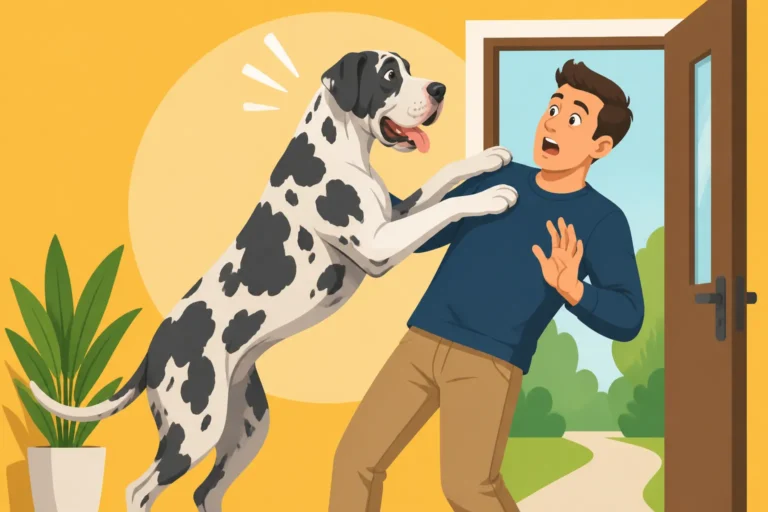
Sometimes, despite all your efforts, off-leash walking simply isn't the right choice for your Great Dane, and that's okay. It doesn't make you a bad owner or your dog a bad dog. It simply means you're prioritizing their safety, and the safety of others, above an idealized vision. For Danes with a very high prey drive, or those who are simply too independent or easily distracted, the risks often outweigh the benefits. Maybe they're too friendly and bowl people over, or too shy and prone to bolting.
Accepting these limitations means finding other ways for your Great Dane to get exercise and mental stimulation. Long walks on a sturdy leash, perhaps with a front-clip harness or head halter (many excellent options are available on Amazon to help with A Great Dane That Pulls You Off Your Feet), can still be incredibly fulfilling. Exploring secure, fenced-in dog parks during off-peak hours, or finding private land for rent, can provide safe outlets for running. Whether a Great Dane Is Really Calm Indoors often means they need an outlet, but that outlet doesn't have to be off-leash freedom in open public spaces. Your Great Dane loves you and thrives on your companionship; that bond is far more important than whether they ever run completely free in an open field. Responsible ownership means making the best, safest choices for your unique dog.
Disclaimer
This article is for general informational purposes only and does not constitute professional advice. Laws, prices and regulations vary by location and change over time. Consult a qualified professional for guidance on your specific situation.