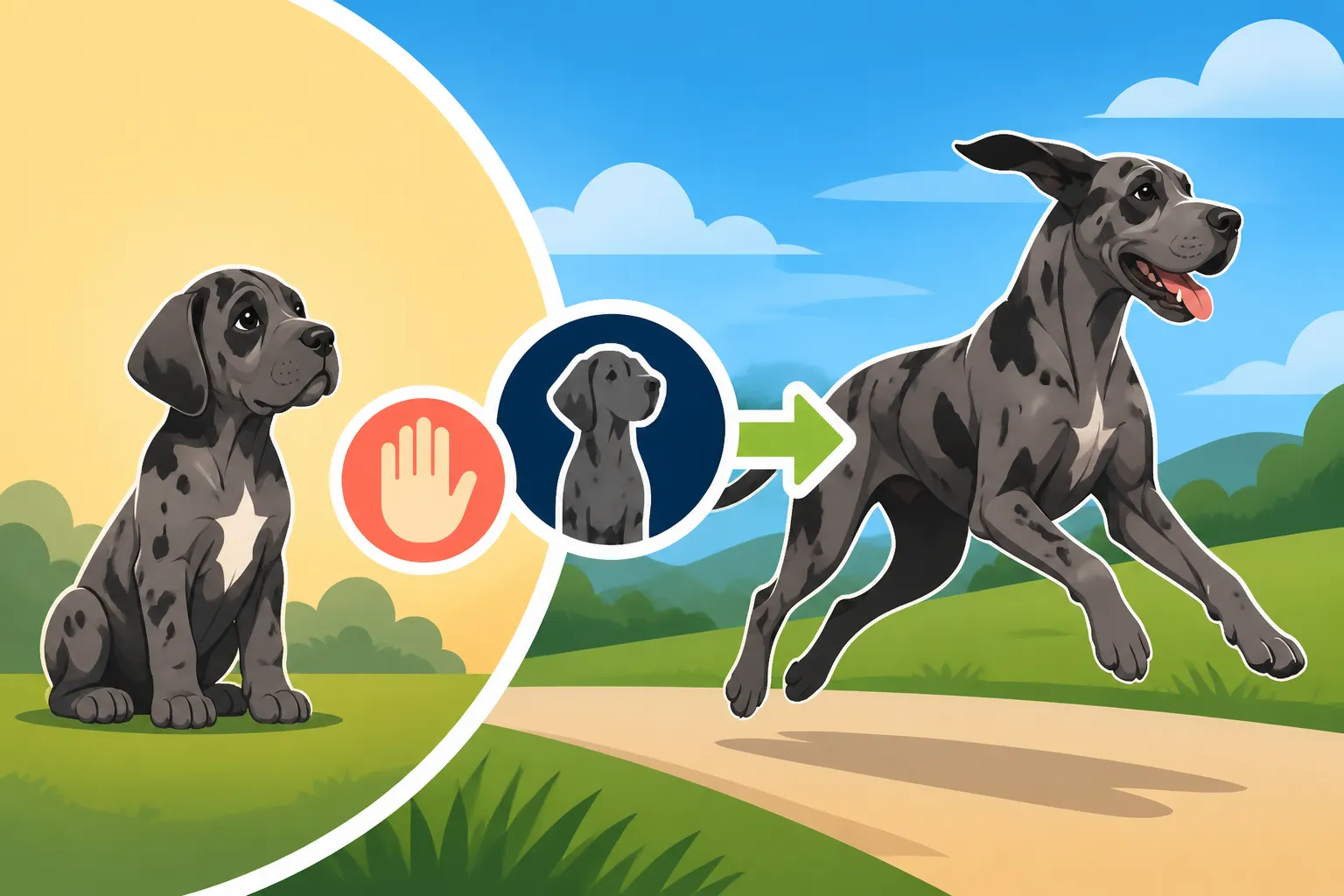
The Age a Great Dane Can Start Running
It’s a truly exciting thought, isn't it? Imagining yourself hitting the trails or enjoying a brisk jog with your magnificent Great Dane trotting happily beside you. As Great Dane owners, we often picture these gentle giants as robust, powerful athletes, and it's natural to want to share active experiences with them. However, when it comes to running, especially with a young Great Dane, there’s a critical period of physical development that we absolutely must respect to safeguard their long-term joint health. This guide will walk you through the nuances of when and how to safely introduce running to your beloved Dane.
The Delicate Dance of Growth Plates and Developing Joints
One of the biggest misconceptions about Great Danes, and indeed many large and giant breeds, is that once they look "grown," they are fully developed internally. Nothing could be further from the truth. Their impressive size means they grow incredibly fast, but this rapid growth also makes their skeletal system particularly vulnerable during puppyhood and adolescence. This is primarily due to their growth plates, which are areas of cartilage at the ends of long bones in puppies and young dogs.
These growth plates are softer than mature bone and are responsible for all the lengthening your Great Dane's bones do. They typically don't fuse and harden into solid bone until your Dane reaches full skeletal maturity. For a giant breed like a Great Dane, this process takes much longer than for smaller dogs. High-impact, repetitive activities like running, jumping, or even excessive rough play on hard surfaces can cause microscopic or even macroscopic damage to these unfused growth plates. Such injuries can lead to permanent deformities, pain, and significantly increase the risk of debilitating conditions like arthritis later in life. It's a heartbreaking scenario to imagine, knowing we could have prevented it, which is why patience and proper care during these formative years are non-negotiable. It's truly a testament to why Why a Great Dane Ages Faster Than Smaller Dogs is such a critical read.
The risk isn't just about the immediate damage; it's about setting the stage for chronic issues. Think of it like building a house on a shaky foundation. Even if the house stands for a while, it's far more prone to collapse under stress. Your Great Dane's skeleton is that house, and those growth plates are the foundation. We want to ensure that foundation is rock solid before we ask it to withstand the repetitive stress of running.
Understanding Your Great Dane's Physical Maturity Timeline
Determining "the right age" isn't always a straightforward answer because every Great Dane is an individual, and their growth rates can vary slightly. However, there are general guidelines that responsible owners and veterinarians strongly recommend.
The Stages of Great Dane Growth
Your Great Dane's journey from tiny puppy to majestic adult involves several distinct growth phases:
- Early Puppyhood (8 weeks to 6 months): This is a period of explosive growth where your puppy gains significant height and weight very quickly. Their bones are elongating rapidly, and their growth plates are wide open and extremely fragile. During this time, gentle, controlled exercise like short, supervised walks on soft surfaces (grass, dirt trails) and free play in a secure, level yard are paramount. Forced exercise, such as long jogs, intense fetch sessions, or prolonged periods of running on concrete, should be avoided entirely. Their coordination is also still developing, making them more prone to awkward movements that could stress joints. We really need to Exercise Limits While a Great Dane Is Still Growing and take this stage seriously.
- Adolescence (6 months to 18-24 months): While the rapid height growth may start to slow down for some around 10-12 months, your Great Dane is still very much growing and maturing during this phase. They will continue to fill out, gain muscle mass, and their growth plates will gradually begin to close. This is often the trickiest stage because your Dane might look like an adult – tall, substantial, and full of energy – making it tempting to push them physically. However, many Great Danes don't achieve full skeletal maturity, meaning their growth plates aren't completely fused, until they are closer to 18, 20, or even 24 months old. This extended period of vulnerability is why patience is key. For more on this, check out The Age a Great Dane Is Considered Old for context on their overall lifespan.
- Full Skeletal Maturity (18-24 months and beyond): This is generally the earliest recommended age to begin considering the introduction of more strenuous, high-impact activities like running. Even at this point, "considering" is the operative word, not "full steam ahead." It's still crucial to consult with your veterinarian to confirm that your individual Great Dane's growth plates have fully closed. They can often provide guidance based on your dog's specific development and breed characteristics. Some vets might even suggest X-rays if there's any doubt, though this isn't always necessary for general exercise recommendations.
It's a marathon, not a sprint, when it comes to allowing your Great Dane to reach their physical peak safely. Rushing it can have irreversible consequences for their Great Dane Hips, Elbows and Growing Joints.
Why Patience is a Virtue for Great Dane Owners
You might feel like you're missing out on some fun with your dog, especially when you see smaller, more mature dogs running freely. But remember, a Great Dane's body is vastly different. Their sheer mass, combined with their rapid growth, puts immense pressure on developing joints. Premature high-impact exercise can contribute to:
- Developmental Orthopedic Diseases: Conditions like Osteochondritis Dissecans (OCD) or even exacerbated hip and elbow dysplasia can be worsened by inappropriate exercise during growth.
- Early Onset Arthritis: Damage to growth plates or joint cartilage as a youngster significantly increases the likelihood of painful arthritis developing at a younger age. Imagine a six-year-old Dane struggling with mobility – it's a harsh reality we want to avoid.
- Soft Tissue Injuries: Tendons and ligaments are also still developing and can be strained or torn by sudden, intense movements before they are mature and strong enough.
Think about it this way: professional athletes follow rigorous, age-appropriate training schedules to build strength and avoid injury. Your Great Dane deserves the same mindful approach.
| Growth Stage | Approximate Age Range | Exercise Recommendations | Activities to Avoid (High Impact) |
|---|---|---|---|
| Early Puppyhood | 8 weeks – 6 months | Short, frequent, leash-controlled walks on soft surfaces; free play in a fenced, level yard; gentle swimming. | Forced running (jogging), jumping, repetitive fetch, long walks on hard surfaces (concrete), strenuous agility, dog parks. |
| Adolescence | 6 months – 18-24 months | Moderate, controlled walks; continued free play (supervised); introducing basic obedience training. | Still avoid forced running, prolonged jumping, intense dog park wrestling, long-distance hikes, competitive sports requiring quick stops/starts. |
| Full Maturity | 18-24 months + (vet approval) | Gradual introduction to running; longer walks; controlled, supervised play; consideration of low-impact sports. | High-impact activities without proper conditioning; abrupt, intense exercise without warm-up/cool-down. |
Safe Exercise Alternatives for Growing Great Danes
So, if running is off the table for a while, what can you do to keep your energetic Great Dane puppy happy, healthy, and mentally stimulated without risking their developing body? Plenty! The goal is controlled, low-impact activity that builds strength and coordination without jarring delicate joints.
Controlled Walks and Structured Play
Leash walks are your best friend during the growth phases. These should be shorter and more frequent, allowing your puppy to explore without overexerting themselves. Think 10-15 minutes, a few times a day, on soft ground like grass or dirt trails. This helps them learn leash manners, encounter new sights and smells (crucial for Socializing a Great Dane Puppy Early), and build foundational strength in a gentle way. How Much a Growing Great Dane Should Walk will give you more insight into tailoring these walks.
Structured play means you're guiding the activity. Instead of letting them zoom around uncontrollably in a dog park with unknown dogs (which can lead to rough play and collisions), engage them in gentle games of retrieve in a contained, safe space. Roll a soft toy, encourage a gentle chase, but prevent hard stops, sudden turns, and high jumps. Mental stimulation is also huge! Puzzle toys that dispense treats when manipulated can keep their minds busy and burn off energy without putting stress on their joints. You can find a fantastic array of these on Amazon.
Swimming: A Low-Impact Marvel
Swimming can be an excellent, low-impact exercise for Great Danes, provided it's done safely and supervised. It builds muscle without stressing joints. Start by introducing them to shallow water, making it a positive experience. A life vest is highly recommended, especially for Danes who aren't natural swimmers or who are just learning, as their large bodies can be cumbersome in the water. Always ensure they have easy entry and exit points and that the water is clean and safe. Never force a Great Dane into the water if they're hesitant; positive reinforcement is key.
The Power of Training and Mental Enrichment
Beyond physical exercise, mental stimulation is vital for a growing Great Dane. They are intelligent dogs, and a bored Dane is often a destructive Dane! Obedience training, learning new tricks, and engaging in brain games all tire them out just as effectively, if not more so, than physical exertion, while being much safer for their joints.
Consider enrolling in an online puppy training program like those offered by BAXTER & Bella. Their comprehensive curriculum often includes positive reinforcement techniques that focus on teaching manners, impulse control, and basic commands, all while being adaptable to your puppy's physical limitations. This kind of structured learning can be a lifesaver for busy owners and provides excellent mental exercise without any high-impact risks. Teaching them commands like "leave it," "settle," or practicing short bursts of "stay" can be incredibly rewarding and physically undemanding. Building good manners now is crucial, especially for a dog that will soon be a Great Dane that outweighs you.
Introducing Running: A Gradual and Mindful Approach
Once your veterinarian has given you the green light, ideally after your Great Dane is 18-24 months old and fully skeletally mature, you can slowly begin to introduce running. This isn't a license to immediately sign up for a marathon; it's a gradual conditioning process.
Start Slow and Build Stamina
Think of it like training for your first 5K. You wouldn't go out and run five miles on day one.
- Warm-Up: Always start with a brisk 5-10 minute walk to warm up their muscles and joints.
- Short Bursts: Begin with very short intervals of running (e.g., 30 seconds to 1 minute) interspersed with longer periods of walking (5 minutes).
- Soft Surfaces First: Prioritize running on softer surfaces like dirt trails, grass, or sand (though sand can be tough on paw pads initially). Avoid concrete or asphalt as much as possible, especially in the beginning.
- Gradual Increase: Over weeks and months, slowly increase the running intervals and decrease the walking intervals. The key word here is slowly. Listen to your dog.
- Cool-Down: Always finish with a 5-10 minute cool-down walk.
It's tempting to push them if they seem to be enjoying it, but remember their deep pain tolerance can sometimes mask discomfort. Always err on the side of caution.
Monitor for Signs of Discomfort
Your Great Dane can't tell you in words if something hurts, so you need to be vigilant about their body language. Watch for:
- Lameness or Limping: Any favoring of a leg, even subtle, is a red flag.
- Stiffness: Difficulty getting up or lying down, or a stiff gait after exercise.
- Reduced Enthusiasm: A dog who usually loves to run suddenly lagging behind or refusing to move forward.
- Changes in Appetite or Mood: Sometimes general discomfort can manifest as lethargy or a lack of interest in food.
- Excessive Panting or Drooling: While some panting is normal, excessive panting or drooling, especially if accompanied by a refusal to move, can indicate overheating or overexertion.
- Scuffed back nails: This can be an early sign of The First Wobbler Signs in a Great Dane which is a neurological condition, not just joint pain, and warrants a vet visit immediately.
If you observe any of these signs, stop the activity immediately and consult your veterinarian. It’s better to be overly cautious than to risk a serious injury. Conditions like Arthritis in a Six-Year-Old Great Dane are far too common, and we want to delay or prevent them as much as possible.
The Right Gear Matters
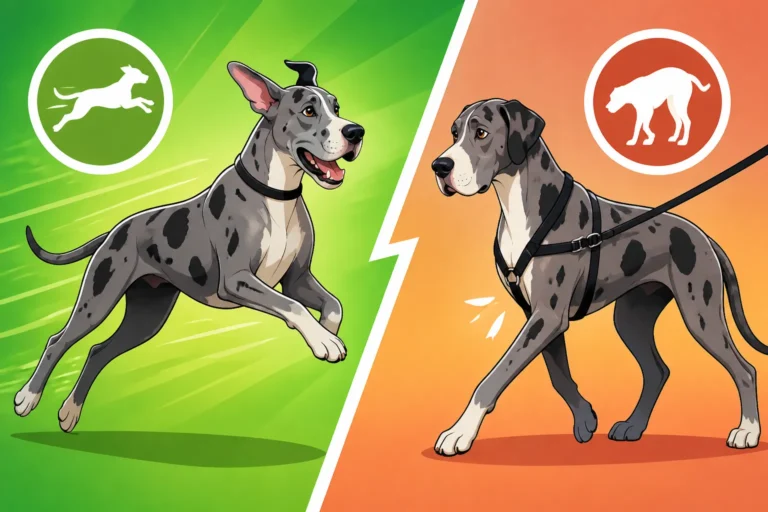
Just like a human runner needs good shoes, your Great Dane benefits from the right gear. A well-fitting harness is far superior to a collar for running, as it distributes pressure evenly across their chest rather than pulling on their neck, which is sensitive for Great Danes, especially given their susceptibility to neck issues like Wobbler Syndrome. Look for a harness that allows full range of motion in the shoulders and doesn't rub. You can find a variety of excellent, durable harnesses suitable for a Great Dane's size on Amazon. A hands-free running leash can also be a game-changer, allowing you to maintain control while keeping your own balance.
Finally, ensure your Great Dane is well-hydrated before, during (if on a long run), and after exercise. Always carry water, especially in warmer weather, or plan your route to pass by water sources. Remember, the goal is to enjoy active years together, not just a few intense months. Responsible, patient ownership now will lead to a happier, healthier Great Dane for years to come.
Disclaimer
This article is for general informational purposes only and does not constitute professional advice. Laws, prices and regulations vary by location and change over time. Consult a qualified professional for guidance on your specific situation.