Why a Great Dane Sits on Your Lap
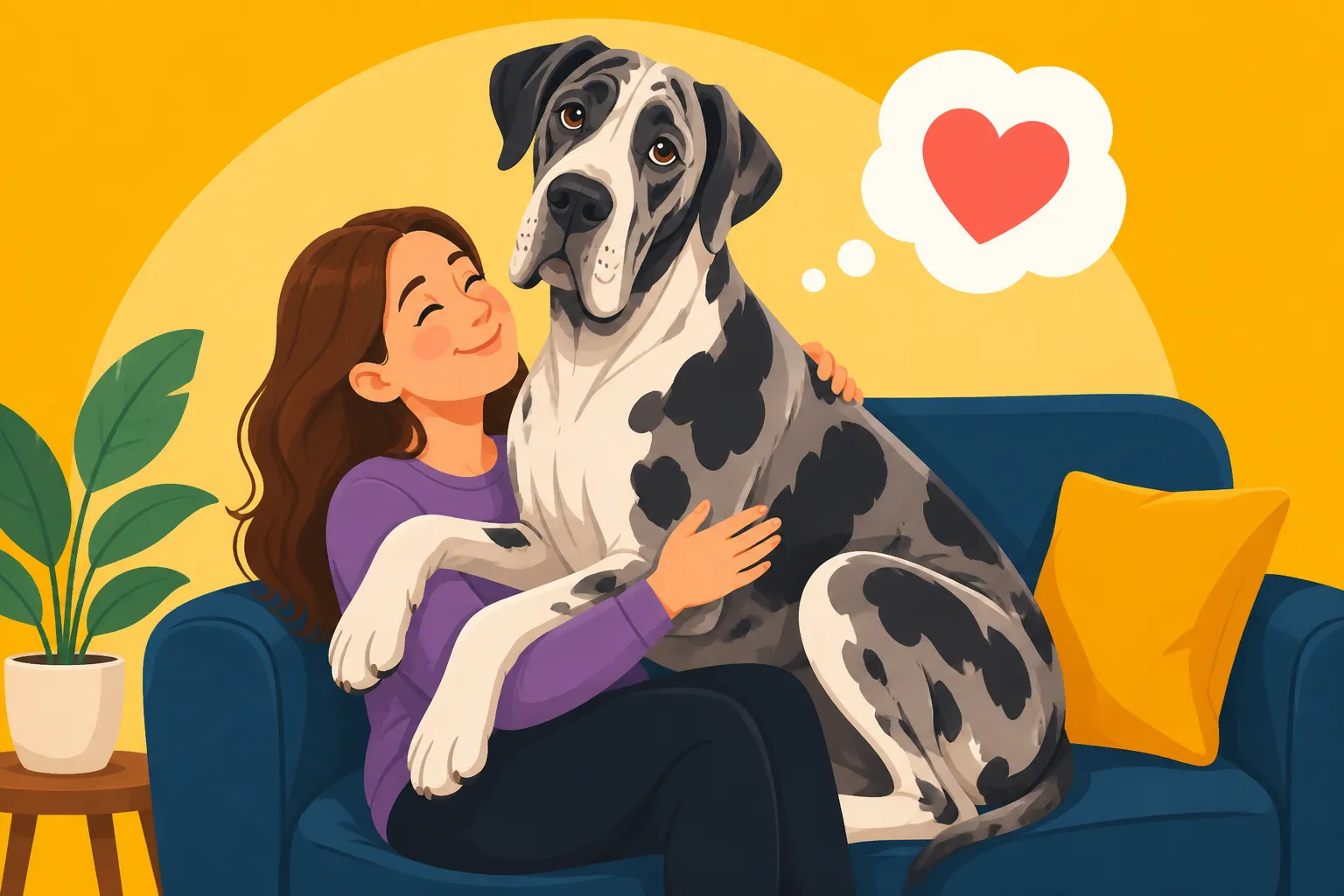
Ah, the classic Great Dane lapdog dilemma! You wanted a majestic companion, a gentle giant, and what you got was a sprawling, drooling, hundred-plus-pound creature attempting to fuse with your sofa – and you – during every quiet moment. It’s certainly endearing, and often hilarious, but when a dog the size of a small pony decides your lap is the perfect spot, it can also be a little… squishy. This guide will dive deep into why your Great Dane might be convinced they're a chihuahua, whether it's actually a problem, and how to gently guide them to more appropriate cuddle positions.
The Deep-Seated Reasons Your Great Dane Thinks They're a Lapdog
It's truly a universal experience for Great Dane owners: you're sitting on the couch, minding your own business, and suddenly, a massive head appears, followed by an equally massive body attempting to contort itself into a position that defies physics, all to be "on" you. It's not just a quirk; there are some very understandable, deeply ingrained reasons behind this endearing, if sometimes uncomfortable, behavior.
Instinctive Desire for Close Contact
Great Danes, despite their imposing size, are profoundly social animals. They thrive on companionship and physical closeness with their human "pack." From the moment they're tiny puppies, they seek the warmth and security of their mother and littermates. When they come into your home, you become their primary source of comfort and safety. This desire for physical connection doesn't diminish as they grow; it merely scales up, sometimes literally. They don't conceptualize their size in the same way we do. In their minds, they are still that little puppy wanting to be held and reassured. They want to be as close to you as possible, and sometimes, that means attempting to occupy the same physical space you are in, regardless of how impractical it might be. This isn't just about attention; it's about feeling connected and loved.
You'll notice this behavior isn't always about full-on lap-sitting. Sometimes it's a lean against your leg, a head resting heavily on your shoulder, or a paw gently placed on your arm. All these gestures stem from the same deep-seated need for contact and reassurance. For more on this, check out Living With a Great Dane That Leans on You. They're literally "leaning in" to the relationship.
Affectionate Temperament and Seeking Comfort
The breed standard often describes Great Danes as "gentle giants," and for good reason. They are renowned for their loving, affectionate, and often sensitive nature. This isn't a breed known for aloofness; they form incredibly strong bonds with their families. When they try to sit on your lap, it's often an overt display of affection, a clear communication of their love and devotion. They feel safe and content when they are physically close to you. Think about it from their perspective: when they were small, being on your lap meant warmth, petting, soothing voices, and often treats. These positive associations stick with them.
Beyond pure affection, they might also be seeking comfort or reassurance. If they're feeling a little anxious, unsure about a new sound, or just want to feel protected, your lap or immediate personal space represents a safe haven. It's their way of saying, "I need some extra love right now." While their gentle nature is often lauded, it's important to understand The Gentle Great Dane Temperament and Its Limits because even the most loving dog needs appropriate boundaries.
Early Reinforcement and Learned Behavior
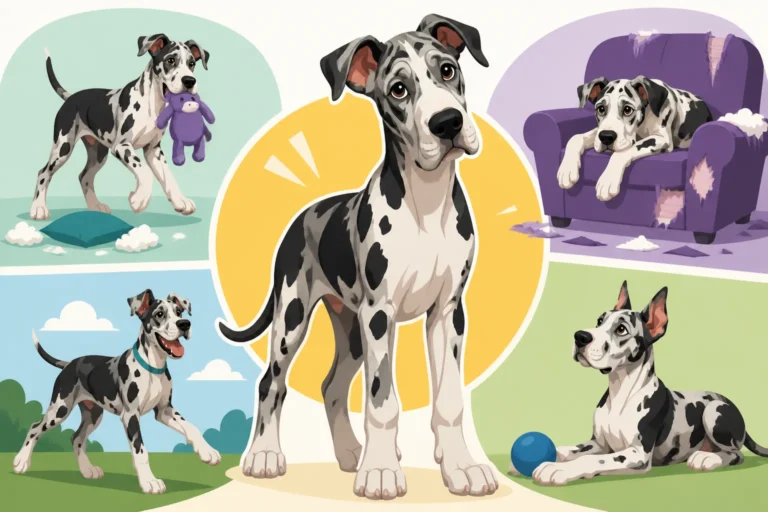
Let's be honest, who can resist a tiny Great Dane puppy trying to snuggle onto their lap? Those first few weeks and months are critical in shaping their understanding of appropriate behavior. When they were small, letting them curl up on your lap was likely adorable and probably encouraged with plenty of cuddles and praise. What started as cute and manageable with a 20-pound fluffball can quickly become a monumental challenge when that same dog is 120 pounds and still believes your lap is their rightful throne.
Dogs are creatures of habit and routine. If a behavior is consistently rewarded, either intentionally with treats and praise, or unintentionally with attention and cuddles, they learn that it's a desirable action. This isn't to say you "ruined" your dog, but rather that their current behavior is a logical extension of earlier positive experiences. It's a testament to their intelligence and their ability to remember what worked for them in the past. Understanding Why Great Dane Training Cannot Wait is crucial for addressing these habits before they become too entrenched.
Assessing the "Problem": Is Your Great Dane's Lap-Sitting an Issue?
While it might feel like the most natural thing in the world to let your massive Great Dane cuddle up, there are times when this loving gesture can cross the line from endearing to genuinely problematic. It’s important to honestly assess the situation, not just for your comfort, but for the safety and well-being of everyone in your home.
Physical Strain and Discomfort for Humans
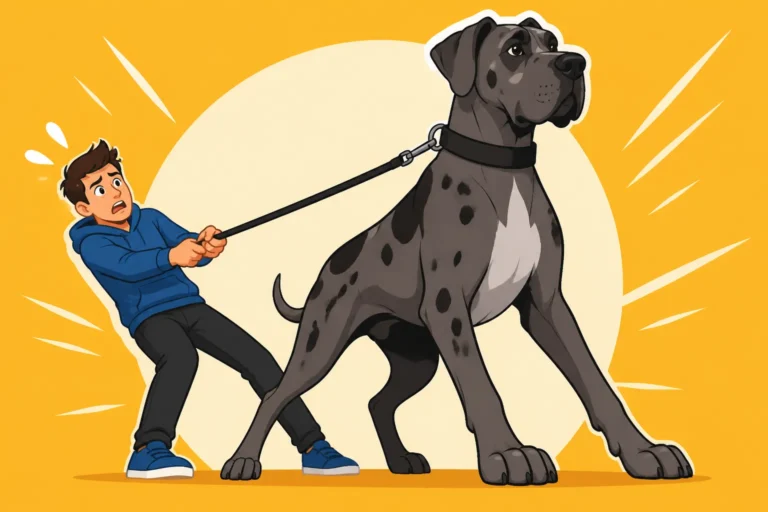
Let’s face it, a full-grown Great Dane can easily weigh more than many adult humans. When they decide your lap is their personal chaise lounge, it can lead to significant physical discomfort for you. Imagine trying to work on your laptop, eat a meal, or simply stand up when you have 150 pounds of muscle and bone draped across your legs. Owners often report numb limbs, back pain, or even minor injuries from unexpected shifting or clumsy attempts at snuggling.
This isn't just about a brief moment of inconvenience; consistent pressure and awkward positions can exacerbate existing conditions or create new ones. For elderly owners, or those with mobility issues, a persistent lap-sitting Great Dane can even pose a fall risk. It’s a loving gesture, yes, but love shouldn't lead to a trip to the chiropractor! You need to be able to move freely and safely in your own home.
Safety Concerns for Guests and Children
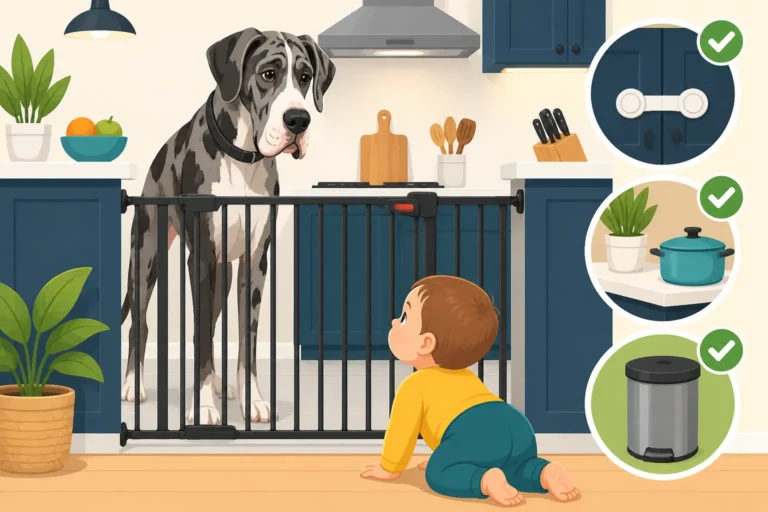
The sheer size of a Great Dane, even a gentle one, means that their movements carry significant force. While you might be accustomed to their clumsy affections, guests, particularly young children or elderly visitors, might not be. A Great Dane attempting to settle onto a lap, or even just lean against someone for affection, could easily knock them over. Imagine a toddler being body-slammed by a dog that outweighs them by tenfold – even if it's completely accidental, the consequences could be severe.
Teaching your Great Dane appropriate greeting manners is paramount, especially when they grow so large. This behavior ties directly into the need for boundaries. If they learn that any human lap is fair game, they won't differentiate between yours and a fragile visitor's. This is why addressing issues like Stopping a Great Dane Jumping Up on People is so critical for a giant breed. They simply don't understand their own immense power and size. Whether a Great Dane Understands Its Own Size is a fascinating question that directly impacts how we manage their interactions.
Reinforcing Undesirable Dominance or Demand Behavior
While "dominance" is often misused in dog training, allowing a dog to consistently take over your personal space without invitation can, in some cases, inadvertently reinforce demand behaviors. If your Great Dane learns that a nudge, a paw, or an outright climb onto your lap immediately grants them attention, cuddles, or even a treat, they will continue to escalate this behavior. This can lead to a dog who constantly demands attention, rather than politely waiting for an invitation.
It’s crucial to distinguish between a loving dog seeking affection and a dog who believes they dictate the terms of engagement. Setting clear boundaries about when and how physical affection is given helps establish a balanced relationship built on mutual respect. This doesn't mean you stop cuddling your Dane; it means you initiate the cuddles on your terms, in appropriate settings, rather than allowing them to impose themselves whenever they wish.
Gentle Strategies for Managing Your Great Dane's Lap-Sitting
Okay, so we love our big goofballs, but we also need our personal space (and unbroken bones!). The good news is that with consistency, patience, and positive reinforcement, you can gently guide your Great Dane toward more appropriate ways of showing affection without crushing you.
Establishing a "Place" or Designated Cuddle Spot
One of the most effective strategies is to teach your Great Dane a "place" command. This means having a specific, comfortable spot that is theirs – a large dog bed, a mat, or a designated blanket – where they can go to settle and relax. When they approach you for lap-sitting, gently redirect them to their "place." Reward them generously with praise, a favorite toy, or a high-value treat when they go to their spot and lie down.
This gives them an alternative, and more importantly, a reinforced behavior that meets their need for comfort and closeness without sacrificing your comfort. You can then invite them over for cuddles on the floor or next to you on the couch (if you have the space!) on your terms. Look for extra-large, supportive options. I've found some fantastic, durable Orthopedic Beds a Great Dane Needs on Amazon that can withstand the weight and provide excellent joint support. The key is to make their "place" even more appealing than your lap.
Consistent Boundaries and Clear Communication
Consistency is paramount when working with Great Danes. If sometimes lap-sitting is allowed (e.g., when you're alone and feeling indulgent) and sometimes it's not (e.g., when guests are over), your Dane will become confused. They operate on clear rules. Everyone in the household needs to be on the same page. If a Great Dane is not allowed on laps, then no one's lap is fair game.
When your Great Dane attempts to climb on you, calmly but firmly say "Off" or "No lap," and then immediately redirect them to their designated spot. Don't yell or punish, but don't give in either. As soon as they move to their spot, reward them. This clear, consistent communication helps them understand the new rules. Teaching them foundational cues like Teaching a Great Dane to Sit Before It Weighs Eighty Pounds from puppyhood makes managing these behaviors much easier down the line.
Utilizing Positive Reinforcement and Training Resources
Great Danes respond wonderfully to positive reinforcement. Rather than focusing on what you don't want them to do (lap-sitting), focus on what you do want them to do (settle in their bed, lie politely next to you, give a gentle nudge for attention). Always reward the desired behavior, even if it's just a small step in the right direction. Use high-value Treats a Great Dane Will Work For to make the training rewarding.
If you're struggling to implement these strategies, don't hesitate to seek professional help. Finding a trainer who is comfortable and experienced with giant breeds is invaluable. Online resources can also be a huge help. Programs like BAXTER & Bella offer comprehensive online training courses that guide you through building a strong foundation, which can be particularly useful for giant breed owners. They can provide structured lesson plans and support to help you teach your Great Dane self-control and good manners. Investing in What a Great Dane Puppy Course Runs early can save a lot of headaches later, especially with such a powerful dog. Even if your Great Dane isn't a puppy, it's never too late to refine manners; there are excellent resources to help with Finding a Trainer Comfortable With a Great Dane.
Understanding and Managing Attention-Seeking Behavior
Sometimes the lap-sitting is less about comfort and more about demanding your undivided attention. If your Great Dane is trying to get on your lap, first ensure they’ve had enough physical and mental exercise. A bored Dane is often a creative Dane when it comes to attention-seeking! If their needs are met, and they're still trying to demand attention, try ignoring the undesirable behavior (as long as it's safe) and rewarding them when they calmly settle nearby or offer a more polite form of interaction, like simply resting their head on your foot. By Teaching a Great Dane a Place to Settle, you give them an acceptable way to be near you without being on you.
When Leaning or Sitting Can Signal More Than Affection
Most of the time, a Great Dane attempting to sit on your lap is a sign of deep affection and a desire for closeness. However, in some instances, this behavior, or a sudden change in it, might be indicative of something deeper than just a misplaced cuddle. It's always wise to pay attention to your dog's overall demeanor and any shifts in their usual patterns.
Anxiety or Insecurity
While some Great Danes are naturally bold, many possess a sensitive side. An increased desire to be "on" you, especially when combined with other signs like excessive panting, pacing, drooling, lip-licking, or a tucked tail, could signal anxiety or insecurity. Perhaps there's a new noise outside, a change in household routine, or a new person or pet in the home that's making them feel uneasy. Your lap then becomes their safe haven, their anchor in a confusing world.
If you suspect anxiety, observe when the behavior occurs. Is it during thunderstorms? When guests arrive? When you're preparing to leave the house? Identifying the triggers can help you address the underlying fear or stress. Providing a secure den or crate, offering calming supplements (after consulting with your vet), or engaging in counter-conditioning exercises can help build their confidence. For some dogs, this leaning or physical proximity is a direct request for reassurance.
Medical Reasons and Discomfort
Any sudden, uncharacteristic change in behavior in a Great Dane warrants a veterinary check-up, and that includes an abrupt increase in lap-sitting or leaning. A dog in pain or discomfort might seek closer physical contact with their owner as a way to find comfort or signal that something is wrong. They can't tell you in words that their hip aches or their stomach feels off, but they might communicate it by pressing against you more, seeking out your warmth, or wanting to be held more frequently.
Especially as Great Danes age, joint pain from conditions like arthritis can become a real concern. If your usually independent Dane suddenly becomes clingy and tries to sit on you more, or seems restless and unable to get comfortable, a vet visit is in order. They can rule out issues like Bone Cancer in a Great Dane or joint pain, ensuring your gentle giant isn't suffering in silence. It's always better to be safe than sorry when it comes to your dog's health.
Over-Excitement or Lack of Impulse Control
For younger, adolescent Great Danes, attempting to sit on your lap might simply be a manifestation of their overwhelming excitement and a lack of impulse control. They're still learning how to regulate their emotions and interact politely. A sudden burst of joy upon your arrival home, or an eagerness to play, might translate into a clumsy attempt to "join" you wherever you are, including your lap.
This points back to the importance of consistent training from a young age. Teaching impulse control through games and commands like "stay," "wait," and "settle" can help them manage their enthusiasm in a more appropriate manner. It's a journey, not a destination, to guide them through adolescence. Remember, Why Waiting Until a Great Dane Is Grown Is Too Late applies here – training them to be mindful of their body in relation to yours is best done early and often. They might be huge, but they're still learning.
| Reason for Lap-Sitting | Owner's Common Interpretation | Potential Underlying Cause | Recommended Action |
|---|---|---|---|
| Pure Affection/Bonding | "He just loves me so much!" | Deep social connection, comfort-seeking | Redirection to designated bed, mutual cuddles on floor/couch |
| Seeking Security/Comfort | "He needs to be close." | Mild anxiety, feeling uneasy, seeking reassurance | Provide safe "place," identify triggers, offer calm presence |
| Learned Behavior | "He always did it as a puppy." | Consistent past positive reinforcement | Implement consistent boundaries, "Off" command, reward alternatives |
| Pain or Discomfort | "He's extra clingy today." | Arthritis, injury, illness, general malaise | Veterinary check-up, evaluate pain management if needed |
| Over-Excitement/Impolite | "He's just being a goofball." | Lack of impulse control, insufficient training | Reinforce basic obedience, teach "place," increase mental/physical exercise |
Disclaimer
This article is for general informational purposes only and does not constitute professional advice. Laws, prices and regulations vary by location and change over time. Consult a qualified professional for guidance on your specific situation.