Retraining a Great Dane From Rescue
Bringing a Great Dane into your home from a rescue organization is such a heartwarming act, but let's be real, it often comes with a unique set of challenges. Unlike a puppy you've raised from eight weeks, a rescue Dane carries a past, and that past can manifest in behaviors that leave you scratching your head, wondering where to even begin. This guide is all about navigating those waters, understanding why your gentle giant might be acting out, and giving you practical, empathetic strategies to help them adjust and thrive in their forever home.
Understanding the Rescue Great Dane's Past
When you open your heart and home to a rescue Great Dane, you're embracing a dog with a story, even if you don't know all the chapters. It's crucial to approach their quirks and behaviors with empathy, recognizing that their reactions are often rooted in previous experiences, or lack thereof.
The Unknown History and Its Impact
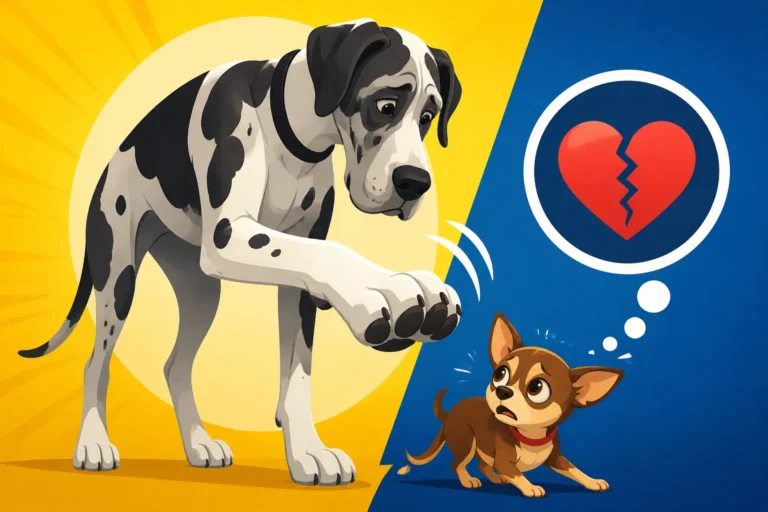
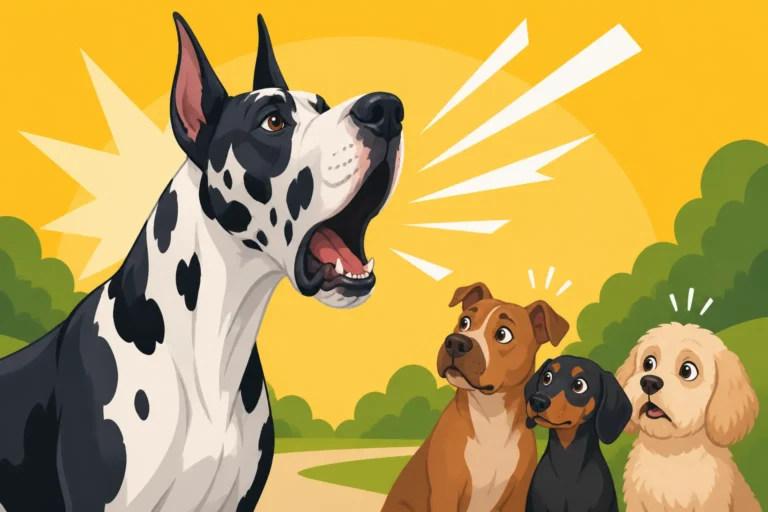
One of the hardest things about adopting a rescue is the often-unknown history. Was your Dane a beloved family member who suddenly found themselves homeless due to circumstances beyond their control? Or did they come from a neglectful situation, perhaps spending too much time alone or without proper socialization? The truth is, we often don't know the full picture, and that uncertainty can make interpreting their behavior tricky. A Great Dane who was always kenneled might struggle with house training, even if they're an adult. One who was constantly scolded might be fearful of sudden movements or loud noises. They might not have been properly socialized as a puppy, leading to issues with A Great Dane That Backs Away From Strangers or A Great Dane That Lunges at Other Dogs. Their past could have left them with anxieties, fears, or ingrained habits that aren't suitable for their new life with you. This isn't about blaming them; it's about acknowledging that their responses are often a survival mechanism they developed long before they met you.
Common Behavioral Challenges in Rescue Danes
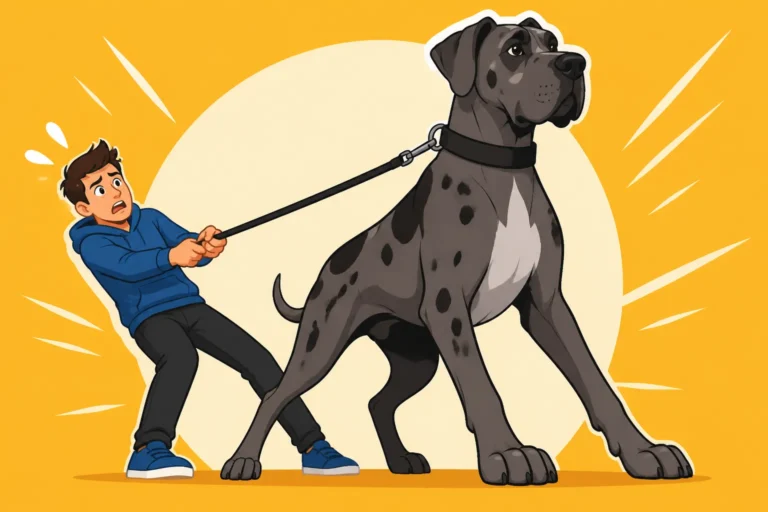
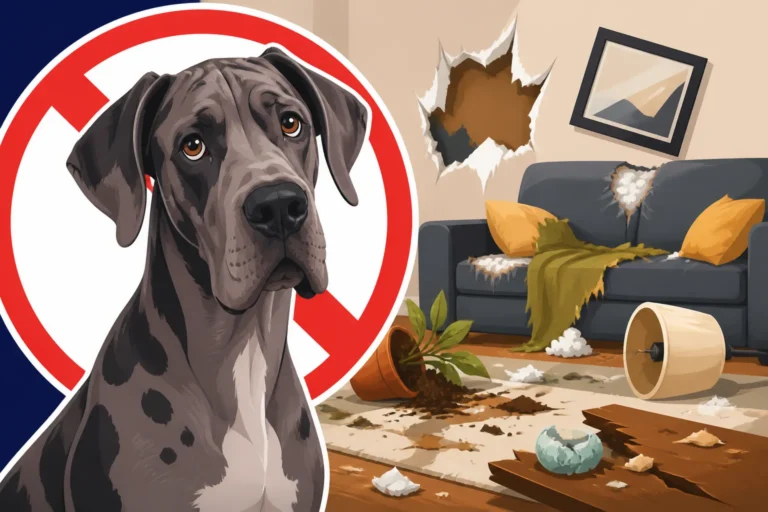
Rescue Great Danes, particularly due to their size and the potential for previous inadequate training or care, can present with a range of behavioral issues. One common struggle is A Great Dane That Panics When Left, also known as separation anxiety. This can manifest as destructive chewing, howling, or attempts to escape when you leave, often stemming from a feeling of abandonment or instability in their previous home. Leash reactivity or pulling is another frequent issue; a large Dane that was never taught Getting a Great Dane to Walk on a Loose Leash can make walks a real struggle, especially if they weren't exposed to different environments or other dogs positively. You might also encounter resource guarding, where they protect food, toys, or even their favorite sleeping spot, which can be a legacy of scarcity. Some Danes might not be reliably house-trained, or they might have accidents when stressed. Others might be overly boisterous, jumping on people or counter surfing, simply because no one ever taught them Stopping a Great Dane Jumping Up on People or A Great Dane That Takes Dinner Off the Table. It's a lot to take in, but remember, these aren't character flaws; they're learned behaviors or anxiety responses that can be retrained with patience and the right approach.
Setting the Stage for Success: The First Weeks
The first few weeks with your rescue Great Dane are crucial for building trust and laying the groundwork for positive behavior. Think of this as their "decompression" period. They're processing a lot of changes, new smells, new people, and new routines. Rushing things will only add to their stress.
Establishing a Predictable Routine
Dogs, especially Great Danes who thrive on consistency, find immense comfort in predictability. A solid routine helps them understand what to expect and when, reducing anxiety about the unknown. From the moment they wake up to their bedtime, try to keep mealtimes, potty breaks, walks, and playtime consistent. For instance, if you feed them at 7 AM and 5 PM, stick to those times every day. This consistency is vital for addressing issues like house training, but it also helps them feel secure in their new environment. Knowing that breakfast will appear at a certain time, or that a walk is coming after a nap, can greatly reduce their stress levels. A rescue Dane might have never had this kind of stability before, so you're not just offering food and shelter; you're offering the gift of a predictable, safe world. Consider using a consistent phrase or action before each routine event, like "potty time!" before heading outside, so they start associating the cue with the activity.
Creating a Safe and Secure Space
Your Great Dane needs a sanctuary, a place where they can retreat and feel safe from overwhelming stimuli. For many Danes, this means a crate. Despite their enormous size, a properly sized crate can be a wonderful den, offering comfort and security. Make sure it's large enough for them to stand up, turn around, and lie down comfortably. You can find robust crates on platforms like Amazon that are designed to handle the size and strength of a Great Dane. Choosing a Crate a Great Dane Can Stand In is important for their comfort and willingness to use it. Fill it with soft, comfortable bedding, like a thick orthopedic bed to protect their joints, and perhaps a favorite toy or a blanket that smells like you. This space should be off-limits to children and other pets when the Dane is inside, ensuring it remains their undisputed refuge. Introducing the crate positively, with treats and praise, can turn it into a comforting haven rather than a place of punishment. Even if you don't intend to crate them long-term, it's an invaluable tool during the initial adjustment phase, especially for managing Building Up a Great Dane's Alone Time or preventing destructive behaviors when you can't directly supervise.
Gentle Retraining Techniques for Specific Behaviors
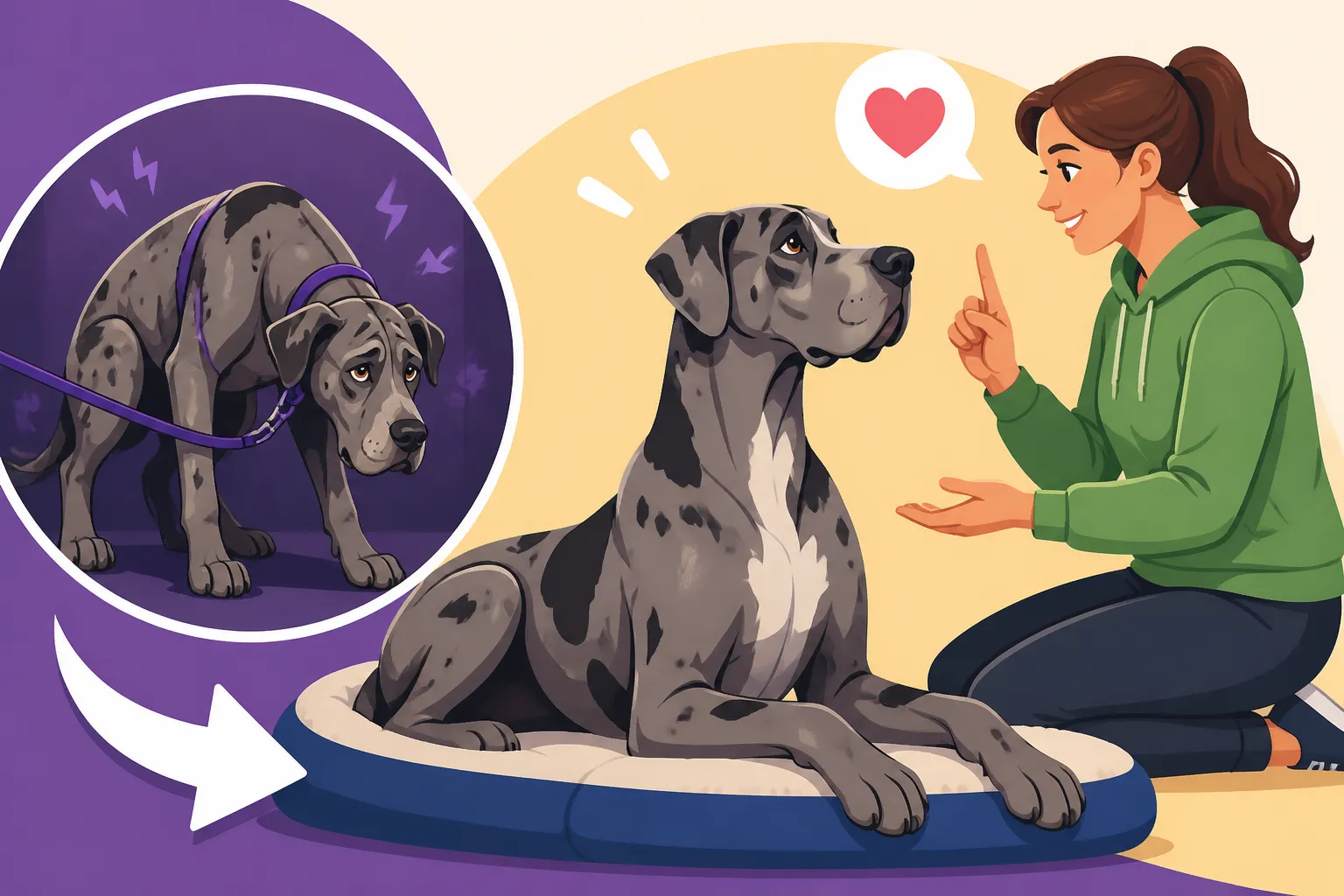
Retraining a Great Dane, especially one from rescue, requires patience, consistency, and a positive reinforcement approach. Harsh methods will only erode trust and can exacerbate fear-based behaviors. We want to build confidence, not fear.
Addressing House Training Setbacks
It's common for rescue Danes, even adults, to have house training regressions. This isn't usually spite; it's often due to stress, a change in routine, or simply never having been properly trained in their previous home. The key is to go back to basics, treating them like a puppy. Take them out frequently – first thing in the morning, after every meal, after naps, before bed, and several times in between. Use a consistent phrase like "go potty" and reward them generously with high-value treats and praise the instant they eliminate outside. Avoid punishment for accidents indoors. If you catch them in the act, calmly interrupt them (a clap, not a yell), immediately take them outside, and reward them if they finish there. Clean up accidents thoroughly with an enzymatic cleaner to eliminate odors that might encourage them to go in the same spot again. A Great Dane That Starts Having Accidents Again can also be a sign of a medical issue, so if setbacks persist despite a solid routine, a vet visit is always a good idea to rule out underlying health problems. Consistency is your best friend here, and sometimes, setting a timer to take them out every hour or two can be incredibly effective initially.
Tackling Leash Pulling and Reactivity
Walking a large Great Dane that pulls can be dangerous, not just for you but for their neck and joints. For a rescue Dane with leash manners issues, specialized equipment can make a huge difference. A front-clip harness, like those readily available on Amazon, can redirect their pulling power back towards you, making them easier to manage without putting pressure on their throat. Avoid choke chains or prong collars, as these can cause physical harm and damage trust. Start with short, positive training sessions in a low-distraction environment. When they pull, stop walking immediately. Only resume when the leash slackens. This teaches them that pulling gets them nowhere. For reactivity towards other dogs or people, the goal is to change their emotional response from fear or excitement to neutrality. This is often called "desensitization and counter-conditioning." If your Dane reacts to another dog, get their attention before they react, and reward them with treats. The moment they see another dog (at a distance where they don't react), treat them. The idea is that "other dog = treats," changing their association. Online training resources, such as those offered by BAXTER & Bella, can provide structured lessons and expert guidance on managing leash reactivity, which is a common and challenging issue for many rescue dogs. It’s a slow process that requires immense patience and keen observation of your dog’s thresholds. A Great Dane That Pulls You Off Your Feet is a serious concern that requires consistent, positive training to prevent injury.
Managing Counter Surfing and Resource Guarding
A Great Dane's height makes counter surfing an almost inevitable temptation. They can effortlessly reach a kitchen island and practically anything else. Prevention is key here. Keep counters clear of anything edible or interesting, especially when you're not supervising. Teach a strong "leave it" command. Practice this by placing a low-value treat on the floor and covering it with your hand. When they look away from the treat, mark and reward. Gradually increase the distraction and duration. For resource guarding, where a Dane might growl or snap if you approach their food bowl or a coveted toy, a delicate approach is vital. Never punish guarding, as this can escalate the behavior. Instead, teach them that your approach means good things. Start by tossing high-value treats near their food bowl while they're eating, and slowly work closer over time. The goal is to make your presence a positive predictor of something even better, reducing their need to guard. For toys, you can teach a "trade" command: offer a more desirable toy or treat in exchange for the guarded item, then return the original item. If resource guarding is severe, especially if it involves aggression, consulting with a certified professional dog trainer or veterinary behaviorist is highly recommended for safety and effective management.
Building Confidence and Trust
Many rescue Great Danes arrive lacking confidence. Their world has been turned upside down, and they might be unsure of their place, their safety, or your intentions. Building their confidence is foundational to successful retraining and a happy life together.
Positive Reinforcement and Patience
Positive reinforcement is the cornerstone of building trust and confidence in a rescue Great Dane. This means rewarding desired behaviors with treats, praise, or toys. When they do something right – sit when asked, come when called, or even just calmly settle on their bed – celebrate it! This makes them more likely to repeat the behavior because they associate it with a positive outcome. Avoid punishment, yelling, or harsh corrections, as these can be terrifying for a sensitive Dane and can damage the bond you're trying to build. Remember that A Great Dane That Shuts Down When Scolded will likely retreat rather than learn. Patience is not just a virtue; it's a necessity when working with a rescue. Some behaviors may take weeks or months to change, and there will be setbacks. Don't get discouraged. Every small victory, every moment of calm, is progress. Your consistent, calm, and positive responses will teach them that you are a reliable source of good things and safety. Whether a Clicker Works on a Great Dane is often a yes, as it marks the exact moment of desired behavior, making training even clearer.
Socialization and Exposure
For a rescue Great Dane, controlled and positive socialization is crucial. This doesn't necessarily mean dog parks, especially if they have any reactivity or fear. Instead, focus on gradual, positive exposure to new sights, sounds, people, and appropriate dogs. Think about short, calm walks in different neighborhoods where they can observe the world without being overwhelmed. Slowly introduce them to trusted, calm dogs one-on-one, observing their body language carefully. A key aspect of this is teaching them that new experiences can be safe and even enjoyable. Reward them for calm curiosity, for choosing to observe rather than react. For a Great Dane who might be fearful of strangers, setting up controlled "meet-and-greets" with calm, dog-savvy friends can be helpful. Have your friend toss treats from a distance, gradually getting closer as your Dane shows comfort. Remember, Getting a Great Dane Puppy Used to Handling applies to adult rescues too; handling their paws, ears, and mouth gently from an early stage builds comfort for vet visits and grooming. If your Dane exhibits fear or aggression, always prioritize safety and consider consulting with a professional trainer to guide these interactions carefully. The goal is to expand their comfort zone, not force them into situations that create more stress.
| Behavior Challenge | Common Root Cause | Initial Retraining Approach | Essential Tools/Tips |
|---|---|---|---|
| House Training Accidents | Stress, inconsistent past, medical issue | Establish a strict, predictable potty schedule (every 1-2 hours initially), reward outside eliminations, clean accidents thoroughly with enzymatic cleaner. Rule out medical issues with a vet visit. | Crate (properly sized), high-value treats, enzymatic cleaner. |
| Leash Pulling | Lack of training, excitement, desire to explore | Use a front-clip harness. Stop walking the instant they pull, resume when leash is slack. Practice "heel" in low-distraction areas. Consistent positive reinforcement. | Front-clip harness (Leashes Rated for a Great Dane are crucial), high-value treats. |
| Counter Surfing | Opportunism, curiosity, past habit | Keep counters clear, teach a strong "leave it" command, redirect with appropriate toys. Supervise closely or block access. | Management (clear counters, baby gates if needed), puzzle toys for mental stimulation, high-value treats for "leave it." |
| Separation Anxiety | Abandonment issues, lack of alone time training | Gradually increase alone time, starting with minutes. Provide mentally stimulating toys before leaving. Avoid dramatic departures/returns. Consider professional guidance for severe cases. | Kongs or other puzzle feeders, comfortable crate or safe space, background noise (radio/TV). Online courses, such as those from BAXTER & Bella, often have modules on this. |
| Resource Guarding | Past scarcity, insecurity | Never punish. Approach and toss high-value treats from a distance, slowly decreasing distance over time. Teach a "trade" command for toys. Consult a professional for severe cases. | High-value treats, different appealing toys for trading. |
| Fear/Reactivity to Strangers/Dogs | Lack of positive socialization, negative past experiences | Controlled, positive exposure at a safe distance. Desensitization and counter-conditioning. Reward calm behavior when new stimuli are present. Build confidence through positive experiences. | High-value treats, a trusted friend (for stranger interactions), a calm, leashed dog (for dog interactions, initially at a distance). |
Retraining a Great Dane from rescue is a marathon, not a sprint. Celebrate the small victories, be consistent, and always lead with kindness and understanding. Your rescue Dane has so much love to give, and with your help, they can truly blossom into the confident, cherished companion they were always meant to be.
Disclaimer
This article is for general informational purposes only and does not constitute professional advice. Laws, prices and regulations vary by location and change over time. Consult a qualified professional for guidance on your specific situation.