Protein and Fat Levels for a Great Dane
It's a common dilemma for Great Dane owners, isn't it? You stare at those massive bags of dog food, countless brands and formulas, and wonder if what you're picking is truly right for your gentle giant. The truth is, Great Danes have incredibly specific nutritional requirements, particularly when it comes to protein and fat, and getting it wrong can have serious health consequences. This guide is here to demystify those daunting labels and help you understand the optimal protein and fat levels to keep your Great Dane thriving at every stage of their magnificent life.
Understanding Your Great Dane's Unique Nutritional Needs
When you bring a Great Dane into your home, you're not just getting a big dog; you're adopting a breed with an accelerated growth rate and a unique physiology that demands a specialized diet. They aren't like other dogs, and treating their nutritional needs the same as a Labrador or a Chihuahua can inadvertently lead to significant health problems.
Why "Standard" Dog Food Isn't Enough for Giants
Many commercial dog foods are formulated for "all life stages" or "large breeds," but even within the large breed category, Great Danes stand alone. Their growth from a tiny puppy to an immense adult happens at an astonishing pace. This rapid development puts immense strain on their bones, joints, and organs. A diet that's too rich in certain nutrients, or imbalanced in others, can throw their delicate growth plates and skeletal structure out of whack. For instance, too much calcium in puppyhood can contribute to orthopedic issues, something standard puppy foods often have in abundance. It’s not about feeding more food; it’s about feeding the right food, designed to support their unique journey. This is why understanding Why a Great Dane Puppy Should Grow Slowly is so crucial.
Think about it this way: you wouldn't feed a toddler an adult bodybuilder's diet, right? The nutritional demands are completely different. Similarly, a Great Dane puppy isn't just a mini adult; it's a rapidly developing organism with specific requirements to ensure healthy bone and muscle formation without encouraging problematic fast growth. Many owners initially stumble by feeding regular puppy food, which is often far too calorie-dense and rich for a Dane's particular needs, potentially leading to issues like hypertrophic osteodystrophy (HOD) or other painful developmental orthopedic diseases.
The Critical Balance of Growth vs. Health
The overarching goal of a Great Dane's diet, especially during their first 18-24 months, is slow and steady growth. This might sound counterintuitive for a dog destined to become so massive, but it's paramount for preventing common orthopedic issues. We're talking about conditions like hip and elbow dysplasia, which can be exacerbated by too-rapid growth, as well as the aforementioned HOD. The balance lies in providing sufficient high-quality protein for muscle development and appropriate fat for energy, without over-delivering calories or specific minerals that can trigger problems.
It’s a tightrope walk between providing enough fuel for their substantial energy demands and not overdoing it, which can stress their skeletal system. This careful balance impacts everything from their joint health to their overall lifespan. Owners often worry about Whether an Underfed Great Dane Puppy Catches Up, but the greater concern is often overfeeding or feeding the wrong kind of food, leading to disproportionate growth that their still-developing bodies simply aren't equipped to handle. A leaner puppy is generally a healthier puppy.
Decoding Protein for Your Great Dane
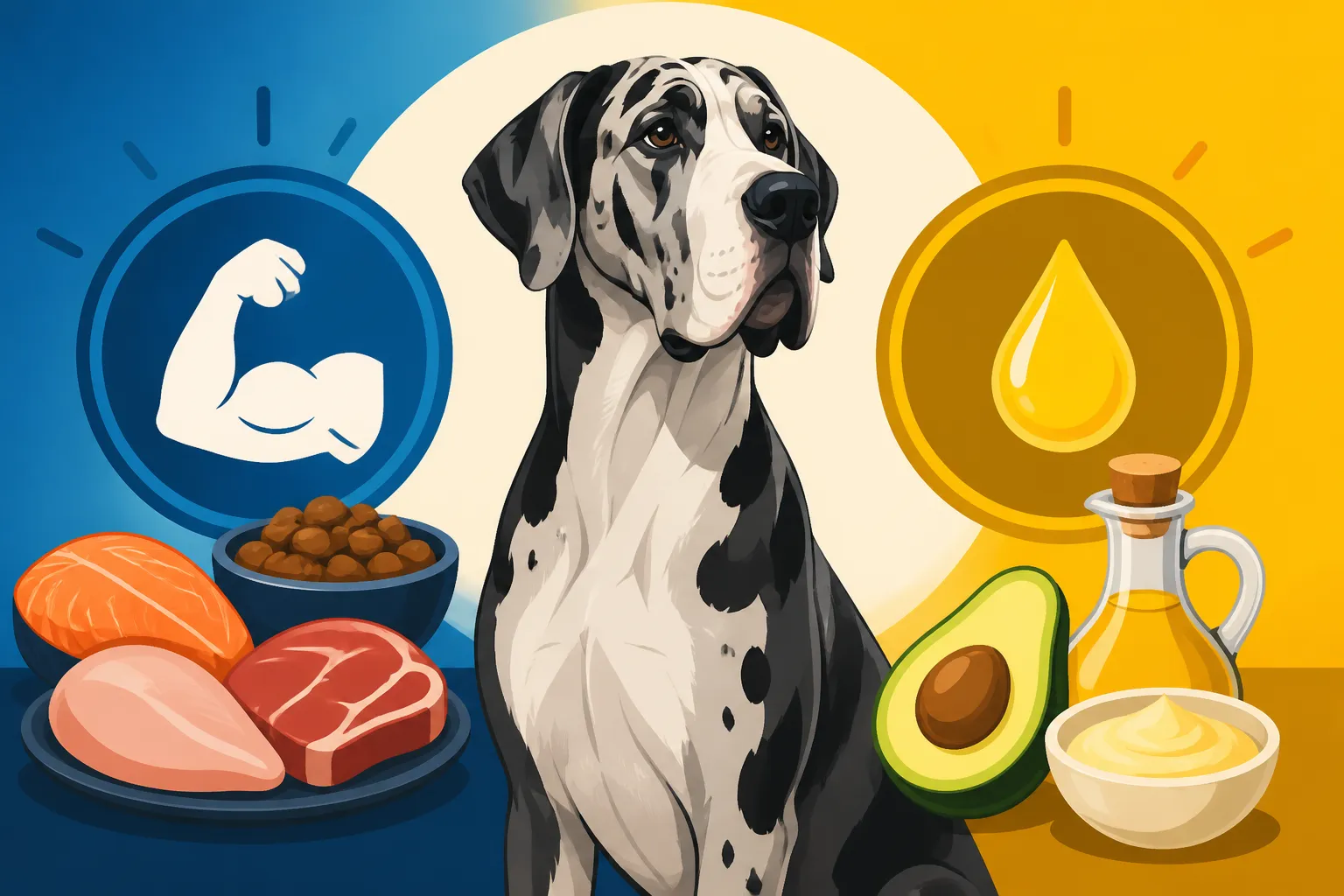
Protein is the building block of life, essential for muscle, skin, hair, and every bodily function in your Great Dane. But like all things in Great Dane nutrition, it's about quality and appropriate quantity, not just sheer bulk.
How Much Protein is Just Right for a Growing Dane?
For Great Dane puppies, especially during those critical first 18-24 months, you're generally looking for a protein content in the range of 23-26% on a dry matter basis. This isn't "high protein" in the way some performance dog foods are, and that's precisely the point. While protein is crucial, excessive amounts can contribute to rapid growth that outpaces skeletal development, leading to stress on their joints and bones. The key is moderate, high-quality protein.
For adult Great Danes, the protein percentage can often be similar, perhaps ranging from 22-28%, depending on their activity level and individual metabolism. An active adult Dane might thrive on the higher end of that spectrum, while a more sedate senior dog might do well on the lower end to protect kidney function, though this should always be discussed with your vet. The crucial factor is the source of the protein, which we'll discuss next. Remember that a specific percentage on the bag is just a starting point; the overall digestibility and nutrient profile are what truly matter.
Sources of Quality Protein and What to Look For
Not all protein is created equal. When selecting food for your Great Dane, look for named meat meals as the first ingredients. This means things like "chicken meal," "lamb meal," "beef meal," or "fish meal." These are concentrated forms of protein, meaning a lot of the water has been removed, providing a potent nutritional punch. Avoid generic terms like "meat meal" or "animal by-products" as these can be inconsistent in quality and digestibility.
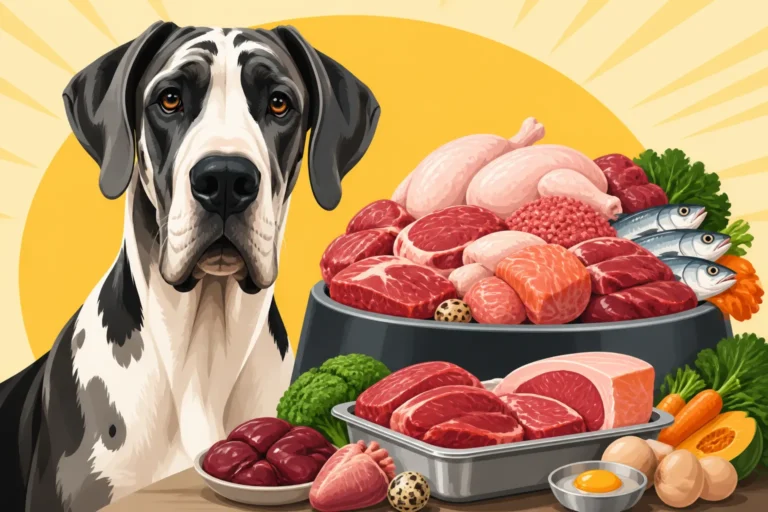
Whole, deboned meats like chicken, beef, or salmon are also excellent protein sources, but remember that their stated percentage on the label includes water content, so they contribute less dry matter protein than a meal ingredient might appear to. Many owners find success with premium brands available from retailers like Chewy or specific formulas from companies such as Ollie that focus on high-quality, recognizable ingredients. Beyond traditional kibble, some owners explore options like fresh or raw feeding, which can offer highly digestible protein but require careful balancing to ensure complete nutrition, especially for a rapidly growing giant breed.
The Risks of Too Much or Too Little Protein
Feeding too much protein to a Great Dane, particularly a growing puppy, can be problematic. While protein itself doesn't directly cause orthopedic disease, it contributes to overall caloric density. High calorie intake promotes rapid growth, and rapid growth in a Great Dane is a major risk factor for developmental bone and joint problems. It can also put extra strain on their kidneys over time. A puppy that grows too quickly often carries too much weight on its developing frame, leading to stress fractures and other issues that could have been avoided by controlling caloric intake and thus, growth speed. This is why careful monitoring of their Great Dane Hips, Elbows and Growing Joints is paramount.
Conversely, too little protein will obviously hinder muscle development and overall health. A Great Dane with insufficient protein might appear thin, have a dull coat, lack energy, and struggle to maintain muscle mass. This is less common with commercial dog foods, but can occur if an owner attempts to formulate a homemade diet without professional guidance or feeds a low-quality, filler-heavy food. A balanced diet ensures proper amino acid intake, which is vital for every cell in your Dane's body to function optimally.
Fat: Fuel and Essential Nutrients for Great Danes
Fat often gets a bad rap, but for your Great Dane, it's a critical component of their diet. It's a concentrated source of energy, helps absorb fat-soluble vitamins, and provides essential fatty acids crucial for skin, coat, and cognitive health.
Optimal Fat Levels for Different Life Stages
For Great Dane puppies, a fat percentage around 12-16% on a dry matter basis is generally recommended. Similar to protein, the goal is not to over-fuel rapid growth. This moderate fat level provides enough energy for their puppy antics and developmental needs without pushing them into unhealthy weight gain or excessive growth. Again, look for foods specifically formulated for large or giant breed puppies, which tend to have these balanced ratios.
Adult Great Danes, depending on their activity level, might do well with fat content ranging from 12-18%. A highly active Dane that enjoys long walks or even participates in dog sports will naturally burn more calories and may benefit from a diet on the higher end of the fat spectrum. On the other hand, a more sedentary or older Dane might need a slightly lower fat percentage to prevent unwanted weight gain, which can exacerbate joint problems. The fat content is directly tied to the overall calorie load, so careful measurement of meals is always key.
Healthy Fat Sources and Their Benefits
When you're looking at food labels, you want to see healthy, identifiable fat sources. These include chicken fat, beef fat, fish oil (like salmon oil or sardine oil), flaxseed, and sunflower oil. Fish oils are particularly beneficial because they are rich in Omega-3 fatty acids (EPA and DHA), which are fantastic for anti-inflammatory support, cognitive function, and maintaining a healthy skin and coat. These essential fatty acids can make a visible difference in the sheen of your Dane's coat and may even support their joint health as they age.
Some dog foods will also include other beneficial oils such as coconut oil or specific blends designed to provide a comprehensive fatty acid profile. The quality of these fats is paramount, as rancid fats not only taste bad but can be detrimental to your dog's health. Always check the "best by" date on your dog food, store it properly in a cool, dry place, and consider purchasing in smaller bags if your Dane isn't eating through them quickly, especially if you get your food from a bulk retailer like Amazon or Chewy.
Avoiding the Pitfalls of Excessive Fat
Just as with protein, too much fat can lead to problems. The most immediate concern is weight gain. An overweight Great Dane is at a significantly higher risk for joint issues, heart problems, and a shortened lifespan. Every extra pound puts undue stress on their already hardworking joints and ligaments. Beyond obesity, very high-fat diets can sometimes trigger pancreatitis in susceptible dogs, a painful and serious inflammation of the pancreas.
It's also worth noting that if you're feeding a food that's extremely high in fat, it might mean it's lower in other essential nutrients. While fat is energy-dense, a balanced diet ensures your Dane is getting a full spectrum of vitamins, minerals, and other macronutrients. Always aim for balance and moderation. Regularly assess your Dane's body condition, looking for a subtle tuck in their waist and easily palpable ribs, as detailed in Reading Ribs on a Great Dane. If you can't feel their ribs without pressing hard, they might be carrying too much weight, and their fat intake (and overall calories) might need adjustment.
Carbohydrates and Other Essential Nutrients
While protein and fat often take center stage, carbohydrates, vitamins, and minerals play equally vital supporting roles in your Great Dane's overall health and well-being. They're part of the holistic picture that keeps your gentle giant strong from nose to tail.
The Role of Carbs in a Dane's Diet
Carbohydrates are a primary energy source for dogs, providing readily available fuel for their daily activities and metabolic processes. For Great Danes, moderate levels of digestible carbohydrates are important. Good sources include whole grains like brown rice, oats, barley, and quinoa, as well as vegetables such as sweet potatoes, peas, and pumpkin. These complex carbohydrates offer sustained energy release and also provide dietary fiber, which is crucial for healthy digestion and gut motility.
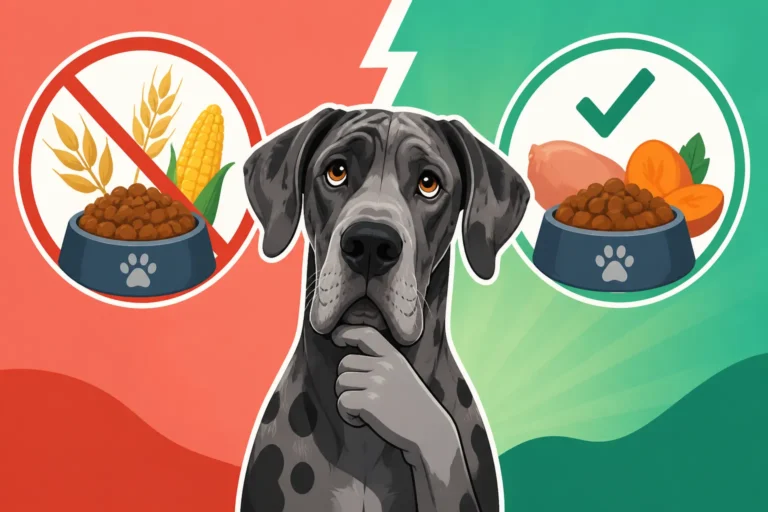
Fiber, in particular, helps regulate bowel movements and can contribute to a feeling of fullness, which can be helpful for managing weight. Avoid foods heavy in "empty" carbohydrates like corn fillers or excessive white potatoes, which offer little nutritional value beyond calories. The right carbohydrates ensure your Dane has the stamina for a good walk or a play session without the sudden energy spikes and crashes that highly processed, sugary carbs can cause.
Vitamins, Minerals, and Supplements (with Caution)
A complete and balanced commercial dog food, formulated for large or giant breeds, should provide all the necessary vitamins and minerals your Great Dane needs. These micronutrients are vital for bone health, immune function, nerve transmission, and countless other physiological processes. Calcium and phosphorus, for example, are essential for bone development, but their ratio and absolute amounts are critical for Great Dane puppies to prevent orthopedic issues. A specific large breed puppy food will have a carefully controlled calcium content and a calcium-to-phosphorus ratio. For more on this, check out Calcium and Phosphorus in a Great Dane Puppy Bowl.
Supplementation should always be approached with extreme caution and only under the guidance of a veterinarian. Adding extra vitamins or minerals to a diet that's already nutritionally complete can actually be harmful, leading to nutrient imbalances or even toxicities. For instance, giving a growing Great Dane puppy extra calcium can be disastrous for their bone development. While joint supplements like glucosamine and chondroitin can be beneficial for older Danes or those with specific joint issues, they should also be introduced after consulting with your vet, especially considering the large doses a Great Dane requires. Whether Joint Supplements Reach a Great Dane's Dose is a very real concern for such big dogs.
Tailoring the Diet: Life Stages and Activity Levels
A Great Dane's nutritional needs aren't static; they evolve as your dog grows from a clumsy puppy to a majestic adult and eventually into a dignified senior. Adapting their diet is crucial for supporting their health through each phase.
Puppyhood: Slow and Steady Wins the Race
The first 18-24 months are the most critical period for a Great Dane's nutritional development. As we've emphasized, the goal here is controlled growth, not rapid bulk. You'll want to feed a high-quality, large or giant breed puppy formula that specifically addresses these needs. These foods are typically formulated with:
- Moderate protein levels: Around 23-26%
- Moderate fat levels: Around 12-16%
- Controlled calcium and phosphorus: To support proper bone development without encouraging overgrowth.
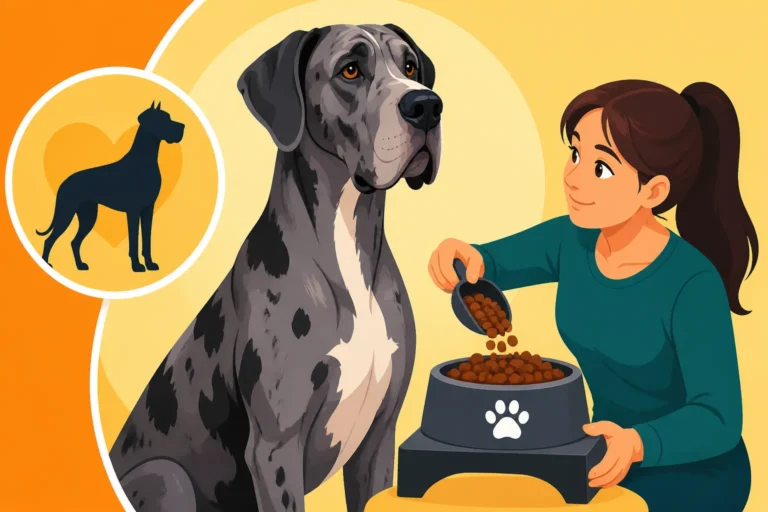
This type of formulation helps to slow down the growth rate, allowing their bones and joints to mature properly and become strong enough to support their eventual immense size. Overfeeding a puppy, even with the right food, can lead to problems, so careful portion control is essential. Regularly check What a Great Dane Puppy Should Weigh at Four Months to ensure they're on a healthy growth trajectory. It's often recommended to feed multiple small meals throughout the day to a growing puppy, usually 3-4 meals daily, to aid digestion and prevent stomach overload, which can contribute to issues like bloat later in life.
Adult Danes: Maintaining a Healthy Lean Body
Once your Great Dane reaches maturity, typically around 18-24 months, their growth plates have closed, and their energy needs shift. At this stage, the focus is on maintenance: keeping them at a healthy weight, supporting muscle mass, and providing the energy for their daily activities. The protein and fat levels can vary more here, depending on individual metabolism and activity.
An adult Great Dane, especially one that is active, might need a protein percentage in the 22-28% range and a fat percentage of 12-18%. The ideal body condition is lean, where you can easily feel their ribs but not see them prominently, and they have a distinct waist tuck. Overweight adult Danes are much more prone to joint issues like arthritis and have a higher risk of developing The Heart Muscle Disease Great Danes Are Prone To. It's not uncommon for an adult Great Dane to eat Six to Ten Cups of food a day, but this is a guideline, not a hard rule. Their specific caloric needs can change with the seasons, activity levels, and age, so adjust portions accordingly.
Senior Danes: Adjusting for Age-Related Changes
As Great Danes approach their senior years, typically around 5-6 years old (which is considered senior for this breed), their metabolism slows down, and their activity levels often decrease. This means their caloric needs will likely reduce, making it important to transition them to a senior-specific formula or simply reduce their portion sizes to prevent weight gain. Many senior formulas are designed with lower calorie counts but increased joint support ingredients.
Protein remains essential for maintaining muscle mass in senior Danes, as muscle wasting can occur with age. So, while fat and overall calories might decrease, maintaining an appropriate protein level (often similar to or slightly higher than adult levels, depending on kidney health) is important. You might also look for foods with added Omega-3 fatty acids and natural anti-inflammatories to support their aging joints. Consulting with your veterinarian about their specific needs, especially if they have any underlying health conditions, is paramount when Feeding and Grooming an Old Great Dane.
Putting It All Together: Choosing and Monitoring Food
Navigating the world of dog food can feel overwhelming, but with a clear understanding of your Great Dane's needs for protein and fat, you're already ahead of the game.
Navigating Commercial Dog Food Options
When standing in the pet food aisle (or browsing online at a retailer like Chewy or Amazon), here's what to look for:
- "Large Breed Puppy" or "Giant Breed Puppy" formulas: For puppies, this is non-negotiable. These formulas are specifically designed with appropriate protein, fat, and calcium levels to promote slow, healthy growth.
- Named meat meals as primary ingredients: Look for "chicken meal," "lamb meal," "salmon meal," etc., at the top of the ingredient list.
- Guaranteed Analysis: Check the protein and fat percentages against the recommended ranges discussed above (23-26% protein, 12-16% fat for puppies; 22-28% protein, 12-18% fat for adults, with variations based on activity).
- Digestible carbohydrate sources: Whole grains or vegetables like sweet potatoes are good.
- Healthy fat sources: Fish oil, flaxseed, chicken fat, etc.
- Avoid generic terms: Steer clear of "meat by-products" or "animal fat" without specific identification.
Don't be swayed by marketing jargon like "grain-free" without understanding why you're choosing it. While some dogs have sensitivities, for many Great Danes, well-chosen grains are a perfectly healthy part of their diet. Whether Grain-Free Kibble Belongs in a Dane Bowl is a nuanced discussion with potential links to heart health that you should explore with your vet.
Monitoring Your Dane's Condition
Choosing the right food is only half the battle; ongoing monitoring is crucial. Your Great Dane's body condition is the best indicator of whether their diet is appropriate.
- Rib Check: You should be able to easily feel your Great Dane's ribs without pressing hard, but they shouldn't be visible.
- Waistline: When viewed from above, your Dane should have a discernible waist. From the side, their abdomen should tuck up slightly behind the rib cage.
- Energy Levels: A well-fed Dane should have consistent energy for their age and activity level, neither overly hyper nor lethargic.
- Coat Condition: A healthy coat is shiny and smooth, not dull or flaky.
- Stool Quality: Firm, well-formed stools are a good sign of proper digestion. Loose stools or excessive volume can indicate issues with digestibility or nutrient absorption.
Regular vet check-ups are also vital to catch any nutritional deficiencies or excesses early. Your vet can provide objective assessments and guide you on adjustments as your Great Dane grows and ages. Remember that The Short Expensive Life of a Great Dane means every aspect of their care, especially nutrition, directly impacts their quality of life.
| Life Stage | Protein (Dry Matter) | Fat (Dry Matter) | Key Nutritional Focus |
|---|---|---|---|
| Puppy (0-18/24 mo) | 23-26% | 12-16% | Controlled, slow growth; bone/joint development |
| Adult (18/24 mo – 5/6 yrs) | 22-28% | 12-18% | Maintenance of lean body mass; energy for activity |
| Senior (5/6 yrs+) | 22-26% (adjust based on vet advice) | 10-14% | Weight management; muscle mass retention; joint support |
Remember, these are general guidelines. Every Great Dane is an individual, and their specific needs may vary. The most important thing is to choose a high-quality food, monitor your dog's condition closely, and work with your veterinarian to ensure their diet is perfectly tailored to their unique requirements.
Disclaimer
This article is for general informational purposes only and does not constitute professional advice. Laws, prices and regulations vary by location and change over time. Consult a qualified professional for guidance on your specific situation.