Whether a Thin-Coated Great Dane Gets Cold
It’s a common and very real concern for many Great Dane owners: our giant companions might look robust, but their sleek, short fur offers surprisingly little defense against a chilly breeze, let alone biting winter cold. We often find ourselves bundling up in layers while our Danes shiver beside us, and it leaves us wondering, "Are they really that cold? What can I do?" This guide is dedicated to shedding light on why Great Danes feel the cold so acutely and providing you with comprehensive, practical ways to keep your magnificent, thin-coated friend warm and comfortable.
The Bare Truth About a Great Dane's Coat
Unlike many breeds built for colder climates, Great Danes simply aren't equipped with a thick, insulating coat. Their natural covering, while beautiful, is more about sleekness than warmth.
The Single Coat Reality
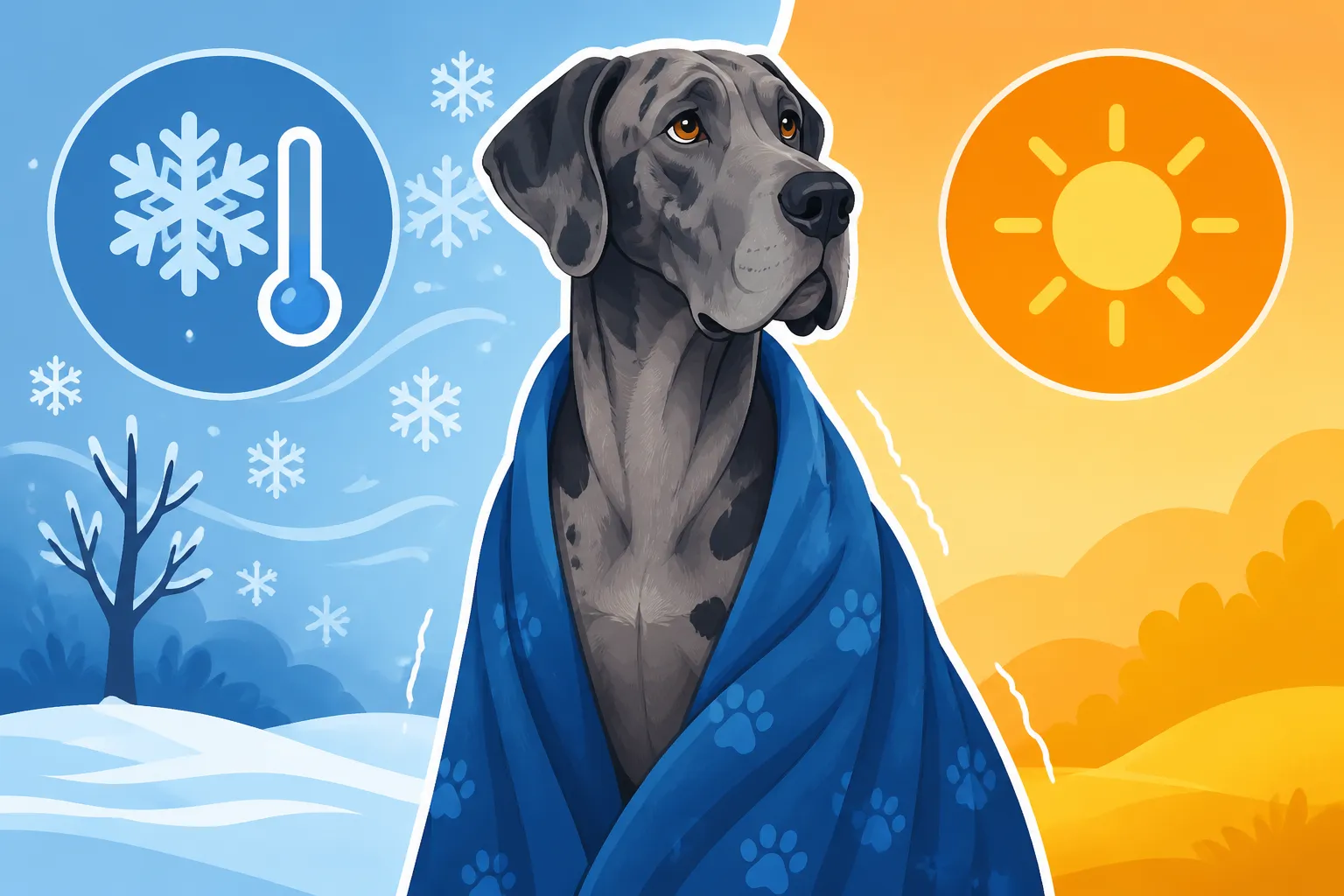
Your Great Dane boasts what's known as a "single coat." This means they lack the dense, fluffy undercoat that acts as a natural thermal layer for many double-coated breeds. Imagine stepping out into a crisp autumn morning in just a t-shirt – that's a bit like your Dane's experience when temperatures dip. Their short, smooth hair offers minimal insulation, making them highly susceptible to losing body heat.
Because of this single-layer protection, even temperatures that feel merely cool to us can be genuinely uncomfortable for a Great Dane. A gentle breeze, a damp day, or a slightly cooler indoor environment can quickly lead to a significant drop in their core body temperature. It's a common misconception that their large size somehow makes them impervious to the cold; in reality, their sheer surface area means there's more skin exposed to the cold, leading to faster heat loss.
Lack of Insulating Undercoat
The secret weapon against cold for many dogs is that wonderful, dense undercoat – the soft, woolly layer beneath the coarser outer guard hairs. This undercoat traps air, creating an insulating barrier that keeps warm air close to the dog's body and blocks cold air from reaching the skin. Breeds like Samoyeds, Bernese Mountain Dogs, and even Labrador Retrievers have this natural protection.
Your Great Dane, however, doesn't have this vital layer. Their skin is relatively exposed, making them quite vulnerable. Without this built-in thermal blanket, they rely entirely on external sources for warmth when the environment gets chilly. This anatomical fact means it's your responsibility to provide that missing insulation. Ignoring this can not only lead to discomfort but also potential health risks, as prolonged exposure to cold can stress their system and exacerbate existing conditions. Understanding this fundamental difference in coat structure is key to appreciating why a Great Dane gets cold easily is such a valid concern.
Body Fat vs. Coat Protection
You might observe your Great Dane's impressive physique and assume that their sheer size and healthy body fat provide enough insulation. While a certain amount of body fat does contribute to some degree of warmth, it's not a substitute for a proper insulating coat, especially for a breed with such a large body mass and corresponding surface area. A large dog has more skin exposed to the cold air, and even a little extra padding won't prevent significant heat loss from their body. Think of it like a large building with thin walls; it will still get cold inside if the insulation is insufficient.
Moreover, maintaining a lean body condition is generally recommended for Great Danes to protect their joints and promote overall health throughout their relatively shorter lifespan. This means we're not aiming for an overweight Dane as a strategy to combat the cold. Instead, the focus should be on providing appropriate external protection and ensuring a warm indoor environment. While a well-fed Dane has the metabolic energy to generate body heat, relying solely on this internal mechanism without external assistance in cold weather can put undue stress on their system.
Recognizing the Chill: Signs Your Great Dane is Cold
Since your Great Dane can't just tell you they're cold, it's up to you to become a detective and recognize the subtle – and not-so-subtle – signs that they're feeling the chill.
Physical Cues and Behavior Changes
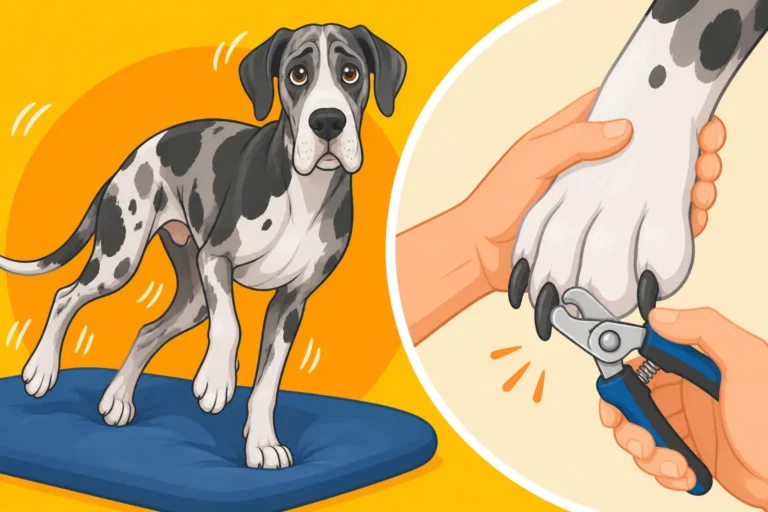
One of the most obvious indicators your Great Dane is cold is shivering. This can start as a subtle tremor and escalate to noticeable shaking. Beyond shivering, observe if they are tucking their paws up, hunching their back, or trying to curl into an impossibly tight ball for such a large dog. They might also lift one paw off the ground, alternating between them, in an attempt to minimize contact with a cold surface. Their ears might feel noticeably cold to the touch, and you might even see goosebumps on their exposed skin.
Behaviorally, a cold Great Dane might become unusually clingy, pressing their body against you for warmth or attempting to burrow deeply under blankets or cushions more than usual. They might seem lethargic, stiff, or generally less enthusiastic, particularly if the cold is aggravating any existing joint issues. If your normally playful Dane seems reluctant to engage or cut a walk short, consider the temperature as a prime suspect. A change in their usual energetic demeanor, such as A Great Dane That Cannot Finish a Walk, could very well be a sign of discomfort from the cold.
Shivering and Hunching
Shivering is your Great Dane's body's involuntary way of trying to generate heat. Muscle contractions rapidly burn energy to produce warmth, making it a clear and urgent signal that they are uncomfortably cold and need immediate warmth. Don't dismiss it as a minor issue; prolonged shivering can lead to fatigue and an inability to maintain core body temperature. Hunching is another classic posture: they pull their shoulders up, tuck their tail, and try to make themselves as small as possible to reduce the surface area exposed to cold air. This posture is their instinctual attempt to conserve heat.
It's important to differentiate shivering from other causes, like anxiety or fear. However, in cold conditions, especially if your Dane has been outdoors or in a cooler part of the house, shivering should almost always be interpreted as a sign of being cold. If you observe these signs, bring them inside immediately if they are out, or provide extra warmth like a blanket or a warmer spot if they are indoors. Swift action is crucial to prevent them from becoming too chilled.
Reluctance to Go Outside
A truly cold Great Dane might exhibit a distinct reluctance to go outside for their usual walks or potty breaks. You might see them approach the door, take one look at the chilly weather, and then try to retreat to a warmer spot. If they do venture out, they might rush their business, making it clear they want to get back inside as quickly as possible, skipping their usual sniffing and exploring. This isn't laziness; it's self-preservation. This reluctance is particularly telling if they are usually eager to explore the outdoors.
If your Great Dane consistently shows this type of hesitancy, it's a strong indication that the outdoor conditions are too harsh for their thin coat, even for brief periods. It means you need to re-evaluate their outdoor gear, shorten their time outside, or consider alternative ways to provide mental and physical exercise indoors. Forcing them into an uncomfortable situation can create negative associations with going outside and contribute to general anxiety or behavioral issues.
Bundling Up Your Gentle Giant: Protecting from the Cold
Since their natural coat provides so little protection, it falls to us to provide the necessary layers when the weather turns cold. Think of it as investing in their health and happiness.
The Importance of Outerwear
For a thin-coated Great Dane, a well-fitting coat or sweater is not a luxury; it's a critical piece of equipment in cold weather. Just as we wouldn our winter jackets, our Danes need that extra layer to protect them from cold winds, rain, and snow. Look for coats made from durable, waterproof or water-resistant materials with a warm fleece or insulated lining. The design should ideally cover their chest and extend well over their back to maximize warmth and protect vital organs. Due to their unique size, you'll likely need to seek out brands specializing in giant breeds, which can often be found on platforms like Chewy or Amazon, offering a wide selection and detailed sizing charts.
When selecting outerwear, prioritize fit and freedom of movement. A coat that's too tight will restrict their stride, while one that's too loose can shift, allowing cold air to penetrate, or even get snagged. Consider ease of putting on and taking off, especially if your Dane isn't a fan of getting dressed. For short, quick potty breaks, a simple fleece might suffice, but for longer walks in truly cold or wet conditions, a robust, insulated, and waterproof coat is non-negotiable. For more in-depth advice on selecting the right gear, be sure to check out Coats and Sweaters Sized for a Great Dane.
Paw Protection and Frostbite Risks
Your Great Dane's paw pads are tough, but they are not immune to the damaging effects of extreme cold, ice, or harsh chemicals like road salt. Frostbite is a genuine risk, and ice balls forming between their paw pads can cause significant pain and discomfort, making walks miserable. While some Danes tolerate them better than others, dog booties offer crucial protection. If your Dane will wear them, they are an excellent investment, particularly in snowy, icy, or chemically treated conditions. Introduce them gradually, indoors, with plenty of positive reinforcement.
If booties prove challenging, a good paw balm or wax can offer a protective barrier against cold, moisture, and irritants. Products like Musher's Secret are widely used for this purpose. It's also vital to always wipe down your Dane's paws thoroughly after walks in winter to remove any accumulated salt, chemicals, or ice, which can cause irritation or be ingested when they lick their paws. Don't underestimate the importance of healthy, protected paw pads – they literally bear the full weight of your gentle giant. For comprehensive information on protecting their feet, refer to Paw Protection for a Great Dane in Winter.
Shelter and Limiting Outdoor Exposure
It cannot be stressed enough: Great Danes are unequivocally not outdoor dogs, especially in cold climates. Their thin coats mean they cannot effectively regulate their body temperature when left outside for prolonged periods. Even a well-insulated dog house will not be sufficient to protect them from freezing temperatures. Their primary shelter must always be inside your warm home. Limit outdoor potty breaks to the bare minimum during bitter cold, even if they are wearing a coat.
If you have a fenced yard, double-check that there's absolutely no way for them to accidentally get locked outside. Supervise them closely during any outdoor playtime, calling them inside at the first sign of shivering or discomfort. A Great Dane left alone in the cold is not only at severe risk for hypothermia but also for immense stress and anxiety. They are companion animals who thrive on being part of the family, indoors, where they can cuddle up and feel secure.
Creating an Indoor Oasis of Warmth
Ensuring your Great Dane is warm indoors is just as important as protecting them outside. Your home should be their sanctuary from the cold, providing comfort and preventing drafts.
Heating Your Home for a Giant Breed
Keeping your home at a consistently comfortable temperature is arguably the most fundamental way to ensure your Great Dane stays cozy. While you might be comfortable at 68-70°F (20-21°C), if your Dane is shivering or seeking out warmer spots indoors, it’s a clear sign you need to adjust the thermostat. For Great Danes, aim for a consistent temperature that prevents them from actively seeking heat. Smart thermostats can be incredibly helpful for maintaining stable temperatures and even allowing you to increase the heat remotely before you arrive home, ensuring they don't get a chill while waiting.
Drafts are a silent, insidious enemy of indoor warmth. Take a moment to walk around your home at floor level, where your Great Dane spends most of their time. Do you feel cold air seeping in from under doors, around windows, or through unsealed gaps? Block these drafts with weatherstripping, heavy curtains, or door snakes. A seemingly minor draft can create a perpetually cold spot that makes your large Dane uncomfortable, even in an otherwise warm room, slowly leaching away their body heat.
Warm Bedding Solutions
A Great Dane needs more than just a bed; they need a true sanctuary that offers both support and warmth. Thin, cheap beds offer very little insulation from cold floors and quickly flatten under their significant weight. Invest in a high-quality orthopedic bed with dense foam that elevates them off the ground and provides excellent insulation. Memory foam beds are often ideal, as they conform to the body and can help retain body heat. Look for beds with removable, washable covers for hygiene and longevity. You can find a vast selection of large, supportive beds on sites like Chewy and Amazon, where customer reviews often highlight suitability for giant breeds.
Beyond the main bed, provide plenty of soft, thick blankets. Many Danes love to burrow, nest, or simply cover themselves. Fleece or faux sheepskin blankets are often favorites. Heated pet beds, or those made with self-warming materials, can also be a wonderful addition, especially for older Danes or those with arthritis, providing therapeutic warmth. Always ensure any heated bed has safety features to prevent overheating. Providing adequate and insulating bedding also helps prevent pressure sores and conditions such as Elbow Hygromas on a Great Dane which can arise from constantly lying on hard, cold surfaces.
Draft Protection and Designated Warm Zones
As discussed, drafts are a critical consideration. Even in a heated home, cold air naturally sinks to the lowest points, which is exactly where your Great Dane spends much of their time. Strategic placement of their beds away from external walls or drafty windows can make a big difference. Some dedicated owners go a step further by creating "warm zones" – a cozy corner equipped with their insulated bed, extra blankets, and perhaps a small, pet-safe space heater (always supervised and kept a safe distance away from bedding and your dog) for those particularly frigid days.
Furthermore, remember that bare floors like tile, concrete, or even hardwood can feel incredibly cold, absorbing body heat from your Dane. Lay down rugs or carpet runners in areas where they frequently lie down or walk. This not only adds a layer of warmth but also provides better traction, which is especially important for Arthritis in a Six-Year-Old Great Dane or any Dane prone to mobility issues as they age. Thoughtfully creating these warm, draft-free spaces is a clear demonstration of your commitment to their comfort and well-being.
Fueling for Warmth: Nutrition's Role
While external layers are crucial, what goes into your Great Dane's body also plays a significant role in their ability to generate and maintain warmth.
Calorie Needs in Colder Climates
In colder weather, dogs, much like humans, expend more energy to maintain their core body temperature. This can mean your Great Dane might benefit from a slight increase in their daily caloric intake to compensate for this extra energy burn. However, this is not an excuse for indiscriminate overfeeding. It's about careful observation and thoughtful adjustment. If your Dane is spending more time outdoors, if your house is kept cooler, or if they are particularly active, a modest increase in food might be beneficial. Always consult your veterinarian before making significant changes to their diet, as maintaining a lean body condition is vital for the long-term health of a Great Dane's joints.
Monitor their body condition closely. You should still be able to easily feel their ribs without seeing them protruding sharply. If they start to look a bit too thin, or if their activity level increases in cold weather, a small bump in their food portion might be appropriate. High-quality, nutrient-dense dog food, such as the fresh food options offered by Ollie, can provide the necessary calories and support overall health and energy levels, contributing to their ability to stay warm from the inside out.
Hydration and Overall Health
Just as in hot weather, staying properly hydrated is equally critical in cold climates, although it's often overlooked. Dry winter air can be dehydrating, and your Great Dane still needs ample fresh water to support their metabolism, organ function, and overall health. Ensure their water bowls are consistently full and easily accessible, perhaps placing multiple bowls around the house. If your Dane eats kibble, adding a little warm water to their meals can not only encourage hydration but also make the food more appealing.
Good overall health is a foundational component of a dog's ability to cope with cold. A dog that is unwell, underweight, or malnourished will struggle significantly more to maintain its body temperature. Regular veterinary check-ups, a balanced diet tailored to their specific needs, and appropriate exercise all contribute to building a strong foundation for your Great Dane's well-being, enhancing their resilience to environmental stresses like cold weather.
Joint Support for Cold Weather
While not directly related to coat thickness, cold weather can undeniably exacerbate joint pain and stiffness, a significant concern for Great Danes given their predisposition to orthopedic issues. Breeds prone to conditions like hip or elbow dysplasia or arthritis will feel the chill deep within their bones. Providing adequate joint support through a balanced diet and targeted supplements becomes even more paramount during the colder months. Discuss with your veterinarian whether supplements containing ingredients like glucosamine, chondroitin, or omega-3 fatty acids would be beneficial for your Dane.
Warmth itself is a powerful form of natural joint relief. Ensuring their beds are off cold floors and that they have plenty of soft, supportive, and warm surfaces to rest on can make a profound difference in their comfort levels. Avoiding prolonged exposure to damp, cold conditions during walks is also a crucial preventative measure. For a senior Dane or one with known joint issues, this proactive, holistic approach to warmth and joint support can significantly improve their quality of life. Detailed guidance on their later years can be found in Caring for a Great Dane Past Six, which often emphasizes managing mobility and comfort in varying weather conditions.
Special Care for Vulnerable Danes
Some Great Danes are even more susceptible to the cold than others, requiring extra vigilance and care from their devoted owners.
Great Dane Puppies and Cold Sensitivity
Great Dane puppies, with their rapidly growing bodies, lower body fat reserves, and still-developing immune systems, are particularly sensitive to cold temperatures. They have less muscle mass and insulation than adults, making it harder for them to generate and regulate their body temperature effectively. While short potty breaks are necessary, any extended time outdoors in chilly or cold weather should be strictly avoided. Treat them like giant toddlers – they need extra warmth and protection.
For puppies, ensuring their sleeping area is exceptionally warm and draft-free is crucial. Provide plenty of soft blankets, a well-insulated, appropriately sized bed (even if they'll outgrow it quickly), and maintain a stable, comfortable indoor temperature. Even a seemingly minor "cool" spot can quickly make a puppy shiver and become uncomfortable. Don't push them for long outdoor play sessions if it's cold; short bursts of indoor play are much safer. Monitoring their growth and ensuring proper nutrition, as outlined in Bone Development Problems in a Great Dane Puppy, also contributes to their overall resilience and ability to cope with environmental stressors.
Senior Danes and Joint Pain in the Cold
As Great Danes enter their senior years, typically around six years of age, their metabolism can slow, and they may become even more susceptible to feeling cold. Older Danes frequently contend with existing joint issues like arthritis, which are notoriously aggravated by cold and damp weather, leading to increased stiffness, pain, and reduced mobility. This is precisely when extra layers, supportive heated beds, and keeping the home consistently warm truly become indispensable.
Observe your senior Dane closely for any changes in their behavior or movement during colder periods. If they are slower to get up, more reluctant to move, or show any signs of discomfort, it’s a clear signal they need additional warmth and support. The Age a Great Dane Is Considered Old marks a period where proactive measures against the cold, such as investing in orthopedic beds or gentle warm-up routines before walks, become increasingly important. Consider mobility aids like ramps for vehicles or choosing to walk during the warmest part of the day to enhance their comfort and quality of life.
Health Conditions Affecting Thermoregulation
Certain underlying health conditions can further compromise a Great Dane's ability to cope with cold, making them even more vulnerable. Dogs diagnosed with hypothyroidism, for instance, often have a slower metabolism and struggle significantly to generate enough body heat. Those with cardiac conditions, such as Dilated Cardiomyopathy (DCM) – a prevalent issue in the breed – might have compromised circulation, leading to colder extremities and an overall reduced capacity to maintain warmth. Even Great Danes recovering from surgery or those on specific medications can experience altered thermoregulation.
If your Great Dane has any known underlying health issues, it is absolutely essential to discuss cold weather precautions with your veterinarian. They can offer tailored advice, which might include specific dietary adjustments, changes in medication, or additional environmental control measures to help your dog cope safely. Never assume that a large dog is inherently robust against the cold; for a thin-coated breed, especially one managing health challenges, cold can pose a significant and serious threat to their well-being.
Cold Weather Protection for Great Danes: A Quick Guide
Here's a handy overview of different ways to ensure your Great Dane stays warm and protected:
| Protection Type | Purpose | When to Use | Key Considerations |
|---|---|---|---|
| Winter Coats | Provides external insulation, blocks wind and moisture | Outdoor walks, extended time in chilly, wet, or windy conditions | Must be waterproof/resistant, insulated, cover chest and back, ensure proper fit for giant breeds. |
| Sweaters/Fleece | Offers light insulation, suitable for indoor warmth | Mildly chilly days, inside drafty homes, layering under coats | Soft, comfortable, non-restrictive, easy to wash; good for preventing internal chill. |
| Paw Booties | Protects paw pads from ice, snow, road salt, and frostbite | Snowy, icy conditions, areas with chemical treatments, very cold surfaces | Durable, non-slip sole, secure fastening; introduce slowly with positive reinforcement. |
| Paw Balm/Wax | Creates a protective barrier on paw pads | Daily walks in cold, dry, or damp conditions when booties aren't used | Non-toxic, easily absorbed; reapply as needed after walks; always wipe paws clean. |
| Orthopedic Beds | Insulates from cold floors, provides joint support and comfort | Year-round, especially crucial in cold weather for all Danes | Dense foam, elevated design, large enough for full stretch, removable/washable cover; consider self-warming features. |
| Blankets | Offers extra warmth, caters to burrowing instincts, adds comfort | Any time, particularly indoors in cold spots or for nesting | Soft, warm materials (fleece, faux fur); provide multiple for maximum nesting potential. |
| Heated Pet Beds | Delivers targeted, therapeutic warmth | Older dogs, arthritic dogs, very cold conditions, post-surgery recovery | Ensure safety features (auto shut-off), appropriate sizing, and chew-resistant cords. |
| Draft Stoppers | Blocks cold air from seeping into living areas | Under doors, around windows, any noticeable gaps | Weighted to stay in place, fits snugly; crucial for maintaining warmth at floor level. |
| Rugs/Runners | Insulates hard, cold floors and provides better traction | Hard surfaces like tile, wood, or concrete where Danes frequently lie | Non-slip backing; place in high-traffic and resting areas to prevent slipping and absorb cold. |
Disclaimer
This article is for general informational purposes only and does not constitute professional advice. Laws, prices and regulations vary by location and change over time. Consult a qualified professional for guidance on your specific situation.