How Tall a Great Dane Is at a Year
One of the most common questions new Great Dane puppy parents anxiously ask is about their majestic giants' growth. You see those adorable, clumsy paws and wonder, "Just how big will this dog get, and how quickly?" It's a real concern, especially when your living room seems to shrink by the week! This guide is here to shed light on what you can realistically expect regarding your Great Dane's height by their first birthday, demystifying the growth journey of these magnificent dogs.
The Rapid Ascent: Great Dane Height at Twelve Months Old
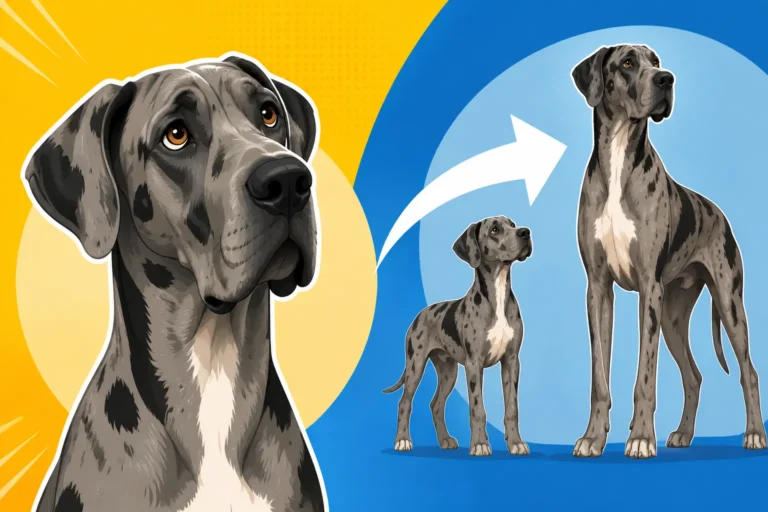
It’s truly astounding how much a Great Dane grows in its first year of life. When you bring home that tiny, wobbly pup, it feels like they’ll never be huge. Then, in a blink, they're practically eye-level with your kitchen counter. By the time your Great Dane celebrates its first birthday, it will likely have reached most of its adult height, though it's important to remember that "most" doesn't mean "all." They're truly in their adolescent gangly phase at this point, looking a bit like a half-built skyscraper.
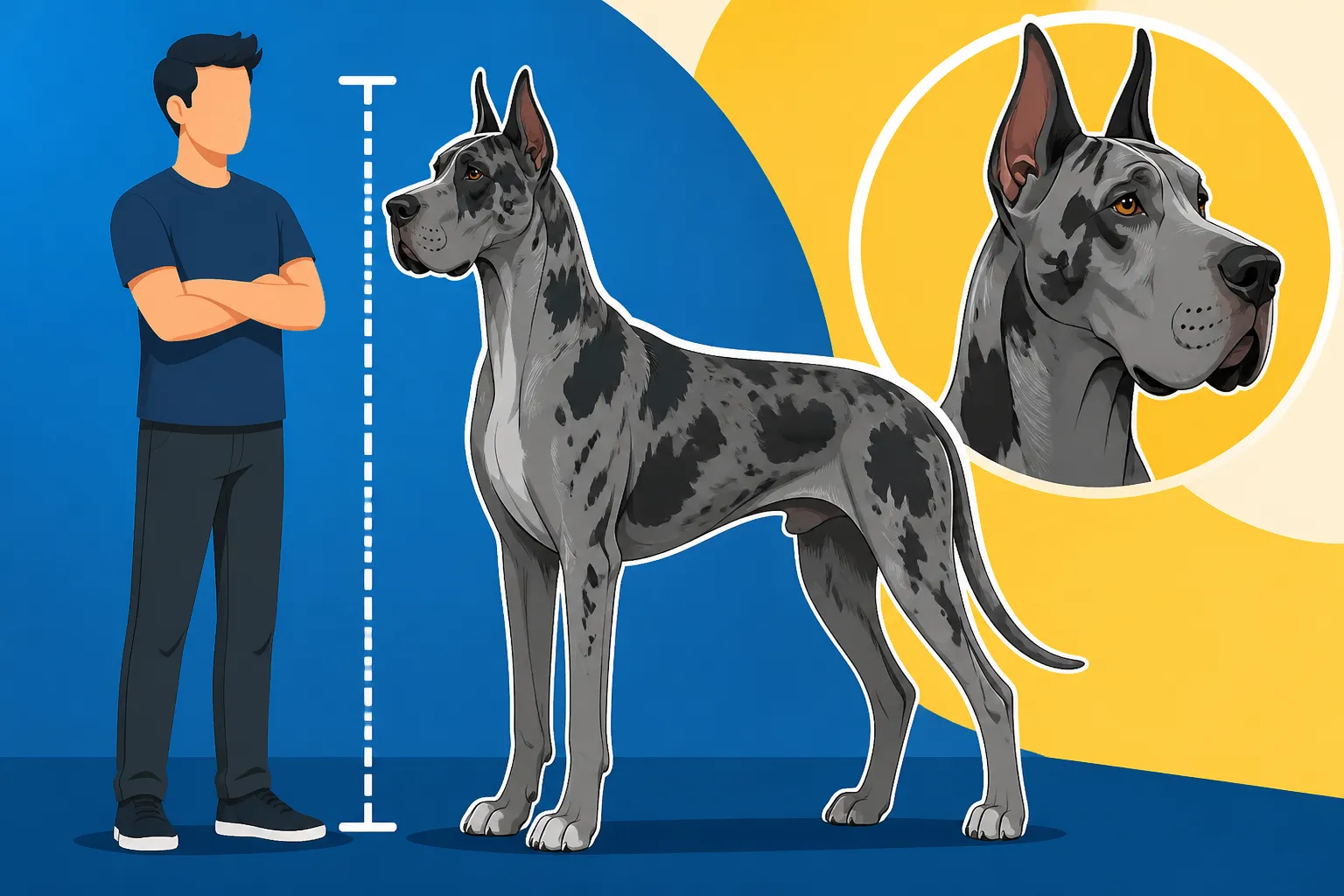
Think of it this way: a one-year-old Great Dane is typically very close to its final height, often somewhere in the 28-32 inch range at the shoulder (withers) for males, and 26-30 inches for females. However, they're usually still pretty lean and will continue to fill out in terms of muscle mass, chest width, and overall bone density for another six to twelve months, sometimes even longer. This is why they can look so leggy and somewhat awkward at a year old – they've shot up like weeds but haven't quite matured into their majestic frames. If you've ever looked at a The Great Dane Growth Curve Month by Month, you’ll see that the steepest part of the curve happens in that first year. It's a period of intense development, demanding careful management to ensure healthy growth.
Typical Height Ranges for One-Year-Old Great Danes
While genetics play a huge role, we can look at some general benchmarks for height at one year. These are averages, of course, and your individual dog might be slightly above or below, which is perfectly normal. It's not a race, and slower, steady growth is actually healthier for these giant breeds.
For male Great Danes, by their first birthday, you can expect them to stand roughly 28-32 inches at the withers. That's already a significant height, putting their heads well above many kitchen counters. Female Great Danes, typically being a bit smaller, often measure around 26-30 inches at the withers by the same age. Again, these are approximate ranges. If your male is 27 inches or your female is 25 inches at twelve months, it doesn't necessarily mean there's a problem, especially if they are otherwise healthy and gaining weight appropriately. This rapid expansion is a marvel to watch, but it also comes with its own set of challenges, particularly concerning their developing skeletal system.
The "Filling Out" Phase Beyond One Year
It’s a common misconception that once a dog turns one, they are fully grown. For Great Danes, this simply isn't true when it comes to their overall build. While the vast majority of their height is achieved by 12 months, the next phase is all about gaining substance. They'll start to broaden in the chest, develop more powerful musculature, and their bones will continue to density. This "filling out" period usually continues until they are 18 to 24 months old, and some might even add a bit more heft until they are three years old. This is why an eighteen-month-old Great Dane will look much more substantial than a twelve-month-old, even if they're the same height. If you're wondering Whether a Great Dane Keeps Filling Out to Two, the answer is almost always a resounding yes! They really mature into their "Apollo of Dogs" physique during this time, transforming from gangly teenagers into impressive adults.
This prolonged growth period is what makes their nutrition and exercise so critical during their first two years. Their bones and joints are under immense strain as they expand and strengthen, making them vulnerable if not properly cared for. Many owners are surprised by how much their dog changes between age one and two, often remarking that their dog suddenly looks like an "adult" rather than an oversized puppy.
Factors That Influence Your Great Dane's Growth Trajectory
You might be looking at your one-year-old Dane and comparing them to photos of other Danes online, or even to their siblings. It's natural to wonder why some seem to hit their stride faster or appear larger. Several critical factors come into play when determining how tall a Great Dane will be at a year, and how they’ll continue to develop. Understanding these can help you manage your expectations and ensure your pup is on the healthiest path possible. From the genes they inherited to the food in their bowl, every element contributes to their final stature and overall well-being.
Genetics: The Blueprint for Your Giant
Just like us, Great Danes inherit their potential size from their parents and ancestral lines. If your puppy comes from a line of exceptionally tall or very moderate Danes, that genetic predisposition will heavily influence their growth. This is why a reputable breeder is so important; they can give you an idea of the parents' and grandparents' sizes, offering a glimpse into what your pup might become. A breeder focused on responsible breeding will also have insights into the growth patterns of their previous litters, which can be incredibly helpful for new owners.
While genetics sets the ceiling and floor for height, it’s not the only factor. Even with excellent genetics, improper care can prevent a dog from reaching its full, healthy potential. Conversely, a dog with average genetics won't magically become a record-breaker simply through overfeeding. It's about working with their genetic blueprint, not against it. Asking about the size of the dam and sire is always a good starting point when choosing a puppy, as it provides the most direct insight into your pup's inherited potential.
Nutrition: Fueling Healthy, Steady Growth
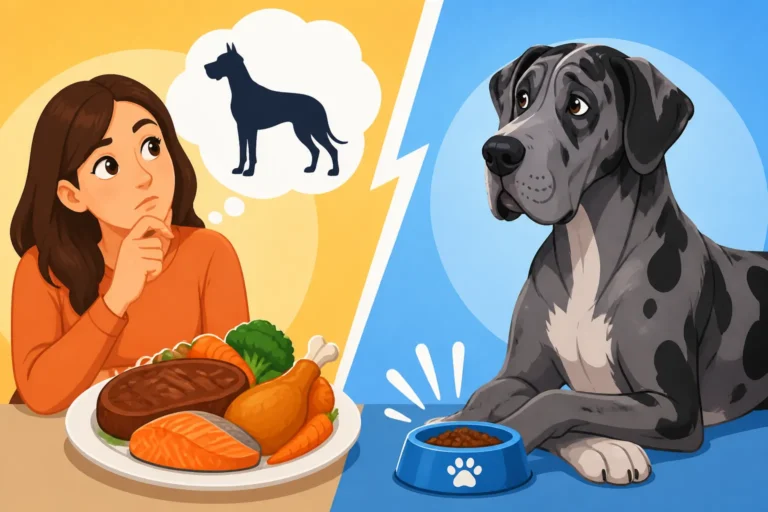
This is perhaps the single most critical factor you, as an owner, can control. Great Danes are giant breeds, and their nutritional needs during growth are vastly different from those of smaller or even standard-sized dogs. The biggest mistake new owners make is trying to make their Great Dane grow faster by overfeeding or giving them regular puppy food. This can be disastrous for their developing joints.
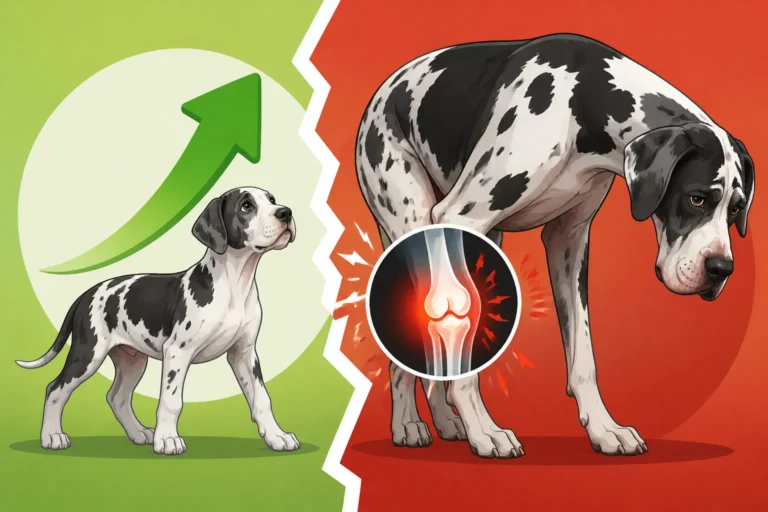
Giant breed puppies need a specific balance of calcium and phosphorus, and lower protein levels than standard puppy foods, to promote slow, steady growth. Too much calcium, in particular, can lead to serious Bone Development Problems in a Great Dane Puppy like Hypertrophic Osteodystrophy (HOD) and Osteochondritis Dissecans (OCD). These conditions can cause pain, lameness, and long-term joint damage. It’s not about restricting calories to make them small, but about providing the right kind of calories and nutrients to support a controlled growth rate. Brands like Purina Large Breed Puppy or Royal Canin Giant Puppy are formulated specifically for these needs. When ordering your specialized large-breed puppy food, remember that platforms like Chewy or Amazon often carry these specific formulations, and you might even find subscription services through providers like Ollie, tailored to large breed nutritional needs as they transition from puppy to adult. This specialized diet is fundamental to helping them grow without putting undue stress on their developing skeleton.
Exercise: Balancing Activity and Joint Protection
Another area where owners can inadvertently cause harm is through excessive or inappropriate exercise during the puppy and adolescent stages. Those long legs can tempt you to go for long jogs or intense play sessions, but a Great Dane's growth plates don't fully close until they are 18-24 months old. Until then, intense impact activities can cause irreversible damage to their joints.
Instead of forced exercise, focus on controlled, low-impact activities like short walks, gentle play, and swimming (if your Dane enjoys it and is supervised). Allowing free play in a safe, fenced yard is great, but avoid hours of running on hard surfaces or jumping off high places. The goal is to build muscle and stamina without putting undue strain on their still-developing bones and ligaments. A tired puppy isn't necessarily a healthy puppy if that tiredness came from too much strenuous activity. Understanding Exercise Limits While a Great Dane Is Still Growing is paramount to their long-term orthopedic health.
Navigating the Challenges of Giant Breed Puppyhood
Raising a Great Dane puppy is an adventure filled with joy, laughter, and a healthy dose of exasperation as they grow into every available space. However, it also comes with unique challenges, especially when it comes to their rapid growth. You’re not just raising a dog; you’re cultivating a future giant, and that requires specific knowledge and a proactive approach to their care. From monitoring their weight to knowing when to seek veterinary advice, being informed is your best defense against potential issues.
Monitoring Weight and Body Condition
As your Great Dane approaches its first birthday and continues to grow, it's crucial to monitor their weight and body condition. You want them to be lean, not chunky. A lean body condition puts less stress on their rapidly developing joints, which are already working overtime to support their increasing size. You should be able to easily feel, but not necessarily see, their ribs. Their waist should tuck up slightly behind the rib cage. If they're looking round or you can't feel their ribs without pressing hard, they might be carrying too much weight, which can exacerbate joint issues. Reading Ribs on a Great Dane is an essential skill every owner of a growing giant breed should master.
Regular weigh-ins at home or at the vet can help you track their progress. Don't compare your Dane's weight to standard breed charts, as those rarely account for the specific growth patterns of giants. Instead, compare your dog to themselves over time and consult with your veterinarian about ideal weight ranges for their frame. Adjusting food intake based on activity level and body condition, rather than simply following bag recommendations, is often necessary.
When to Consult Your Veterinarian About Growth
While some variation in growth is normal, there are times when your Great Dane's growth pattern might warrant a vet visit. If you notice any signs of lameness, limping, swelling in the joints, or an unusual gait, don't wait. These could be indicators of growth disorders common in giant breeds. Early intervention is key to managing these conditions and minimizing long-term damage.
Additionally, if your puppy seems significantly smaller or larger than the general ranges discussed, or if their growth appears to have stalled or spiked unexpectedly, a conversation with your vet is a good idea. They can assess your dog's overall health, perform any necessary diagnostics, and help you adjust their care plan. Your vet is your best resource for navigating the complexities of giant breed development. They can tell you what The Health Testing a Great Dane Breeder Owes You should include, which can give you more confidence in your dog's genetic predispositions. Remember, proactive care is always better than reactive treatment, especially with a breed as susceptible to growth-related issues as the Great Dane.
The Great Dane at Twelve Months: An Adolescent Giant
By their first birthday, your Great Dane is undoubtedly an impressive size, but mentally, they are still very much a puppy, or more accurately, a boisterous teenager! They'll still have bursts of energy, a curious nature, and a tendency to forget their manners (and their size) in moments of excitement. This adolescent phase can last well into their second year.
Continuing positive reinforcement training is crucial during this time. Remember, a one-year-old Great Dane is already a force of nature, and good manners instilled early will pay dividends for years to come. Training helps solidify their understanding of boundaries and expectations, preventing issues like jumping on guests or pulling on the leash when they're fully grown and even more powerful. Socialization should also continue, exposing them to new sights, sounds, people, and well-behaved dogs in controlled, positive environments. Their physical growth may be largely complete by a year in terms of height, but their mental and emotional development is still very much underway.
| Great Dane Age | Typical Height (Males) | Typical Height (Females) | Key Growth Stage |
|---|---|---|---|
| 4 Months | 21-25 inches | 20-24 inches | Rapid vertical growth, awkward stage |
| 6 Months | 25-29 inches | 24-28 inches | Approaching two-thirds adult height |
| 9 Months | 27-31 inches | 25-29 inches | Nearing adult height, still lean |
| 12 Months | 28-32 inches | 26-30 inches | Mostly adult height, filling out phase begins |
| 18-24 Months | 30-34 inches (full size) | 28-32 inches (full size) | Reaching full physical maturity, filling out |
| 24-36 Months | Minimal height gain | Minimal height gain | Continued muscle and bone density development |
This table provides a general guideline; individual dogs will vary. It's more about the rate of growth being steady and healthy than hitting exact numbers on a specific timeline. As they continue to grow, you might consider articles like The Age a Great Dane Is Considered Old or Caring for a Great Dane Past Six to prepare for their later years. Knowing The Seven to Ten Year Great Dane Lifespan also helps put their rapid early growth into perspective. Don’t forget to consider Monthly Food Spending on a Great Dane as they continue to pack on the pounds (the good kind!). It’s also wise to prepare for potential costs down the line by understanding Building a Fund Before a Great Dane Needs It. If you're pondering Whether a Great Dane Puppy Should Be Kept Lean, the answer is almost always yes for their joint health!
Disclaimer
This article is for general informational purposes only and does not constitute professional advice. Laws, prices and regulations vary by location and change over time. Consult a qualified professional for guidance on your specific situation.