What to Look For on a Great Dane Puppy Food Bag
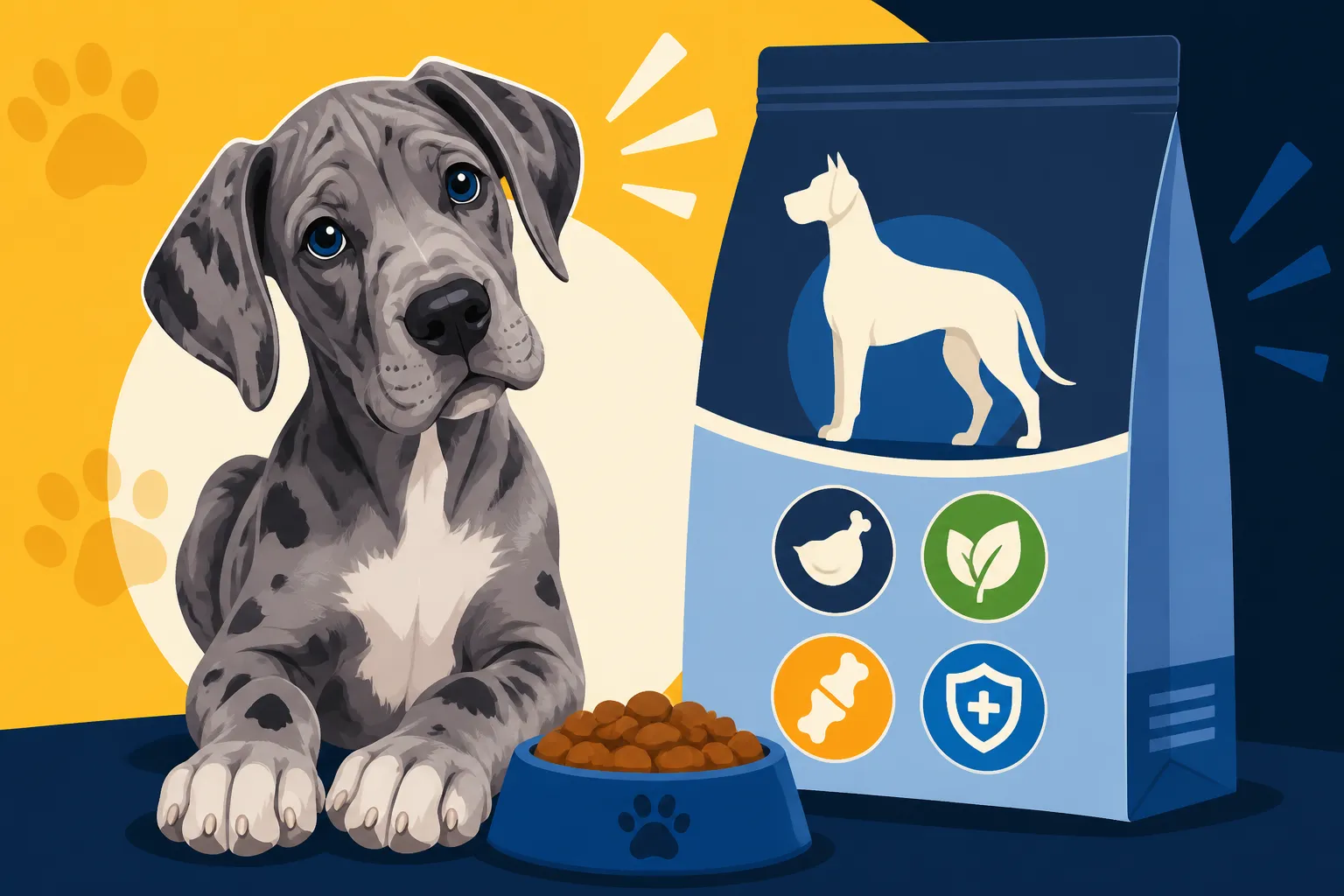
Choosing the right food for your Great Dane puppy can feel like a high-stakes game of nutritional roulette, leaving many new owners absolutely bewildered by the sheer volume of options and conflicting advice. It's a daunting task because getting it wrong can have serious long-term consequences for these magnificent, fast-growing giants. This comprehensive guide is here to cut through the confusion, helping you understand precisely what to look for on a Great Dane puppy food bag to ensure your gentle giant gets the best possible start in life, setting them up for robust health and a happy, comfortable adulthood.
Understanding the Unique Nutritional Needs of a Great Dane Puppy
Great Dane puppies aren't just bigger versions of other puppies; they are in a league of their own when it comes to growth. Imagine a tiny, fluffy creature that will grow to well over a hundred pounds in just a year or two, sometimes even reaching The Thirty-Two Inch Male Great Dane. This explosive growth rate is both a wonder and a challenge, requiring a very specific nutritional approach that differs significantly from smaller or even medium-sized breeds. Their bones, joints, and organs are developing at an incredible pace, and their diet plays a pivotal role in ensuring this development happens correctly, without undue stress or imbalance.
Why "Regular" Puppy Food Isn't Right for a Great Dane
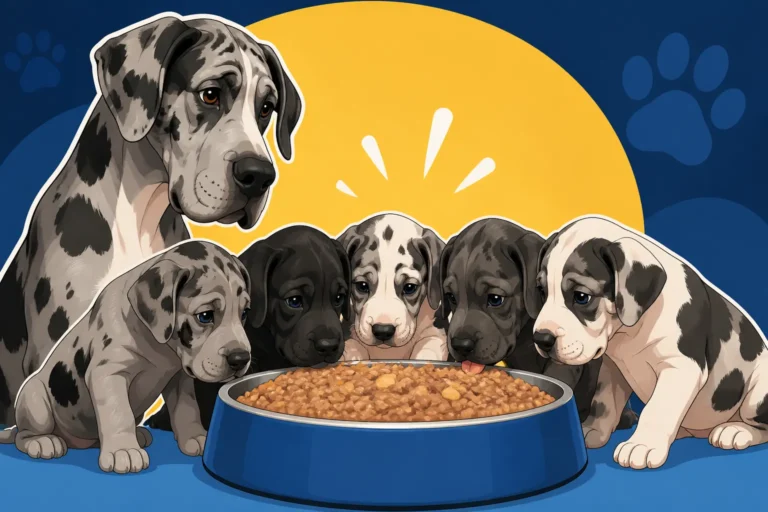
It’s tempting to grab any bag labeled "puppy food," thinking that all puppies need the same thing. However, this is one of the biggest misconceptions and potentially most harmful mistakes a Great Dane owner can make. Standard puppy foods are formulated to promote rapid growth, which is perfectly fine for a Chihuahua or a Lab, but disastrous for a Great Dane. These foods often contain higher levels of calories, protein, and, critically, calcium, than a giant breed puppy needs.
When a Great Dane puppy grows too quickly, their skeletal system, which isn't yet mature enough to handle the increased strain, struggles to keep up. This can lead to a host of painful and debilitating Bone Development Problems in a Great Dane Puppy. Conditions like Hypertrophic Osteodystrophy (HOD), also known as "growing pains," and Panosteitis (Pano) become much more likely. These aren't just minor aches; they can cause severe lameness, fever, and discomfort, sometimes requiring extensive veterinary intervention. In essence, feeding a Great Dane puppy food designed for a smaller, faster-maturing breed is akin to putting jet fuel into a car designed for regular gas—it might go fast for a bit, but it won't end well. This is precisely Why Regular Puppy Food Hurts a Great Dane in the long run.
The Critical Balance of Calcium and Phosphorus
One of the most crucial elements to scrutinize on a Great Dane puppy food label is the calcium and phosphorus content and, perhaps even more importantly, their ratio. Many people mistakenly believe that more calcium equals stronger bones, and they might even be tempted to add calcium supplements to their puppy's diet. This couldn't be further from the truth for a giant breed. Why Calcium Supplements Damage a Great Dane is a lesson many learn the hard way.
Excessive calcium can actually disrupt normal bone development in Great Danes. Instead of making bones stronger, it can interfere with the cartilage maturation process, leading to severe joint issues. The growth plates, which are still soft and developing, are particularly vulnerable. A proper balance ensures that the bones grow at a healthy, controlled rate, allowing the cartilage and surrounding structures to mature without being overloaded. This delicate balance is paramount for preventing the very skeletal disorders that plague fast-growing large breeds.
Decoding the Great Dane Puppy Food Label
Now that we understand why giant breed puppies have unique needs, let's dive into the practical side of reading a dog food label. It’s not just about the flashy pictures or marketing claims; it’s about understanding the guaranteed analysis and ingredient list. This is where the real information lies, and knowing what numbers and terms to look for will empower you to make an informed decision for your Great Dane puppy.
Key Nutritional Analysis to Scrutinize
The "Guaranteed Analysis" panel on any dog food bag provides the minimum or maximum percentages of key nutrients. For a Great Dane puppy, these numbers are critical.
-
Crude Protein: While protein is essential for muscle development, an excessively high percentage in a giant breed puppy food can contribute to too-rapid growth, which we want to avoid. Look for a moderate crude protein level, typically in the range of 23-26%. Some formulas may go slightly higher if the other nutrient ratios are carefully balanced, but generally, avoiding foods with protein content above 28% for a growing Great Dane is a wise choice. The source of the protein also matters; high-quality animal proteins are more digestible and beneficial than plant-based ones.
-
Crude Fat: Fat provides concentrated energy, which a growing puppy certainly needs. However, too much fat can lead to excessive calorie intake, contributing to rapid weight gain and growth. A crude fat percentage in the range of 12-15% is usually appropriate for a Great Dane puppy. This provides enough energy for their active lives without pushing them towards unhealthy, accelerated growth or making them overweight, which puts undue strain on their Great Dane Hips, Elbows and Growing Joints. Maintaining a lean body condition is one of the best things you can do for a giant breed puppy.
-
Calcium Percentage: This is perhaps the most critical number for a Great Dane puppy. Look for a calcium percentage between 1.0% and 1.5%. Anything significantly above 1.5% can be detrimental. Some veterinarians even prefer to see it closer to the lower end of that range, especially for very large, fast-growing puppies. This helps ensure that the puppy's bones develop at a controlled, healthy pace, reducing the risk of conditions like Hypertrophic Osteodystrophy in a Great Dane. Always check this number, even on foods labeled "large breed puppy."
-
Phosphorus Percentage: Phosphorus works hand-in-hand with calcium for bone health. The ideal phosphorus range for a Great Dane puppy is typically between 0.8% and 1.2%. It's not just about the individual percentages, though; it's about their relationship.
-
Calcium to Phosphorus Ratio: This ratio is paramount. An ideal calcium-to-phosphorus ratio for a Great Dane puppy is generally considered to be between 1.1:1 and 1.3:1. Some experts might stretch this slightly to 1.5:1, but exceeding this can cause imbalances. If the calcium is too high relative to phosphorus, it can negatively impact bone mineralization and development. This ratio helps ensure proper bone formation and prevents skeletal abnormalities that can contribute to Growth Disorders in a Great Dane Puppy.
Ingredients List: Beyond the First Five
While the Guaranteed Analysis gives you the percentages, the ingredients list tells you about the quality of those nutrients. Remember, ingredients are listed by weight, so the first few ingredients make up the bulk of the food.
-
First Ingredients: Quality Protein Sources: You want to see real, named meat as the first ingredient, such as "chicken," "lamb," "beef," or "salmon." Meat meals (e.g., "chicken meal," "lamb meal") are also excellent as a second or third ingredient because they are concentrated sources of protein after the water has been removed. Avoid foods where the first ingredients are primarily grains or unidentified "meat by-products."
-
Healthy Carbohydrates: Great Danes need digestible carbohydrates for energy. Look for ingredients like brown rice, oats, barley, sweet potatoes, or peas. These provide sustained energy and fiber. Avoid an overreliance on corn or soy, which can be less digestible for some dogs and are often used as fillers.
-
Beneficial Fats: Named animal fats, like "chicken fat," are good sources of energy and essential fatty acids. You also want to see sources of Omega-3 fatty acids, such as "fish oil" (salmon oil, menhaden oil), which are crucial for skin, coat, and brain development.
-
Avoiding Fillers and Problematic Ingredients: Steer clear of foods with artificial colors, flavors, or preservatives. While they might make the food look appealing to humans, they offer no nutritional benefit to your dog. There's also ongoing discussion about grain-free diets and their potential link to Dilated Cardiomyopathy (DCM) in some breeds. While the science is still evolving, some owners choose to avoid legume-heavy, grain-free diets for large breeds. You might want to consider Whether Grain-Free Food Reaches a Dane's Heart when making your decision, and always discuss with your vet.
Specific Label Claims and Certifications to Look For
Beyond the raw numbers, certain claims and certifications on a puppy food bag can give you confidence that the product is suitable for your Great Dane. These indicate that the manufacturer has specifically formulated the food with the needs of large, growing breeds in mind.
AAFCO Statement and Large Breed Puppy Formulas
The Association of American Feed Control Officials (AAFCO) statement is incredibly important. This statement, usually found on the back of the bag, indicates whether the food is complete and balanced for a specific life stage. For your Great Dane puppy, you absolutely want to see a statement like:
- "Formulated to meet the nutritional levels established by the AAFCO Dog Food Nutrient Profiles for Growth/All Life Stages including growth of large size dogs (70 lbs or more as an adult)."
- Or simply, "Formulated to meet the nutritional levels established by the AAFCO Dog Food Nutrient Profiles for Large Breed Puppies."
The key here is the specific mention of "large size dogs" or "large breed puppies." Foods merely stating "for all life stages" or "for growth" without this specific large-breed caveat might have calcium levels that are too high for a Great Dane puppy, even if they seem appropriate for a generic "puppy." This distinction is critical for ensuring proper development and avoiding skeletal issues.
"Slow Growth" Formulas and Their Benefits
Some manufacturers explicitly market their foods as "slow growth" or "controlled growth" formulas. While not a formal certification, this branding indicates that the food has been designed with the unique developmental needs of giant breeds in mind. These formulas prioritize a slightly lower calorie and calcium density to encourage steady, rather than explosive, growth.
The benefit of a "slow growth" approach is profound. By managing the rate at which your Great Dane puppy adds height and weight, you significantly reduce the stress on their developing joints and bones. This controlled growth minimizes the risk of developmental orthopedic diseases like osteochondrosis dissecans (OCD) and helps to lay a strong foundation for a healthy skeletal structure throughout their life. It might seem counterintuitive to slow down a puppy's growth, but for a Great Dane, it's one of the best preventative health measures you can take. It’s all about letting their body mature at its own, natural pace, which ultimately protects their joints and reduces the risk of future problems—something that directly impacts Why a Great Dane Only Lives Seven to Ten Years by improving their quality of life.
Practical Tips for Choosing and Purchasing Food
Finding the perfect food for your Great Dane puppy isn't just about reading labels; it's also about leveraging expert advice and knowing where to source high-quality products. With such a sensitive growth period, a multi-pronged approach is always best.
Consulting Your Breeder and Veterinarian
The very first step you should take, even before you bring your Great Dane puppy home, is to talk to your breeder. A responsible Great Dane breeder will have extensive experience with the breed's nutritional needs and will likely have a specific food they recommend. This is often the food the puppy has already been eating, which is beneficial for a smooth transition to your home. Sticking with their recommended food for the initial weeks or months can prevent digestive upset and ensure continuity in their diet.
Equally important is consulting your veterinarian. Your vet understands your specific puppy's health status, local environmental factors, and can offer tailored advice. They can confirm if the breeder's recommended food is still the best choice or suggest alternatives based on their expertise. Don't hesitate to bring the food bag or a picture of the guaranteed analysis to your puppy's first vet visit for their professional opinion. They can also help you understand The Calorie Load a Great Dane Actually Needs as your puppy grows and activity levels change.
Where to Find Appropriate Great Dane Puppy Food
Once you know what to look for, the next step is finding it. Most major pet food retailers, both brick-and-mortar and online, carry suitable large breed puppy formulas.
Online retailers like Chewy and Amazon offer a vast selection, often with customer reviews and detailed nutritional information readily available on their product pages, making it easier to compare options. You can filter by "large breed puppy" or "giant breed puppy" to narrow down your search considerably. Many popular premium brands like Royal Canin, Eukanuba, and Hill's Science Diet offer specific large breed puppy formulas that often meet the calcium and phosphorus criteria we discussed.
While some pet owners are exploring fresh food options like Ollie, it's crucial that if you go this route, you ensure the specific formulation is rigorously tested and balanced for the unique needs of a giant breed puppy. Generic fresh food might not have the precisely controlled calcium-to-phosphorus ratio or the appropriate calorie density to prevent Why Fast Growth Wrecks Great Dane Joints. Always confirm with the manufacturer that their fresh food is suitable for giant breed puppies and consult your vet.
Here's a quick comparison of what to look for:
| Nutrient Category | Standard Puppy Food (often unsuitable for Great Danes) | Ideal Great Dane Large Breed Puppy Food |
|---|---|---|
| Crude Protein | 28-32% (or higher) | 23-26% (moderate) |
| Crude Fat | 16-20% (or higher) | 12-15% (moderate) |
| Calcium Percentage | 1.6% – 2.5% (or higher) | 1.0% – 1.5% (controlled) |
| Phosphorus Percentage | 1.2% – 1.8% (or higher) | 0.8% – 1.2% (controlled) |
| Calcium:Phosphorus Ratio | 1.5:1 – 2:1 (or higher) | 1.1:1 – 1.3:1 (balanced) |
| Primary Goal | Rapid growth | Controlled, steady growth |
| Potential Risks | HOD, Pano, OCD, joint issues | Minimized risk of skeletal disorders |
| AAFCO Statement | "For growth" or "all life stages" | "For growth of large size dogs" / "Large Breed Puppies" |
Remember that keeping your Great Dane puppy lean throughout its growth phase is also crucial, regardless of the specific food you choose. A puppy with visible ribs but no prominent hip bones is generally considered to be in good condition. You can read more about this in Whether a Great Dane Puppy Should Be Kept Lean.
Disclaimer
This article is for general informational purposes only and does not constitute professional advice. Laws, prices and regulations vary by location and change over time. Consult a qualified professional for guidance on your specific situation.