Whether an Underfed Great Dane Puppy Catches Up
It’s a heartbreaking situation that no Great Dane owner ever wants to face: you’ve welcomed a sweet, gangly puppy into your home, but for one reason or another, they haven't received the proper nutrition they needed in their early, formative weeks or months. You look at their ribs, their slightly dull coat, and their overall smaller stature, and a knot forms in your stomach. The big question weighs heavily on your mind: can an underfed Great Dane puppy truly catch up, or are the damages of those crucial developmental stages permanent? This guide will dive deep into the complexities of Great Dane puppy nutrition, the risks of inadequate feeding, and what you can realistically expect and do if your puppy has had a less-than-ideal start.
The Delicate Balance of Great Dane Puppy Growth
Great Danes aren't just big dogs; they're giant breed dogs with a unique and incredibly rapid growth phase. This period, roughly from birth to around 18-24 months, is unlike any other in the canine world, demanding very specific nutritional considerations. It's not just about getting calories into them; it's about getting the right kind of calories and nutrients in the right balance to support healthy bone, muscle, and organ development without overstressing their rapidly forming structures.
Why "Normal" Puppy Food Doesn't Cut It for a Dane
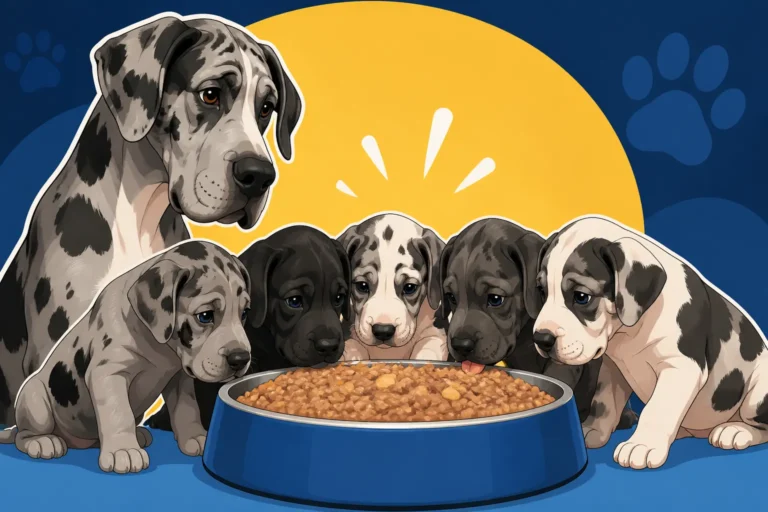
One of the biggest misconceptions new Great Dane owners face, especially if they're used to smaller breeds, is that all puppy food is created equal. It simply isn't. Standard puppy foods, often formulated for medium or small breeds, are typically very high in calories, protein, and critically, calcium and phosphorus. While these nutrients are essential, their ratios and overall levels can be detrimental to a rapidly growing giant breed.
Imagine a towering skyscraper being built. If the foundation is laid too quickly with improper materials, it might stand, but it will be unstable and prone to cracks and collapses later on. Similarly, a Great Dane puppy's bones and joints are developing at an astounding rate. Too much calcium, for instance, can lead to accelerated and abnormal bone growth, causing conditions like Hypertrophic Osteodystrophy in a Great Dane or osteochondrosis (OCD). These aren't just minor growing pains; they can be debilitating, painful conditions that require extensive veterinary intervention and can impact their entire life. We want slow, steady growth, not a growth spurt that strains their skeletal system. This is why specialized large or giant breed puppy formulas are paramount. They have carefully calibrated levels of calcium and phosphorus and a lower caloric density to ensure steady, healthy development. Why Regular Puppy Food Hurts a Great Dane explains this in more detail.
The Dangers of Too Much, Too Soon (or Too Little, Period)
It's a tricky tightrope walk. On one hand, overfeeding a Great Dane puppy with the wrong type of food can lead to orthopedic problems. On the other hand, underfeeding, especially severe or prolonged underfeeding, presents its own devastating set of challenges. A puppy that doesn't receive enough calories, protein, and essential micronutrients during its most critical growth phases won't simply be "smaller" or "leaner." Their body will prioritize survival, and development of crucial systems like their skeletal structure, muscle mass, immune system, and even cognitive function can be significantly impaired.
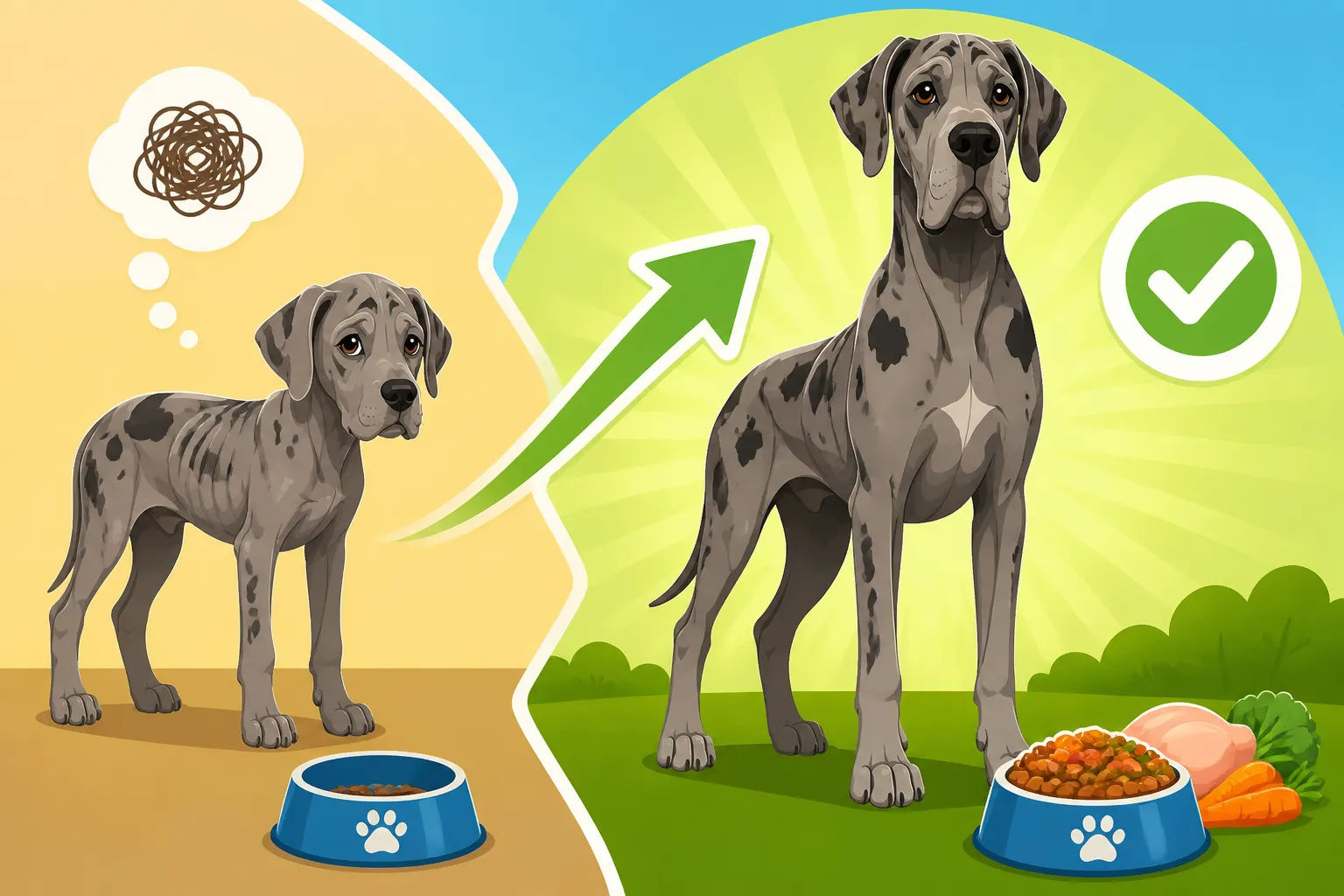
Consider a puppy who is chronically hungry. Their body will break down existing tissues for energy, impacting muscle development and even bone density. Their immune system might be compromised, making them more susceptible to illness. Their coat may become dull and sparse, and they can lack the typical energy and zest for life that defines a healthy puppy. While a Great Dane puppy should be kept lean, there's a distinct difference between lean and legitimately underfed, where ribs and hip bones are prominently visible, and there's little to no fat cover. Whether a Great Dane Puppy Should Be Kept Lean really drives home this distinction.
Can an Underfed Great Dane Puppy Ever Truly Catch Up?
This is the million-dollar question, and unfortunately, the answer isn't a simple yes or no. It largely depends on the severity and duration of the underfeeding, the age of the puppy when intervention begins, and the quality of the subsequent care. Puppies, especially very young ones, have an incredible capacity for resilience, but there are limits to what their developing bodies can overcome.
Assessing the Severity of Underfeeding and Its Impact
When a Great Dane puppy has been underfed, the immediate physical signs are usually quite apparent. You'll likely see prominent ribs, hip bones, and vertebrae. Their muscle mass might be noticeably underdeveloped, making them appear gaunt and weak. Their coat may be dull, dry, and perhaps thinning, reflecting a lack of essential fatty acids and proteins. Beyond the visible, you might notice:
- Lethargy and low energy levels: A healthy puppy is a whirlwind of activity; an underfed one often isn't.
- Stunted growth: They'll be significantly smaller than their age-matched peers, both in height and weight. You might want to check What a Great Dane Puppy Should Weigh at Four Months for typical benchmarks.
- Compromised immune system: They may be prone to frequent illnesses, skin infections, or parasites.
- Behavioral issues: Chronic hunger and discomfort can lead to anxiety around food, resource guarding, or general timidity.
The earlier and more severe the underfeeding, the more profound and potentially irreversible the impact. For example, a puppy severely malnourished during its earliest weeks may have permanent damage to bone density or organ development that even optimal nutrition later cannot fully reverse. Think of it like a plant that was starved of water and sunlight in its seedling phase; even if you give it perfect conditions later, it may never reach its full potential or have the same robust structure as one that thrived from the start.
The Window of Opportunity for Nutritional Intervention
The good news is that puppies, particularly before they hit their peak growth velocity (around 4-6 months), have a significant capacity for compensatory growth. If the underfeeding was relatively short-term or moderate, and the puppy is still quite young, there's a strong possibility they can "catch up" to a significant degree. Their bodies are designed to grow, and given the right fuel, they will attempt to do so with gusto.
However, "catching up" doesn't necessarily mean reaching the exact genetic potential they would have had with perfect care from day one. It means mitigating the damage, promoting healthy development, and helping them achieve a healthy weight and stature appropriate for their new, corrected trajectory. The goal isn't to force rapid growth to match their peers; it's to foster healthy growth. Rushing the process with excessive food or inappropriate supplements can do more harm than good, especially for their delicate joints.
| Factor | Impact on Catch-Up Potential |
|---|---|
| Age at Intervention | Younger puppies (under 4-5 months) have better prognosis. |
| Severity of Deficiency | Moderate, shorter-term deficiencies are more reversible. |
| Duration of Deficiency | Prolonged, chronic underfeeding leads to more permanent effects. |
| Quality of New Diet | Essential for gradual, balanced recovery. |
| Underlying Issues | Medical conditions (parasites, illness) must be addressed. |
| Genetics | Individual genetic resilience plays a role. |
This table illustrates that while there is hope, it's not a guarantee, and many factors contribute to the outcome.
Strategies for Rehabilitating an Underfed Great Dane Puppy
If you've brought home an underfed Great Dane puppy, or if you realize your own puppy hasn't been thriving, the path forward requires patience, dedication, and professional guidance. This isn't a situation for guesswork.
Working with Your Veterinarian: A Crucial Partnership
Your very first step should always be an immediate and thorough veterinary check-up. This isn't just about getting a diagnosis; it's about establishing a baseline and ruling out other underlying health issues. An underfed puppy is often more than just thin. They might have:
- Parasites: Intestinal worms are incredibly common in puppies and can steal vital nutrients, contributing to a poor body condition. Your vet will perform fecal tests and deworm as necessary.
- Infections: Bacterial or viral infections can suppress appetite and nutrient absorption.
- Other medical conditions: Though less common, congenital issues or organ dysfunction could contribute to poor weight gain.
Your veterinarian will assess their body condition score, recommend appropriate diagnostics, and help you formulate a safe and effective plan to gradually increase their nutrition. They'll also advise on specific large breed puppy food choices and how to introduce them without causing digestive upset. Don't be shy about asking for specific guidance on Calcium and Phosphorus in a Great Dane Puppy Bowl and What to Look For on a Great Dane Puppy Food Bag.
Crafting a Tailored Nutritional Plan
Once you have your vet's input, the real work begins. The goal is gradual and controlled weight gain, not a sudden feast. Rapid weight gain can put immense strain on a developing skeletal system and predispose them to orthopedic issues down the line.
-
Choose the Right Food: This is paramount. Select a high-quality large or giant breed puppy formula. These foods are designed with lower calcium and phosphorus levels and appropriate calorie densities to support steady, healthy growth. Brands like Royal Canin Giant Puppy, Eukanuba Large Breed Puppy, or Pro Plan Large Breed Puppy are often recommended. If you're exploring fresh food options, ensure they are specifically formulated for large breed puppies by a veterinary nutritionist, as homemade diets can be incredibly difficult to balance correctly for giant breeds. Some services, like Ollie, offer pre-portioned, human-grade food, but you'd need to verify their large breed puppy specific formulations and consult your vet. Many pet supply retailers like Chewy and Amazon carry a wide array of appropriate giant breed puppy formulas.
-
Start Slowly: Don't suddenly double their food intake. Begin by feeding the recommended amount for their current weight and age, divided into several smaller meals throughout the day (3-4 meals are ideal for puppies). Over several days to a week, you can slowly increase the amount, monitoring their stool and energy levels.
-
Frequent, Smaller Meals: Instead of two large meals, offer three or four smaller meals daily. This aids digestion and nutrient absorption, and helps avoid overwhelming their system, especially if they've been starved. This approach also mirrors the recommended feeding routine that can lower The Feeding Routine That Lowers Great Dane Bloat Risk later in life.
-
Avoid Supplements Unless Advised: Resist the urge to add extra calcium, vitamins, or other supplements without specific veterinary instruction. As we discussed, too much calcium is a major concern for Great Danes and can cause more harm than good. Why Calcium Supplements Damage a Great Dane is a critical read.
-
Monitor Body Condition: Regularly assess their body condition score (BCS). You should be able to feel their ribs easily, but not see them sharply protruding. There should be a slight waist when viewed from above, and an abdominal tuck from the side. Your vet can show you how to properly assess this. This is more important than simply watching the number on the scale rocket up.
Monitoring Progress and Adjusting as Needed
This journey is not a straight line. Your puppy's recovery will be dynamic, and you'll need to be observant and flexible.
- Weekly Weight Checks: Your vet may recommend weekly or bi-weekly weight checks to ensure they are gaining weight at a healthy, controlled pace.
- Observe Stool Quality: Loose stools or diarrhea can indicate you're increasing food too quickly, or that there are underlying digestive issues or parasites still at play.
- Energy Levels and Behavior: As they gain weight and health, you should see an increase in energy, playfulness, and overall vitality. Their coat should improve in shine and texture.
- Follow-Up Vet Visits: Regular follow-up appointments with your veterinarian are essential to adjust the feeding plan, address any emerging concerns, and monitor their overall health and development.
This period also requires careful management of their activity. While healthy Great Dane puppies need exercise, forced, strenuous exercise should be avoided during rehabilitation to prevent stress on their recovering joints and bones. Focus on appropriate, free play and short, gentle walks. Understanding Exercise Limits While a Great Dane Is Still Growing is crucial here.
Long-Term Considerations for a Formerly Underfed Dane
Even after an underfed Great Dane puppy has seemingly "caught up" and reached a healthy weight, the impact of their early nutritional deficiencies can sometimes linger. It's important to be aware of potential long-term issues and to continue providing excellent care.
Potential Lingering Health Issues
While many puppies make a fantastic recovery, some may experience residual effects.
- Orthopedic Concerns: Despite best efforts, severe early malnutrition can sometimes contribute to developmental orthopedic diseases later in life, such as hip or elbow dysplasia, or other joint issues. This is why careful growth management is so vital. Consistent Great Dane Hip and Elbow Screening as they mature, as recommended by your vet, can help monitor for these issues.
- Stunted Size: In some cases of prolonged, severe underfeeding, a Great Dane may never reach the full genetic height and weight potential they would have had otherwise. They might be healthy, but simply on the smaller end of the breed standard.
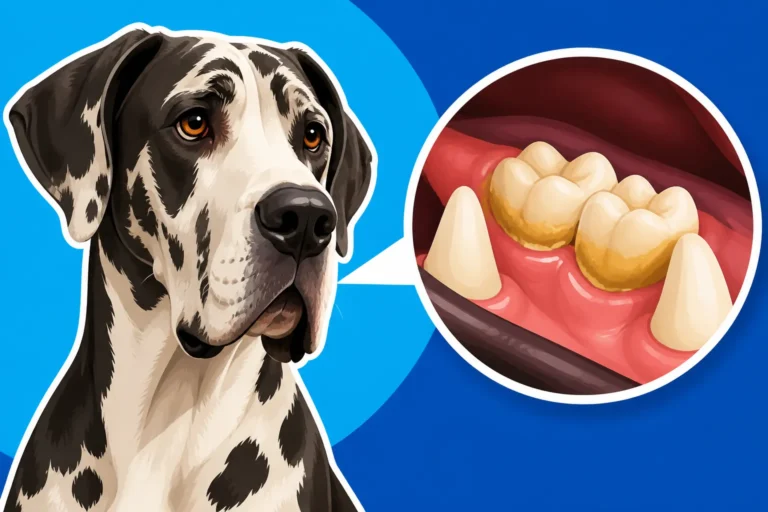
- Dental Health: Poor nutrition in puppyhood can sometimes affect dental development, leading to weaker enamel or misaligned teeth. Regular dental care, including brushing and veterinary check-ups, becomes even more important. Keeping a Great Dane's Very Large Mouth Clean should be a priority.
- Behavioral Habits: Puppies who experienced food insecurity may retain some anxiety around food, even in an abundant home. This could manifest as eating too quickly, resource guarding, or an intense focus on meal times. Continued positive reinforcement training and careful management can help alleviate these behaviors.
It's important to remember that every puppy is an individual, and the extent of these lingering issues will vary widely. Maintaining open communication with your veterinarian is key to addressing any concerns that arise.
The Importance of Consistent, High-Quality Care
Moving forward, your commitment to consistent, high-quality care is what will allow your Great Dane to thrive.
- Maintain Optimal Nutrition: Continue feeding a high-quality large breed adult dog food once they've transitioned from puppy food, following your vet's guidance on when that transition should happen (often around 18-24 months for Great Danes). Keep them lean throughout their life. Feeding an Adult Great Dane Six to Ten Cups is the norm, but always adjust to their individual metabolism and activity level.
- Regular Veterinary Check-ups: Don't skip annual exams, even if your dog seems healthy. These check-ups are crucial for early detection of any health issues, especially those common to Great Danes, and for staying on top of preventive care.
- Appropriate Exercise: Ensure they get regular, moderate exercise that supports their joint health without overexertion. Avoid high-impact activities, especially during their growth phase.
- Mental Stimulation and Training: A well-adjusted Great Dane is not just physically healthy, but mentally engaged. Continue with training and provide plenty of mental enrichment.
- Comfortable Living Environment: Provide soft, orthopedic bedding to protect their joints, especially their elbows. Bedding a Great Dane to Protect Its Elbows is not a luxury, it's a necessity.
While the journey of helping an underfed Great Dane puppy catch up can be challenging, it is also incredibly rewarding. With dedicated care, veterinary partnership, and a commitment to their specific nutritional needs, you can give your giant breed companion the best possible chance at a long, healthy, and happy life.
Disclaimer
This article is for general informational purposes only and does not constitute professional advice. Laws, prices and regulations vary by location and change over time. Consult a qualified professional for guidance on your specific situation.