Feeding a Great Dane Puppy Free Choice
It's incredibly tempting to imagine your adorable Great Dane puppy, all gangly legs and clumsy paws, having free access to their food bowl throughout the day. You might think it's natural, that they'll eat when they're hungry and stop when they're full, just like a human baby. But for a giant breed puppy like a Great Dane, free-choice feeding can actually be a recipe for serious health problems down the road, and it's a practice we really need to rethink. This guide will delve into why free-feeding isn't the best approach for these magnificent puppies and outline a much healthier, structured feeding strategy to ensure your Dane grows up strong and sound.
Understanding the Unique Nutritional Needs of a Great Dane Puppy
Great Dane puppies aren't like other puppies. Their growth rate is absolutely astronomical, going from a tiny bundle to a huge, imposing dog in a relatively short amount of time. This incredibly rapid development puts immense stress on their growing bones and joints, making their diet critically important. What might be perfectly fine for a Beagle puppy can be detrimental to a Great Dane.
Why "Regular" Puppy Food Isn't Right for a Great Dane
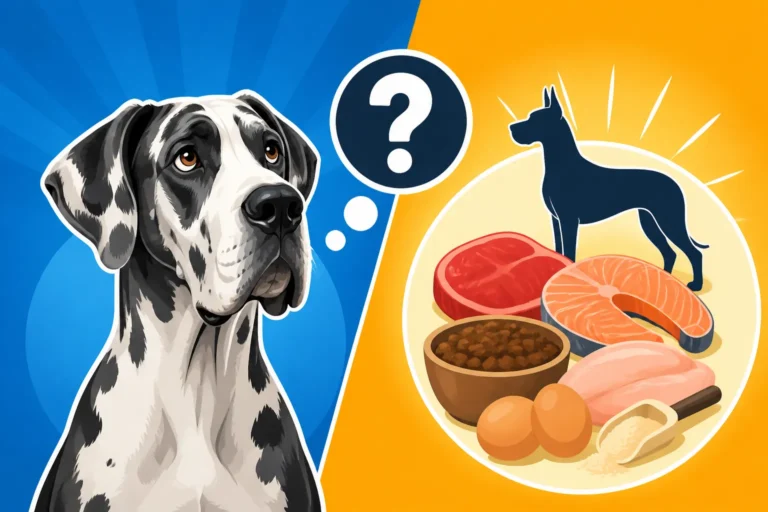
When you head to the pet store or browse online retailers like Chewy or Amazon, you'll see a dizzying array of puppy foods. Many of these are formulated for "all breeds" or "medium to large breeds," but these generic options often fall short of what a Great Dane puppy truly needs. The core issue lies in the balance of nutrients, specifically calcium, phosphorus, and overall calorie density.
Regular puppy foods are often packed with higher levels of protein, fat, and calories to fuel rapid growth in smaller breeds. For a Great Dane, this can be too much of a good thing. Overfeeding calories or providing an imbalanced calcium-to-phosphorus ratio can cause their bones to grow too quickly, leading to structural weaknesses and developmental orthopedic diseases. Imagine trying to build a skyscraper with marshmallow girders – that's what happens when a giant breed puppy grows too fast. Their skeletal system simply can't keep up with the demands placed on it by such rapid weight gain and bone elongation. This is why you'll often hear us emphasize Why a Great Dane Puppy Should Grow Slowly and pay close attention to Calcium and Phosphorus in a Great Dane Puppy Bowl. It's not about stifling growth, but about fostering controlled, healthy growth.
The Dangers of Overfeeding a Growing Giant
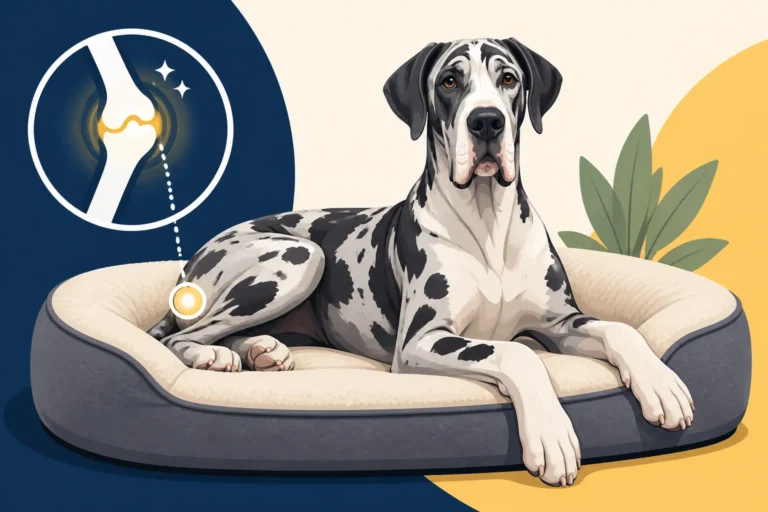
The implications of feeding a Great Dane puppy incorrectly extend far beyond just an extra pound or two. Overfeeding, especially in the context of free-choice feeding where precise intake is guesswork, significantly increases the risk of debilitating conditions. One of the most common issues is Hypertrophic Osteodystrophy (HOD), a painful inflammatory disease of the growth plates, which is often linked to excessive calorie and calcium intake in rapidly growing large and giant breeds. Osteochondritis Dissecans (OCD), where cartilage fails to develop properly and separates from the bone, is another significant concern. These aren't just minor aches; they can lead to chronic lameness, expensive surgeries, and a lifetime of discomfort for your beloved Dane.
The goal for a Great Dane puppy is steady, moderate growth, not reaching their adult size as fast as possible. You want them to fill out gradually, allowing their bones and joints to mature and strengthen at a pace they can handle. Pushing them to grow faster, which free-choice feeding often encourages, can result in irreparable damage. It’s a harsh reality, but knowing Why Fast Growth Wrecks Great Dane Joints is crucial for any Great Dane owner. Conditions like Hypertrophic Osteodystrophy in a Great Dane are far more common than many new owners realize, precisely because of these feeding pitfalls.
The Pitfalls of Free-Choice Feeding for Great Dane Puppies
While free-choice feeding might seem convenient for busy owners, it introduces a host of problems specifically magnified by the unique physiology of a Great Dane puppy. The lack of structure and control can undermine even the best intentions for their healthy development.
Inconsistent Intake and Growth Spurts
One of the biggest issues with free-choice feeding is the sheer inconsistency of a puppy's caloric intake. Instead of eating a balanced meal, a puppy might graze throughout the day, taking small bites here and there, or, conversely, gorge themselves periodically when they feel a burst of hunger. This erratic consumption makes it impossible to regulate their daily nutrition accurately. On days they graze lightly, they might not get enough essential nutrients, and on days they gorge, they could easily consume far too many calories.
This inconsistency leads to uneven growth, characterized by sudden growth spurts rather than the desirable slow, steady development. Think of it like a car constantly accelerating and braking rather than maintaining a smooth, consistent speed. These sudden bursts of growth place immense stress on rapidly forming bones and cartilage, increasing their susceptibility to the aforementioned orthopedic issues. You're effectively losing control over one of the most critical factors in their long-term health. The goal is to avoid these sudden spikes and dips in growth, which a structured feeding schedule helps to mitigate.
Difficulty Monitoring Health and Appetite
Another critical drawback of free-choice feeding is that it completely obscures one of the most valuable health indicators: your puppy's appetite. If a Great Dane puppy on a free-choice diet suddenly starts eating less, or even stops altogether, it might go unnoticed for hours, or even a full day. You wouldn't know when they stopped eating, or how much they consumed prior.
A change in appetite is often one of the first, most subtle signs that something is wrong with your puppy. It could indicate anything from a minor tummy upset to a more serious illness or even the onset of a painful orthopedic condition. When you feed on a schedule, you know exactly how much food was offered and how much was consumed. If your puppy leaves food in the bowl, or shows less enthusiasm than usual, it's an immediate red flag that prompts you to observe them more closely or contact your veterinarian. With a Great Dane, who can go downhill quickly when ill, catching these subtle cues early can be life-saving. For instance, if you notice A Great Dane Puppy That Refuses Food, you know something is amiss immediately. Without scheduled meals, that crucial insight is lost.
Establishing a Healthy Mealtime Routine
Moving away from free-choice feeding doesn't have to be complicated. In fact, establishing a routine provides structure and security for your puppy and gives you vital control over their health and growth.
Portion Control and Scheduled Meals
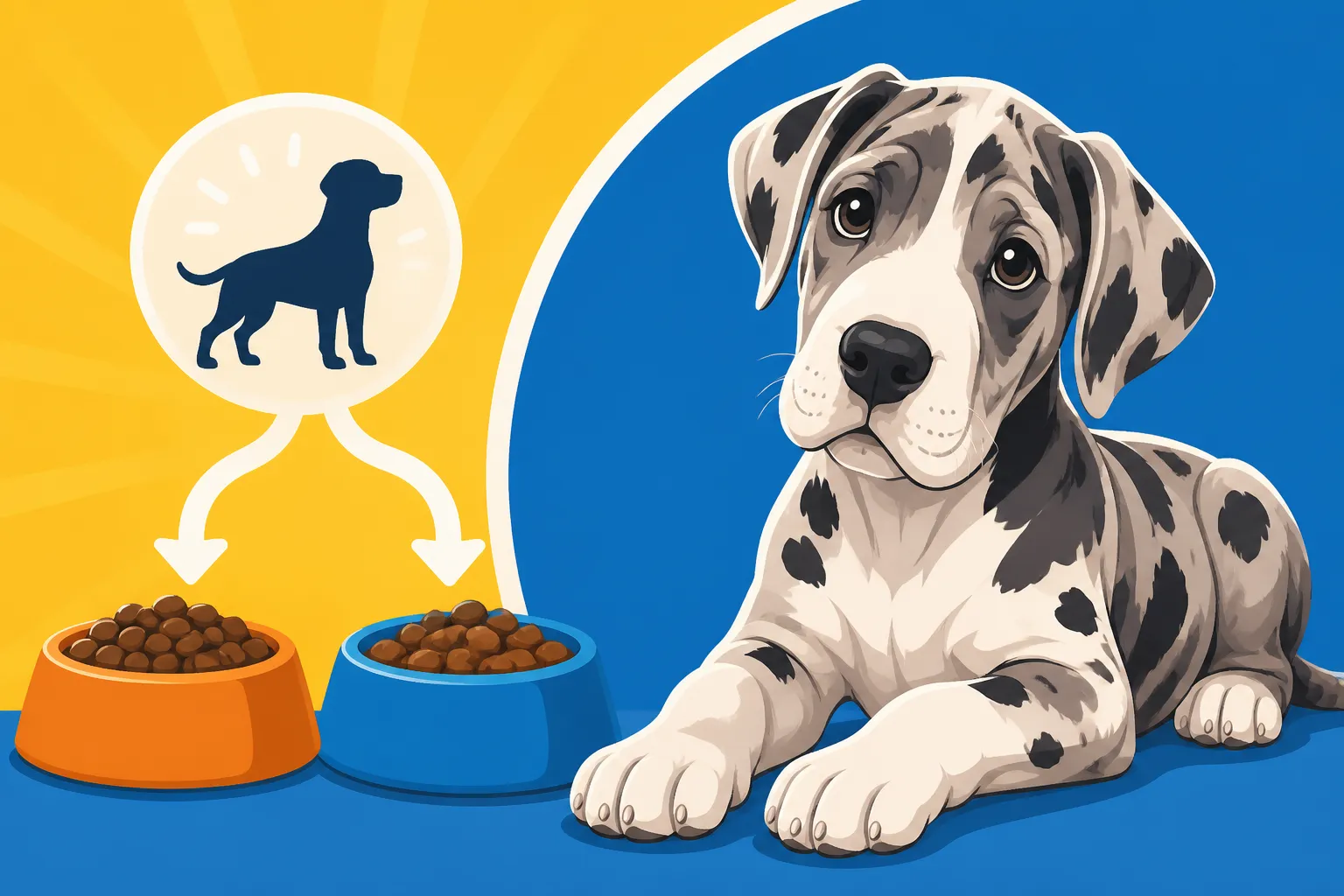
The cornerstone of healthy Great Dane puppy feeding is portion control and scheduled mealtimes. This means measuring out their food precisely according to the guidelines on your chosen large breed puppy food, or better yet, as advised by your veterinarian, and offering it at consistent times throughout the day. For most Great Dane puppies, this means 2-3 meals daily, tapering from three meals to two as they approach adulthood, usually around 8-12 months of age. How Many Meals a Great Dane Puppy Eats a Day can vary slightly depending on their age and individual metabolism, but consistency is key.
When you weigh or measure their food, you ensure they're receiving the correct amount of calories and nutrients to support steady growth without overdoing it. It's not about making them feel deprived, but about preventing the adverse effects of excessive nutrition. Regularly assess your puppy's body condition by feeling their ribs and looking for a discernible waist. You should be able to feel their ribs easily without seeing them sharply, and they should have a slight tuck up from their chest to their hips. This is what we mean by Reading Ribs on a Great Dane – it's a practical way to monitor their weight. If you're unsure, your vet can provide guidance and help you adjust portions as your puppy grows.
Creating a Calm and Predictable Feeding Environment
Mealtime should be a positive, stress-free experience for your Great Dane puppy. Designate a quiet, consistent feeding spot where they won't be disturbed by other pets, children, or household activity. This predictability helps reduce anxiety and can prevent issues like resource guarding, where a dog becomes possessive over their food.
Offer their measured meal, allow them 15-20 minutes to eat, and then pick up the bowl, whether they've finished or not. This teaches them to eat when food is available and reinforces the idea that you control the food supply. Some owners prefer using raised bowls, which can be helpful for Great Danes due to their deep chests and height, as it can make eating more comfortable and potentially reduce strain on their neck and back. While the impact of raised bowls on bloat risk is a complex and debated topic, for general comfort, especially as they grow taller, it's something many Great Dane owners consider. You can delve more into the discussion around Whether Raised Bowls Help or Hurt a Great Dane to make an informed decision for your pup.
Choosing the Right Food and How to Manage It
Selecting the right diet is just as important as the feeding routine itself. Given the Great Dane's specific needs, this isn't an area to cut corners or choose blindly.
Selecting a High-Quality Large Breed Puppy Formula
When choosing food for your Great Dane puppy, look specifically for formulas labeled "large breed puppy" or "giant breed puppy." These foods are meticulously formulated with controlled calcium and phosphorus levels, and moderate calorie and fat content, all designed to support that slow, steady growth we've been talking about. Turn the bag over and check the guaranteed analysis. You're typically looking for calcium levels in the range of 1.0-1.5% and phosphorus around 0.8-1.2%, with a calcium-to-phosphorus ratio between 1.1:1 and 1.3:1. These numbers are critical. What to Look For on a Great Dane Puppy Food Bag can seem daunting, but these percentages are key indicators.
Many reputable pet food brands offer excellent large breed puppy formulas. You can find these specialized diets readily available from major online retailers like Chewy and Amazon, which often carry a broader selection than local stores. While newer options like fresh food delivery services (e.g., Ollie) are gaining popularity, if you choose this route, it's absolutely vital to ensure that the specific formula you select is nutritionally balanced for a large breed puppy and provides those controlled calcium and phosphorus levels. Always consult your veterinarian when considering any diet change, especially with a Great Dane puppy, to ensure it meets their unique developmental requirements.
Transitioning and Adjusting Food Intake
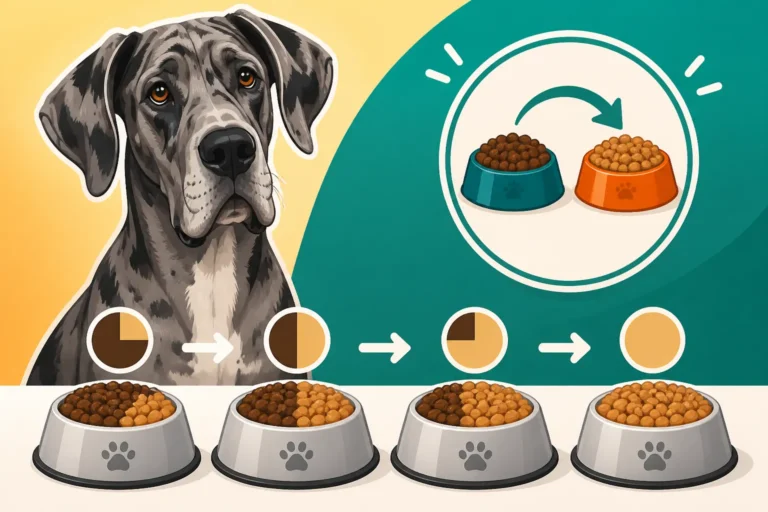
When you bring your Great Dane puppy home, they'll likely be on a specific food from their breeder or rescue. If you decide to switch to a different large breed puppy formula, always do so gradually over 7-10 days. Start by mixing a small amount of the new food with their old food, slowly increasing the proportion of the new food while decreasing the old. This slow transition helps prevent digestive upset like diarrhea or vomiting.
As your Great Dane puppy grows, their caloric needs will change. They won't just keep eating the same amount. Monitor their body condition regularly – weekly or bi-weekly for puppies – and adjust their food intake as needed. If they're looking too thin (ribs too prominent), slightly increase their portions. If they're getting a bit round, slightly decrease them. Always err on the side of lean for a growing Great Dane. Your veterinarian is your best resource for guiding these adjustments. They can help you determine What a Great Dane Puppy Should Weigh at Four Months and beyond, and when it might be appropriate to transition from puppy food to a large breed adult formula, often around 12-18 months. Remember, for Great Danes, staying on puppy food too long, or switching to adult food too early, can have consequences. We've talked before about Whether Adult Food Slows a Great Dane's Growth or Whether an Underfed Great Dane Puppy Catches Up, and proper nutrition at each stage is vital.
| Feature | Free-Choice Feeding (Not Recommended) | Scheduled Feeding (Recommended) |
|---|---|---|
| Control Over Intake | Low; puppy eats whenever, potentially overeating or undereating | High; precise measurement ensures correct calorie and nutrient intake |
| Growth Management | Poor; erratic intake can lead to too rapid growth and joint issues | Excellent; supports slow, steady growth essential for giant breeds |
| Health Monitoring | Difficult; hard to notice changes in appetite, a key health indicator | Easy; quick to spot if your puppy isn't finishing meals or seems overly hungry |
| Digestion & Bloat | Potentially increased risk of bloat (though not primary cause), inconsistent digestion | More consistent digestion; can incorporate pre/post-meal resting periods |
| Behavior Training | Less structure; can encourage grazing or resource guarding | Creates routine; reinforces owner as provider; aids in house training |
Disclaimer
This article is for general informational purposes only and does not constitute professional advice. Laws, prices and regulations vary by location and change over time. Consult a qualified professional for guidance on your specific situation.