Whether Great Danes Eat Less Than People Expect
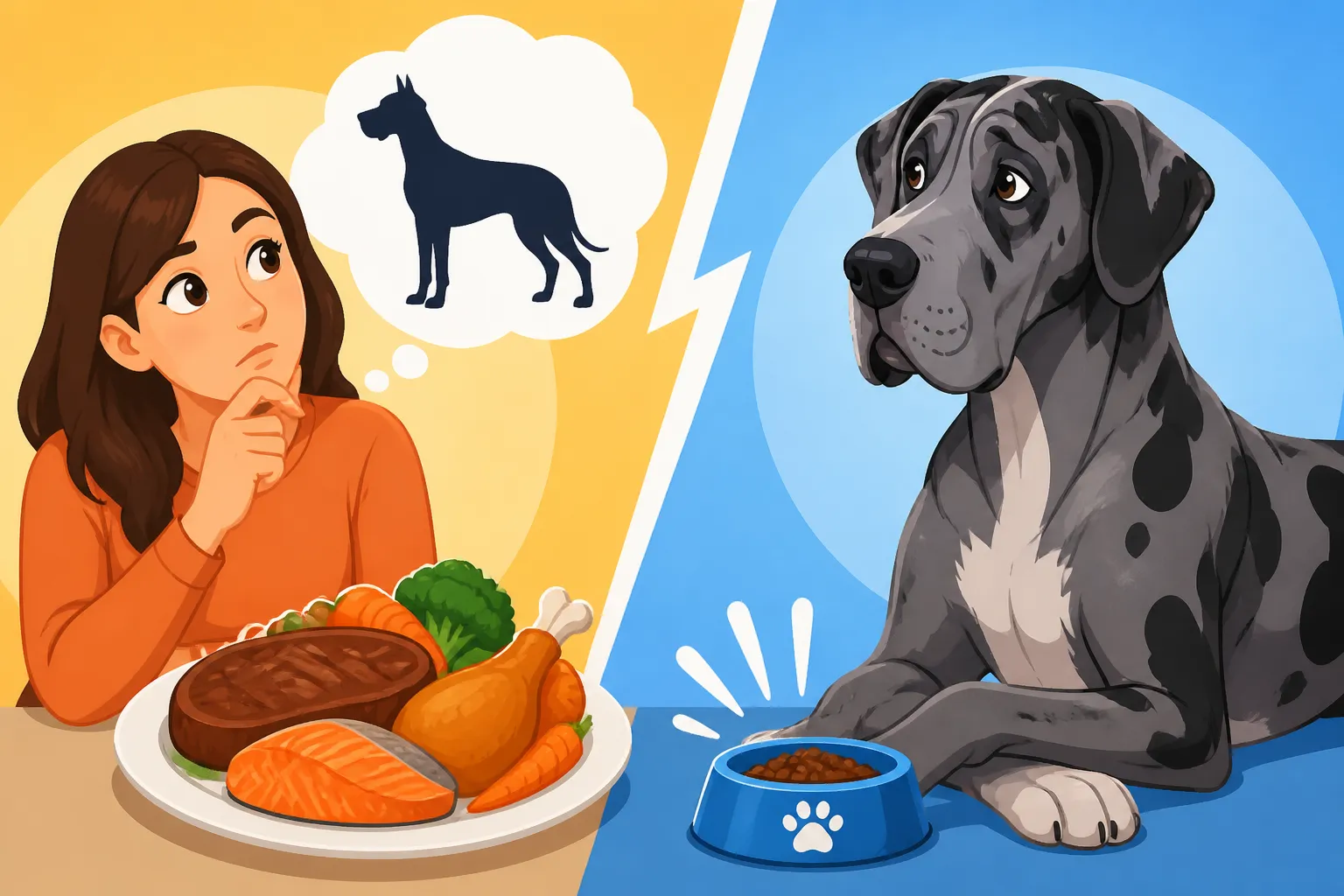
It’s a common misconception, isn't it? You see a Great Dane, a truly magnificent and enormous animal, and your first thought is probably something along the lines of, "Wow, that dog must eat me out of house and home!" Many people assume that because these gentle giants are so massive, their food bowls must be perpetually overflowing with astronomical quantities of kibble. While it's true that they eat more than a Chihuahua, the reality of a Great Dane's dietary needs can actually be a little different from what the casual observer might expect. This guide will explore the nuances of feeding a Great Dane, helping you understand their actual caloric requirements and why proper portion control is far more critical than simply filling a gigantic bowl.
The Giant Myth: Why People Overestimate Great Dane Appetites
There’s a natural human tendency to associate size with consumption. The bigger the creature, the more it must eat, right? For Great Danes, this perception is amplified by their sheer scale. They truly are among the largest dog breeds, often weighing over 100 pounds and standing tall enough to eye your kitchen counters without effort. This impressive stature leads many to envision them devouring vast quantities of food, far beyond what's truly healthy or necessary.
The Visual Impact of a Great Dane's Size
Just looking at a full-grown Great Dane, especially a large male, can be awe-inspiring. They command attention, their long legs and deep chests making them seem almost mythical. When friends or family visit and meet my Danes, inevitably one of the first questions is, "How much do they eat?!" And when I give a realistic figure, often their eyes widen in surprise. They've already mentally pictured a dog that needs a five-gallon bucket of food daily just to survive. It's a testament to their imposing presence that our brains jump to such conclusions about their caloric needs.
This visual impact can unfortunately lead to overfeeding, particularly by well-meaning owners who believe they aren't giving their Dane "enough" if the bowl isn't overflowing. We often project our own eating habits or those of smaller, more active breeds onto these giants. But Great Danes, despite their size, often have a more moderate metabolism compared to some other very active breeds. They aren't typically running marathons or herding sheep all day, and their energy expenditure might be less than you'd assume for a dog of their build.
The Danger of Overfeeding a Growing Giant
One of the most critical times when the "more is better" mentality can cause serious harm is during a Great Dane's puppyhood. These dogs grow at an astonishing rate, sometimes gaining several pounds a week. It's natural for owners to want to fuel this growth, perhaps thinking that extra food will help them reach their full genetic potential faster or make them stronger. However, the exact opposite is true. Overfeeding a Great Dane puppy, particularly with foods high in calcium and phosphorus not formulated for large breeds, can lead to devastating orthopedic problems. Why a Great Dane Puppy Should Grow Slowly explains this in detail.
Rapid growth puts immense strain on developing bones and joints, which are not designed to carry so much weight so quickly. Conditions like hypertrophic osteodystrophy (HOD) or osteochondritis dissecans (OCD) are heartbreakingly common in puppies that are overfed or given inappropriate supplements. Instead of a bulging belly, we're aiming for a lean, almost gangly appearance during puppyhood, where you can easily feel but not necessarily see their ribs. This slower, controlled growth is paramount for long-term joint health. So, while your well-meaning neighbor might gasp at your "small" portions for a growing giant, you're actually doing your Dane a massive favor.
Factors That Truly Influence a Great Dane's Food Intake
So, if it’s not just about sheer size, what does determine how much a Great Dane should eat? It comes down to a few key factors that are true for any dog, but carry particular weight with our giants. It's about finding that sweet spot between adequate nutrition and preventing the health issues associated with over- or underfeeding.
Age and Life Stage: Puppy, Adult, Senior
Just like people, a Great Dane's caloric needs shift dramatically throughout their life.
Puppy Power vs. Controlled Growth
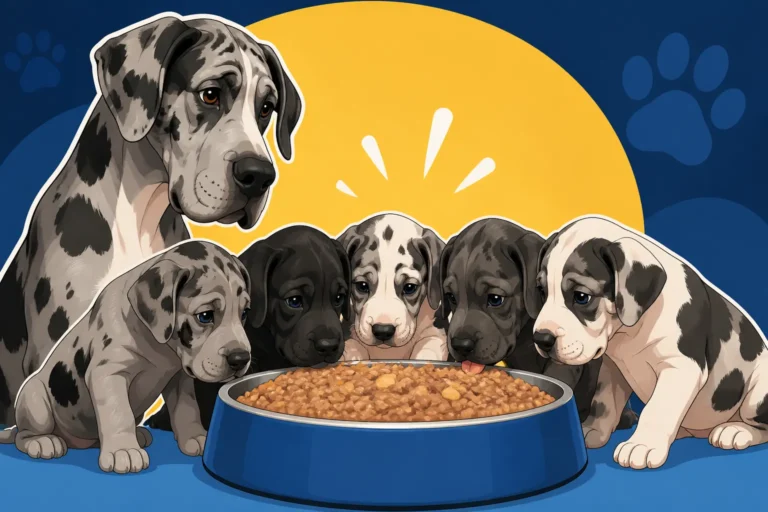
A Great Dane puppy, while growing rapidly, doesn't need to be fed an exorbitant amount of "regular" puppy food. In fact, standard puppy food is often too high in calories and calcium for their unique growth plates. What they need is a high-quality large breed puppy formula, specifically designed to promote slow, steady growth. This type of food typically has a carefully controlled calcium-to-phosphorus ratio and a moderate protein content. Why Great Dane Puppy Food Is Different delves into the specifics.
A young Great Dane, say between 3 and 18 months, will still eat a significant amount of food, often more than an adult Dane simply due to the energy demands of growth. However, this is tightly managed. Instead of free-feeding, which can easily lead to overconsumption, measured meals several times a day are crucial. As they mature, usually around 18-24 months, their growth slows, and their dietary needs will transition to an adult formula.
The Lean Adult Dane
Once a Great Dane reaches adulthood, their metabolic rate often settles into a more moderate pace than many people anticipate. They're not the high-energy, constantly moving dogs that some smaller breeds are. A typical adult Great Dane might eat anywhere from 6 to 10 cups of high-quality dry kibble per day, split into at least two or three meals. This range depends heavily on their individual metabolism, activity level, and the caloric density of the food itself. Feeding an Adult Great Dane Six to Ten Cups provides a deeper dive into this.
The goal for an adult Dane is to maintain a lean body condition. You should be able to easily feel their ribs when you run your hands along their side, but they shouldn't be visibly prominent or "ribby." Their waist should tuck up slightly behind their rib cage when viewed from above. An overweight Great Dane is at higher risk for joint problems, heart issues, and even bloat. This is where the "eating less than expected" idea truly takes hold – many might expect a 150-pound dog to eat 15-20 cups, but that would be far too much for most healthy adults.
Adjusting for Senior Danes
As a Great Dane enters their senior years, typically around 6-7 years old, their activity level will likely decrease further, and their metabolism may slow. This means their caloric needs will also reduce. Feeding and Grooming an Old Great Dane covers the specific adjustments needed. Continuing to feed an older Dane the same amount they ate in their prime can quickly lead to unwanted weight gain, exacerbating any existing joint pain or other age-related conditions. Senior-specific dog foods are often lower in calories and may include added joint support.
Activity Level and Metabolism: Couch Potato vs. Weekend Warrior
Not all Great Danes are created equal when it comes to their energy levels, and this plays a huge role in their food requirements.
The Average Dane: A Lot of Couch Time
Most Great Danes are, by nature, fairly relaxed indoors. They love to sprawl on the couch, lean against you, and enjoy quiet companionship. While they certainly need regular, moderate exercise – daily walks, some playtime in the yard – they aren't typically high-strung, constantly active dogs that burn through calories at an alarming rate. A Great Dane that spends a good portion of its day napping will require less food than one that has a more active routine.
Think of it this way: your Dane isn't likely to be chasing squirrels for hours on end or doing intense agility training (though some certainly do!). Their "exercise" might be a leisurely stroll around the block or a romp in a fenced yard. For these dogs, sticking to the lower end of the recommended food intake range is often appropriate to prevent weight gain.
The More Active Dane: When More is Needed
Some individual Great Danes are naturally more energetic, or their owners might lead a more active lifestyle that includes them. Perhaps they join you for longer, brisk walks, enjoy swimming, or participate in dog sports like obedience or tracking. These Danes will naturally burn more calories and will need a bit more food to maintain their ideal weight. Similarly, intact males and females, especially those who are pregnant or lactating, will have higher caloric demands.
It's about being observant. Reading Ribs on a Great Dane is an excellent guide to understanding your dog's body condition. If your Dane is looking too thin despite adequate feeding, or if their energy levels are consistently low, it might be a sign they need a little more fuel, or perhaps a vet check-up to rule out underlying health issues. Conversely, if they're starting to get a little 'pudgy,' it's time to cut back slightly.
Food Quality and Type: Calories Per Cup Matter
The type and quality of food you offer your Great Dane also significantly impact how much they need to eat.
Calorie Density: Not All Kibbles Are Equal
A premium, high-quality dog food designed for large breeds will often be more nutrient-dense and have a higher caloric count per cup than a cheaper, filler-heavy brand. This means your Dane might actually need to eat less of a good quality food to get all the necessary nutrients and calories, compared to a lower-quality option. A food rich in healthy fats and proteins will provide more sustained energy.
Consider the ingredients list: a food with whole meat sources (chicken, beef, lamb) as the first few ingredients, healthy fats, and digestible carbohydrates will typically be more efficient. Conversely, if the first ingredients are corn, wheat, or by-products, your Dane might need to eat more volume to feel satisfied and meet their nutritional requirements, potentially leading to more waste and less efficient digestion. Always check the feeding guidelines on the bag, but remember these are just starting points. Brands like Chewy often carry a wide range of large-breed specific formulas, making it easier to compare options.
Wet, Fresh, or Raw: Different Nutritional Profiles
If you're feeding a wet food, fresh-prepared diet (like those offered by Ollie), or a raw diet, the caloric density and moisture content will be entirely different from dry kibble. Wet foods, for instance, are primarily water, so your Dane would need to consume a much larger volume to get the same number of calories as kibble. Fresh or raw diets, while often very nutrient-dense, also have different feeding calculations.
For these types of diets, it's crucial to work with your veterinarian or a canine nutritionist to ensure you're meeting your Great Dane's specific needs without over- or underfeeding. This is particularly important for growing puppies, where imbalances can be detrimental. It's not uncommon for owners to overestimate the required volume of fresh food because it looks like less when compared to a mountain of kibble, even if the caloric intake is actually balanced.
Smart Feeding Practices for Your Great Dane
Beyond understanding the caloric needs, how you feed your Great Dane is just as important as what you feed them. Strategic feeding can help prevent common Great Dane health issues and ensure their overall well-being.
Portion Control and Regular Body Condition Scoring
This is probably the single most important aspect of feeding a Great Dane, especially given their predisposition to orthopedic problems if overweight. As we've discussed, it's very easy to overfeed a Great Dane, even accidentally, because their sheer size makes portions seem smaller than they are.
Consistent, Measured Meals
The best practice is to weigh or precisely measure your Great Dane's food portions using a dedicated scoop or kitchen scale. Don't eyeball it! Even a slight overestimation each day can lead to significant weight gain over weeks and months. Divide their total daily allowance into at least two or ideally three smaller meals. This strategy isn't just about preventing overeating; it's a critical component in reducing the risk of bloat, a life-threatening condition Great Danes are particularly susceptible to. Meal Habits That Cut a Great Dane's Twist Risk offers more insights into this vital prevention strategy.
Monitoring Body Condition
Regularly assess your Great Dane's body condition. This means feeling their ribs, spine, and hip bones. You should be able to feel their ribs without pressing hard, but they shouldn't be visible from a distance (except for a very brief glimpse of the last rib when they turn). They should have a noticeable waist when viewed from above and a slight tuck-up in their abdomen when viewed from the side. If you're struggling to feel their ribs, or if they have no discernible waist, it's time to talk to your vet about a weight management plan. Early intervention is key, as Slimming a Great Dane Without Starving It illustrates. Remember, a lean Dane is a healthier Dane, especially for their joints.
Managing Treats and Supplements
Treats and supplements can quickly add hidden calories that throw off your Great Dane's meticulously planned diet.
Mindful Treat Giving
It's tempting to shower our beloved Danes with treats, especially when they give you those soulful eyes. However, treats should make up no more than 10% of their daily caloric intake. Choose low-calorie, healthy options like plain cooked green beans, baby carrots, or small pieces of lean cooked meat. Break larger treats into smaller pieces. Even substantial treats like dental chews or bully sticks, while beneficial for dental health, contribute calories. If you're using treats for training, factor those calories into their daily food allowance.
Many online retailers, like Amazon, offer bulk bags of low-calorie training treats or even specific "giant breed" dental chews that are sized appropriately but still need to be accounted for. Don't fall into the trap of thinking a small treat is insignificant for such a large dog; cumulative calories add up quickly.
Supplement Smarts
While some supplements like glucosamine and chondroitin can be beneficial for joint health, especially in older Danes, they should always be discussed with your veterinarian. Joint Support Built Into Great Dane Food is a good read if you're looking into these options. Be cautious with over-the-counter supplements, especially those containing extra calcium for puppies. As mentioned earlier, excessive calcium can actually harm a growing Great Dane's skeletal development. Always follow veterinary guidance when considering any supplements for your Great Dane.
The Bloat Connection: Slow Eating and Rest
We can't talk about Great Dane feeding without emphasizing the crucial link to bloat (Gastric Dilatation-Volvulus or GDV). Great Danes have an elevated risk for this emergency condition, where the stomach fills with gas and can twist, cutting off blood supply. How they eat, and their activity around meal times, can influence this risk.
Slow Down the Gobbling
Great Danes who eat too quickly, essentially "vacuuming" their food, can ingest a lot of air along with their meal, which may contribute to bloat. Using a slow feeder bowl can be incredibly helpful. These bowls have raised obstructions that force the dog to eat around them, significantly slowing down their intake. There are many different designs available on platforms like Chewy, some specifically designed for larger breeds.
Another strategy is to scatter their kibble across a clean, flat surface, forcing them to "hunt" for each piece. This natural foraging also slows them down. Splitting their daily food into multiple, smaller meals throughout the day also reduces the volume of food in the stomach at any one time.
The "Hour Rule" and Post-Meal Rest
It's widely recommended to avoid vigorous exercise, excitement, or even excessive water consumption for at least an hour before and after meals. This "hour rule" helps ensure the stomach has adequate time to begin digestion without being tossed or turned by physical activity. A Great Dane should have a calm, quiet place to eat and then relax afterward. This means no playing, running, or car rides immediately after they’ve finished their dinner. The Hour Either Side of a Great Dane's Meal explains more about this crucial preventative measure.
The Financial Reality: Why Great Dane Food is Still a Significant Cost
Even if your Great Dane doesn't eat quite as much as some people expect, they still eat a substantial amount of high-quality food, and that comes with a price tag. The idea that they eat "less" is relative; they still eat far more than smaller dogs.
Quality Over Quantity, But Still Quantity
A 100-150 pound Great Dane requires a significant amount of calorie-dense, nutritious food every single day. Even if it's "only" 6-10 cups, that bag of kibble will empty much faster than a bag for a Labrador or a Beagle. Choosing a reputable large breed formula, which is often more expensive per pound, is an investment in your Dane's long-term health, particularly their joint development and overall well-being.
Owners quickly learn that buying in bulk is often the most economical way to manage these costs. Large 30-40 pound bags are a staple for Dane owners. Planning your purchases, watching for sales, and considering subscription services can help manage the financial outlay. Monthly Food Spending on a Great Dane delves into the typical costs. The initial sticker shock of a large bag of premium kibble fades when you consider the health benefits and the alternative costs of vet bills for diet-related issues.
The Ongoing Investment
So, while the myth of the endlessly eating Great Dane might be slightly overblown, the reality is that providing appropriate, high-quality nutrition for these magnificent dogs is a continuous, significant financial commitment. It requires diligent portion control, careful monitoring of their body condition, and an understanding of their unique dietary needs at every stage of life. The "less than expected" really means "precisely what's needed for optimal health," which might not be the astronomical amounts some envision, but it's certainly not negligible.
A healthy, well-fed Great Dane is a joy to live with, and that starts with understanding their unique nutritional landscape.
Disclaimer
This article is for general informational purposes only and does not constitute professional advice. Laws, prices and regulations vary by location and change over time. Consult a qualified professional for guidance on your specific situation.