The Lifetime Bloat Risk in a Great Dane
The gut-wrenching fear of bloat, medically known as Gastric Dilatation-Volvulus (GDV), is a constant, terrifying shadow that hangs over every Great Dane owner. It’s not just a concern; it’s a living nightmare that can strike without warning, turning a perfectly happy giant into a critical emergency within minutes. This comprehensive guide is here to unravel the complexities of bloat, explain why our beloved Danes are so susceptible, and equip you with the knowledge and actionable steps to protect your gentle giant from this silent, swift killer.
Understanding the Terrifying Reality of Great Dane Bloat
For anyone who shares their life with a Great Dane, the term "bloat" isn't just a word; it's a profound source of anxiety. It's the most dreaded emergency, and for good reason. It’s responsible for far too many heartbreaking losses in our breed, often striking young, healthy dogs. Understanding what's happening inside your dog’s body during a bloat episode is the first crucial step in recognizing its urgency and reacting appropriately.
What Happens Inside Your Great Dane's Belly
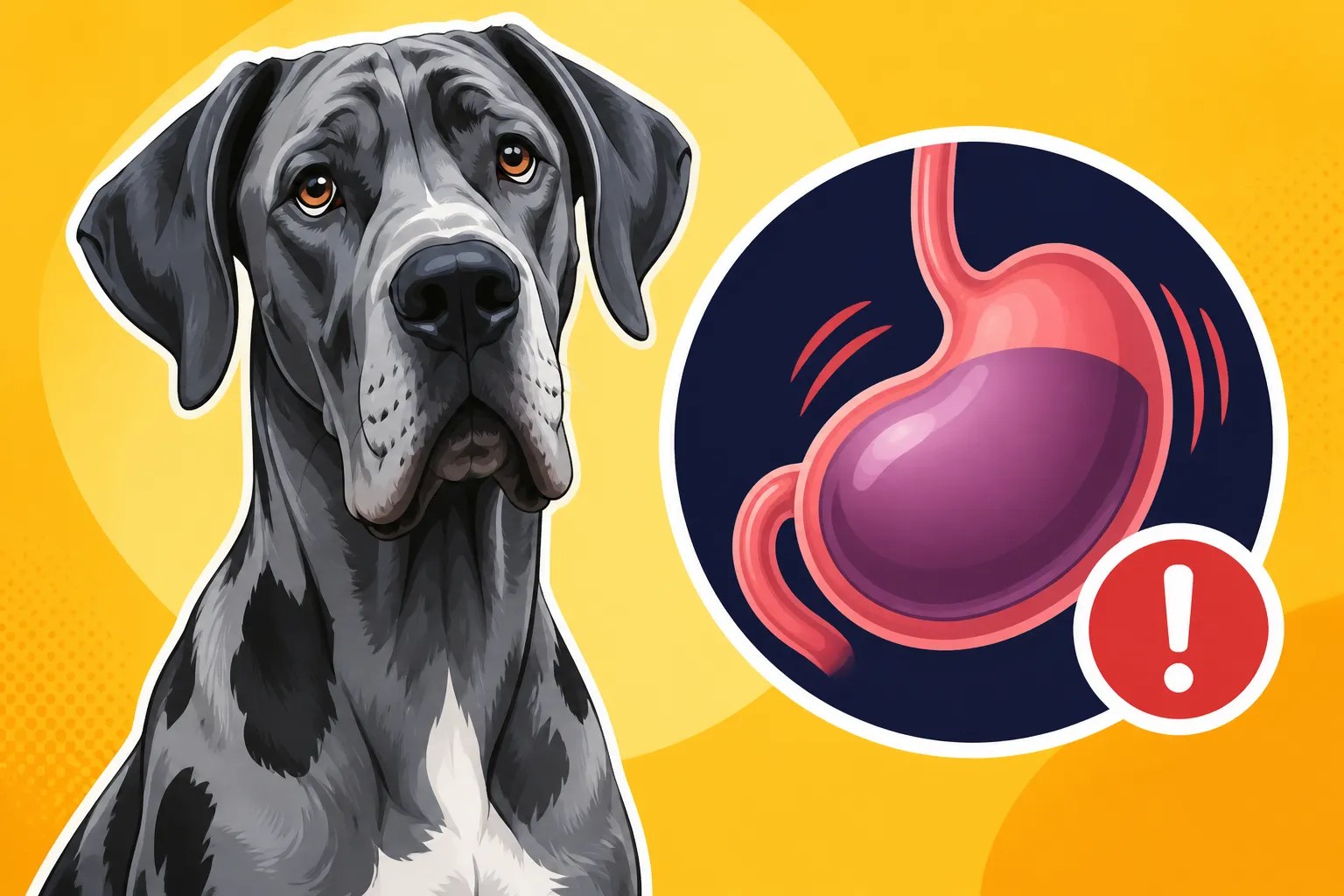
At its simplest, bloat begins when a Great Dane's stomach fills with gas and fluid, expanding dramatically. Imagine a balloon inflating rapidly inside their abdomen. This alone is incredibly painful and puts immense pressure on other organs, impacting blood flow to the stomach lining, the diaphragm, and the large blood vessels returning to the heart. The stomach stretches, and without quick intervention, it can lead to severe shock and organ damage.
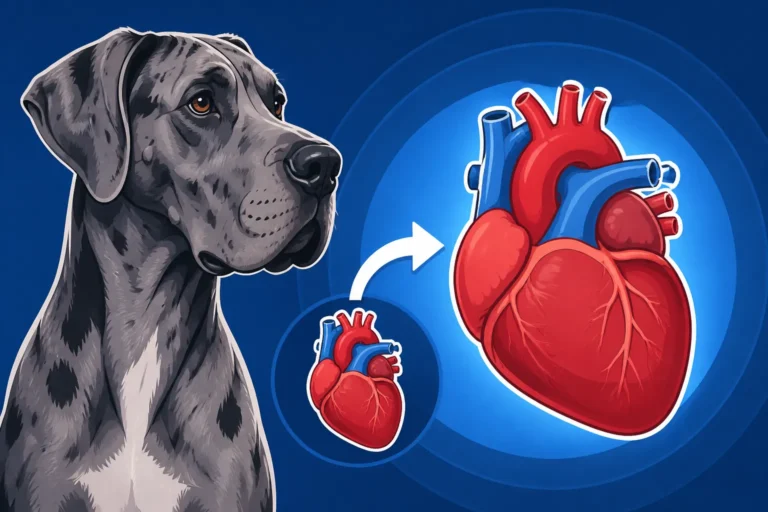
When the stomach expands, it's not just discomfort your Great Dane is feeling. The distended stomach presses on the vena cava, a major vein carrying blood back to the heart, which reduces blood flow, causing the heart to work harder. This also restricts breathing as the diaphragm cannot fully expand, making it difficult for your dog to get enough oxygen. The stomach lining itself starts to die off due to lack of blood supply, releasing toxins into the bloodstream. This initial phase, where the stomach fills with gas but hasn't yet twisted, is called gastric dilatation. While serious, it's the prelude to an even more dire condition.
The Swift and Silent Killer: Gastric Dilatation-Volvulus (GDV)
The true terror of bloat comes when the distended stomach twists on its axis, a condition called volvulus. This twist completely seals off both the entrance and exit of the stomach, trapping gas, food, and fluids. Think of it like a knotted balloon that can't deflate. This is Gastric Dilatation-Volvulus, or GDV, and it’s a life-threatening emergency that progresses with terrifying speed. Once the stomach twists, blood flow is completely cut off, not just to the stomach itself, but also potentially to the spleen, which is often attached and twists along with it.
The clock starts ticking the moment this happens. Without blood flow, the stomach tissue begins to die rapidly. Toxins are released, and the dog quickly goes into shock. This is often described as a "silent killer" because sometimes, the early signs can be subtle, and by the time they become unmistakable, precious minutes have already slipped away. Many owners describe the harrowing experience of their dog being fine one moment and in critical condition just an hour or two later. This is why knowing How Many Minutes a Bloating Great Dane Has is so crucial; every second counts.
Why Great Danes Are on the Bloat Red Alert List
It's an unfortunate truth that Great Danes are disproportionately affected by bloat, and it's something every potential and current owner must contend with. This isn't just bad luck; it's rooted in a combination of anatomical, genetic, and environmental factors unique to our gentle giants. Understanding these contributing elements can help you be more proactive in prevention.
The Deep Chest Dilemma: An Unfortunate Design Flaw
If you’ve ever admired a Great Dane, you’ve undoubtedly noticed their impressive, deep chests. While majestic to behold, this very physical trait is a primary reason for their high bloat risk. Their chest cavity is much deeper than it is wide, creating a large abdominal space where the stomach has more room to swing or twist when it distends. This isn't just a theory; studies have consistently shown a strong correlation between deep-chested breeds and a higher incidence of GDV.
Consider the stomach as a pendulum in this deep chest. When it fills with gas, it can sway more freely. If that sway happens just right, or rather, just wrong, it can rotate and twist. This anatomical predisposition is why Why a Great Dane's Chest Shape Invites a Twist is such a critical topic for Great Dane owners. It's a fundamental part of their genetic makeup, something we can't change, but understanding it allows us to mitigate other risk factors.
Genetic Predisposition and Family History
Beyond the deep chest, there’s a strong genetic component to bloat. It tends to run in families, meaning if a Great Dane's parent or siblings have bloated, their offspring are at a significantly higher risk. This is why responsible breeders will often keep detailed health records and share this vital information with prospective puppy owners. While genetics are complex, choosing a puppy from lines with a minimal history of bloat can be a small but meaningful step in risk reduction.
It’s not as simple as a single gene, but rather a combination of factors that are inherited. This predisposition makes certain individual Danes more vulnerable, even if all environmental factors are perfectly managed. This genetic lottery is one of the many reasons why Why a Great Dane Only Lives Seven to Ten Years is a sad reality for the breed; bloat significantly contributes to this shorter lifespan.
Age, Sex, and Temperament Factors
While any Great Dane can bloat, certain demographics and characteristics seem to increase the risk. Older Great Danes, typically those over the age of five or six, are more prone to bloat. As they age, the ligaments that hold the stomach in place may weaken, making it easier for the stomach to twist. Male Great Danes also appear to have a slightly higher risk than females, though both sexes are certainly susceptible.
Furthermore, anecdotal evidence and some studies suggest that temperament can play a role. Anxious, fearful, or highly stressed Great Danes may have a higher risk of bloat episodes. Stress can affect gut motility and gas production, potentially contributing to the conditions that lead to GDV. This highlights the importance of creating a calm, stable environment for your Great Dane, especially during and after meals. Fast eaters, for example, tend to gulp air with their food, increasing the amount of gas in their stomach, a factor we'll delve into more later.
Spotting the Subtle (and Not-So-Subtle) Signs of Trouble
This is where your vigilance as a Great Dane owner becomes absolutely paramount. Bloat can escalate rapidly, so recognizing the signs early is quite literally a matter of life or death. Don't second-guess yourself if you see any combination of these symptoms; when in doubt, it's always an emergency.
The Early Whispers: Restlessness and Discomfort
Sometimes, bloat doesn't start with dramatic symptoms. It can begin subtly, with your Great Dane just seeming "off." You might notice them pacing anxiously, unable to settle in a comfortable position, even if they're usually calm. They might seem restless, shifting their weight, or frequently getting up and lying down again. They might also appear uncomfortable, looking at their side or belly, as if in pain.
You might also observe excessive drooling, which can be a sign of nausea or discomfort. They might attempt to vomit but nothing comes up, or only a small amount of foamy saliva is produced. This "non-productive retching" is a classic early warning sign. Their gums might appear pale, and their breathing could become more rapid and shallow, indicating pain and potential shock. These early signs are easily dismissed as just an upset stomach, but with a Great Dane, they demand immediate attention. It’s crucial to know The Signs of a Great Dane Stomach Twisting without delay.
Unmistakable Distress: Retching, Pacing, and Swelling
As bloat progresses, the signs become more pronounced and alarming. The non-productive retching will likely become more frequent and forceful. Your Great Dane might try repeatedly to vomit, gagging and straining, but nothing emerges. This is because the twisted stomach has sealed off the esophagus. The pacing will intensify, often coupled with an inability to lie down or settle. They might stand with their legs wide apart, trying to relieve pressure.
The most critical and often clearest sign is the visible distension of the abdomen. Their belly will appear noticeably swollen, especially on the left side, just behind the last rib. It might feel taut and hard to the touch, like a drum. Some owners describe it as a football inflated under the skin. Your dog might also whine, groan, or show clear signs of intense pain when you gently touch their abdomen. As the condition worsens, they will become weaker, collapse, and their gums might turn blue or gray, indicating severe shock and lack of oxygen.
Don't Wait and See: The Urgency of Symptoms
The biggest mistake an owner can make when suspecting bloat is to "wait and see" if the symptoms improve. With GDV, time is the enemy. The prognosis for a Great Dane significantly decreases with every hour that passes without treatment. You simply do not have the luxury of observing for an extended period. If you notice any of the symptoms mentioned above, especially non-productive retching and abdominal distension, consider it an immediate emergency.
It's better to rush to the vet for a false alarm than to delay and lose your beloved companion. Many emergency vets are familiar with Great Danes and bloat and will triage them immediately upon arrival. Trust your gut instinct; if something feels wrong, it probably is. This immediate action is why understanding What to Do the Minute a Great Dane Bloats is so vital for every Great Dane parent.
| Symptom | Early Warning Sign | Advanced Warning Sign | Urgency Level |
|---|---|---|---|
| Restlessness | Pacing, inability to get comfortable, looking at side | Intense pacing, inability to lie down, collapsing | IMMEDIATE |
| Retching/Vomiting | Attempting to vomit with nothing coming up (foamy saliva) | Frequent, forceful non-productive retching, gagging | IMMEDIATE |
| Abdominal Swelling | Slight distension, feels taut | Noticeable swelling, drum-tight, painful to touch | IMMEDIATE |
| Pain | Whining, groaning, looking at belly | Intense pain, yelping, reluctance to be touched | IMMEDIATE |
| Breathing | Rapid, shallow breaths | Labored breathing, gasping | IMMEDIATE |
| Gums | Pale | Blue, gray, very pale | IMMEDIATE |
| Drooling | Excessive | Excessive | IMMEDIATE |
| Collapse | – | Weakness, inability to stand, unconsciousness | CRITICAL EMERGENCY |
The Race Against Time: Emergency Action for Bloat
When bloat strikes, every second literally counts. The difference between a positive outcome and a tragic loss often lies in how quickly you act. This section will guide you through the critical steps you need to take and what to expect when you arrive at the emergency veterinary clinic.
Securing Immediate Veterinary Care
As soon as you suspect bloat, do not hesitate. Call your emergency veterinary clinic immediately while you are on your way. Inform them that you are bringing in a Great Dane with suspected GDV. This crucial call allows them to prepare their team and equipment for your arrival, potentially saving precious minutes. Know the route to your nearest 24-hour emergency veterinary hospital – not just your regular vet, who may not be open or equipped for such an urgent surgical procedure.
Ensure your Great Dane is transported as comfortably and quickly as possible. If they are able to walk, guide them gently. If they are collapsing, you may need assistance to lift them. Remember, they are in immense pain and distress, so handle them with care, but with absolute urgency. This is not a situation for "I'll call in the morning" or "let's see if it gets better." This is a full-blown crisis, and swift action is your Great Dane's only chance. When Driving a Bloating Great Dane to the Emergency Vet, try to keep them as calm as possible, but prioritize getting there quickly.
What Happens at the Emergency Vet
Once you arrive, the veterinary team will immediately assess your Great Dane. They will likely confirm the bloat with a physical exam and sometimes an X-ray, which will clearly show the distended and possibly twisted stomach. Stabilization is the first priority. This involves placing an IV catheter to administer fluids for shock, pain medication, and potentially medication to help deflate the stomach if it hasn't twisted yet.
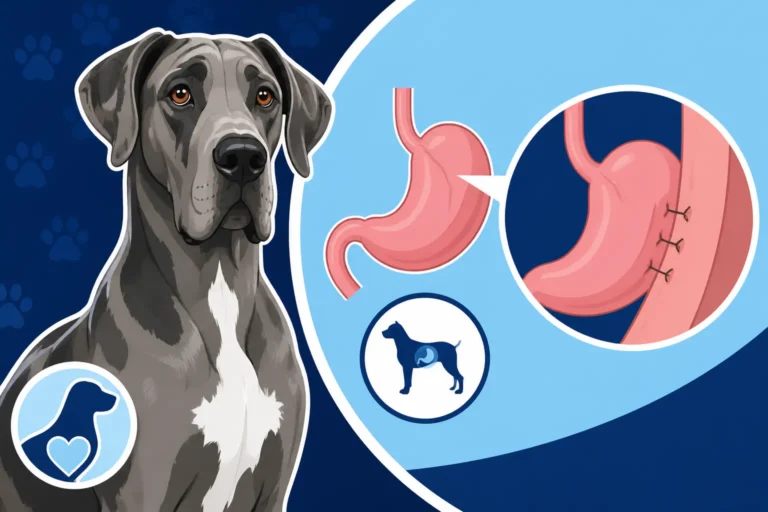
If the stomach is twisted (GDV), surgery is the only definitive treatment. This involves untwisting the stomach, assessing the damage to the stomach and spleen, and performing a gastropexy. A gastropexy is a surgical procedure where the stomach is permanently tacked, or sewn, to the abdominal wall. This significantly reduces the chance of the stomach twisting again in the future. It’s important to understand that even after a gastropexy, bloat (gastric dilatation without volvulus) can still occur, but the life-threatening twist is largely prevented. Knowing What Surgeons Do to a Twisted Great Dane Stomach can help you understand the gravity of the procedure.
Recovery and Post-Surgery Care
The post-operative period is critical. Your Great Dane will require intensive care, including IV fluids, pain management, antibiotics, and close monitoring for complications like heart arrhythmias, kidney failure, or peritonitis (infection in the abdominal cavity). The first 24-48 hours are the most precarious. Even with successful surgery, the mortality rate for GDV can range from 15-30%, primarily due to complications. This is why financial planning for this kind of emergency is so important, as The Bill After an Overnight Great Dane Bloat can be substantial.
Once stable enough to go home, your Great Dane will need strict rest and a careful diet. Small, frequent meals of easily digestible food are usually recommended for the first week or two. You'll need to monitor for any signs of discomfort, infection, or recurrence of bloat. Your vet will provide detailed instructions on medication, activity restrictions, and feeding. The recovery process can be challenging, both physically for your dog and emotionally for you, but seeing your gentle giant bounce back is incredibly rewarding. Learning about Recovery After Great Dane Bloat Surgery will give you a clearer picture of what to expect during this vital period.
Proactive Steps to Minimize Your Great Dane's Risk
While no measure can entirely eliminate the lifetime bloat risk in a Great Dane, there are many proactive steps you can take to significantly reduce it. These involve careful management of their diet, lifestyle, and a strong consideration for preventive surgery.
Dietary Habits and Mealtime Management
How and when your Great Dane eats can play a significant role in preventing bloat. Large, single meals can increase risk, especially if followed by exercise. Instead, break their daily food allowance into two or three smaller meals. This reduces the amount of gas produced at any one time and prevents the stomach from becoming overly full.
Consider using slow-feeder bowls or even spreading their kibble out on a baking sheet to encourage them to eat more slowly. Eating too quickly can lead to gulping air, which contributes to gas buildup in the stomach. While controversial, some studies suggest that raised food bowls might increase bloat risk by allowing dogs to eat faster, while others suggest it can alleviate neck strain. It’s best to discuss this with your vet. Crucially, avoid strenuous exercise or excitement for at least one hour before and two hours after meals. This "settle time" allows their stomach to digest without excessive movement. These Meal Habits That Cut a Great Dane's Twist Risk are simple yet highly effective.
Lifestyle Adjustments and Stress Reduction
A Great Dane’s overall well-being, including stress levels, can impact bloat risk. Create a calm and predictable routine for your dog. Avoid sudden changes to their diet or environment. If your Great Dane is prone to anxiety, work with a professional trainer or vet to manage their stress through behavior modification or, if necessary, medication.
Ensure they have access to fresh water at all times but monitor excessive, rapid drinking, especially after exercise or excitement. Offer smaller amounts of water more frequently if they tend to gulp. While Great Danes are not typically high-energy dogs, regular, moderate exercise is important for their overall health, but always respect the "no exercise around meals" rule. Avoid situations that cause extreme excitement or fear during meal times or immediately afterward.
The Preventive Power of a Gastropexy
For many Great Dane owners, the most impactful preventive measure is a prophylactic gastropexy. This is the same stomach-tacking surgery performed during an emergency bloat, but it’s done before a bloat event occurs. It’s typically recommended around 6-12 months of age, often coinciding with spaying or neutering to minimize the number of anesthetic procedures. This elective surgery significantly reduces the risk of GDV (stomach twisting) from 30-40% down to less than 5%.
While a gastropexy doesn't prevent the stomach from dilating (filling with gas), it physically prevents it from twisting, which is the life-threatening part of bloat. This means if your tacked Great Dane experiences bloat, it will be a gastric dilatation without volvulus, which is still a medical emergency requiring vet attention but is much less immediately critical and has a much higher survival rate. Discuss with your veterinarian When to Book a Great Dane Gastropexy and whether it's the right choice for your Great Dane. Understanding How a Great Dane Gastropexy Is Done can also help you feel more comfortable with the procedure.
Navigating Life with a Bloat-Prone Breed
Living with a Great Dane means living with the awareness of bloat, but it doesn't have to mean constant fear. With proper preparedness, financial planning, and continuous vigilance, you can provide your Great Dane with the best chance at a long, healthy life.
Building a Bloat Preparedness Plan
A solid bloat preparedness plan is essential for every Great Dane owner. This should include:
- Emergency Vet Contacts: Have the phone numbers and addresses of at least two 24/7 emergency veterinary clinics readily available (programmed into your phone, taped to the fridge).
- Emergency Funds: Set aside a dedicated emergency fund specifically for veterinary care. Bloat surgery can cost thousands of dollars, and having funds ready removes a huge layer of stress during a crisis.
- Knowing the Signs: Review the symptoms regularly, and ensure everyone in the household who cares for your Great Dane is familiar with them.
- Practice Drive: Know the fastest route to the emergency vet, even at odd hours.
- First Aid Kit: While there isn't much you can do at home for bloat, a general first aid kit is always good to have.
- Pet Sitter Briefing: If you ever use pet sitters, ensure they are fully aware of bloat symptoms and your emergency plan.
This proactive approach ensures that if the worst happens, you’re not scrambling for information or resources. It gives you the best chance of a positive outcome.
Pet Insurance: A Lifeline Against Sky-High Bills
Given the high cost of emergency bloat surgery and the breed's overall propensity for health issues, pet insurance is not just a nice-to-have; it's practically a necessity for Great Danes. Policies like those offered by Healthy Paws can provide immense peace of mind, covering a significant portion of the emergency vet bills, which, as mentioned, can easily run into the thousands. Imagine trying to make a life-or-death decision for your beloved dog while also facing a bill that could devastate your finances.
Many Great Dane owners find that the monthly premiums are a small price to pay for the security that comes with knowing they can afford the best possible care if bloat or another major health issue strikes. It's especially wise to enroll your Great Dane in a pet insurance plan when they are young, before any pre-existing conditions (like a bloat episode) develop, which might limit coverage later on. Explore policies and understand what they cover, specifically regarding emergency surgeries and critical care. Understanding Whether Pet Insurance Is Essential for a Great Dane and considering Insuring a Great Dane Before the Bloat Years can be one of the most important financial decisions you make for your companion.
Peace of Mind Through Vigilance and Knowledge
Ultimately, living with a Great Dane and its associated bloat risk comes down to a commitment to vigilance and continuous learning. No Great Dane owner can ever be 100% immune to this fear, but being well-informed and prepared empowers you to act decisively if bloat occurs. It's about knowing your dog, understanding their normal behaviors, and being attuned to any changes, no matter how subtle.
While a prophylactic gastropexy vastly reduces the risk of the stomach twisting, it doesn't entirely eliminate the possibility of gastric dilatation. So, even with a tacked stomach, continued vigilance regarding symptoms and mealtime habits is crucial. For example, even a tacked Great Dane can still experience a severe gas buildup that requires veterinary intervention. Knowing Whether Tacking Ends Great Dane Bloat Risk is essential for managing expectations. Your dedication to your Great Dane’s health and your proactive steps are their greatest protection.
Disclaimer
The information provided in this article is for educational and informational purposes only and does not constitute veterinary advice. Always consult with a qualified veterinarian for any health concerns or before making any decisions about your Great Dane's health or treatment plan.