The Minimum Height a Great Dane Must Reach
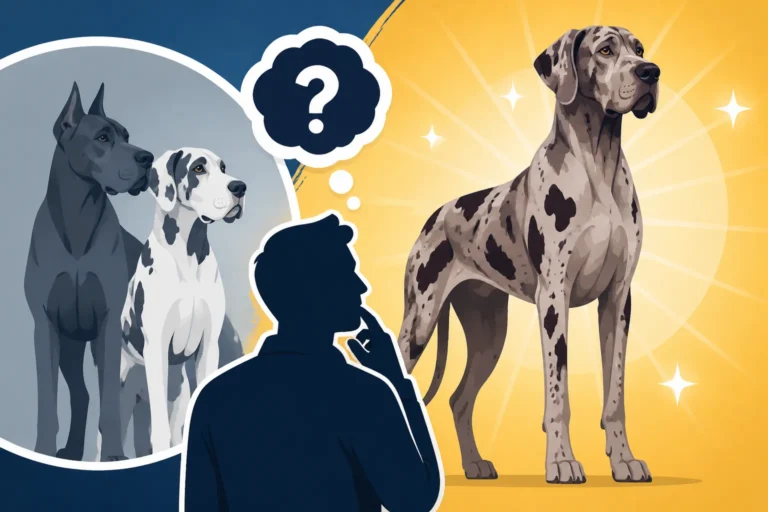
It’s a natural thing to wonder about the size of a Great Dane, especially when you hear tales of their towering stature. Many prospective owners and even those who've loved Danes for years often ask, "How big will my Great Dane get?" or more specifically, "What's the absolute smallest a Great Dane can be while still being considered true to the breed?" It’s a valid question, as their immense size is one of their most defining, and sometimes challenging, characteristics. This guide will delve into the minimum height requirements for Great Danes as set by breed standards, why these minimums exist, and what it means for your beloved giant.
Understanding the Great Dane Standard for Height
When we talk about a Great Dane's size, we're not just idly curious; we're often referencing the breed standard. This isn't just a suggestion; it's the blueprint that breeders strive to meet and judges use in the show ring to evaluate how well a dog embodies its breed's ideal characteristics.
Why Minimum Height Matters for the Breed
The breed standard for Great Danes is a comprehensive document that describes the ideal characteristics of the breed, covering everything from temperament and coat color to overall conformation, including size. For a breed like the Great Dane, size is absolutely paramount. They are, after all, known as the "Apollo of Dogs" and the "King of Canines"—titles that imply a certain regal bearing and, yes, a commanding physical presence. Without minimum height requirements, the breed could gradually shrink, losing the imposing and majestic appearance that is so central to its identity. Imagine a Great Dane that's the size of a Labrador; it just wouldn't be a Great Dane anymore, would it? The standard helps preserve the breed's distinct characteristics and ensures that future generations maintain the physical traits that define them. It's about upholding the integrity of the breed's heritage and ensuring that these gentle giants remain true to their impressive form. This adherence to type is critical for anyone interested in preserving the breed, whether for show or simply for the pure love of the majestic animal. The Great Dane the Show Ring Is Looking For explains more about what breeders and judges are looking for.
The Official Minimums: What the Standard Says
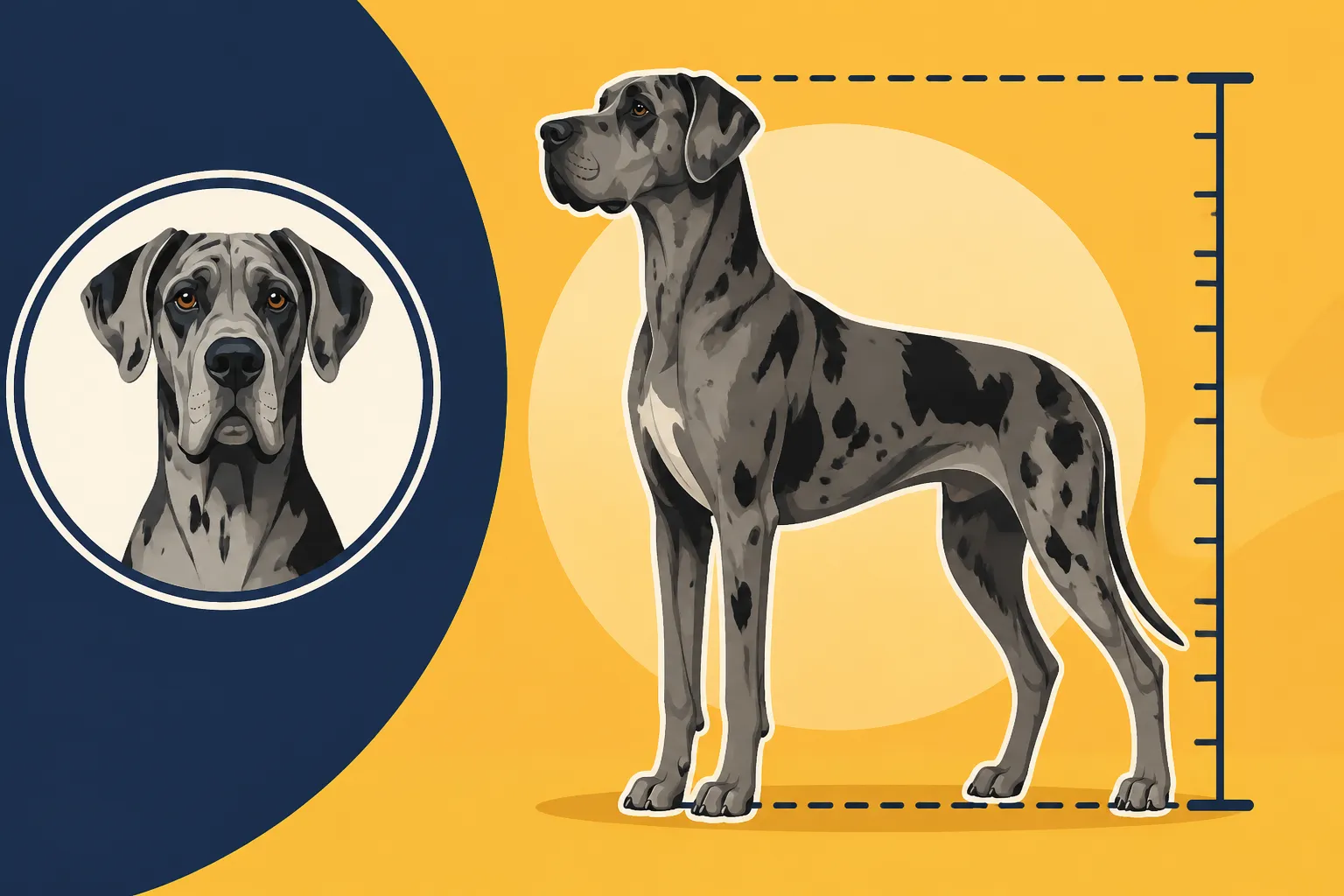
So, what are these all-important numbers? According to major breed clubs, like the American Kennel Club (AKC), the minimum height for an adult male Great Dane is 30 inches at the shoulder (or withers). For females, the minimum is 28 inches. These measurements are taken from the highest point of the shoulder blade to the ground. It's not just about reaching these numbers, but also about the dog's overall balance and proportion. A dog might technically meet the minimum but still appear leggy or off-balance if their overall structure isn't harmonious. It’s also important to remember that these are minimums. Many healthy, well-proportioned Great Danes will easily exceed these measurements, particularly males. The Thirty-Two Inch Male Great Dane discusses this further, offering insights into those impressive males who often surpass the minimum. Similarly, Whether a Female Great Dane Is Much Smaller provides context on the typical size difference between the sexes.
Going Beyond the Minimum: The Ideal Great Dane Stature
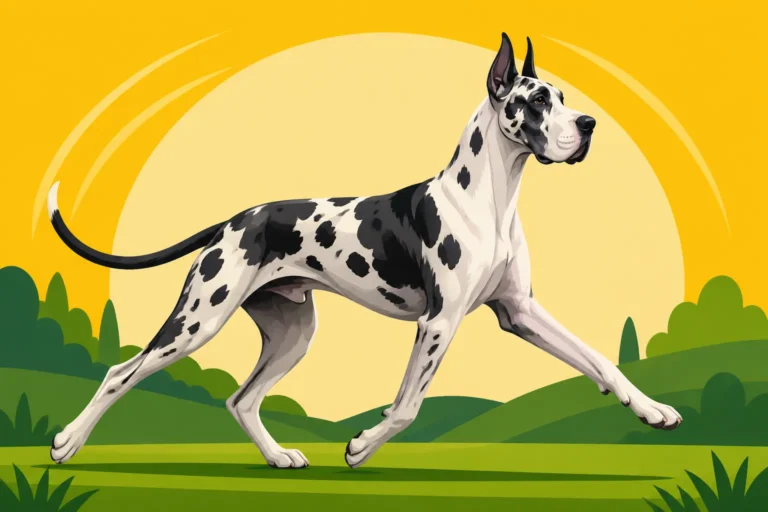
While meeting the minimum height is a baseline, the breed standard often goes on to describe an ideal height range. For instance, an ideal male Great Dane might be described as being between 30 and 34 inches, with females ideally between 28 and 32 inches. What this tells us is that while there’s a floor, there’s also a sweet spot. Dogs that are excessively tall, much like those that fall significantly below the minimum, might be penalized in the show ring because extreme size can sometimes come at the cost of overall soundness and balance. The goal isn't just height for height's sake, but rather a dog that is impressive in stature while still being agile, powerful, and proportionate. A Great Dane should move with an effortless, long-reaching stride, and if they are too tall or too lanky, this can be compromised. It’s a delicate balance that reputable breeders carefully consider in their breeding programs, prioritizing health and functional conformation alongside impressive size.
How Great Danes Grow: Factors Influencing Their Ultimate Size
A Great Dane doesn't just sprout to its full size overnight. It's a journey, and a rapid one at that, which requires careful management and understanding from owners. Their growth phase is critical, laying the foundation for their adult size and health.
Genetics and Breeding Lines
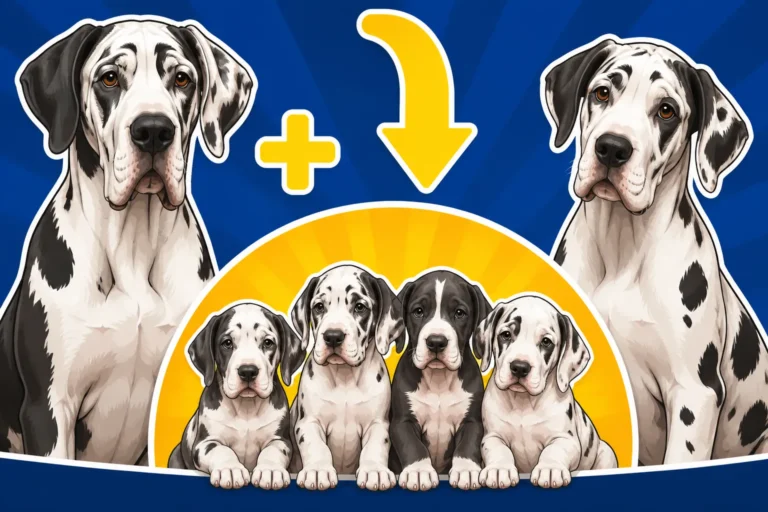
Undeniably, genetics are the primary driver of a Great Dane's eventual size. The old adage "the apple doesn't fall far from the tree" certainly applies here. If a puppy's parents are both within the breed standard for height and have a history of producing similarly well-sized offspring, the chances are good that their puppies will follow suit. This is why choosing a reputable breeder is so crucial. A good breeder will not only be able to show you the parents (or at least photos and health clearances) but will also be transparent about their dogs' pedigrees and the sizes they typically produce. They understand that consistently breeding dogs that meet or exceed the minimum height, while maintaining excellent health and temperament, requires careful selection. They're not just breeding for "big," they're breeding for correct size within the standard. What a Great Dane Breeder Should Be Screening For is an excellent resource for understanding the due diligence a good breeder performs.
Nutrition During Puppyhood
While genetics set the blueprint, nutrition acts as the construction crew. This is where many well-meaning owners can, unfortunately, make mistakes that impact their Dane's long-term health and even their final size. Great Dane puppies have unique nutritional needs compared to smaller breeds. They need to grow slowly and steadily, not quickly. Foods too high in protein, calories, or especially calcium can lead to dangerously rapid growth, which puts immense stress on their developing bones and joints. This can result in orthopedic issues like hypertrophic osteodystrophy (HOD) or osteochondritis dissecans (OCD), conditions that can cause lameness and pain, and sometimes even stunt overall growth or necessitate expensive surgery. Instead, look for large breed puppy formulas that are specifically designed to support controlled growth. These foods often have carefully balanced calcium and phosphorus levels and moderate protein. Many owners find brands like Chewy offer a good selection of these specialized foods. Always consult with your veterinarian about the best diet for your growing Great Dane, focusing on quality, balanced nutrition rather than trying to "boost" growth. Why a Great Dane Puppy Should Grow Slowly elaborates on this critical aspect of puppy care. Incorrect nutrition can lead to significant problems, as detailed in Bone Development Problems in a Great Dane Puppy.
Environmental and Health Considerations
Beyond genetics and diet, other factors can influence a Great Dane's growth trajectory and final size. Adequate, but not excessive, exercise is important. Forced, high-impact exercise (like long runs or agility training) on young, developing joints can cause damage. Instead, free play in a safe, enclosed area is usually recommended. Regular veterinary care is also paramount. Consistent deworming, appropriate vaccinations, and prompt treatment of any illnesses can ensure a puppy grows without setbacks. Chronic health issues or significant stress during crucial growth phases can potentially impact a dog’s ability to reach its full genetic potential. Think of it this way: a sick puppy expends energy fighting illness that it could otherwise put towards growing. Ensuring a healthy, stress-free environment allows your Great Dane to thrive and reach the impressive stature it was meant to achieve.
The Impact of Size: More Than Just Aesthetics
While we focus on the minimum height, it's crucial to understand that a Great Dane's size isn't just for show. It profoundly impacts their health, their lifespan, and the practicalities of living with them.
Health Implications of Extreme Size
Being a giant breed comes with its own set of unique health challenges. Great Danes are unfortunately prone to certain conditions that are often exacerbated by their size. For instance, their deep chests make them highly susceptible to bloat (gastric dilatation-volvulus), a life-threatening condition where the stomach twists. Their rapid growth and immense weight can also predispose them to orthopedic issues like hip and elbow dysplasia, even with the best genetic screening and nutrition. Heart conditions, particularly dilated cardiomyopathy (DCM), are also prevalent in the breed. While these conditions can affect Danes of all sizes, extreme height or weight can sometimes put additional strain on their systems. A Great Dane that pushes the upper limits of the standard, or grows too fast, can face greater challenges. It's a sad reality that Why a Great Dane Only Lives Seven to Ten Years is directly linked to these breed-specific health concerns, where their size plays a significant role in their accelerated aging process. Therefore, aiming for a dog that is "correct" in size, rather than simply "the biggest," is often a healthier approach. Whether a Great Dane's Size Predicts Its Health further explores this complex relationship.
Practicalities of Living with a Giant
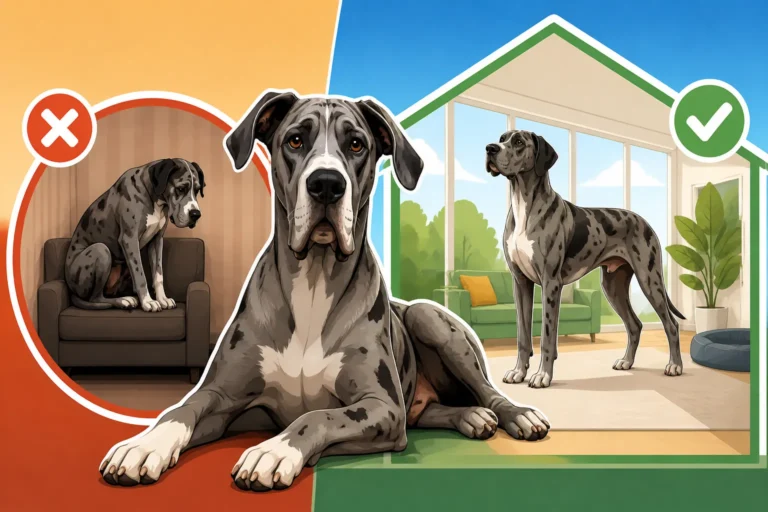
Beyond health, a Great Dane's size has daily practical implications that owners often underestimate until they're living with a fully grown giant. That minimum height of 28-30 inches means they can easily reach countertops, doorknobs, and almost anything on a coffee table. Your home needs to be "Dane-proofed" in ways you might not consider for a smaller dog. Space becomes a premium, even though Danes are often surprisingly calm indoors. How Much Space a Great Dane Really Needs explores this idea more fully. They need large crates, extra-large dog beds, and food and water bowls that are elevated to a comfortable height. Traveling with a Great Dane requires a vehicle large enough to accommodate them safely and comfortably; a compact car simply won't do. Even mundane tasks like vet visits can become a logistical challenge if your dog is too large to fit on a standard examination table or requires multiple people to lift. Finding appropriately sized gear, from collars and harnesses to toys, often means seeking out specialty retailers or large dog sections on sites like Chewy. Crates That Hold a Full-Grown Great Dane highlights the specific challenges of housing these colossal canines.
When a Great Dane Doesn't Meet the Minimum
What if your Great Dane falls a little short of the breed standard's minimum height? First and foremost, if your dog is a beloved companion and is healthy and happy, their precise height rarely matters in the grand scheme of things. Unless you plan to show your dog in conformation events, these standards are guidelines, not rigid rules for pet ownership. Some Danes, even from well-bred lines, might mature on the smaller side. This doesn't make them any less of a Great Dane. However, if your dog is significantly undersized or appears stunted, it might be worth discussing with your veterinarian. This could indicate underlying health issues, nutritional deficiencies during growth, or a genetic predisposition that perhaps wasn't obvious in the breeding line. A healthy, well-adjusted Great Dane, regardless of whether they hit the absolute minimum on the measuring tape, is what truly counts. Their temperament and bond with your family are far more important than a few inches.
Navigating the World of Giant Dog Ownership
Bringing a Great Dane into your life is a huge commitment, in every sense of the word. Understanding their growth, managing expectations, and being prepared for their unique needs are all part of responsible ownership.
Choosing a Reputable Breeder
This point cannot be stressed enough, especially when discussing size and health. A reputable breeder is not just someone who breeds "big" dogs. They are individuals deeply committed to the health, temperament, and conformation of the breed. They meticulously research pedigrees, perform extensive health testing on their breeding stock (hips, elbows, heart, thyroid, eyes), and only breed dogs that meet the breed standard in terms of size, structure, and temperament. They won't promise you the "biggest puppy in the litter" but will instead focus on placing healthy, stable puppies in suitable homes. They understand the intricacies of Great Dane growth and will provide guidance on appropriate feeding and exercise. Be wary of anyone advertising "oversized" or "giant" Danes, or those who don't have health clearances readily available. These breeders often prioritize extreme size over health, which can lead to a lifetime of expensive veterinary bills and heartache.
Understanding Growth Charts and Expectations
It’s easy to get caught up in how quickly a Great Dane puppy grows. They go from tiny, clumsy bundles to veritable horses in a matter of months. While genetics are foundational, proper care heavily influences how they develop. Here’s a general idea of how Great Danes typically grow, though individual dogs will vary:
| Age | Average Male Height (at withers) | Average Female Height (at withers) | Typical Weight Range (approx.) |
|---|---|---|---|
| 3 Months | 18-22 inches | 16-20 inches | 40-60 lbs |
| 6 Months | 24-28 inches | 22-26 inches | 80-110 lbs |
| 9 Months | 27-31 inches | 25-29 inches | 100-130 lbs |
| 12 Months | 29-33 inches | 27-31 inches | 110-150 lbs |
| 18 Months | 30-34 inches | 28-32 inches | 120-175 lbs |
| 24 Months+ | 30-34 inches | 28-32 inches | 120-175 lbs+ |
Note: These are approximations, and individual growth rates vary. Always consult your veterinarian for specific guidance.
As you can see, a Great Dane puppy reaches a significant portion of its adult height by 12 months, but they continue to fill out and mature in bone and muscle until around 18-24 months. It’s a marathon, not a sprint, and patience is key. What a Great Dane Puppy Should Weigh at Four Months offers more insight into their early growth phases. While they might hit their full height, they will continue to gain mass and mature. Whether a Great Dane Keeps Filling Out to Two covers this aspect of their development.
The Role of Responsible Ownership
Ultimately, ensuring your Great Dane reaches a healthy, appropriate size (whether at the minimum or a bit beyond) comes down to responsible ownership. This means providing a high-quality, large-breed specific diet, managing their exercise to protect growing joints, ensuring consistent veterinary care, and providing a loving, stable environment. Don't fall into the trap of overfeeding to make them "bigger"—this will only lead to health problems. Their magnificent size is a gift of the breed, but it comes with immense responsibility. Embrace the fact that you’re living with a true giant, one whose immense presence is matched only by their gentle heart. Their size dictates many aspects of their care, from needing extra-durable toys from places like Chewy to having beds large enough to support their entire body. Being prepared for their substantial needs is part of the joy and challenge of sharing your life with one of the most incredible dog breeds on the planet.
Disclaimer
This article is for general informational purposes only and does not constitute professional advice. Laws, prices and regulations vary by location and change over time. Consult a qualified professional for guidance on your specific situation.