The Height at Which a Great Dane Is Too Big
Great Danes are truly magnificent creatures, boasting an impressive stature that often earns them the title "Apollo of Dogs." But for all their grandeur, there's a point where "impressively big" can tip over into "too big," bringing with it a unique set of challenges and health considerations. It’s a very real concern for many owners and those considering welcoming one of these gentle giants into their lives, wondering if they’re getting a healthy, well-proportioned dog or one whose size might ultimately compromise its well-being. This guide aims to help you understand the nuances of Great Dane size, outlining what the breed standard truly means, and identifying the potential pitfalls of a dog growing or being bred to an unhealthy extreme.
Deciphering the Great Dane Breed Standard for Height
When we talk about a Great Dane's size, it's not just about how tall they are, but how that height fits into their overall magnificent presence. The breed standard exists for a reason – to describe the ideal characteristics that ensure the dog is both healthy and true to its heritage. It's a blueprint for breeders and a guide for owners.
What the Official Standard Says
The Great Dane breed standard, as set by major kennel clubs, provides specific guidelines for height. For male Great Danes, the minimum height at the shoulder (withers) is typically 30 inches, with 32 inches or more being considered ideal, as long as it's accompanied by good overall proportion. For females, the minimum is 28 inches, with 30 inches or more being ideal. You'll notice these are minimums and ideals, not maximums. This isn't because there's no such thing as "too big," but because the standard prioritizes a harmonious, well-built animal over a dog that is simply colossal.
It's tempting to think that bigger is always better, especially with a breed renowned for its size. However, the standard emphasizes that elegance and power, combined with a strong, well-muscled body, are paramount. A male who measures The Thirty-Two Inch Male Great Dane at the shoulder, for instance, is often considered exemplary if his weight and bone structure complement that height. A dog that shoots past these ideals without the accompanying substance can appear gangly or cumbersome, which is not ideal for their movement or long-term health. Breeders striving for the correct type will always prioritize balance and health over simply trying to produce the tallest dog in the litter.
Understanding Height Versus Overall Proportion
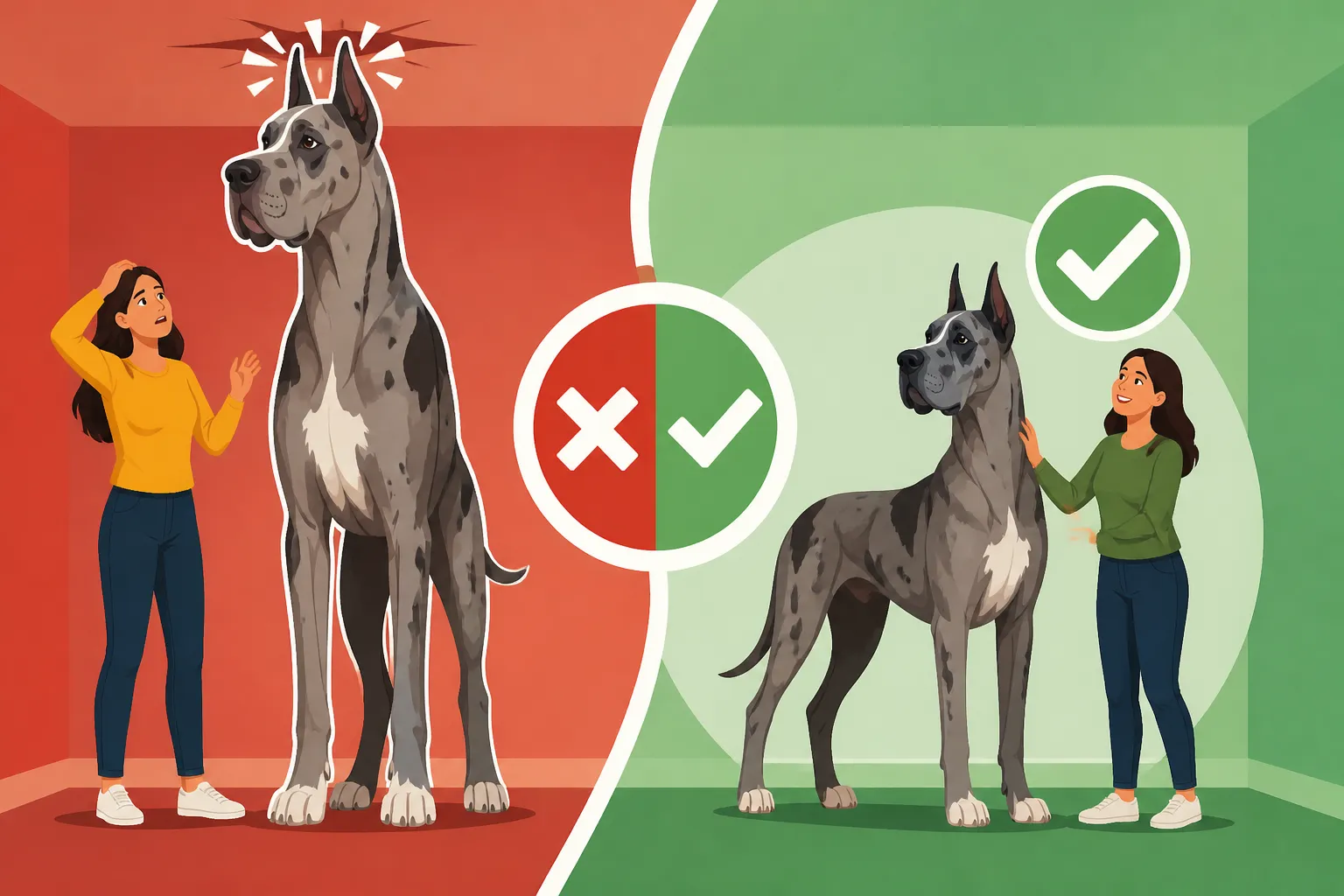
This is where the distinction becomes really important. A Great Dane isn't just a collection of long bones; it's a symphony of structure. Picture a perfectly built athlete: every part of their body works together. It’s the same for a Great Dane. Their height must be in proportion to their body length, depth of chest, and bone structure. A Dane can be incredibly tall, say 35 inches at the shoulder, but if their legs are like stilts and their body is too narrow or too short, they're considered out of proportion. This isn't just an aesthetic concern for the show ring; it has real-world implications for their skeletal health and how they carry themselves.
A Dane should move with a long, reaching stride, covering ground effortlessly. If a dog is excessively tall without the powerful musculature and robust bone to support that height, their movement becomes labored, their joints suffer, and their risk of injury increases significantly. Think about it: an already large dog puts immense pressure on its joints with every step. If those joints are supporting an unproportionally large frame, the stress is compounded. This is why you'll often hear discussions about Whether a Female Great Dane Is Much Smaller than males, as their proportions and build should still align with the standard, just on a slightly smaller scale. The focus is always on a robust, well-knit dog, rather than simply reaching the highest number on the measuring stick.
The Hidden Dangers When "Big" Becomes "Too Big"
While a Great Dane's size is undeniably a part of their charm, there's a critical threshold where extreme growth and excessive weight can dramatically impact their health, comfort, and ultimately, their lifespan. It's a tough truth, but one that responsible owners must confront.
Stress on Joints and Skeletal Structure
The most immediate and apparent danger of a Great Dane being "too big" is the immense stress it places on their developing and adult joints. Great Danes, like many giant breeds, are already predisposed to orthopedic issues such as hip and elbow dysplasia, osteochondritis dissecans (OCD), and even panosteitis (growing pains). When a dog grows too rapidly or carries excessive weight on an already stretched frame, these risks skyrocket.
Imagine a young Great Dane puppy growing at an accelerated rate, perhaps due to an improper diet designed for smaller, faster-maturing breeds, or simply being overfed. Their bones and cartilage aren't given adequate time to solidify and strengthen under the rapidly increasing load. This can lead to weak, malformed joints that are painful and prone to degenerative diseases later in life. We often hear about Why Fast Growth Wrecks Great Dane Joints, and it's a concern that begins in puppyhood and impacts them for their entire, albeit often too short, life. By the time they reach adulthood, if they're carrying an extra 20 or 30 pounds above a healthy, proportional weight, that’s like asking an average person to carry an extra 50-60 pounds around all day, every day. It grinds down cartilage, inflames tissues, and leads to premature arthritis, robbing them of their mobility and comfort far too soon.
Increased Risk of Cardiac Issues and Bloat
Beyond the orthopedic concerns, an excessively large Great Dane can face heightened risks for other serious health conditions. Great Danes are tragically prone to Dilated Cardiomyopathy (DCM), a devastating heart muscle disease where the heart becomes enlarged and weakened, unable to pump blood effectively. While genetics play a significant role in The Heart Muscle Disease Great Danes Are Prone To, an oversized body means a larger vascular system that the heart has to work harder to perfuse. This increased workload can exacerbate or accelerate the progression of existing, subclinical heart conditions.
Then there's bloat, or Gastric Dilatation-Volvulus (GDV), a life-threatening condition where the stomach fills with gas and can twist, cutting off blood supply. Great Danes have a The Lifetime Bloat Risk in a Great Dane, making them one of the most susceptible breeds. While the deep chest conformation is the primary anatomical risk factor, some believe that larger overall body mass and the stress associated with supporting it could potentially contribute to the likelihood of episodes. Furthermore, managing an emergency situation like bloat becomes incredibly difficult with an extremely heavy dog. Trying to lift a 200+ pound dog into a car and then onto a vet table when every minute counts is a logistical nightmare that can make an already dire situation even more stressful and time-consuming.
Shorter Lifespan and Management Challenges
It’s a heartbreaking reality that Great Danes, like many giant breeds, have a significantly shorter lifespan than their smaller canine counterparts. Most Danes live Why a Great Dane Only Lives Seven to Ten Years, with only a precious few reaching double digits. When a Great Dane is "too big," either in height or, more commonly, in weight, it often means that lifespan is pushed even further down. The accelerated wear and tear on joints, the increased strain on organs, and the higher likelihood of disease can all contribute to a life cut even shorter.
Beyond health, the practical management of an overly large Great Dane presents daily frustrations. Imagine trying to fit a 200-pound dog into a standard SUV for a vet visit, or maneuvering them through a crowded hallway. Everything from finding a durable, large-enough crate or bed (Chewy offers many heavy-duty options, but even those have limits) to simply giving them a bath becomes a monumental task. Stairs can become a hazard, requiring ramps or extensive assistance. Even routine vet visits are more complicated, as larger dogs often require higher doses of medication and anesthesia, and simply getting them onto an exam table can be a challenge. Caring for a dog that is simply too much dog for its own skeletal system is a heavy burden, both physically and emotionally.
Beyond Genetics: Factors That Influence Great Dane Size
While genetics certainly set the potential for a Great Dane's size, it's not the only player. How we raise and care for them, especially during their critical growth phases, can significantly influence whether they reach a healthy, balanced size or fall into the "too big" category.
Nutrition During Puppyhood
This is, arguably, one of the most crucial factors in determining a Great Dane's adult size and skeletal health. Great Dane puppies grow at an astonishing rate, sometimes quadrupling their weight in the first few months. Because of this rapid growth, they require a very specific nutritional profile, particularly in terms of calcium and phosphorus. Regular puppy foods, formulated for smaller breeds, often have too high a calorie count and an imbalanced calcium-to-phosphorus ratio for a giant breed. Feeding these or simply overfeeding a Great Dane puppy can lead to Why Regular Puppy Food Hurts a Great Dane.
The goal for a Great Dane puppy is slow, steady growth, not maximal growth. Overfeeding and rapid weight gain can force bones and joints to grow too quickly, leading to structural weaknesses and developmental orthopedic diseases. Look for large breed puppy formulas that explicitly state they are designed for the controlled growth of giant breeds. These formulas typically have lower fat and protein percentages and precisely balanced calcium and phosphorus levels. Always consult your breeder and veterinarian on the best food and feeding schedule. Many reputable pet supply retailers, like Chewy, carry a wide selection of specialized large-breed puppy foods from various brands, making it easier to find the right fit for your growing giant. This careful management in the first 18-24 months is foundational to their long-term health and size.
Exercise Regimen and Growth Plates
Just as important as nutrition is controlling the amount and type of exercise a Great Dane puppy receives. Their growth plates, the soft areas at the ends of long bones where growth occurs, remain open and vulnerable until they are typically 18-24 months old. Over-exercising a young Great Dane, or engaging in high-impact activities, can cause irreversible damage to these plates. Activities like long-distance running, jumping, excessive stair climbing, or intense agility work are definite no-gos for a growing Dane. These can contribute to Growth Disorders in a Great Dane Puppy and stress joints that are still forming.
Instead, controlled, low-impact exercise is key. Short, frequent walks on soft surfaces are preferable to long, strenuous hikes. Playtime should be self-directed and allow the puppy to stop when tired. The idea is to build muscle and stamina gradually, supporting the skeletal structure without putting undue strain on it. It’s all about nurturing their natural development without forcing it. A Great Dane should be allowed to mature at its own pace, guided by careful exercise, rather than pushed into activities that could compromise its delicate growth process.
The Role of Breeding and Lineage
While proper care is vital, a Great Dane's inherent genetic blueprint from its parents and lineage plays the most significant role in determining its potential size and overall conformation. Responsible breeders are keenly aware of the breed standard and strive to produce dogs that conform to it, not just in terms of height, but also health, temperament, and proportion. They will not intentionally breed for extreme size, as they understand the health consequences discussed above.
A reputable breeder will carefully select breeding pairs based on their health clearances (hips, elbows, heart, thyroid, eyes), temperament, and how well they adhere to the breed standard. They'll also consider the health and size of the dogs in the pedigree, looking for a history of sound, healthy individuals. When you're looking for a Great Dane puppy, asking What a Great Dane Breeder Should Be Screening For is crucial. Be wary of breeders who brag about producing "the biggest Dane puppies" or who seem to prioritize size over health and temperament. These individuals might be inadvertently or intentionally breeding dogs that are destined for a life of orthopedic pain or other health problems because their massive size puts too much strain on their bodies. The goal is always a healthy, well-proportioned dog, not simply the tallest one.
Cultivating a Healthy Great Dane, Regardless of "Too Big" Concerns
Ultimately, the focus for any Great Dane owner should be on fostering a healthy, comfortable life for their dog, rather than striving for maximal size. A healthy Great Dane, regardless of whether they are on the taller or shorter side of the standard, will be far happier and live a more fulfilling life.
Prioritizing Health Over Maximal Size
This means making informed choices from puppyhood onward. Monitor your Great Dane's weight and body condition closely. You should be able to easily feel their ribs when you run your hands along their sides, but not see them protruding sharply. A visible waist tuck when viewed from above is also a good sign of a lean body condition. Regularly check in with your veterinarian to ensure your Dane is on a healthy growth curve and maintaining an ideal weight. Don’t fall into the trap of thinking a heavier Dane is a healthier Dane; for this breed, a lean body condition is paramount for joint health. Our article on Keeping a Great Dane Lean for Its Joints delves deeper into this vital aspect of care.
It's a common frustration to hear comments about your Dane being "too thin" if they are in a healthy, lean condition. Educate yourself and stand firm on what's best for your dog's long-term health, even if it goes against popular misconception.
Providing Appropriate Support and Comfort
For a breed that carries so much weight, providing adequate physical support throughout their life is non-negotiable. High-quality orthopedic bedding is an absolute must. These beds are designed to cushion their heavy joints, preventing pressure sores on elbows and hips, and offering comfortable support that can ease the aches and pains of aging. Companies like Chewy offer a fantastic array of orthopedic beds specifically designed for giant breeds, with dense foam that won't flatten out quickly under their weight.
Beyond bedding, ensure your Dane has appropriate harnesses and leads that distribute pressure evenly across their chest rather than straining their neck. Consider ramps for cars if your Dane struggles to jump in, especially as they get older. Anything you can do to reduce strain on their massive frame will contribute to their comfort and longevity.
| Aspect | Healthy, Balanced Great Dane | Potentially Problematic (Excessive) |
|---|---|---|
| Male Height | 30-34 inches, proportional | Over 34-35 inches, often gangly or bulky |
| Female Height | 28-32 inches, proportional | Over 32-33 inches, often gangly or bulky |
| Male Weight | 120-175 lbs (lean, muscled) | Over 180-200 lbs, especially if overweight |
| Female Weight | 100-140 lbs (lean, muscled) | Over 150 lbs, especially if overweight |
| Growth Rate | Steady, controlled, without rapid spikes | Rapid, unchecked growth (first 18 months) |
| Overall Physique | Elegant, powerful, balanced, well-muscled | Disproportionate, overly bulky, or spindly |
| Joint Health | Strong, sound, less prone to early arthritis | High risk of dysplasia, early arthritis |
| Breeder Focus | Health, temperament, breed standard | Extreme size, "world's biggest dog" claims |
When to Consult Your Vet About Growth
Never hesitate to reach out to your veterinarian if you have any concerns about your Great Dane's growth rate, weight, or overall development. If your puppy seems to be growing unusually fast, if they have a shifting lameness, or if you notice any Swollen Painful Joints in a Great Dane Puppy, these are all reasons to seek professional advice immediately. Early intervention can make a significant difference in managing or preventing serious orthopedic issues. Your vet can assess their growth plates, recommend dietary adjustments, or suggest appropriate exercise modifications.
Even with an adult Dane, any changes in gait, reluctance to exercise, or signs of discomfort warrant a vet visit. Your vet is your best partner in ensuring your magnificent Great Dane lives the healthiest, happiest life possible, whether they end up at the lower end of the height standard or proudly closer to the ideal. It's about quality of life, not just how tall they stand.
Disclaimer
This article is for general informational purposes only and does not constitute professional advice. Laws, prices and regulations vary by location and change over time. Consult a qualified professional for guidance on your specific situation.