The Tallest Great Dane Ever Recorded
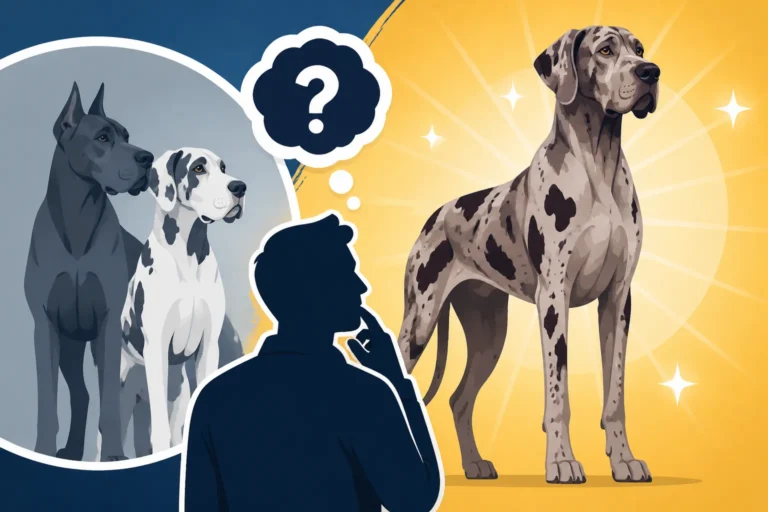
It's natural to be utterly captivated by the sheer size of a Great Dane. When you first encounter one, whether in person or through stunning photos, the question almost immediately pops into your mind: just how big can they get? It’s hard not to wonder about the absolute giants of the breed, the ones that push the boundaries of what we consider a "dog." This guide is going to delve into the fascinating world of record-breaking Great Danes, exploring not just who held the title of the tallest, but also the unique realities that come with being an extraordinary giant.
The Quest for Great Dane Giants
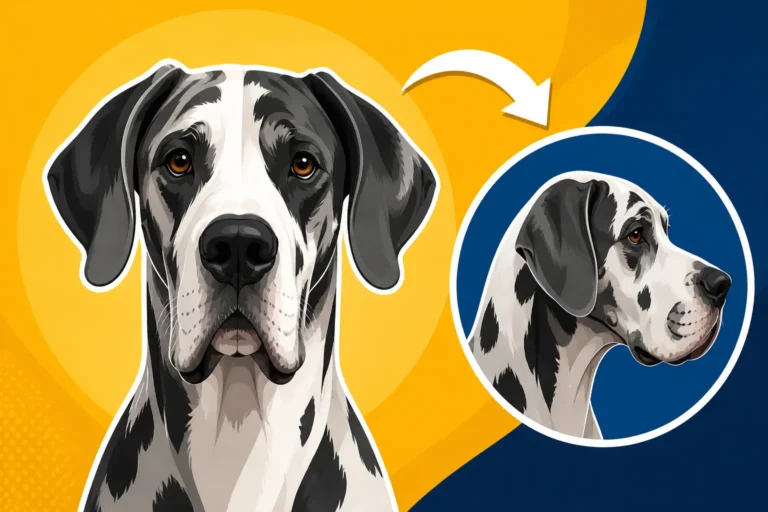
The Great Dane breed is known for its impressive stature, often earning it the nickname "Apollo of Dogs" or "gentle giant." But even within a breed of giants, there are some who truly stand head and shoulders above the rest. The pursuit of "the tallest" is a fun way to appreciate the incredible genetics at play, but it also brings to light some very real considerations for these magnificent animals.
Defining "Tallest" – Height vs. Weight
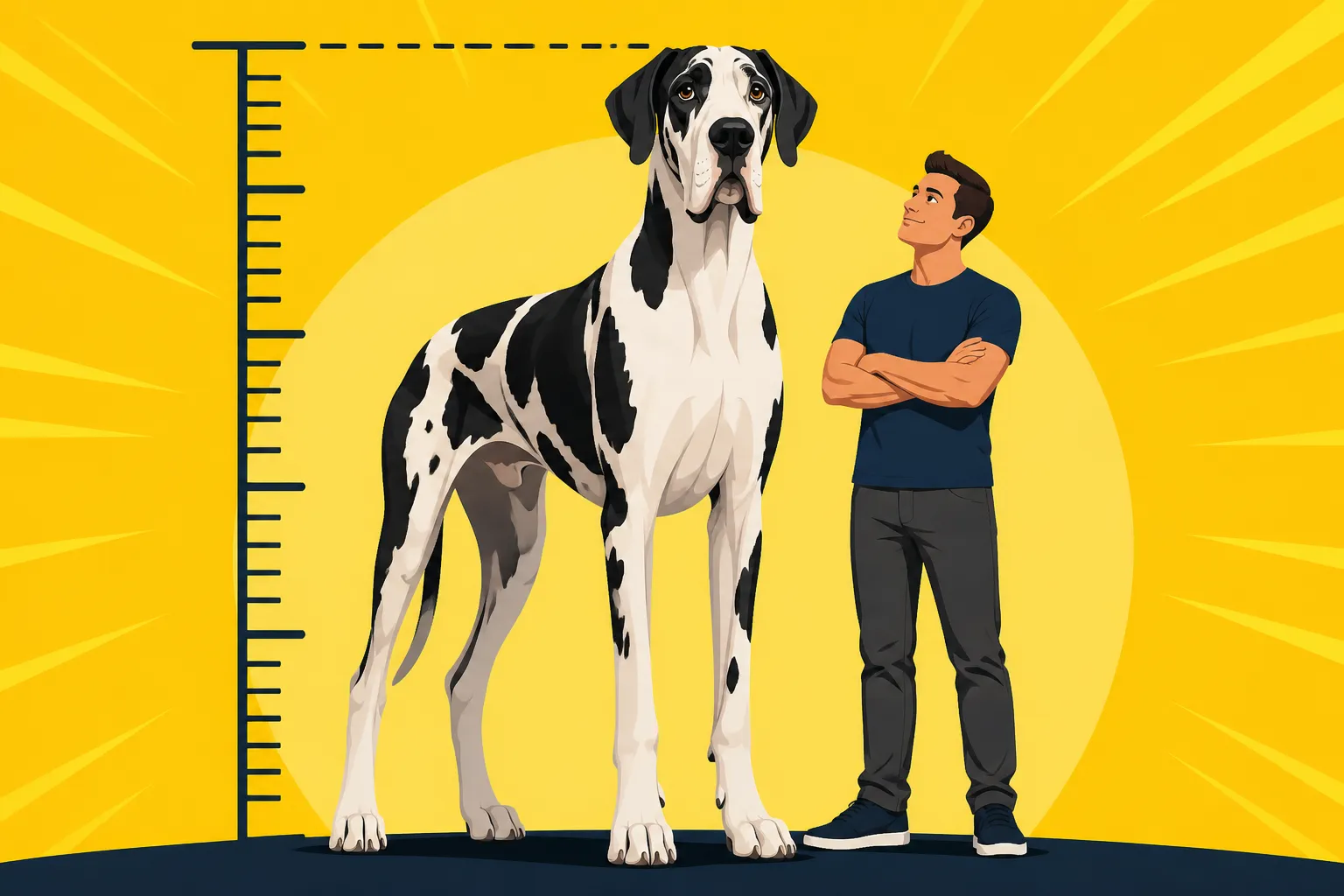
When we talk about the "tallest" dog, we're specifically referring to their height measured from the ground to the highest point of their shoulders, known as the withers. This is the standard measurement used by kennel clubs and record-keeping organizations. It differentiates between a truly tall dog and one that might simply be incredibly heavy or bulky. While a Great Dane's weight can certainly be astounding – often well over 150 pounds for males – it's the vertical reach that captures our imagination most. A dog can be hefty, but if its legs aren't exceptionally long and its frame upright, it won't be considered the "tallest." It's about that commanding presence they have, where they can look you straight in the eye while you're standing.
The Role of Genetics and Nutrition
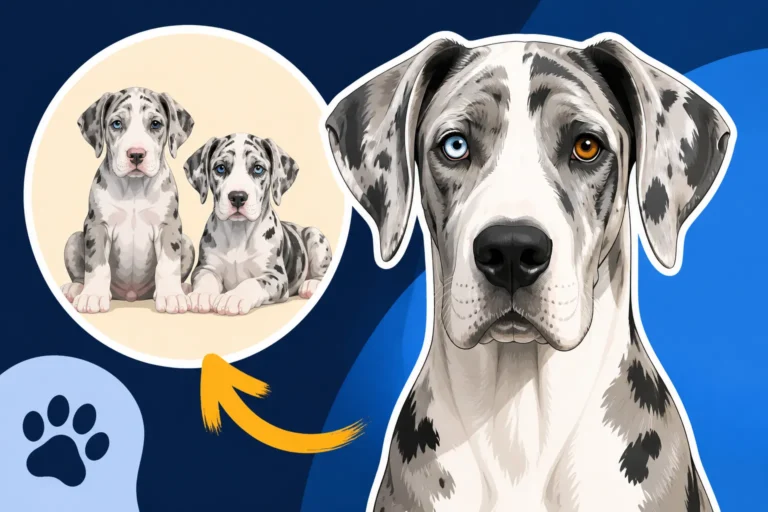
The incredible size of a Great Dane, let alone a record-breaking one, isn't just a fluke. It's a complex interplay of genetics, careful breeding, and appropriate nutrition from puppyhood. Breeders aiming for large, healthy Danes understand the importance of selecting parent dogs with good structure and lines that tend towards impressive size without sacrificing health. However, it's crucial to remember that encouraging rapid growth in a Great Dane puppy can actually be detrimental. Overfeeding or supplementing with too much calcium can lead to serious bone and joint issues down the line. Instead, a slow, steady growth on a high-quality, large-breed puppy food is the key to healthy development. You can learn more about How Big a Great Dane Actually Gets by understanding the breed's standard and growth patterns. The goal is robust health, not just sheer height at any cost.
Unpacking the Legend of Zeus
When the topic of the tallest Great Dane comes up, one name consistently springs to mind for many years: Zeus. His incredible stature captured the hearts of people worldwide, solidifying his place in the annals of canine giants. He was more than just a measurement; he was a personality, a gentle giant who lived a truly remarkable life, albeit one with its own set of unique challenges.
Who Was Zeus?
Zeus was a majestic Great Dane from Otsego, Michigan, who officially held the Guinness World Record for the tallest dog. Standing at an astounding 44 inches (over 3 feet, 8 inches) at the shoulder, he was a truly breathtaking sight. When he stood on his hind legs, he towered over 7 feet tall, easily looking over most humans. Born in 2008, Zeus quickly grew into his formidable size, becoming a local celebrity and then an international icon. His owners often described him as a loving, calm, and surprisingly gentle dog despite his intimidating presence. He was known for making people smile wherever he went, often visiting schools and hospitals as a therapy dog, which perfectly embodied the gentle giant reputation of his breed. His record was a testament to the potential for extreme size within the Great Dane lineage, but it also served as a focal point for understanding the care such a massive animal requires.
The Challenges of Living Large
While Zeus's size was awe-inspiring, it also came with significant practical and health challenges. Just imagine the logistics of a dog that size! Everything from feeding to transportation required special consideration. Zeus reportedly consumed around 12 cups of dog food daily, plus other treats and snacks, which meant a considerable ongoing expense for his owners. Finding a vehicle large enough to transport him comfortably, let alone a bed that adequately supported his massive frame, would have been a constant undertaking.
Beyond the daily logistics, extreme size unfortunately often correlates with a shorter lifespan. Giant breeds like Great Danes already have a shorter life expectancy compared to smaller dogs, and those at the very top end of the size spectrum can face even greater health hurdles. Zeus, like many giant breeds, eventually faced health issues that are common for dogs of his immense size. These can include joint problems due to the incredible strain on their skeletal system, as well as an increased risk for conditions like The Heart Muscle Disease Great Danes Are Prone To and Bloat in a Great Dane and the One in Three Odds, which are tragically common in the breed. Zeus passed away at the age of five, a testament to the heartbreaking reality that the biggest dogs often have the briefest lives. It’s a stark reminder of The Seven to Ten Year Great Dane Lifespan that many owners face.
Beyond Zeus: Other Notable Great Danes
While Zeus is perhaps the most famous and widely recognized "tallest dog" in recent memory, he wasn't the only one to capture the world's attention for his towering height. The title of "tallest" is often contested, and other remarkable Great Danes have held or vied for similar recognition, each leaving their own paw print on history.
George and Other Contenders
Before Zeus, there was Giant George, another incredible Great Dane who also held the Guinness World Record. Hailing from Arizona, George stood at 43 inches at the shoulder, just an inch shy of Zeus's eventual record. His story, much like Zeus's, highlighted the incredible bond between a giant dog and its family, and the unique challenges and joys that came with his immense size. George lived to be nearly eight years old, a respectable age for such a giant, and his gentle nature further cemented the Great Dane's reputation as a loving companion despite their imposing appearance.
Over the years, various other Great Danes have made headlines for their height, often just falling short of official records or holding regional titles. These dogs, whether acknowledged globally or not, consistently demonstrate the genetic potential within the breed for truly enormous stature. The transient nature of these records underscores the ongoing growth and development within the breed, with breeders striving for healthy, well-structured giants. It's a testament to the dedication of those who love and breed these majestic animals that we continue to see such impressive examples. The constant fascination with these record-breakers also serves as a general indicator of The Height at Which a Great Dane Is Too Big for optimal health, prompting conversations about responsible breeding practices.
The Everyday Giant
While the record-breakers are certainly captivating, it's important to remember that even a "regular" adult Great Dane is an enormous animal that commands attention and respect. Most male Great Danes easily stand 30-34 inches tall at the shoulder, with females often ranging from 28-32 inches. These dogs are already giants in every sense of the word, impacting every aspect of an owner's life in ways smaller dogs simply don't. From the sheer volume of food they consume to the space they occupy on the couch or in the car, living with a Great Dane is a unique experience. They may not be record-holders, but their daily presence is just as awe-inspiring and requires the same level of commitment and understanding from their human companions. How Much Space a Great Dane Really Needs is a question every potential owner grapples with, regardless of whether their dog is destined for a world record.
The Realities of Extreme Size for Great Danes
Embracing a Great Dane, especially one of truly impressive size, means accepting a unique set of realities. It's not just about marveling at their stature; it's about understanding the deep responsibilities that come with caring for such a magnificent, albeit vulnerable, animal. The extraordinary size that makes them so captivating also presents considerable challenges in terms of health, daily care, and financial commitment.
Health Implications of Giantism
The most significant reality for giant breeds, and especially for exceptionally large Great Danes, is the increased propensity for certain health conditions. Their rapid growth and immense weight place tremendous strain on their bodies. Joint problems are incredibly common, including hip and elbow dysplasia, as well as conditions like osteochondritis dissecans (OCD) where cartilage doesn't develop properly. These issues can lead to chronic pain and mobility challenges as they age.
Furthermore, the deep-chested conformation of Great Danes makes them highly susceptible to gastric dilatation-volvulus (GDV), commonly known as Bloat in a Great Dane and the One in Three Odds. This life-threatening condition involves the stomach filling with gas and twisting, cutting off blood supply. It requires immediate emergency surgery and is a constant worry for Great Dane owners. Heart conditions, particularly Dilated Cardiomyopathy (DCM), are also prevalent. DCM is a progressive disease where the heart muscle thins and weakens, leading to an enlarged heart that struggles to pump blood effectively. The Heart Muscle Disease Great Danes Are Prone To is a devastating diagnosis that can significantly shorten an already limited lifespan. Sadly, Bone Cancer in a Great Dane, specifically osteosarcoma, is also seen at higher rates in giant breeds, often affecting the long bones. These health realities underscore the importance of choosing a reputable breeder who performs extensive health screening on their breeding stock and being prepared for significant veterinary care throughout your Dane's life.
Practical Considerations for Owners
Beyond the health concerns, simply living with a dog the size of a small pony requires a complete adjustment to daily life. Everything is scaled up. Consider their diet; Feeding a Great Dane That Eats Ten Cups a Day is not an exaggeration. The cost of premium large-breed dog food is substantial, and you'll find yourself needing to buy it in bulk. Online retailers like Chewy often provide convenient delivery services for these large, heavy bags of kibble, which can be a real lifesaver when you're stocking up on several weeks' worth of food at a time.
Then there's bedding. A standard dog bed simply won't do. Great Danes need large, supportive, orthopedic beds to cushion their joints and prevent pressure sores. Investing in Orthopedic Beds a Great Dane Needs is not a luxury, it's a necessity. Training, especially leash manners, is paramount. A 150-pound dog pulling on the leash can easily pull an adult off their feet. Finding Crates That Hold a Full-Grown Great Dane is another logistical hurdle, as many standard crates aren't large enough for an adult Dane to comfortably stand or turn around in. Even everyday tasks like bathing, nail trimming, or getting into a car become physically demanding endeavors that often require specialized tools or professional help.
| Feature | Average Adult Great Dane (Male) | Record-Holding Great Dane (e.g., Zeus) | Key Owner Considerations |
|---|---|---|---|
| Height (at Withers) | 30-34 inches | ~44 inches | Requires space, special car setup, modified home. |
| Weight | 120-175 lbs | ~200-250 lbs | Higher food costs, stronger gear, professional handling. |
| Lifespan | 7-10 years | Typically shorter (5-8 years) | Greater focus on preventative care and health monitoring. |
| Food Intake | 6-10 cups/day | 12+ cups/day | Bulk buying, high ongoing expense. |
| Health Risks | Bloat, DCM, joint issues | Magnified risks due to extreme size | Consistent vet care, specialized diet, emergency fund. |
| Bedding | XL Orthopedic Bed | XXL or Custom Orthopedic Bed | Essential for joint health. |
The Appeal and Responsibility
Despite the challenges, the appeal of a Great Dane, whether a record-breaker or a cherished family pet, is undeniable. Their gentle nature, loyalty, and sheer impressive presence fill a home with something truly special. They are often described as deeply affectionate and sensitive dogs, thriving on human companionship. However, this profound bond comes with an equally profound responsibility. Owning a giant breed means committing to their health needs, their training, and providing an environment that supports their unique physical demands. It's a commitment that requires foresight, financial readiness, and an abundance of love and patience. Understanding the health issues, the costs involved, and the daily care requirements is crucial before bringing one of these magnificent giants into your life.
Disclaimer
This article is for general informational purposes only and does not constitute professional advice. Laws, prices and regulations vary by location and change over time. Consult a qualified professional for guidance on your specific situation.