The Five Weeks After Great Dane Heart Failure Starts
That feeling of your world tilting when the vet says "heart failure" about your magnificent Great Dane is absolutely devastating. It’s a diagnosis that throws you into a whirlwind of fear, confusion, and a desperate need for answers. What do you do now? How do you keep your gentle giant comfortable? This guide is here to walk you through those intensely critical first five weeks after a Great Dane's heart failure diagnosis, helping you understand what to expect, how to manage the situation at home, and when to seek further veterinary attention. We’ll focus on empowering you to provide the best possible care during this challenging time.
Understanding the Initial Diagnosis and Shock
When you first hear that your Great Dane has heart failure, particularly Dilated Cardiomyopathy (DCM), which is tragically common in our breed, it hits like a freight train. One moment you're trying to figure out why they're a bit lethargic or coughing, and the next you're faced with a prognosis that feels incredibly heavy. It’s okay to feel overwhelmed; this is not just a pet, it's a family member. The initial days are often a blur of new information, scary terms, and a sudden change in routine.
Processing the News and Initial Prognosis
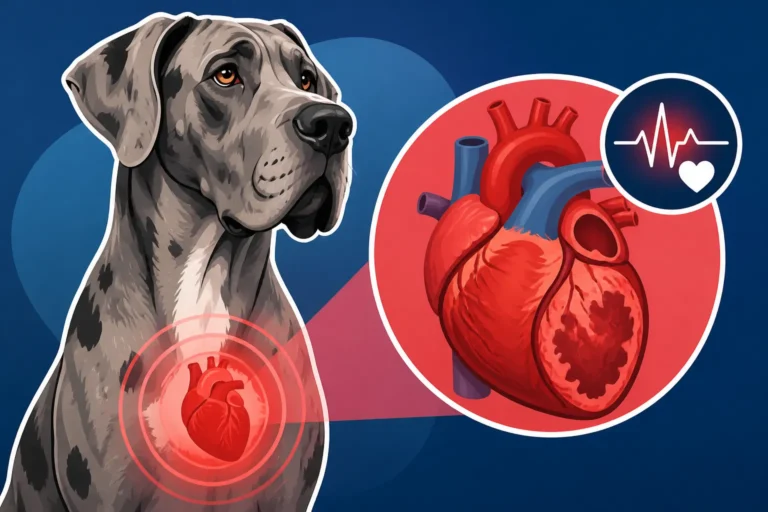
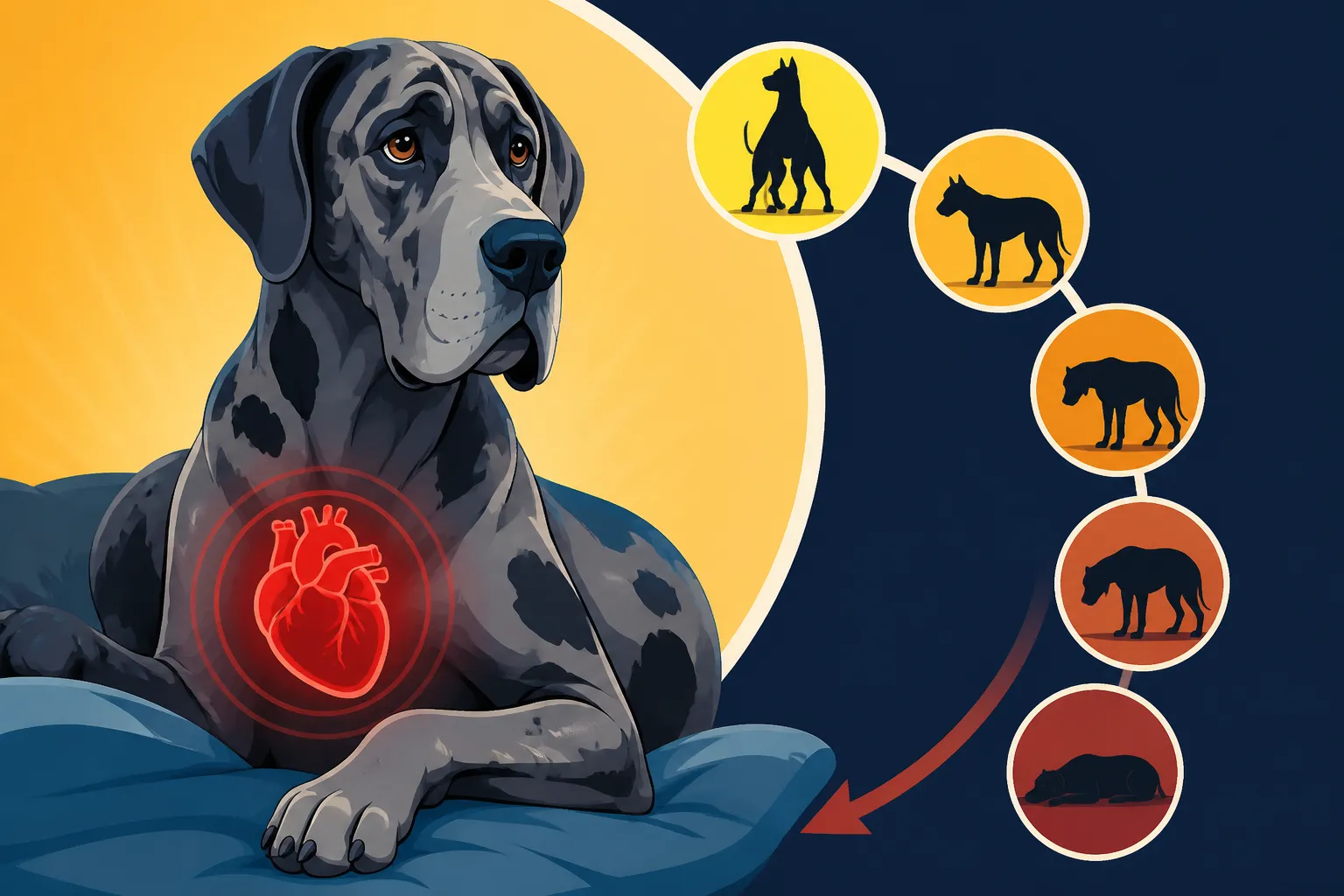
The veterinarian will typically explain the diagnosis, often after performing tests like an echocardiogram, which is essentially an ultrasound of the heart, and possibly radiographs (X-rays) of the chest. They're looking to see how much How a Great Dane Heart Enlarges and how well it's functioning, or more accurately, how poorly it's functioning now. You might hear terms like "congestive heart failure" or "DCM," and they'll likely discuss stages of the disease, like Stage C or D, indicating that symptoms are already present. This initial conversation is crucial, but it's also a lot to take in. Don't hesitate to ask for clarification, write things down, or even ask for a moment to compose yourself. This isn't just a clinical discussion; it's deeply personal, and your vet understands the weight of these words. The prognosis can be daunting, but remember that the goal of this initial treatment is to improve your Great Dane's quality of life and manage the symptoms, not necessarily to cure the underlying condition.
Immediate Veterinary Actions and Medications
Once heart failure is diagnosed, your vet will typically initiate a regimen of medications designed to manage the symptoms and support heart function. The most common immediate medications include diuretics, like Furosemide, to help reduce fluid buildup in the lungs (pulmonary edema) and around other organs, which is a major cause of the coughing and difficulty breathing you might have noticed. They'll also often prescribe an ACE inhibitor, such as Enalapril or Benazepril, which helps to relax blood vessels and reduce the workload on the heart. Many Great Danes with DCM will also start on Pimobendan (Vetmedin), a true game-changer in canine cardiology, which both strengthens the heart's contractions and dilates blood vessels, further assisting the struggling heart. For an in-depth look at managing these treatments, you can read more about Medication for a Great Dane With DCM. Sometimes, other medications like Spironolactone or Digoxin might be added depending on your dog's specific condition. The first few days of these medications are critical, as your vet will want to see how your Great Dane responds to them. They might adjust dosages based on initial improvement or any side effects. Expect frequent check-ins, perhaps even daily at first, to ensure the medications are working effectively and your dog is stabilizing. This phase is all about getting the immediate crisis under control and establishing a baseline for ongoing care.
Navigating the First Few Weeks: Adjustments at Home
Once you’ve left the vet with a bag full of medications and a heart full of worry, the real work of managing heart failure begins at home. These first few weeks are a period of intense observation, careful routine adjustments, and a steep learning curve. You’re not just a pet owner anymore; you’re a dedicated home nurse, pharmacist, and comfort provider all rolled into one. It can feel overwhelming, but with a structured approach, you can provide incredible support for your beloved Dane.
Monitoring Your Great Dane's Symptoms Closely
One of the most important things you'll do in the initial weeks is meticulously monitor your Great Dane for any changes in their condition. You're looking for signs that the medication is working, or, unfortunately, signs that the disease is progressing despite treatment. This often means paying close attention to things that might have seemed subtle before, like changes in breathing patterns or energy levels.
A key indicator is their resting respiratory rate (RRR). This is the number of breaths your dog takes per minute while they are completely at rest, ideally asleep and relaxed. A normal RRR for a dog is typically between 10 and 30 breaths per minute. You can count this by watching their chest rise and fall for 15 seconds and multiplying by four. Keep a log of this, as any sustained increase (e.g., above 30-35 breaths per minute) could indicate fluid buildup in the lungs and worsening heart failure. Many vets will ask you to report this daily.
Beyond breathing, keep an eye on their appetite and water intake. Are they still interested in their food? Are they drinking excessively? Vomiting or diarrhea can also be signs that something is off, whether it’s a side effect of medication or a new symptom. Watch their energy levels: A Great Dane That Cannot Finish a Walk is a red flag. Are they more lethargic than usual? Are they still greeting you at the door, even if with less vigor? Any persistent cough, especially one that sounds wet or productive, needs immediate attention. You can learn more about specific signs to watch for in our guide on Early Heart Signs in a Great Dane or if your dog is exhibiting A Great Dane That Coughs at Night.
Here's a simple table to help you monitor:
| Symptom Category | What to Watch For | Normal Range (approx.) | When to Act | Action Required |
|---|---|---|---|---|
| Respiratory Rate | Breaths per minute while asleep/resting (chest rise/fall) | 10-30 breaths/minute | Consistently >30-35 breaths/minute | Contact vet immediately |
| Coughing | Frequency, sound (dry, wet, productive) | Rare, occasional throat clear | Frequent, persistent, wet, or worsening | Contact vet |
| Energy Level | Interest in walks, play, general activity | Normal for their age/temperament | Lethargy, unwillingness to move, collapsing (Fainting in a Great Dane) | Contact vet (emergently if collapsing) |
| Appetite | Interest in food, amount consumed | Eating all meals | Refusal to eat for more than one meal, persistent nausea | Contact vet |
| Urination/Thirst | Frequency of urination, water intake | Consistent | Significant increase/decrease, accidents | Contact vet (could indicate kidney issues or fluid retention) |
| Gum Color | Pinkness of gums (check by lifting lip) | Bubblegum pink | Pale, white, blue/grey tint | Seek emergency vet care immediately |
Dietary Changes and Medication Management
Your veterinarian will likely recommend dietary modifications, often a low-sodium diet, to help manage fluid retention. Many prescription cardiac diets are available through your vet, or they might provide guidelines for adapting your current food. Avoid feeding table scraps, especially processed foods high in salt. Even healthy treats should be given in moderation and chosen carefully.
Administering multiple medications, sometimes several times a day, can be a full-time job. Great Danes are big, but they can still be picky or clever about spitting out pills. Crushing pills into a small amount of wet food, cheese, or pill pockets can help, but always check with your vet first to ensure the medication can be safely crushed or mixed. Some medications are extended-release and should never be altered. Keep a strict schedule for medication; consistency is key to managing their condition. A missed dose or incorrect timing can quickly set back their progress or lead to a worsening of symptoms. If you're struggling, talk to your vet about strategies or alternative formulations.
Activity Restrictions and Comfort Measures
During these first few weeks, your Great Dane's activity level will need to be significantly curtailed. No more vigorous games of fetch or long, strenuous walks. The goal is to minimize stress on their heart. Short, gentle leash walks for potty breaks are usually appropriate, but always monitor their breathing and energy. If they seem tired or start coughing, it’s time to head home. Our guide on How Much a Great Dane With a Weak Heart Can Do offers more insights into appropriate exercise levels.
Comfort is paramount. Ensure they have a soft, supportive bed that eases pressure on their joints and allows them to rest comfortably. Keep their environment calm and quiet. Stress can elevate heart rate and blood pressure, so a peaceful home is vital. If they seem to be struggling to find a comfortable position, especially when lying down, it could indicate fluid buildup, so keep an eye out for this. Elevating their head slightly with a pillow might help some Danes breathe easier. Providing a sense of routine and security can also reduce anxiety, both for your dog and for you.
Recognizing When Things Take a Turn
Even with the most diligent care, heart failure is a progressive disease. There will be good days and not-so-good days. The critical part is learning to differentiate between a minor off-day and a significant decline that requires immediate veterinary intervention. This ability to recognize worsening symptoms can truly be a lifesaver for your Great Dane.
Identifying Worsening Symptoms or Complications
Over the initial five weeks, your Great Dane's condition can fluctuate. One day they might seem almost normal, and the next they are visibly struggling. It's heart-wrenching to witness. Worsening symptoms often relate to increased fluid buildup or a further decline in heart function. You might notice their coughing becoming more frequent, more labored, or a wet, gurgling sound coming from their chest. Their breathing might become consistently faster, even at rest, beyond the 30-35 breaths per minute benchmark. This can be a sign that pulmonary edema is returning or worsening.
Pay close attention to changes in their general demeanor. Are they suddenly refusing food for more than a meal? Are they less responsive or less interested in their surroundings? Are they struggling to lie down comfortably, preferring to stand or sit for long periods? This can indicate fluid accumulation in the abdomen (ascites) or increasing respiratory distress. Swelling in their limbs, especially the hind legs, can also be a sign of fluid retention. Weakness, stumbling, or even collapsing can occur as the heart struggles to pump enough blood to the brain and muscles. It's a terrifying moment when you see A Great Dane That Collapses and Recovers. These are all serious signs that the current treatment plan may not be enough, and their condition is deteriorating.
When to Contact Your Vet or Seek Emergency Care
Knowing when to pick up the phone versus rushing to the emergency room can be tricky, but generally, any sudden, severe change warrants immediate action.
Contact your regular veterinarian if:
- You notice a consistent increase in their resting respiratory rate over several days (e.g., from 25 to 35 breaths per minute, even if below the emergency threshold).
- Their coughing becomes more frequent or intense, but they are still otherwise comfortable and eating.
- They have a mild decrease in appetite lasting more than one meal, but are still drinking and seem alert.
- You observe subtle lethargy or a reduced enthusiasm for walks, but no overt breathing difficulties.
- You have questions about medication side effects or need a refill.
Seek emergency veterinary care immediately if:
- Your Great Dane's resting respiratory rate is consistently above 40-50 breaths per minute, or they are struggling to breathe, using abdominal muscles significantly, or extending their neck to breathe. This is a true emergency.
- Their gums appear pale, blue-tinged, or white. This indicates a lack of oxygen and is extremely serious.
- They collapse or faint suddenly.
- They are acutely weak, unable to stand, or disoriented.
- They are persistently restless, can't get comfortable, and are panting heavily even in a cool environment.
Emergency care for a Great Dane with heart failure can be incredibly costly, especially with overnight stays and specialized treatments. This is where having pet insurance like Healthy Paws can truly alleviate some of the immense financial stress, allowing you to focus purely on your dog's well-being without crippling debt. Understanding Emergency Vet Fees for a Great Dane can help prepare you for these potential costs. Always have the phone number for your primary vet and the nearest 24-hour emergency veterinary clinic prominently displayed. Time is often of the essence when dealing with cardiac emergencies.
Emotional Toll and Support for Owners
Caring for a Great Dane with heart failure, especially in those intense first few weeks, isn't just physically demanding; it takes a significant emotional toll. You're constantly walking a tightrope between hope and fear, celebrating small victories while bracing for potential setbacks. It's a journey that can leave you feeling isolated, exhausted, and heartbroken.
Coping with the Stress and Uncertainty
The emotional burden of a heart failure diagnosis is immense. You might find yourself constantly checking on your dog, listening to every breath, analyzing every movement. This hyper-vigilance is natural but can lead to severe anxiety and sleep deprivation. There's the profound sadness of knowing your vibrant companion isn't well, coupled with the guilt that often creeps in – did I miss something? Could I have done more? Please know that these feelings are incredibly common and valid. You are doing everything you can now, and that's what truly matters.
Allow yourself to feel these emotions. It's okay to cry, to be angry, to feel overwhelmed. Trying to suppress these feelings will only make them harder to bear. Talk to someone you trust – a partner, a friend, a family member. Sometimes just verbalizing your fears can make them feel a little lighter. Remember that your well-being is also important. If you’re constantly exhausted and stressed, it will be harder to provide the calm and consistent care your Great Dane needs. Try to carve out small moments for yourself, even if it's just a 15-minute walk or a quiet cup of tea.
Building a Support System and Planning Ahead
You don't have to go through this alone. Reach out to your veterinary team; they are a vital source of information and emotional support. They understand the nuances of the disease and can help you interpret symptoms, adjust medications, and discuss quality of life. There are also online support groups for owners of dogs with heart conditions, where you can connect with others who truly understand what you're experiencing. Sharing experiences and advice can be incredibly comforting and validating.
Beyond emotional support, it's wise to start thinking about practicalities and future planning, even if it feels premature. Discuss with your vet what the progression of the disease typically looks like. What are the signs that your Great Dane’s quality of life is diminishing? Having these difficult conversations early can help you feel more prepared when harder decisions inevitably arise. You might want to consider putting together an emergency fund specifically for potential vet visits, or review your pet insurance coverage with providers like Healthy Paws to understand what’s covered. Planning ahead, not just financially, but emotionally, can help you navigate the future with a little more clarity. For those looking to understand the journey ahead, articles like Caring for a Great Dane Past Six or Nursing a Great Dane Through Its Last Weeks can offer valuable perspective, though hopefully your Dane has many more good weeks and months ahead. Ultimately, your love and dedication are the most important things you can give your Great Dane during this challenging time.
Disclaimer
This article is intended for informational purposes only and does not constitute medical advice. Always consult with a qualified veterinarian for any health concerns or before making any decisions about your Great Dane's care.