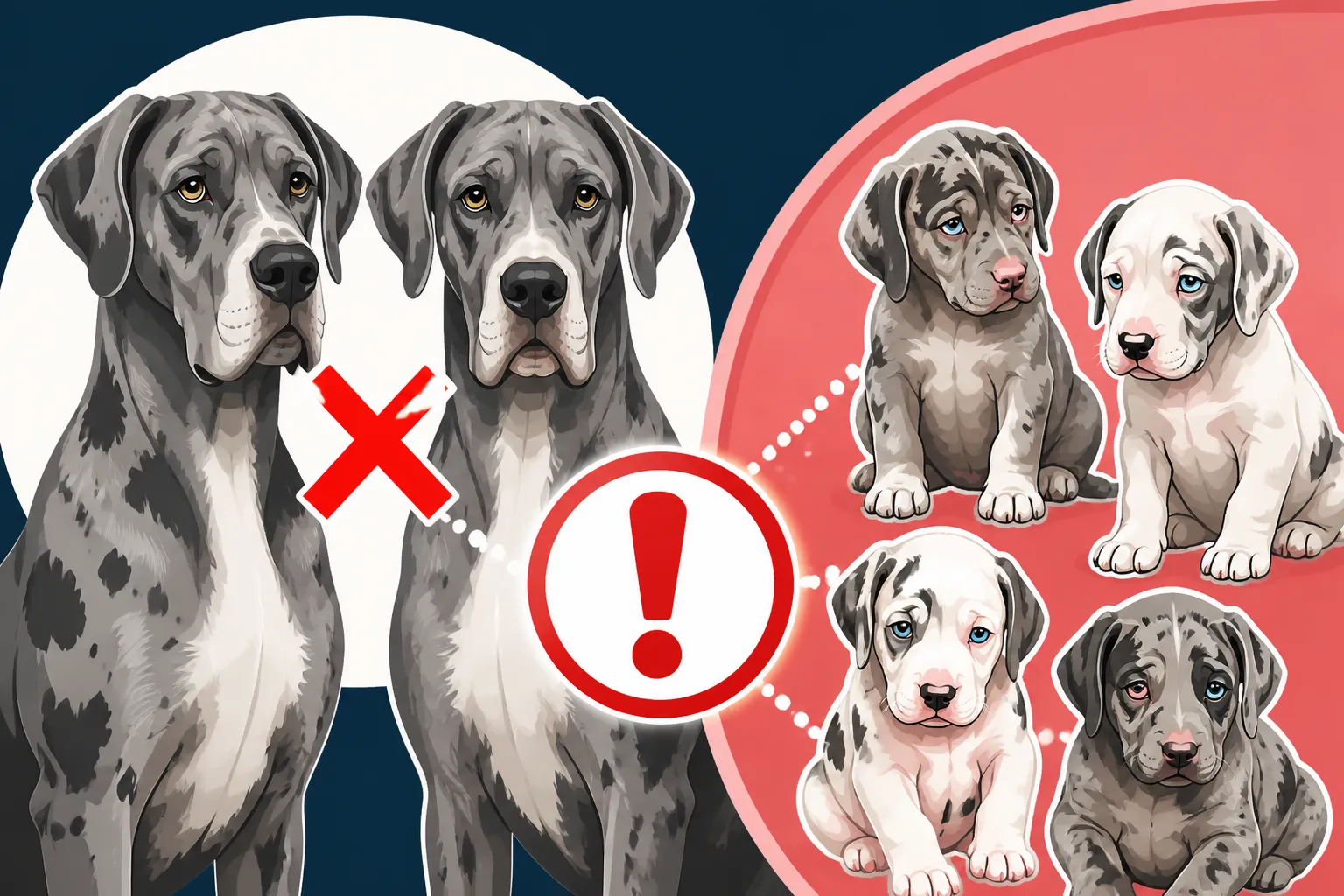
Why Two Merle Great Danes Should Not Be Bred
While a merle Great Dane can be breathtakingly beautiful, with their striking patchwork coats and often piercing blue eyes, the genetics behind that beauty carry a heavy responsibility for breeders. Many aspiring Great Dane owners, and even some novice breeders, might not fully grasp the severe and heartbreaking consequences of certain pairings. The simple truth is that breeding two merle Great Danes together is a practice that causes immense suffering, and this guide will delve deep into why this specific combination should be strictly avoided.
Understanding the Merle Gene in Great Danes
Before we can truly understand the risks, it's essential to get a grasp on what the merle gene actually is and how it influences a Great Dane's appearance. It's more than just a pretty coat pattern; it's a genetic blueprint with significant implications.
What Makes a Merle Coat Pattern?
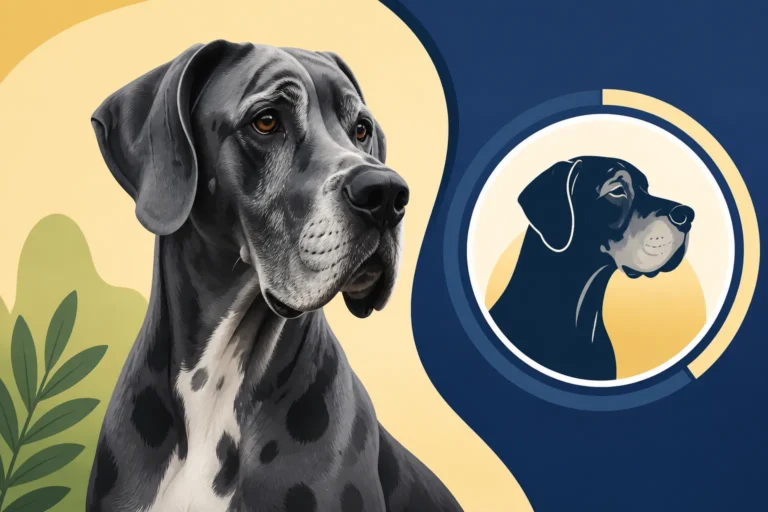
The merle coat pattern is created by a dominant gene, often referred to as the M locus, which affects the pigment eumelanin (the black pigment) in a dog's coat. When a dog inherits one copy of this gene, it causes a random dilution of black pigment, resulting in those iconic irregular patches of diluted color – think gray, blue, or even liver – interspersed with areas of full-strength solid color. This is why you see those stunning harlequin Danes with black patches on a white background, or blue merles with gray and black.
Beyond the coat, the merle gene frequently influences eye color. It's common for merle Great Danes to have striking blue eyes, or even heterochromia, where each eye is a different color, or sections of the same eye are different colors. The merle gene itself isn't inherently "bad"; it simply codes for a specific visual characteristic. The complications arise when two copies of this dominant gene are present.
The Genetic Basis of Merle Inheritance
For a Great Dane to display the merle pattern, it only needs to inherit one copy of the dominant merle gene (denoted as 'M') from either parent. So, a typical merle Great Dane has a genotype of Mm – one merle gene and one non-merle gene (m). A non-merle Great Dane would be mm, meaning it carries two non-merle genes.
Here's where it gets a little tricky: there are also variations like "cryptic merles" (Mc/m or Ma/m). These dogs might appear solid in color, making it difficult to identify them as merle carriers without genetic testing. This is why it's so incredibly important for responsible breeders to utilize genetic testing panels to accurately identify the merle status of their breeding dogs, especially if there's any merle in their lineage. The entire issue surrounding merle breeding boils down to the dosage of the merle gene. One copy (Mm) gives you the beautiful pattern. Two copies (MM) lead to severe problems, as we'll discuss next. Understanding Harlequin and Merle Great Dane Genetics is a cornerstone of ethical breeding.
The Devastating Impact of Double Merle Breeding
The decision to breed two merle Great Danes together is, unfortunately, a gamble with devastating consequences for the resulting puppies. When both parents carry the merle gene, there's a high statistical probability of producing what are known as "double merle" Great Danes.
What is a Double Merle Great Dane?
A double merle Great Dane is a dog that has inherited two copies of the dominant merle gene (MM), one from each merle parent. Instead of the attractive, patchy dilution seen in a single merle (Mm) dog, the double merle gene effectively over-dilutes all pigment. This typically results in a dog that is predominantly, if not entirely, white. These aren't just "white Great Danes" in the typical sense of a very light-colored mantle or fawn; these are dogs whose bodies have suffered severe pigment deletion, which has profound physiological consequences.
It's a visual characteristic that serves as a stark warning sign for the serious underlying health issues these dogs almost invariably face. While they might look unique, their appearance is a direct result of a genetic overload that leads to significant developmental problems.
Severe Health Issues Associated with Double Merles
The reason responsible breeders vehemently oppose breeding two merles is the high risk of producing double merle puppies, which are prone to a range of severe and often debilitating health conditions directly linked to the excessive pigment dilution caused by the MM genotype.
The most common and impactful issues include:
- Deafness: This is perhaps the most prevalent and heartbreaking consequence. The merle gene, in its double dose, affects the melanocytes—the pigment-producing cells—which are crucial for the proper development of the structures within the inner ear. Without these cells functioning correctly, the inner ear can degenerate, leading to hearing impairment or complete deafness. This can be bilateral (in both ears) or unilateral (in one ear). For a Great Dane, a dog that relies heavily on auditory cues and often has a strong bond with its human companions, being deaf can profoundly impact its quality of life and safety. This is a common problem, making many ask How Common Deafness Is in a White Great Dane.
- Ocular Defects: The merle gene also plays a critical role in eye development, and a double dose can lead to a multitude of severe eye problems. These can range from relatively mild issues to complete blindness. Common ocular defects include:
- Microphthalmia: Abnormally small eyes, which may or may not have vision.
- Colobomas: Holes or gaps in the iris, retina, choroid, or optic disc, which can impair vision.
- Irregular Pupils: Pupils that are misshapen or unresponsive to light.
- Cataracts: Clouding of the eye lens.
- Increased Intraocular Pressure: This can lead to glaucoma.
- Retinal Detachment: The retina separates from the underlying supportive tissue.
- Anophthalmia: In the most extreme cases, one or both eyes may be completely absent.
The severity of these conditions means that many double merle Great Danes are blind, visually impaired, or have very painful eye conditions that require constant veterinary attention. This is directly related to why Missing Eyes and Small Eyes in White Great Danes is a known issue.
- Other Potential Issues: While deafness and ocular defects are the most consistently documented and severe problems, some research suggests potential links between the double merle gene and other health concerns. These are less definitively proven but can include reproductive problems, neurological defects, and even cardiac abnormalities. However, the profound suffering caused by the auditory and visual impairments alone is reason enough to avoid such pairings.
These severe disabilities often mean a lifetime of profound care needs for these dogs, putting an immense emotional and financial strain on their owners. It's a preventable tragedy that ethical breeding practices can easily circumvent.
Ethical Breeding Practices and Prevention
Understanding the dire consequences of double merle breeding lays the groundwork for emphasizing responsible and ethical breeding practices. It's about putting the health and welfare of the puppies above all else, especially fleeting aesthetic preferences.
Why Responsible Breeders Avoid Merle-to-Merle Pairings
Simply put, breeding two merle (Mm) Great Danes together is considered irresponsible and unethical because of the high statistical probability of producing double merle (MM) puppies with severe disabilities. The genetic odds are not in favor of healthy outcomes:
- Approximately 25% of the puppies will inherit two copies of the merle gene (MM), making them double merles.
- Another 50% will be single merles (Mm), displaying the desired coat pattern.
- The remaining 25% will be non-merle (mm).
This means that a quarter of an entire litter could face a life of challenges, including deafness and blindness. No ethical breeder wants to intentionally produce puppies destined for such hardship. This is why thorough genetic testing, readily available today, is paramount. Breeders can easily identify the merle status of their breeding dogs, including those cryptic merles that might appear solid but still carry the gene. This knowledge empowers them to make informed decisions that prioritize health. Transparency and education are key from any reputable breeder, ensuring potential owners understand the risks and how they are mitigated. When seeking a puppy, always inquire about The Health Testing a Great Dane Breeder Owes You to ensure responsible practices.
Safe Breeding Combinations for Merle Great Danes
The good news is that it is absolutely possible to breed beautiful merle Great Danes safely and ethically without risking double merle offspring. The solution lies in strategic pairing:
- Merle (Mm) x Non-Merle (mm): This is the ideal and only responsible pairing involving a merle dog. When a single merle Great Dane is bred with a non-merle Great Dane, approximately 50% of the offspring will be merle (Mm) and 50% will be non-merle (mm). Crucially, no double merle (MM) puppies will be produced from this combination. All the resulting merle puppies will carry only one copy of the merle gene, making them healthy merles.
- Non-Merle (mm) x Non-Merle (mm): This pairing will produce 100% non-merle offspring (mm).
Here’s a simple table illustrating the outcomes of these pairings:
| Parent 1 (Genotype & Phenotype) | Parent 2 (Genotype & Phenotype) | Offspring Genotype & Phenotype Probability | Risk of Double Merle (MM) |
|---|---|---|---|
| Merle (Mm) | Merle (Mm) | 25% MM (Double Merle), 50% Mm (Merle), 25% mm (Non-Merle) | HIGH (25%) |
| Merle (Mm) | Non-Merle (mm) | 50% Mm (Merle), 50% mm (Non-Merle) | NONE |
| Non-Merle (mm) | Non-Merle (mm) | 100% mm (Non-Merle) | NONE |
It is vital to emphasize that even for seemingly non-merle dogs, especially if their family tree includes merles, genetic testing is recommended to rule out cryptic merle status. This prevents accidental merle-to-merle pairings. Ultimately, the health, temperament, and longevity of the puppies should always be the paramount concern for any Great Dane breeder, far outweighing the desire for a specific color pattern.
Recognizing and Caring for a Double Merle
Despite the best efforts of responsible breeders and advocates, double merle Great Danes are unfortunately still born, sometimes due to ignorance, sometimes due to unscrupulous breeding practices. It's important for potential owners to be able to recognize the signs and understand the unique care these special dogs require.
Identifying Double Merle Characteristics
The most striking physical characteristic of a double merle Great Dane is typically their coat. They are often predominantly, if not entirely, white, sometimes with sparse, diluted patches of color. Their eyes are frequently blue, but can also appear colorless, glassy, or even malformed (microphthalmia). If you see a Great Dane puppy advertised at a surprisingly low price, especially with a mostly white coat and blue eyes, it should immediately raise a red flag. Be cautious of claims that a puppy is simply a "rare white" Great Dane; this language often masks the underlying genetic issue. When you're Reading a Great Dane Puppy's Health Papers, always look for proof of parentage and merle testing.
Beyond physical appearance, behavioral signs can indicate deafness or visual impairment:
- Deafness: A lack of response to sounds, being easily startled when touched from behind, not waking to loud noises, or an inability to locate the source of a sound. You might notice them sleeping very deeply. You can often see people getting puppies' hearing tested, a crucial step especially for light-colored Great Danes; learn more about Testing a Great Dane Puppy's Hearing.
- Visual Impairment: Bumping into objects, especially in unfamiliar environments or after furniture has been moved, hesitation when navigating stairs or new spaces, or pupils that don't react normally to light.
If you encounter a Great Dane with these characteristics, it’s highly probable they are a double merle, and they will need a dedicated home prepared for their unique needs.
Living with a Special Needs Great Dane
Bringing a double merle Great Dane into your home means committing to a journey of dedicated care, patience, and understanding. While challenging, these dogs can absolutely lead full, happy, and loving lives with the right support.
- Deafness: Training a deaf Great Dane primarily involves using clear, consistent hand signals. You might use a vibrating collar (set to vibrate, not shock) to get their attention for cues like recall. A safe, securely fenced yard is paramount, as they won't hear oncoming dangers. Always keep them on a leash in unsecured public areas. It's also vital to make sure you gently alert them to your presence before touching them, to avoid startling them. Many resources are available for Hand Signals for a Great Dane That Cannot Hear.
- Blindness/Vision Impairment: For a blind or visually impaired Great Dane, maintaining a consistent home environment is crucial. Avoid rearranging furniture. Use scent markers (e.g., essential oils on furniture legs) to help them navigate. Always provide gentle verbal warnings before approaching or touching them. Specialized toys that make noise or have strong scents can help engage them. Ensure all potential hazards are removed or padded.
- Financial & Emotional Commitment: The financial burden of caring for a double merle dog can be substantial. Beyond specialized training, ongoing veterinary care for eye issues, potential surgeries, and adaptive equipment are often necessary. This is precisely why having a comprehensive pet insurance plan, perhaps from providers like Healthy Paws, can offer immense peace of mind, helping to cover unexpected and ongoing medical expenses. Many owners choose to get their pets insured from a young age, by Enrolling a Great Dane Before Anything Happens, which can be particularly beneficial for dogs with potential health predispositions. It's also important to consider What a Bargain Great Dane Really Costs Later, as the initial low price can quickly be dwarfed by vet bills. Emotionally, it requires extra patience and a deep capacity for empathy, but the bond formed with a special needs Great Dane is often incredibly profound and rewarding.
Despite their challenges, double merle Great Danes are often incredibly resilient, adaptable, and loving companions. With informed and dedicated owners, they can thrive and bring immense joy to their families.
Disclaimer
This article is intended for informational purposes only and does not constitute veterinary advice. Always consult with a qualified veterinarian for any health concerns or before making any decisions about your Great Dane's care or breeding practices.