Whether a Great Dane’s Size Predicts Its Health
It’s a heart-wrenching thought for any Great Dane owner: does their magnificent size, the very thing we adore, doom them to a shorter, more complicated life? The truth is, while their impressive stature contributes to certain health predispositions, it’s not the sole predictor of a Great Dane's health. This guide will delve into the intricate relationship between a Great Dane's size and their well-being, exploring the unique challenges and what we can do to support our gentle giants.
The Unspoken Truth About Giant Breed Health
Anyone who has loved a Great Dane knows the distinct challenges that come with their impressive stature. It's not just about finding giant dog beds or reaching things on the counter; their sheer size places a unique physiological burden on their bodies that smaller breeds simply don't experience. This isn't to say every large dog is destined for poor health, but rather to acknowledge that their physical attributes inherently predispose them to certain conditions.
Why Bigger Doesn't Always Mean Better for Bones and Joints
Think about it from a purely mechanical perspective: more weight equals more stress. A Great Dane puppy, growing at an astonishing rate, is putting immense pressure on its developing skeletal system. This rapid growth, if not carefully managed, can lead to serious long-term issues. We're talking about conditions like hip and elbow dysplasia, where the joints don't form correctly, leading to pain and arthritis later in life. Even with the best genetics, the sheer force of a growing Dane’s body moving, jumping, or even just standing, can exacerbate any underlying weaknesses. This is why understanding Growth Disorders in a Great Dane Puppy is so crucial from the very beginning. Owners often agonize over the right balance of exercise and rest, knowing that every stride can impact their future mobility.
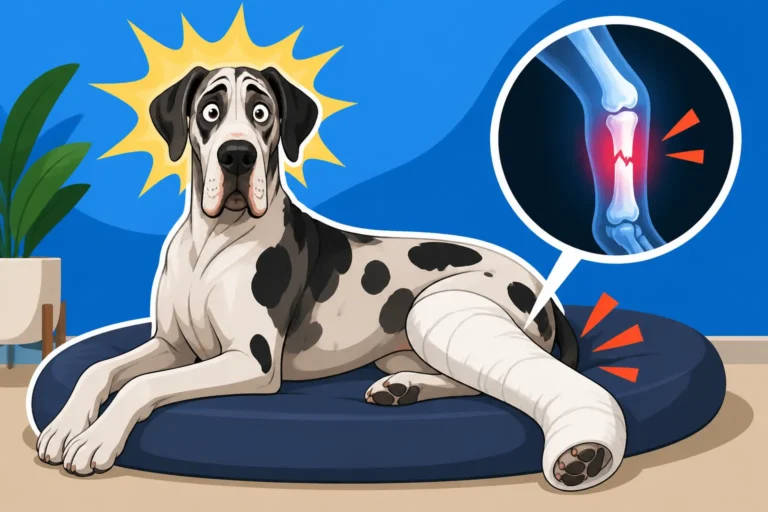
Moreover, the sheer volume of their bone structure also plays a role in conditions like osteosarcoma, a particularly aggressive bone cancer. While not exclusively a giant breed issue, the higher bone turnover and larger surface area in Great Danes are thought to increase their susceptibility. It’s a cruel irony that the strong, impressive bones we admire are also prone to such a devastating disease.
The Metabolism of a Mammoth: Faster Aging and Unique Organ Strains
It’s a common lament among giant breed owners: Why a Great Dane Ages Faster Than Smaller Dogs. This accelerated aging process means their bodies simply burn through their years more quickly. Their large size demands a proportionally larger and more efficient cardiovascular system, which, over time, can lead to strain. The heart, working harder to pump blood throughout such a vast body, can become enlarged and less efficient, leading to conditions like dilated cardiomyopathy (DCM). This metabolic overdrive also influences organ function, potentially leading to other systemic issues.
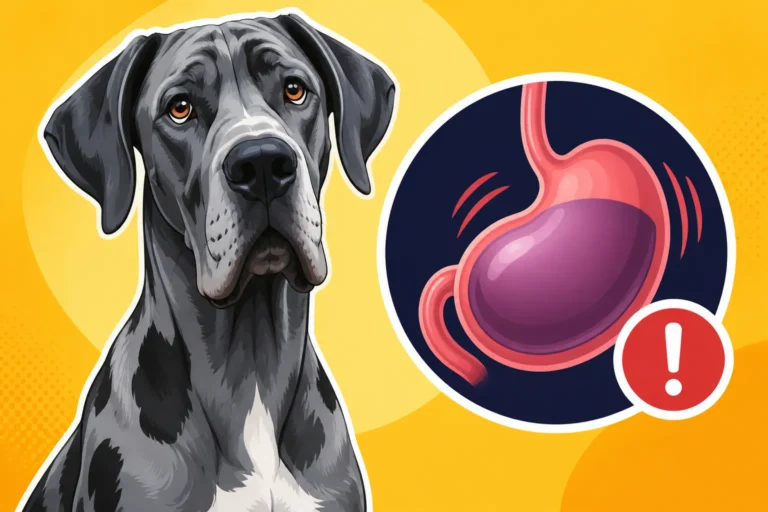
Another truly terrifying condition linked to their unique anatomy is Gastric Dilatation-Volvulus (GDV), commonly known as bloat. The deep, narrow chest characteristic of Great Danes, while aesthetically striking, creates an anatomical predisposition for the stomach to twist on itself. This isn't just a digestion problem; it's a medical emergency where minutes count. The way their organs are situated, combined with the stresses of their activity and eating habits, makes them particularly vulnerable to this life-threatening twist.
Specific Health Challenges Tied to Great Dane Size
When we talk about Great Danes, their size isn't just an aesthetic feature; it's a fundamental characteristic that directly influences some of their most prevalent and severe health concerns. It’s not about fear-mongering, but about being realistic and prepared for the unique health landscape of these magnificent dogs.
The Shadow of Bloat: A Large Chest's Peril
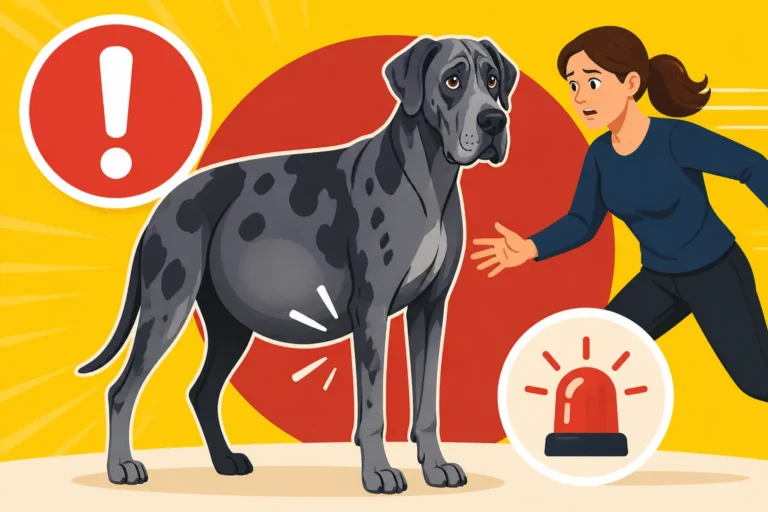
Gastric Dilatation-Volvulus, or bloat, is the single most feared word in the Great Dane community, and it's intimately linked to their physical build. Their deep, narrow chests, a hallmark of the breed, create a void where the stomach can easily flip and twist after it fills with gas or fluid. This twisting cuts off blood supply and traps gas, causing rapid, excruciating swelling. It’s a terrifying race against time, with survival often depending on how quickly you recognize The Signs of a Great Dane Stomach Twisting and get to an emergency vet.
The statistics are grim; studies suggest that as many as One in Three Great Danes Bloats in their lifetime. This isn't just a minor risk; it's a pervasive threat that shapes how many owners approach feeding, exercise, and even basic daily routines. Many proactive owners opt for a preventive surgery called a gastropexy, which tacks the stomach to the abdominal wall to prevent twisting. Understanding When to Book a Great Dane Gastropexy and How a Great Dane Gastropexy Is Done can literally be a life-saving decision for your dog. While it doesn't prevent gas accumulation, it dramatically reduces the chance of the deadly twist.
Heart of a Giant: Dilated Cardiomyopathy and Its Link to Size
Dilated Cardiomyopathy (DCM) is another devastating condition where the Great Dane's size plays a significant role. DCM causes the heart muscle to thin and weaken, making it unable to pump blood efficiently throughout their very large bodies. This inefficiency leads to fluid buildup, organ damage, and eventually heart failure. The sheer volume of blood required to nourish a Great Dane's extensive musculature and organs puts an immense and constant strain on their cardiovascular system.
Early signs can be subtle, like a decrease in activity tolerance or a cough that seems to appear out of nowhere. Unfortunately, by the time clinical signs are obvious, the disease is often advanced. This is why regular cardiac screening, including echocardiograms, is so important for Great Danes. Screening a Great Dane's Heart Each Year can help catch the disease in its earlier stages, potentially allowing for management that extends their quality of life. The prognosis for a Great Dane with DCM can be heartbreaking, and it is truly one of the most common and serious health issues our large friends face.
Weight of the World: Joint Issues and Bone Cancer
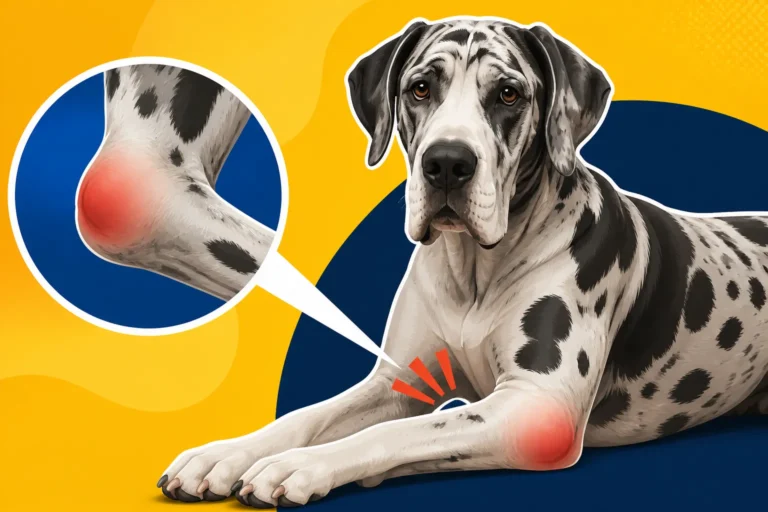
The simple mechanics of gravity and weight are undeniable factors in the health of a Great Dane's joints. Carrying 120-180 pounds (or more!) puts incredible strain on hips, elbows, and knees. Even with excellent genetics, this constant load contributes to the wear and tear that can lead to early-onset arthritis. Conditions like Great Dane Hips, Elbows and Growing Joints are not just a genetic lottery; the dog's sheer mass and the impact of daily movements exacerbate any predispositions. Owners need to be vigilant about keeping their Danes lean, especially during their critical growth phases, to minimize this stress.
Furthermore, their substantial bone mass also makes Great Danes disproportionately susceptible to osteosarcoma, a highly aggressive bone cancer. While research is ongoing, the prevailing theory suggests that the rapid bone growth and greater overall bone mass in giant breeds create more opportunities for cancerous cells to develop. It most commonly affects the long bones of the limbs. For many owners, a seemingly innocuous limp can quickly escalate into a devastating diagnosis of Bone Cancer in a Great Dane. The size of the dog also means that treatment, such as amputation and chemotherapy, is often more complex and costly due to higher drug dosages and specialized care needed for a giant recovery.
Navigating Health with a Giant: Proactive Measures and Realistic Expectations
While a Great Dane's size undoubtedly presents unique health challenges, it doesn't mean we are helpless. Thoughtful care, proactive prevention, and a strong partnership with your veterinary team can make a significant difference in their quality of life and potentially even extend their precious years. It's about being an advocate for your dog's specific needs, recognizing that "average dog" advice often doesn't apply to a giant breed.
The Critical Role of Diet and Exercise in a Growing Giant
One of the most impactful things you can do for a Great Dane, especially during their puppyhood, is to manage their diet and exercise meticulously. It might sound counterintuitive, but for giant breeds, slower growth is better. Overfeeding a Great Dane puppy with calorie-dense, high-protein food can accelerate their growth plates, leading to structural issues that manifest as joint problems later. This is why specialized Why Great Dane Puppy Food Is Different is crucial; it's formulated to support steady, rather than rapid, development.
Controlled exercise is equally vital. While a Great Dane puppy might have bursts of energy, strenuous, forced exercise like long runs or excessive jumping should be avoided until their growth plates have closed, usually around 18-24 months. Overworking their still-developing joints can contribute to the very orthopedic problems we discussed earlier. Instead, focus on moderate, regular walks and supervised playtime. The goal is to build muscle and stamina without putting undue stress on their growing bones and joints. Remember, Exercise Limits While a Great Dane Is Still Growing are a non-negotiable part of responsible ownership.
Early Detection and Veterinary Partnerships
Because Great Danes are prone to such serious, size-related conditions, a proactive approach to veterinary care is non-negotiable. This means more than just annual check-ups; it involves specific health screenings that target their breed's vulnerabilities. For instance, regular echocardiograms to screen for DCM are crucial, especially as they approach middle age. Similarly, hip and elbow evaluations (often through X-rays and specialized scoring systems) are essential to assess joint health. Finding a veterinarian who is experienced with giant breeds and understands their unique physiology is paramount.
Building a strong relationship with your vet allows for early detection of potential issues, which can drastically improve outcomes. They can guide you on preventive measures, such as whether a prophylactic Stomach Tacking Surgery for a Great Dane is right for your dog, or when to start specific supplements to support joint health. Given the potentially enormous costs associated with emergency care and chronic conditions for a giant breed, investing in pet insurance from a reputable provider like Healthy Paws can also offer invaluable peace of mind, helping you make treatment decisions based on what’s best for your Dane, not just your wallet. It's not uncommon for a single major surgery, like for bloat or cancer, to run into thousands of dollars.
Beyond the Stereotype: When Size Doesn't Directly Predict Everything
While size undoubtedly plays a critical role in a Great Dane's health, it's not the only factor, nor is it a guaranteed predictor of illness. Many elements work in concert to influence a dog's overall well-being. Understanding these additional influences allows for a more holistic approach to caring for these wonderful giants.
Genetics Play a Hand: Responsible Breeding Matters Most
Even with the inherent challenges of their size, the genetic lottery still plays a massive role. A Great Dane from a lineage of healthy, long-lived dogs with sound structure and good heart health has a better chance of thriving than one from poorly bred lines. Responsible breeders understand the breed-specific health concerns and actively work to mitigate them through careful selection and comprehensive health testing. They screen their breeding dogs for conditions like DCM, hip and elbow dysplasia, and thyroid issues.
When looking for a Great Dane puppy, asking about The Health Testing a Great Dane Breeder Owes You is not just a suggestion; it's a critical step. A transparent breeder will provide verifiable certifications for their breeding stock, such as OFA (Orthopedic Foundation for Animals) clearances for hips and elbows, and cardiac evaluations by a board-certified veterinary cardiologist. These screenings help ensure that while size introduces certain predispositions, the genetic foundation is as strong as possible, offering your puppy the best start in life.
Environmental Factors and Lifestyle Choices
Beyond genetics and initial veterinary care, the daily environment and lifestyle choices we make as owners profoundly impact a Great Dane's health. Providing a safe, comfortable, and stable home environment can reduce stress, which can contribute to various health issues, including bloat. Things like high-quality bedding, such as orthopedic foam beds, are essential to cushion their heavy joints and prevent pressure sores, especially as they age. Hard floors can be tough on their joints, so rugs or runners can help.
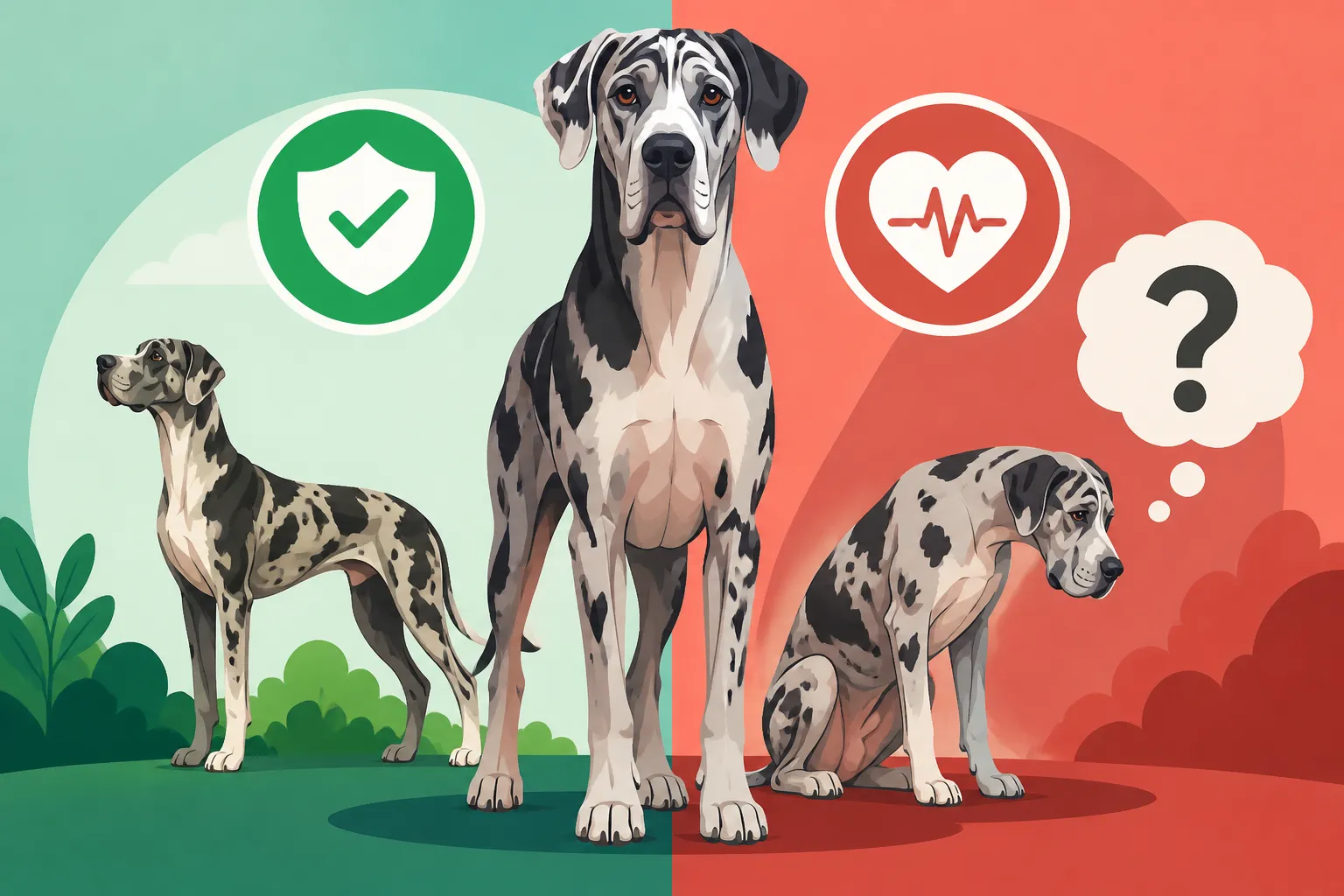
Consider also the mental stimulation and consistent routine you offer. A well-adjusted, confident Great Dane is less likely to suffer from stress-induced behaviors or anxieties that could indirectly affect their physical health. Clean water, a stable feeding schedule (multiple smaller meals are generally recommended to reduce bloat risk), and protection from extreme weather also contribute significantly. Ultimately, a Great Dane's health isn't solely dictated by their magnificent size, but by a complex interplay of genetics, diligent care, and the loving, informed choices made by their human companions.
| Health Condition | Primary Link to Great Dane Size | Key Risk Factor |
|---|---|---|
| Bloat (GDV) | Deep, narrow chest conformation | Stomach twisting on itself due to anatomical space |
| Dilated Cardiomyopathy (DCM) | Large body volume requiring increased cardiac output | Heart muscle weakening from sustained high workload |
| Hip/Elbow Dysplasia | Rapid growth, heavy weight, joint stress | Inadequate joint formation exacerbated by body mass |
| Osteosarcoma | Large bone mass, rapid bone turnover | Increased susceptibility to aggressive bone cancer |
| Arthritis | Sustained weight-bearing on joints | Accelerated wear and tear on cartilage over time |
| Accelerated Aging | High metabolic rate of large cells/organs | Shorter overall lifespan compared to smaller breeds |
Disclaimer
The information provided in this article is for general informational purposes only and is not a substitute for professional veterinary advice. Always consult with a qualified veterinarian for any health concerns or before making any decisions related to your Great Dane's care.