The Annual Limit One Great Dane Emergency Uses
One of the hardest realities of living with a Great Dane is facing an unexpected medical emergency. The sheer size of these magnificent dogs means that everything, from medication doses to surgical costs and even daily care, comes with a higher price tag. This guide will walk you through the often-overlooked aspect of pet insurance annual limits and how just one major Great Dane crisis can quickly consume your coverage, leaving you financially vulnerable when you least expect it.
The Reality of Great Dane Emergency Costs
Let's be honest, getting a Great Dane means signing up for larger-than-life expenses in every aspect, and veterinary care is no exception. It's not just the everyday wellness visits that add up; it's the sudden, terrifying emergencies that can truly break the bank and highlight just how quickly annual insurance limits can be reached. The sticker shock is real, and it can leave even the most prepared owner feeling overwhelmed.
Why Great Dane Emergencies Hit Harder
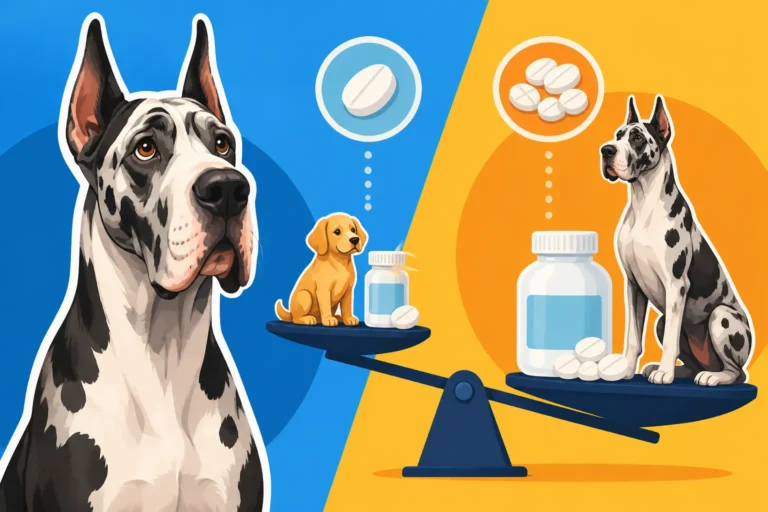
The truth is, a Great Dane's immense size directly correlates with higher medical costs. Think about it: anesthesia for a 150-pound dog is vastly different from a 20-pound terrier. Medication dosages are scaled up, requiring more pills or larger volumes of liquid. Surgical supplies, operating room time, and even the specialized equipment needed to handle a giant breed all contribute to a significantly higher bill. Your vet staff often needs more hands-on help to lift and manage a Great Dane during exams or procedures, and that expertise factors into the cost. It’s not just an incremental increase; it’s a jump in price that reflects their sheer scale. This is why even a routine procedure like an x-ray can become a multi-person job, necessitating more time and resources.
Furthermore, post-operative care and hospitalization can also be more extensive and expensive. A Great Dane recovering from surgery requires larger kennel space, more pain medication, and potentially more specialized monitoring. Their weight puts more strain on recovering joints and tissues, sometimes requiring longer stays or more intensive rehabilitation efforts. This cumulative effect means that what might be a manageable expense for a smaller dog can easily spiral into a five-figure sum for a Great Dane, making it critical to understand Emergency Vet Fees for a Great Dane and plan accordingly.
Common Emergencies That Rack Up Bills
When we talk about Great Dane emergencies, a few specific conditions immediately come to mind, and they are notorious for their hefty price tags. The most feared, of course, is bloat, or Gastric Dilatation-Volvulus (GDV). This is where the stomach twists, trapping gas and cutting off blood supply. It's a true race against time, requiring immediate emergency surgery. The cost for The Night a Great Dane Bloats and What It Costs can easily be several thousand dollars, sometimes reaching five figures, for the surgery, hospitalization, and post-operative care. Even if you've done a preventive gastropexy, which greatly reduces the risk of twist, a Great Dane can still bloat, requiring emergency decompression.
Beyond bloat, Great Danes are also prone to certain heart conditions, notably Dilated Cardiomyopathy (DCM). While not always a sudden emergency, a Great Dane experiencing acute heart failure might require emergency stabilization, oxygen therapy, and powerful cardiac medications. These initial crisis treatments, followed by ongoing cardiology appointments and daily medications, can quickly deplete an annual insurance limit. The Heart Muscle Disease Great Danes Are Prone To often requires extensive diagnostics and long-term management, adding to the financial burden. Additionally, conditions like bone cancer (Bone Cancer in a Great Dane) or severe orthopedic injuries can also incur massive costs for diagnostics, surgery, pain management, and rehabilitation. These aren't minor issues; they are life-threatening or debilitating conditions that demand immediate and expensive interventions.
Understanding Pet Insurance Annual Limits
Pet insurance can be a true lifesaver for Great Dane owners, offering a financial safety net against the high costs of emergency veterinary care. However, it's crucial to understand how annual limits work, because simply having insurance isn't always enough to cover everything that can go wrong. Many owners are surprised by how quickly these limits can be reached, especially with a giant breed.
What an Annual Limit Really Means
An annual limit, in simple terms, is the maximum amount of money your pet insurance company will reimburse you for eligible veterinary expenses within a policy year. Once your claims reach this dollar amount, your insurance coverage for that year is effectively exhausted, and you'll be responsible for 100% of any further costs until your policy renews. It's like having a cap on how much financial assistance you can receive. For Great Danes, whose veterinary bills are inherently higher, this limit can feel surprisingly low, even if it seems generous on paper. What might cover a significant portion of a smaller dog's emergency often only scratches the surface for a giant breed.
Imagine you have a $10,000 annual limit. A single, complicated bloat surgery, including overnight critical care and follow-up, could potentially cost $7,000-$10,000 or more. If your Great Dane suffers such an event early in the policy year, you could find your entire annual limit used up by that one incident. Any subsequent illness or injury, even a minor one, would then be entirely out of pocket for the remainder of that year. This is why it’s so important to pick an appropriate annual limit when you are Insuring a Great Dane Against Bloat and Heart Bills.
How Deductibles and Reimbursement Play In
Before your annual limit even kicks in, you typically need to satisfy your deductible. The deductible is the amount of money you pay out of pocket first for covered conditions before your insurance company starts reimbursing you. Some policies offer an annual deductible (you pay it once per year, no matter how many conditions), while others might have a per-condition deductible (you pay it for each new illness or injury). Choosing a higher deductible usually means a lower monthly premium, but it also means you'll pay more upfront before your coverage begins.
After you meet your deductible, the reimbursement percentage comes into play. This is the percentage of eligible veterinary costs that your insurance company will pay. Common reimbursement rates are 70%, 80%, or 90%. So, if your vet bill is $1,000, and you have an 80% reimbursement rate, the insurance company will pay $800 (after your deductible is met), and you'll be responsible for the remaining $200 (your 20% co-pay). It's crucial to remember that this reimbursement, along with your deductible payments, all count towards that annual limit. For example, if your annual limit is $10,000 and you have an 80% reimbursement, once the insurer has paid out $10,000, your policy maxes out, even if your total incurred vet bills were higher. This is where companies like Healthy Paws, known for their high reimbursement options, can be a great choice for Great Dane owners looking for robust coverage. Always read the fine print to understand exactly what your chosen policy entails.
The Different Types of Annual Limits
Not all annual limits are created equal, and understanding the subtle differences can significantly impact your financial protection. Here are the main types you'll encounter:
-
Per-Incident/Per-Condition Limits: Some older or less comprehensive plans might set a maximum payout for each separate illness or injury. So, if your Great Dane has bloat one month and then develops arthritis later in the year, each condition might have its own limit (e.g., $5,000 for bloat, $3,000 for arthritis). This can be advantageous if you have multiple, unrelated, but less severe issues, as it effectively gives you several "pools" of money. However, a single, incredibly expensive event like severe bloat surgery could still exceed a per-incident limit if that limit isn't high enough.
-
Annual Maximum Limits: This is the most common type for modern pet insurance policies, and what we've been primarily discussing. A single, overarching dollar amount is set for all eligible claims within a 12-month policy period, regardless of how many conditions your pet has. Once you hit that number, you're on your own until renewal. For Great Danes, with their propensity for costly single events, this type of limit needs to be as high as possible. Many insurers offer options ranging from a few thousand dollars to unlimited, and for a Great Dane, opting for the higher end or even unlimited is almost always recommended if it fits your budget.
-
Lifetime Limits: While much rarer now, some older policies used to have a lifetime cap on reimbursements for a pet. This meant that once the total amount paid out over the dog's entire life reached a certain figure, the policy would no longer pay out. Thankfully, most reputable modern pet insurance providers have moved away from lifetime limits in favor of annual limits, recognizing that chronic conditions can quickly exhaust a lifetime cap. When you're choosing a policy, always confirm that it's an annual limit and not a lifetime one, to ensure continuous coverage throughout your Great Dane's life, especially as you consider Caring for a Great Dane Past Six.
Understanding these distinctions is paramount. For a Great Dane, the sheer potential cost of a single major illness like bloat or DCM means that a robust annual maximum limit, or even an unlimited option, is usually the safest bet.
When One Emergency Eats Up Your Limit
It's a terrifying thought, but it's a very real possibility for Great Dane owners: a single, catastrophic medical emergency can consume your entire pet insurance annual limit, leaving you exposed for the rest of the policy year. This isn't just a theoretical concern; it happens more often than people realize with these large, often complex dogs. The financial strain can be immense, leading to difficult decisions when your funds run dry.
Scenarios Where the Limit Disappears Fast
Imagine your four-year-old Great Dane, Apollo, suddenly starts pacing, drooling excessively, and attempting to vomit without success. Your heart sinks – you know these are the classic The Signs of a Great Dane Stomach Twisting. You rush him to the emergency vet, where the diagnosis is confirmed: GDV, or bloat. He needs immediate surgery. The initial emergency stabilization, X-rays, bloodwork, the intricate surgery itself (which often includes a gastropexy to tack the stomach), several days of critical care hospitalization, powerful pain medications, and follow-up visits could easily accumulate costs ranging from $7,000 to $15,000 or more. If your pet insurance policy has an annual limit of, say, $10,000, that one emergency could easily consume the vast majority, if not all, of your available reimbursement for the entire year.
Another common scenario involves a Great Dane with a sudden onset of symptoms related to a heart condition. Perhaps your beloved Dane, Luna, collapses during a walk, a terrifying sign that could point to advanced DCM. The diagnostic workup—emergency ECG, chest X-rays, a full cardiac ultrasound (echocardiogram), and blood tests—could be a few thousand dollars alone. If DCM is diagnosed, the immediate hospitalization and the loading doses of multiple cardiac medications could add several more thousands. These initial bills for diagnostics and stabilization for What a Great Dane Cardiac Workup Costs might push you close to or past your annual limit, and that doesn't even account for the ongoing monthly medication costs and regular cardiology check-ups that would follow. It's a sobering thought that one serious health crisis can leave you without a safety net for the rest of the year.
The Tough Choices When Funds Run Out
When you've hit your annual limit and your Great Dane still needs care, the choices can become agonizingly difficult. You're suddenly faced with paying 100% out of pocket, and for ongoing conditions or new emergencies, those bills can be astronomical. For example, if Apollo had his bloat surgery covered up to your $10,000 limit, but then two months later he tears a crucial ligament in his knee, requiring another several-thousand-dollar surgery, you would have to bear that entire cost yourself. This can force owners into heartbreaking decisions, sometimes having to choose between their dog's well-being and their family's financial stability.
This is precisely the scenario pet insurance aims to prevent, but a low annual limit can negate that protection quickly. Owners might find themselves considering less ideal treatment options, delaying necessary procedures, or having to dip into savings meant for other purposes. It highlights the importance of not just having insurance, but having adequate insurance that truly reflects the potential costs of caring for a giant breed. When faced with such a decision, the love for your Dane clashes with the harsh realities of finances, creating immense stress and guilt.
What to Do When You Hit Your Max
Reaching your annual limit doesn't mean all hope is lost, but it certainly means you need a new strategy. First, don't panic. Talk openly and honestly with your veterinarian about your financial situation. They may be able to suggest alternative treatments, less expensive diagnostic paths, or prescribe generic versions of medications. They might also have payment plans or know of local charities or assistance programs that can help.
Next, consider medical credit options. Companies like CareCredit offer special financing for veterinary expenses, often with deferred interest periods if paid in full within a certain timeframe. This can provide a crucial bridge when you've exhausted your insurance. Lastly, review your pet insurance policy immediately. Understand when your policy renews and what options you have for increasing your annual limit for the next year. Some providers, like Healthy Paws, allow you to adjust coverage at renewal. While it won't help with the current year's overages, it can prevent a repeat situation. This experience should also be a wake-up call to start or bolster a dedicated emergency fund specifically for your Great Dane, a topic we will delve into next.
| Scenario | Estimated Cost | Typical Annual Limit ($10K) | Out-of-Pocket After Limit |
|---|---|---|---|
| Bloat Surgery & Critical Care | $8,000 – $15,000 | $10,000 (used ~80-100%) | $0 – $5,000+ |
| DCM Diagnosis & Stabilization | $4,000 – $8,000 | $10,000 (used ~40-80%) | $0 |
| Bone Cancer (Amputation + Chemo) | $10,000 – $20,000+ | $10,000 (used ~50-100%) | $0 – $10,000+ |
| Ligament Tear Surgery | $3,000 – $6,000 | $10,000 (used ~30-60%) | $0 |
| Total in a high-cost year: | $15,000 – $30,000+ | All $10,000 exhausted | $5,000 – $20,000+ |
Note: These are estimated costs and do not include deductibles or co-pays, which would further increase actual out-of-pocket expenses before any annual limit is reached.
Beyond the Annual Limit: Preparing for the Unthinkable
While pet insurance is a vital component of responsible Great Dane ownership, it's not a magic bullet. Relying solely on your annual limit can leave you vulnerable, especially when you consider the full scope of potential health issues and their associated costs. True preparedness means having multiple layers of financial protection in place, understanding that your insurance is a tool, not the entire solution.
Calculating the True Cost of a Major Great Dane Illness
When thinking about a major illness like Bloat in a Great Dane and the One in Three Odds or severe heart disease, it's not just the initial emergency treatment you need to factor in. The true cost extends far beyond that. For bloat, even after the successful emergency surgery and recovery, there's often follow-up care, specialized diets, and perhaps anxiety medication to consider if the experience was traumatic. If a gastropexy wasn't done during the initial emergency, you might consider it later, which is an additional cost.
For a chronic condition like DCM, the initial cardiac workup, including echocardiograms and Holter monitoring, is just the beginning. You're then looking at a lifetime of daily medications, which for a Great Dane can be quite expensive due to their weight. Regular re-check appointments with a veterinary cardiologist, follow-up diagnostics, and potentially dietary supplements all add up over months and years. Similarly, for cancer, after initial diagnosis and potential surgery, you might face rounds of chemotherapy, radiation, or ongoing palliative care and pain management. These long-term costs can easily exceed even a generous annual limit over the course of a year, and certainly over The Seven to Ten Year Great Dane Lifespan. That's why considering What Great Danes Most Often Die Of helps in anticipating potential future expenses.
Strategies for Bridging the Gap
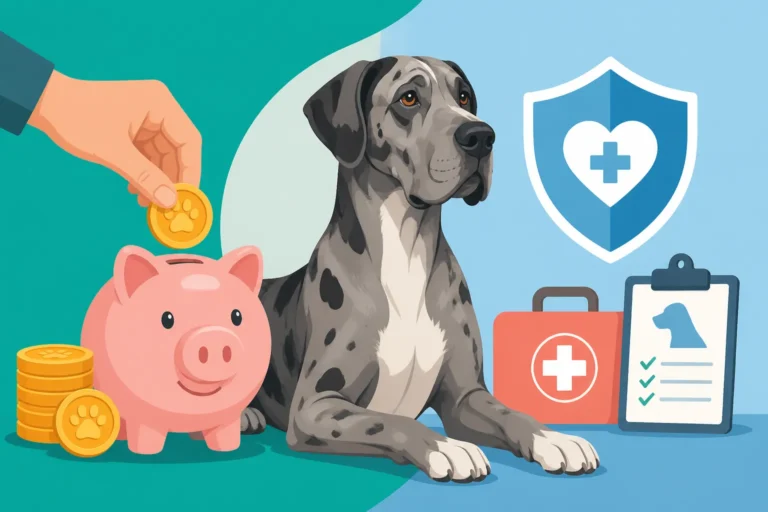
So, what do you do when your annual limit is depleted, but your Great Dane still needs care? This is where proactive financial planning truly shines. One crucial strategy is to create a dedicated Great Dane emergency fund. This isn't just your regular savings; it's money specifically set aside for unexpected pet-related expenses. Aim for several thousand dollars, or even more, to cover deductibles, co-pays, and any costs that exceed your insurance limit. Think of it as self-insurance for the gaps in your pet insurance. Even putting a small amount aside each month can grow into a substantial buffer over time.
Another strategy is to utilize veterinary financing options or credit cards specifically for medical expenses. While not ideal for long-term solutions, they can provide immediate liquidity during a crisis. Discuss payment plans with your vet's office, as many understand the financial pressures of giant breed ownership. Exploring online resources and communities for breed-specific aid can also sometimes yield results, as Great Dane rescues and foundations occasionally offer assistance for specific medical conditions. Furthermore, stocking up on necessary supplies or certain medications through reputable online retailers like Chewy can sometimes offer cost savings for ongoing needs, though always consult your vet for prescriptions and specific dosage instructions. For ongoing dietary needs, even a fresh food company like Ollie can be considered, but remember their primary benefit is nutrition, not emergency coverage.
The Value of a "Great Dane Emergency Fund"
Building a substantial "Great Dane Emergency Fund" is arguably just as important as having pet insurance, if not more so, for these magnificent animals. It acts as the ultimate safety net, catching you when insurance limits are reached, deductibles are due, or when a particular treatment isn't covered by your policy. For a Great Dane, the recommendation for an emergency fund should be on the higher end, ideally in the $5,000 to $10,000 range. This might sound daunting, but breaking it down into small, regular contributions can make it achievable.
Think about it: an emergency fund means you won't have to choose between your dog's life and your mortgage payment. It provides peace of mind, knowing that you can afford the best possible care for your giant companion, even if it means going above and beyond what your insurance covers. It allows you to follow your vet's recommendations without immediate financial panic. This fund complements your insurance, making a powerful duo that gives your Great Dane the best chance at a long, healthy life, and helps you avoid the immense stress of financial catastrophe during a crisis. Learning Building a Fund Before a Great Dane Needs It is a crucial step for every Great Dane owner.
Disclaimer
This article is for general informational purposes only and does not constitute professional advice. Laws, prices and regulations vary by location and change over time. Consult a qualified professional for guidance on your specific situation.