Vet Visit Costs When a Great Dane Cannot Be Lifted
It’s a scenario every Great Dane owner dreads: your gentle giant, usually so full of life, is down, unable or unwilling to stand, and you know they need immediate veterinary attention. The sheer size and weight of these magnificent dogs make what would be a simple lift for a smaller breed into an almost impossible task, creating immense stress and significant financial implications. This guide will walk you through the unique challenges of getting an immobile Great Dane to the vet, explore your options, and help you understand the associated costs so you can be prepared for this daunting situation.
The Unique Challenge of a Down Great Dane
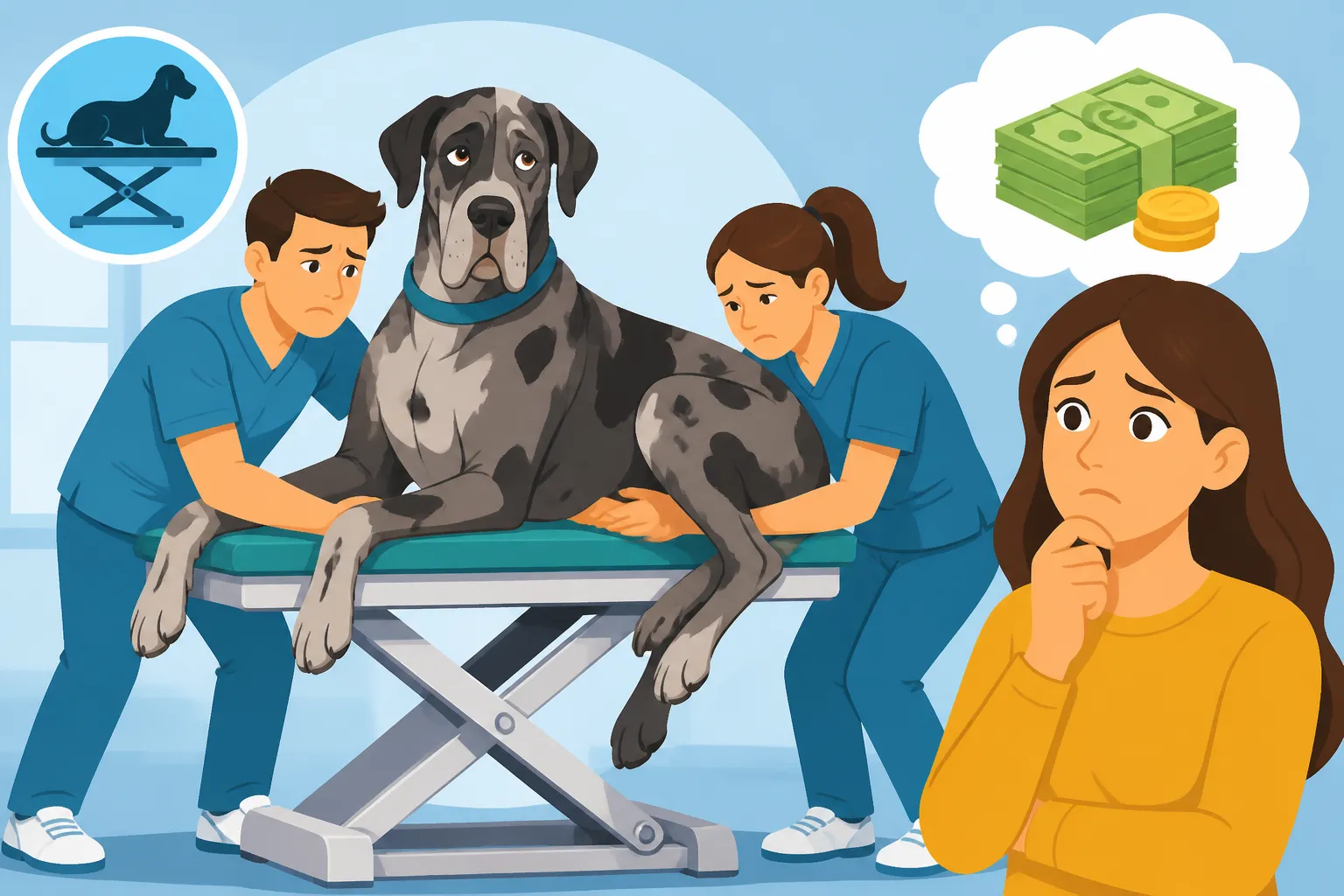
When your Great Dane can't get up, it's not just a medical emergency; it's a logistical one. These dogs are enormous, and their weight, combined with their sometimes awkward long limbs, makes moving them a monumental effort, often with risks to both dog and human.
Why Lifting a Great Dane is Nearly Impossible
Imagine trying to lift a fully grown adult human who is completely limp or fighting you due to pain or fear. That's essentially what you're up against with a Great Dane. A male Great Dane can easily weigh 150-180 pounds, and some even more, while females typically range from 110-140 pounds. Their weight isn't distributed evenly; their long bodies and sometimes gangly legs can make them incredibly awkward to hoist. Attempting to lift them improperly can lead to back injuries for you, or worse, further injure your dog, especially if they have a spinal issue, a broken bone, or are suffering from something like bloat.
The frustration is palpable in these moments. You love your dog, you want to help them, but you feel utterly helpless against their sheer mass. Even with two or three strong people, coordinating a lift without stressing a painful area or causing panic can be incredibly difficult. The immediate need to get them medical attention collides with the physical reality of their size, creating a truly harrowing experience for any owner.
Common Scenarios Requiring Urgent, Immobile Vet Visits
There are several critical situations where a Great Dane might suddenly become unable to move, demanding immediate veterinary intervention. Knowing these possibilities can help you mentally prepare for the swift action required.
One of the most terrifying scenarios is Gastric Dilatation and Volvulus, commonly known as bloat. This condition, where the stomach fills with gas and can twist, is rapidly progressive and life-threatening. A Great Dane suffering from bloat might be pacing, drooling, trying to vomit unsuccessfully, and eventually collapse or become too weak to stand. The urgency of getting them to an emergency vet in this state is paramount, but moving a dog in such excruciating pain is incredibly challenging. You might notice A Great Dane Trying to Vomit and Failing and realize time is of the essence.
Acute injuries are another frequent cause of immobility. A sudden fracture, a severe sprain, or even a sudden exacerbation of an underlying condition like Wobbler Syndrome could leave your Dane unable to bear weight or move its limbs. I've heard stories of Danes simply stepping off a curb and fracturing a leg due to underlying issues like osteosarcoma, which can weaken bones. A Great Dane That Limps Without an Injury is a tell-tale sign that an acute injury needs immediate attention.
Then there are sudden illnesses or neurological events. A Great Dane might collapse due to sudden cardiac issues, extreme weakness from an infection, or a neurological episode that impairs their mobility. Sometimes, a dog might A Great Dane That Collapses and Recovers, only to collapse again, signaling a deeper issue that needs professional diagnosis. For elderly Danes, declining health or conditions like severe arthritis can also make getting up impossible, requiring careful transport for palliative care or humane euthanasia. Nursing a Great Dane Through Its Last Weeks often involves managing their mobility challenges.
Navigating Vet Care for Immobile Great Danes
So, when the unthinkable happens, what are your options for getting your colossal companion the care they need? It requires creativity, preparation, and sometimes, calling in the cavalry.
Emergency Vet Transport Solutions
The first hurdle is always getting your Great Dane to the clinic. If your regular veterinarian doesn't offer emergency services or isn't equipped for your dog's size, you'll likely be headed to an emergency veterinary hospital.
- Specialized Pet Ambulance Services: In larger metropolitan areas, you might be incredibly lucky to find a pet ambulance service. These services are specifically designed to transport large, injured, or immobile animals safely. They usually have stretchers, trained personnel, and sometimes even medical equipment onboard to stabilize your pet during transit. However, they can be costly, and their availability varies wildly by region.
- DIY Solutions with Assistance: For most owners, it comes down to a DIY approach, which absolutely requires multiple strong individuals. A sturdy moving blanket, a tarp, or even a heavy-duty bed sheet can be used as a makeshift stretcher. Carefully slide the material under your Dane, then have two to four people grasp the corners and slowly lift, keeping your dog as level and stable as possible. Communication is key to avoid jarring them.
Getting a Great Dane into a vehicle is another feat. A truck bed with blankets, a large SUV with the back seats folded flat, or even a spacious van are usually the only options. Trying to fit a Great Dane into a smaller car, even a hatchback, can be agonizingly difficult and potentially harmful. You might even consider if Getting a Great Dane Into a Hatchback is truly feasible in an emergency. If your Dane is amenable and you have a ramp, Ramp Training a Great Dane for the Car can be invaluable, but this requires foresight and cooperation from your dog, which isn't always present in an emergency. - Calling for Help: Don't be afraid to reach out to neighbors, friends, or even local animal control (though their capacity for emergency transport varies) for assistance. Every extra set of hands makes a difference, both for the physical lift and for moral support during a stressful time.
The Rise of Mobile Veterinary Services
In recent years, mobile veterinary services have become a godsend for owners of giant breeds, particularly for non-emergency or end-of-life situations.
Mobile vets operate out of custom-fitted vans or trucks, bringing the clinic directly to your doorstep. They can perform routine exams, vaccinations, blood draws, minor procedures, and even administer medications, all in the comfort and familiarity of your home. The biggest pro, by far, is the reduced stress for your Great Dane. Avoiding the car ride, the crowded waiting room, and the cold exam table can make a world of difference for an anxious or painful dog. For an immobile Great Dane, it completely eliminates the need for stressful and painful transfers, allowing for a more calm and dignified experience.
However, mobile vets do have their limitations. They typically aren't equipped for true emergencies requiring surgery, extensive imaging (like X-rays or ultrasounds), or overnight hospitalization. If your Dane needs life-saving intervention, a trip to a full-service or emergency hospital will still be necessary. For routine care or humane euthanasia, though, mobile vets are often a fantastic option. You might find services affiliated with larger pet retailers like Chewy in some areas, or independent mobile practices that cater specifically to large breeds. While premium food services like Ollie focus on nutrition, the kind of owner who invests in high-quality food often prioritizes convenience and comfort for their pet, making mobile vet services an attractive alternative to traditional clinics.
Understanding the Escalated Costs
Let's be blunt: Great Danes are expensive dogs, and when they have a medical emergency, especially one involving immobility, the costs can skyrocket faster than a rocket launch.
Emergency Hospital Fees and Diagnostic Imaging
When your immobile Great Dane arrives at an emergency veterinary hospital, you can expect a higher initial exam fee simply because it's an emergency visit. These facilities are staffed 24/7 with specialized equipment and personnel, and that comes at a premium.
Once examined, the veterinary team will need to figure out what's wrong. This almost always involves diagnostic imaging and bloodwork. For a dog of Great Dane size, X-rays are crucial for diagnosing fractures, internal issues, or bloat. An ultrasound might be necessary for soft tissue problems or organ assessment. If they suspect bone cancer, for example, X-Rays That Confirm Great Dane Bone Cancer are a standard first step. If it's a cardiac issue, a full What a Great Dane Cardiac Workup Costs can be substantial, involving echocardiograms and potentially Holter monitoring. All these tests are more complex and costly for a giant breed due to equipment size and the amount of sedation (if needed) involved.
Speaking of sedation, if your Great Dane is in extreme pain, highly anxious, or uncooperative due to their condition, they may require sedation to allow for a thorough examination and diagnostic procedures. The cost of anesthesia and sedation is directly correlated with body weight, so a Great Dane will invariably incur higher fees than a Chihuahua. Sedation Costs on a Great Dane are a real consideration. Should your dog need an overnight stay, whether for observation, IV fluids, or post-operative recovery, the daily hospitalization fees can add up very quickly. I've known owners who faced bills in the thousands just for an overnight bloat emergency, where The Overnight Bill When a Great Dane Bloats can reach staggering amounts.
Mobile Vet Service Premiums and What They Cover
While mobile vets offer incredible convenience, they also come with a different pricing structure than a brick-and-mortar clinic.
You'll typically pay a "house call" or "trip" fee in addition to the standard exam fee. This covers the veterinarian's travel time, fuel, and the convenience of their service. These fees can range considerably depending on your location and the specific practice. The services they provide, such as vaccinations, basic diagnostics (like blood pressure or quick blood tests that can be run on-site), and medication administration, will be priced similarly to a traditional clinic, though sometimes slightly higher to account for the mobile setup.
It's vital to understand what a mobile vet can and cannot do. They are excellent for non-critical mobility issues, routine wellness checks, and especially for compassionate at-home euthanasia, offering a peaceful passing without the trauma of transport. However, if your Great Dane collapses due to a severe heart problem, a mobile vet can provide initial assessment and supportive care, but they will likely recommend and assist with transport to a full-service emergency hospital for advanced treatment. This means you might incur both the mobile vet fee and the emergency hospital costs.
The Hidden Costs: Time, Effort, and Stress
Beyond the direct financial implications, there are significant hidden costs when dealing with an immobile Great Dane.
- Time Off Work and Coordination: An emergency can strike at any time, often requiring you to take time off work, cancel plans, and coordinate with family or friends to help with lifting and transport. The ripple effect on your personal and professional life can be substantial.
- Wear and Tear on Vehicles: Repeatedly loading a giant dog, especially one that might be bleeding or incontinent, into your personal vehicle can cause wear and tear on upholstery and require extensive cleaning. While minor, these add to the overall burden.
- Emotional and Physical Stress: The emotional toll of seeing your beloved Great Dane in distress, coupled with the physical exertion and anxiety of getting them help, is immense. It's mentally exhausting and can be physically taxing, leaving you drained long after the immediate crisis has passed.
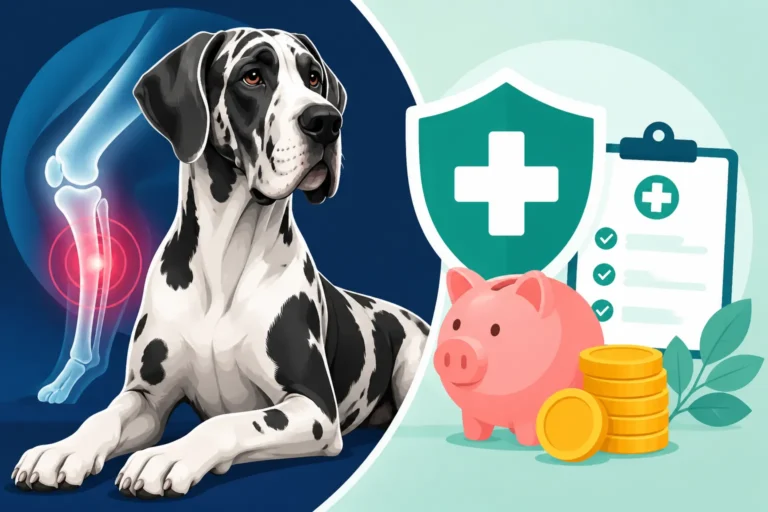
This is where careful financial planning becomes incredibly important. Many Great Dane owners find that Whether Pet Insurance Is Essential for a Great Dane isn't just a question, it's a necessity. Policies from providers like Healthy Paws can significantly mitigate the financial shock of a major emergency, covering a large percentage of vet bills after your deductible. When considering pet insurance, remember that How Much Extra a Great Dane Costs to Insure will likely be higher due to their predispositions to certain conditions and their size. However, the peace of mind knowing you can make medical decisions based on your dog's needs, not your wallet, is invaluable. Building a dedicated emergency fund, even if it's just a few dollars a week, can also provide a crucial cushion for unexpected vet visits. Building a Fund Before a Great Dane Needs It is a smart move for any Great Dane owner.
| Vet Service Category | Description | Typical Location | Cost Implications for Immobile Great Dane |
|---|---|---|---|
| Emergency Visit | Immediate care for severe injuries or sudden illness. | Emergency Veterinary Hospital | High initial fees, extensive diagnostics (X-rays, ultrasound), sedation, overnight hospitalization. Requires strenuous owner effort for transport. |
| Mobile Vet Visit | Vet comes to your home for non-emergency or palliative care. | Your Home | House call fee + exam fee. Good for routine, less stressful, but limited diagnostic/surgical capabilities. Requires less owner effort for transport. |
| Diagnostic Imaging | X-rays, ultrasounds, blood tests to diagnose underlying issues. | Emergency Veterinary Hospital | Higher cost due to dog's size, potential need for sedation for cooperation. Essential for accurate diagnosis. |
| Sedation/Anesthesia | To allow examination, procedures, or reduce pain. | Hospital or Mobile Vet (limited) | Costs scale significantly with weight; Great Danes require higher doses and thus higher fees. |
| Hospitalization | Overnight or extended stay for monitoring, IV fluids, recovery. | Emergency Veterinary Hospital | Daily rates are substantial, especially if specialized care or constant monitoring is needed. |
| Home Euthanasia | Compassionate end-of-life care in a familiar setting. | Your Home | House call fee + euthanasia fee. Offers dignity and comfort, avoids painful transport in final moments. |
Planning Ahead for the Inevitable
The best way to handle an immobile Great Dane emergency is to prepare for it long before it ever happens. While you can't prevent every health crisis, you can certainly minimize the chaos and financial strain.
Proactive Measures and Equipment
Being prepared can make a world of difference when every second counts. Start by acquiring a few essential items and making some preliminary arrangements.
A sturdy sling or a heavy-duty dog stretcher is not an optional extra for a Great Dane owner; it’s a necessary piece of equipment. You can find specialized harnesses with handles designed to help lift the back end of a dog, or full-body slings that support their entire torso. Practice using it (gently!) when your dog is healthy so they become accustomed to it and you understand how to best maneuver them. Having a plan for the "how-to-lift" part of the equation removes a massive unknown from a stressful situation.
Consider your vehicle. Is it truly Great Dane-friendly for emergency transport? Many owners of giant breeds opt for SUVs, minivans, or trucks precisely because they offer the space needed. If your primary vehicle is smaller, identify a friend or family member with a suitable vehicle who might be willing to help in an emergency. Discussing this ahead of time, perhaps offering to fuel their car or buy them dinner in return for being on call, can save precious time. Additionally, research mobile veterinarians in your area before you need one. Keep their contact information readily accessible. Knowing who to call for at-home care or compassionate euthanasia, like when Knowing When a Great Dane Is Done, can bring immense comfort.
Financially, creating an emergency fund specifically for your Great Dane’s health needs is incredibly wise. Even if you have pet insurance, deductibles and co-pays can be substantial. A dedicated savings account for your dog ensures that you have immediate funds available without having to scramble or make difficult decisions based on cost. For long-term peace of mind, exploring comprehensive pet insurance plans is highly recommended. Providers like Healthy Paws, for instance, offer plans that can cover accidents, illnesses, and even emergency care, making those daunting vet bills much more manageable.
Open Communication with Your Veterinarian
Building a strong, communicative relationship with your regular veterinarian is paramount for a Great Dane owner. Don't wait for an emergency to discuss these scenarios.
Bring up your concerns about your Great Dane's mobility limitations early in their life, or as they begin to age. Ask your vet about their recommendations for emergency transport, whether they have any specific equipment for large dogs, and what their after-hours emergency protocols are. Knowing exactly where they refer emergency cases and what that facility offers will save you crucial minutes when an incident occurs.
Discussing end-of-life care is never easy, but it’s a conversation that every Great Dane owner will eventually face. Talk to your vet about home euthanasia options. Many mobile veterinarians specialize in this, offering a peaceful, private farewell in the comfort of your dog’s familiar surroundings, which is often less traumatic for both the dog and the family. Having this conversation and understanding the options available for Nursing a Great Dane Through Its Last Weeks ahead of time ensures that when the time comes, you can make decisions that honor your dog's comfort and dignity without added stress. By being proactive and having these conversations, you empower yourself to provide the best possible care, even in the most challenging situations.
Disclaimer
This article is for general informational purposes only and does not constitute professional advice. Laws, prices and regulations vary by location and change over time. Consult a qualified professional for guidance on your specific situation.