Feeding a Great Dane Puppy Slowly on Purpose
One of the biggest anxieties for a new Great Dane owner is watching their tiny, clumsy puppy morph into an enormous adolescent seemingly overnight. While their incredible growth is part of their charm, feeding a Great Dane puppy too much, too fast, can lead to serious and lifelong health problems. This guide is all about slowing down that growth process on purpose, ensuring your majestic companion develops a strong, healthy foundation for a longer, happier life.
The Unique Growth Trajectory of a Great Dane Puppy
Great Danes aren't just big; they're giant. This isn't just a matter of scale; it's a fundamental difference in their biological development that demands a specialized approach to nutrition from day one. Many new owners, completely understandably, look at their rapidly expanding puppy and think they need more food to keep up. But that instinct, while well-intentioned, can be incredibly detrimental.
Why "Normal" Puppy Food Doesn't Work
Imagine a tiny Chihuahua puppy and a Great Dane puppy. Both are puppies, right? So, logically, they should eat the same kind of puppy food? This is where the crucial misunderstanding often lies. Standard puppy foods on the market are typically formulated for the average-sized dog, or even smaller breeds, that reach their adult size within 9-12 months. These foods are packed with higher levels of protein, fat, and, most critically, calcium, designed to fuel very rapid growth.
For a Great Dane, whose growth plates won't fully close until well past a year, sometimes even closer to two years of age, this high-octane formula is like putting jet fuel into a car designed for regular gasoline. Their skeletal system simply isn't built to accelerate that quickly. When fed a regular puppy diet, a Great Dane puppy will indeed grow faster, but this accelerated growth often leads to soft, weak bones, and uneven joint development. It’s a bit like building a skyscraper with insufficient time for the concrete to set between floors; the structure goes up quickly but is inherently unstable and prone to collapse. You're inadvertently setting the stage for future orthopedic issues by feeding them a diet that doesn't respect their unique, slower developmental timeline.
The Dangers of Rapid Growth
The consequences of pushing a Great Dane puppy to grow too quickly are far more than just aesthetic. Rapid weight gain and bone elongation can put immense stress on developing joints and cartilage. Their bones lengthen at an alarming rate, but the surrounding soft tissues, ligaments, and tendons struggle to keep pace. This disparity creates instability and makes them highly susceptible to a range of painful and debilitating orthopedic conditions.
One common issue is Panosteitis, often called "growing pains," where inflammation occurs in the long bones of the legs. While usually self-limiting, it's incredibly painful and a clear sign that the puppy's growth rate is outstripping its body's ability to cope. More severe conditions include Osteochondritis Dissecans (OCD), where cartilage fails to properly form or detaches from the bone, most commonly in the shoulders, elbows, hocks, or knees. Then there's Hypertrophic Osteodystrophy in a Great Dane (HOD), an inflammatory condition of the growth plates, causing swelling, pain, and lameness, often accompanied by fever. These conditions can cause permanent damage, require expensive surgeries, and lead to early-onset arthritis, severely impacting your Great Dane's quality of life. The goal is to let their bodies mature at their natural, unhurried pace, allowing all parts – bone, cartilage, muscle, and soft tissue – to develop in harmony and strength. Why a Great Dane Puppy Should Grow Slowly is not just a philosophy; it's a necessity.
Understanding Large Breed Puppy Food Formulations
Given the unique growth requirements of Great Danes, it's clear that generic puppy food won't cut it. Instead, giant breed puppies need a diet specifically formulated to support their slower, more controlled development. This isn't just about reducing calories; it's about a precise balance of macro and micronutrients that fosters strong, healthy bones and joints.
The Critical Balance of Calcium and Phosphorus
This is arguably the most critical nutritional factor for a growing Great Dane puppy. Calcium and phosphorus work together in bone development, and while both are essential, too much calcium is a significant problem. Many regular puppy foods have calcium levels that are far too high for a giant breed. When a Great Dane puppy consumes excessive calcium, their body's ability to regulate calcium absorption becomes overwhelmed, leading to skeletal abnormalities. Instead of building denser, stronger bones, the body can lay down bone tissue improperly, resulting in conditions like HOD and OCD.
The ideal large breed puppy food will have a carefully controlled calcium-to-phosphorus ratio, typically within a range of 1.1:1 to 1.5:1, and a calcium percentage (on a dry matter basis) around 1.2-1.5%. These numbers might sound technical, but they are crucial for preventing serious developmental issues. You absolutely must scrutinize the nutritional analysis on the back of the dog food bag. Don't assume a bag labeled "large breed puppy" automatically gets it right; always double-check these critical mineral levels. A slight imbalance can dramatically impact your puppy's developing skeleton. Calcium and Phosphorus in a Great Dane Puppy Bowl need to be carefully monitored, and your veterinarian can help you interpret food labels.
Protein and Fat Levels for Healthy Development
While calcium and phosphorus often steal the spotlight, appropriate protein and fat levels are also essential. There's a common misconception that high protein diets cause developmental orthopedic diseases in large breed puppies. However, research suggests that excessive calories, leading to rapid growth and weight gain, are the primary culprits, rather than protein itself. High-quality protein is vital for muscle development, immune function, and overall growth.
For large breed puppies, you're generally looking for a moderate protein level, typically around 23-26%, and a moderate fat content, often in the 12-15% range. The key is to ensure these levels provide adequate nutrition without providing an excess of calories that can lead to unhealthy weight gain and, subsequently, accelerated growth. Think about building a strong, lean physique rather than a bulky one. Many reputable large breed puppy foods, available from places like Chewy or Amazon, will clearly state their protein and fat percentages. When you pick up a bag of food, visualize your Great Dane as a lean, athletic dog, not a heavily muscled bodybuilder. You want consistent, steady development, not a sprint. Protein and Fat Levels for a Great Dane should always support this goal.
Avoiding Common Pitfalls: Grain-Free and Boutique Diets
In the ever-evolving world of pet nutrition, new trends constantly emerge, and some can be problematic, especially for giant breeds like the Great Dane. Grain-free diets, for instance, gained immense popularity for a while, often marketed with claims of being more "natural" or better for dogs with allergies. However, in recent years, veterinary cardiologists and researchers have identified a potential link between certain grain-free, or boutique, exotic ingredient, and legume-heavy diets (often referred to as BEG diets) and Dilated Cardiomyopathy (DCM) in breeds not typically predisposed to the condition, including Great Danes.
While the exact mechanisms are still being researched, it's thought that certain ingredients used as grain substitutes (like peas, lentils, and potatoes) may interfere with the absorption or synthesis of vital nutrients like taurine, which is critical for heart health. For a breed already prone to The Heart Muscle Disease Great Danes Are Prone To, taking unnecessary risks with novel diets is a serious concern. Always discuss any dietary choices, especially trendy ones, with your veterinarian. Stick to diets formulated by companies with veterinary nutritionists on staff, backed by extensive research and feeding trials, and generally avoid obscure ingredients or those heavily relying on legumes as primary protein sources. When in doubt, simpler is often safer for your Great Dane's long-term health. Whether Grain-Free Kibble Belongs in a Dane Bowl is a question that requires careful consideration and professional advice.
Practical Feeding Strategies for Controlled Growth
Once you understand why specialized feeding is necessary, the next step is implementing practical strategies to achieve that slow, steady growth. This isn't just about the type of food, but also how you feed it. Consistency, precision, and careful observation are your most valuable tools.
Weighing and Measuring: Precision is Key
Forget the "fill the bowl" method that might work for some smaller dogs. For a Great Dane puppy, precision in feeding is absolutely paramount. Their feeding guidelines on the bag will often give a range based on age and anticipated adult weight. However, these are just starting points. It is far too easy to inadvertently overfeed even by small amounts daily, which quickly adds up to excess calories and accelerated growth over weeks and months.
The most accurate way to ensure you're feeding the correct amount is to use a kitchen scale to weigh your puppy's kibble. Measuring cups can vary wildly in how much they hold based on the density and shape of the kibble, leading to significant discrepancies. A digital kitchen scale provides exact measurements every time. Start with the lower end of the recommended range for their age and target adult weight (not their current weight), and adjust based on their body condition, which we'll discuss next. Free-feeding, where food is left out all day, is a definite no-no for Great Dane puppies; it prevents proper monitoring of intake and encourages overeating. Making this commitment to precise measuring, readily available through retailers like Amazon, can make a huge difference in their long-term health. Weighing a Great Dane's Ration sounds tedious, but it's a small effort with huge rewards.
Multiple Meals a Day for Digestion and Pacing
For young Great Dane puppies, dividing their daily food allowance into three or even four smaller meals is generally recommended. As they get older, you can reduce this to two or three meals a day. This strategy serves a few important purposes. Firstly, it aids digestion. A puppy's digestive system is still maturing, and smaller, more frequent meals are easier to process than one or two large ones. This can help prevent an upset stomach and improve nutrient absorption.
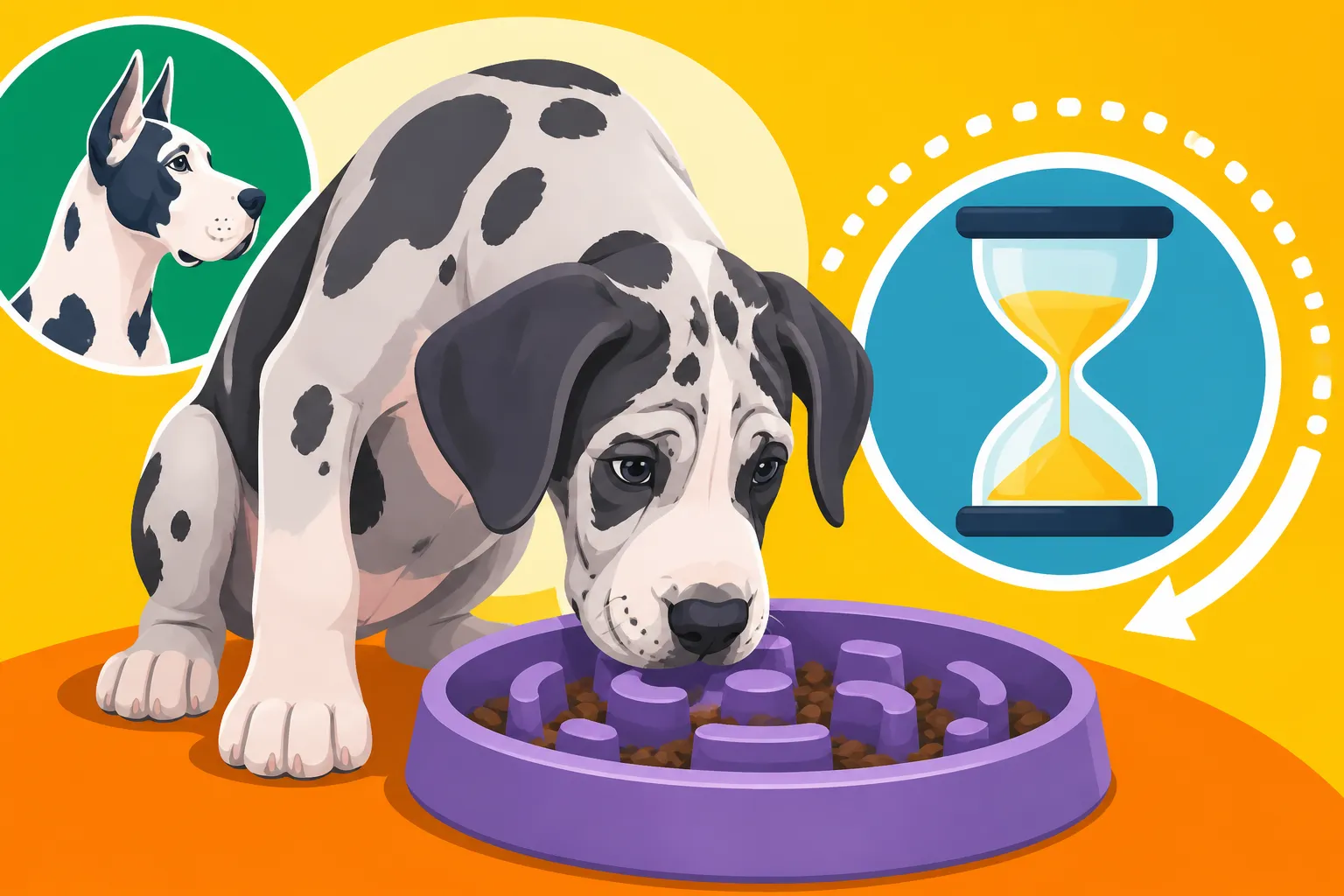
Secondly, and critically for a giant breed, it helps prevent rapid ingestion of food, which is often cited as a potential contributing factor to bloat (Gastric Dilatation-Volvulus or GDV). While the exact cause of bloat is complex and not fully understood, eating too quickly can lead to gulping air along with food. Spreading out meals reduces the volume ingested at once, potentially lessening this risk. It also keeps their metabolism more stable throughout the day. Instead of one massive influx of calories, their body gets a steady supply of energy, which is better for consistent growth and blood sugar regulation. Plus, who doesn't love getting to feed their adorable puppy more often?
Monitoring Body Condition and Adjusting Accordingly
While dog food bags provide guidelines, every puppy is an individual, and their metabolic rate, activity level, and growth spurts will vary. This is why learning to assess your Great Dane puppy's body condition score (BCS) is far more important than strictly adhering to a feeding chart. Your goal is to keep your Great Dane puppy on the lean side, often described as "rangy." You should be able to easily feel their ribs when you run your hand along their side, much like feeling the knuckles of your hand when your palm is flat. You shouldn't see their ribs prominently, but you should definitely feel them without pressing hard. You should also see a noticeable tuck at their waist when viewed from above and the side.
If you can't easily feel their ribs, or if they have a round, rather than tucked, belly, it's a strong indicator they are overfed and growing too fast. Conversely, if their ribs are very prominent and easily visible, they might be too thin. Regularly check their weight and body condition (ideally weekly in the early months), and be prepared to adjust their food intake up or down by small amounts (e.g., a quarter or half-cup per day) based on what you observe. This proactive approach ensures your puppy is getting exactly what they need for optimal, slow growth. Reading Ribs on a Great Dane is a skill every owner of a giant breed needs to master.
The Role of Supplements and Treats
It's natural to want to give your puppy every possible advantage, and sometimes, that instinct leads owners to consider supplements or offer abundant treats. However, for a Great Dane puppy, these well-meaning gestures can actually do more harm than good, especially when it comes to bone and joint development.
The Dangers of Unnecessary Supplements
This point cannot be stressed enough: do not give your Great Dane puppy calcium supplements or multi-vitamins unless specifically instructed by your veterinarian. High-quality large breed puppy foods are meticulously formulated to provide the precise balance of nutrients, including calcium and phosphorus, that your puppy needs. Adding extra calcium, even in small amounts, can disrupt this delicate balance and lead to serious skeletal deformities and conditions like HOD and OCD.
When a puppy's body receives excess calcium, its ability to regulate calcium absorption goes awry, leading to over-mineralization of bones and cartilage defects. It's counterintuitive, but more calcium does not mean stronger bones; it often means improperly formed bones. The same goes for many multi-vitamins, which often contain calcium or other minerals in quantities that can throw off the carefully calculated ratios in their food. If your puppy is on a good quality large breed puppy food and maintains a healthy body condition, they are almost certainly getting all the nutrients they need. Trust the formulation, not the marketing claims of supplement companies. Why Calcium Supplements Damage a Great Dane is a lesson many owners learn the hard way.
Choosing Appropriate Treats and Chews
Treats are an invaluable tool for training and bonding, but for a Great Dane puppy, their caloric content and size need careful consideration. Just like with their regular food, over-treating can quickly add excess calories and contribute to rapid weight gain. Opt for small, low-calorie training treats that you can break into even smaller pieces. Think pea-sized morsels rather than large biscuits. This allows you to reward frequently without overfeeding.
When it comes to chews, choose options that are size-appropriate and safe. Rawhides are generally not recommended due to choking hazards and digestive issues. Hard nylon or rubber chews are often good choices, providing mental stimulation and promoting dental health. If offering natural chews like bully sticks or larger, harder bones, always supervise your puppy closely to prevent choking or excessive consumption. Remember, anything edible they chew on contributes to their daily caloric intake, so adjust their main meal portion accordingly on days they get extra chews. Many pet stores and online retailers like Chewy offer a wide variety of Treats Sized for a Great Dane, ensuring they are appropriate for their large mouths and powerful jaws.
Exercise and Lifestyle for Balanced Development
Proper nutrition is only one piece of the puzzle for healthy Great Dane puppy growth. Their activity level and daily routines also play a critical role in how their skeletal system develops. Just as you wouldn't overfeed them, you shouldn't over-exercise them, especially during their most rapid growth phases.
The Importance of Restricted, Controlled Exercise
While it might seem counterintuitive to limit the activity of a giant, energetic puppy, it's essential for a Great Dane. Forced, high-impact exercise can place immense strain on their still-developing growth plates and joints, significantly increasing the risk of orthopedic problems. This means no long runs, no extensive jogging with you, no vigorous fetch sessions that involve hard landings, and definitely no jumping off high surfaces or intense agility work during puppyhood.
Instead, focus on short, controlled leash walks (10-15 minutes, a couple of times a day, gradually increasing duration as they get older, but never extreme), and supervised free play in a safe, flat, enclosed yard. Let them self-regulate their activity. If they flop down after a few minutes of zoomies, let them rest. The idea is to build muscle tone and condition slowly, without overstressing their vulnerable joints. Think of them as a delicate but large structure that needs time to solidify before it can withstand heavy loads. The Age a Great Dane Can Start Running is much later than for most other breeds.
Avoiding Stairs and Hard Surfaces
Repetitive stress on developing joints is a major concern, and common household features like stairs and hard flooring can contribute to it. While it might be challenging, especially in multi-level homes, try to limit your Great Dane puppy's access to stairs during their first several months. Carrying them up and down, or blocking access with baby gates (oversized ones, of course!), can make a big difference. The impact of repeatedly navigating stairs can be hard on their growing hips, elbows, and shoulders.
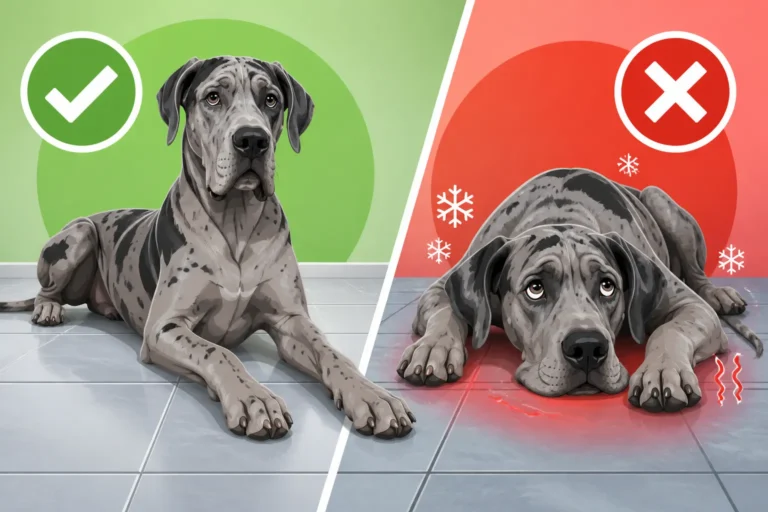
Similarly, prolonged periods on hard, slippery surfaces like tile or hardwood can be problematic. These surfaces offer little cushioning and can lead to accidental slips and falls that jar their joints. Provide plenty of soft, orthopedic bedding throughout your home, especially in areas where they like to rest. Consider runners or rugs in high-traffic areas to give them better traction and a softer surface. This isn't about coddling them, but about providing an environment that supports optimal joint development and minimizes unnecessary stress.
Maintaining a Healthy Weight Throughout Growth
We touched on this when discussing body condition, but it bears repeating: keeping your Great Dane puppy lean is one of the single most impactful things you can do to promote long-term joint health. Every extra pound your puppy carries puts additional stress on their growth plates, cartilage, and developing joints. This added strain can exacerbate any genetic predispositions to orthopedic issues and increase the severity of conditions like hip or elbow dysplasia.
A lean puppy will have less stress on their skeletal system, allowing their bones and joints to mature and strengthen properly. It might feel unnatural to keep such a large breed looking almost "thin" in puppyhood, especially when other dog owners might comment. However, resist the urge to feed them more just to make them appear heavier or more robust. Prioritize their long-term health over short-term aesthetics. Your veterinarian can help you assess your puppy's ideal lean body condition. By preventing Growth Disorders in a Great Dane Puppy and mitigating the impact on Great Dane Hips, Elbows and Growing Joints, you're investing in a lifetime of better mobility.
| Feature | Regular Puppy Food | Large Breed Puppy Food (Great Dane Specific) |
|---|---|---|
| Protein (Dry Matter) | Often 28-32%+ | Typically 23-26% |
| Fat (Dry Matter) | Often 15-20%+ | Typically 12-15% |
| Calcium (Dry Matter) | Often 1.5-2.5%+ | Ideally 1.2-1.5% |
| Phosphorus (Dry Matter) | Often 1.0-1.8%+ | Ideally 0.9-1.2% |
| Calcium:Phosphorus Ratio | Can be higher, less tightly controlled | Critically controlled, 1.1:1 to 1.5:1 |
| Calorie Density | High, designed for rapid growth | Moderate, designed for slow, controlled growth |
| Intended Breeds | Small to medium breeds, fast maturing | Giant and large breeds, slow maturing |
| Risk of Orthopedic Issues | Increased for Great Danes due to rapid growth/mineral imbalance | Decreased for Great Danes when fed appropriately |
Transitioning from Puppy to Adult Food
The journey of feeding a Great Dane puppy doesn't end when they look "grown-up." Giant breeds have an extended period of skeletal maturation, meaning they remain puppies, nutritionally speaking, for much longer than their smaller counterparts. Knowing when and how to transition them to adult food is just as important as choosing the right puppy food in the first place.
When to Make the Switch
For many dog breeds, the switch from puppy to adult food happens around 9-12 months of age. For a Great Dane, however, this transition should typically occur much later, often between 12 to 18 months, sometimes even closer to 24 months for very large males. The exact timing can depend on their individual growth curve, their current body condition, and the specific recommendations of your veterinarian.
The reason for this extended puppy food period is, again, their prolonged skeletal development. Their growth plates are still closing, and their bones are still solidifying long after they've reached their near-adult height. Switching to adult food too early, especially if it's a regular adult formula rather than a large breed adult formula, could deprive them of the specific nutrient balance still needed for that crucial final stage of maturation. You want to ensure their growth plates are fully closed and their skeleton is as robust as it can be before moving away from the specialized large breed puppy diet. Your vet can advise on the best timing, often correlating it with assessments of their physical maturity. Whether a Great Dane Needs Puppy Food to Eighteen Months is a common question, and the answer is usually yes, and sometimes longer.
Gradual Transitioning Methods
Once you've determined it's time to make the switch, do it gradually to avoid digestive upset. A sudden change in diet can lead to diarrhea, vomiting, and a very unhappy puppy (and owner!). A slow, phased transition allows your Great Dane's digestive system to adapt to the new food without shock.
A typical transition plan spans about 7-10 days:
- Days 1-2: Mix 75% old food with 25% new food.
- Days 3-4: Mix 50% old food with 50% new food.
- Days 5-6: Mix 25% old food with 75% new food.
- Days 7-10 (or longer if needed): 100% new food.
Observe your puppy closely during this time for any signs of digestive distress. If you notice soft stools or an upset stomach, slow down the transition and give them more time at a particular ratio before increasing the new food. Remember, patience is key. A slow transition ensures a smooth shift, allowing your Great Dane to continue thriving without unnecessary digestive woes. Many high-quality dog food brands, found on sites like Ollie, recommend this gradual approach. Changing a Great Dane's Food Gradually is a simple step that prevents many problems.
Common Feeding Questions and Concerns
Even with the best intentions and the right food, questions and concerns are bound to arise when feeding a growing Great Dane puppy. Their size, unique physiology, and sometimes quirky personalities can present challenges that might not be typical for smaller breeds.
Addressing Picky Eaters
It might seem unbelievable that a giant breed known for its appetite could be a picky eater, but it happens! A Great Dane puppy who turns up their nose at mealtime can be concerning, especially when you're so focused on healthy growth. First, rule out any medical reasons with a vet visit; a sudden loss of appetite could indicate illness. Assuming they're healthy, here are a few strategies:
- Stick to a schedule: Offer food at set times and remove any uneaten portion after 15-20 minutes. Don't leave it down all day. This teaches them to eat when food is available.
- Avoid free-feeding: As mentioned, this is generally bad for Danes anyway, but especially for picky eaters, as it reduces the perceived value of food.
- No human food scraps: Resist the urge to supplement their diet with human food or table scraps just to get them to eat. This often creates a vicious cycle where they hold out for tastier options.
- Enhance appeal (sparingly): You can try adding a tiny bit of warm water to the kibble to create a gravy, or a spoonful of plain canned pumpkin (not pie filling) or unsweetened yogurt. However, don't make this a regular habit, or they'll expect it every time.
- Check food freshness: Ensure the kibble hasn't gone stale, especially if you buy large bags. Store it in an airtight container.
Patience and consistency are vital. A healthy puppy will not starve themselves. If a Great Dane puppy consistently refuses to eat for more than 24 hours, always consult your veterinarian. A Great Dane Puppy That Refuses Food is a sign that needs attention, whether medical or behavioral.
The Debate Around Raised Bowls
For years, many giant breed owners were advised to use raised bowls, with the belief that they could help prevent bloat. The theory was that a raised position would lead to less air swallowing and more comfortable eating for a tall dog. However, recent research has actually cast doubt on this recommendation, with some studies suggesting that raised bowls might increase the risk of bloat in certain breeds, including Great Danes.
The current consensus among many veterinary professionals is that raised bowls neither definitively prevent nor cause bloat, and the evidence is mixed. For some dogs, especially older ones with neck or joint issues, a raised bowl might offer more comfort, but for a growing puppy, it's generally not recommended as a preventative measure for bloat. Many vets now suggest feeding on the floor in a standard bowl. What's more important than the height of the bowl is slowing down eating (using slow-feeder bowls) and avoiding intense exercise or excitement around meal times. Discuss this with your veterinarian to make an informed decision based on your individual dog's health and comfort. Whether Raised Bowls Help or Hurt a Great Dane is a nuanced discussion with no single, easy answer.
The Importance of Water Intake
While we spend a lot of time talking about food, fresh water is equally, if not more, critical for your Great Dane puppy's health and development. Their large size means they need a significant amount of water to stay hydrated, regulate body temperature, aid digestion, and support all metabolic functions.
Always ensure your Great Dane puppy has constant access to fresh, clean water. This means multiple large water bowls throughout your home, especially in areas where they spend a lot of time resting or playing. Change the water frequently, at least twice a day, and clean the bowls regularly to prevent bacterial growth. Consider a large capacity water dispenser or even a pet water fountain (like those available on Amazon or Chewy) to ensure a continuous supply, though some Danes can be wary of fountains at first. Dehydration can lead to a host of health problems, from lethargy and constipation to more severe kidney issues. Pay attention to how much your puppy is drinking, especially during warmer weather or after periods of activity. Water Intake for a Great Dane is vital for their overall well-being.
Disclaimer
This article is for general informational purposes only and does not constitute professional advice. Laws, prices and regulations vary by location and change over time. Consult a qualified professional for guidance on your specific situation.