Cracked Pads on a Great Dane
It's incredibly frustrating, and often heartbreaking, to see your beloved Great Dane limping or favoring a paw because their precious pads are cracked and sore. These gentle giants rely so heavily on their strong, sensitive feet for everything they do, and when their paw pads suffer, their whole world can be impacted. This guide is here to walk you through why those cracks happen, how you can prevent them, and what steps to take to treat your Dane's sore paws, bringing relief and getting them back to their happy, comfortable selves.
Understanding Why Your Great Dane's Paw Pads Crack
Great Danes, with their impressive size and powerful strides, put immense pressure on their paw pads every single day. While these pads are naturally tough and designed to withstand a lot, they aren't invincible. Several factors, both environmental and internal, can lead to painful cracking, leaving your Dane uncomfortable and susceptible to infection.
The Wear and Tear of Being a Giant
Imagine carrying an extra human-sized load on your feet constantly – that's essentially what your Great Dane's paws endure. Their substantial body weight means every step, every jump, and every turn exerts significant force on their paw pads. This constant impact, especially on unforgiving surfaces, can be a primary culprit in the development of cracks.
Think about the surfaces your Dane walks on daily. Hard surfaces like concrete, asphalt, or even rough, rocky trails can act like sandpaper, slowly eroding the protective outer layers of the paw pads. While grass and soft dirt are much kinder, city living or even a backyard with a lot of paved areas means their paws are constantly challenged. It's not a reflection of poor care; it's simply the reality of living with such a magnificent, large breed that demands robust paw health.
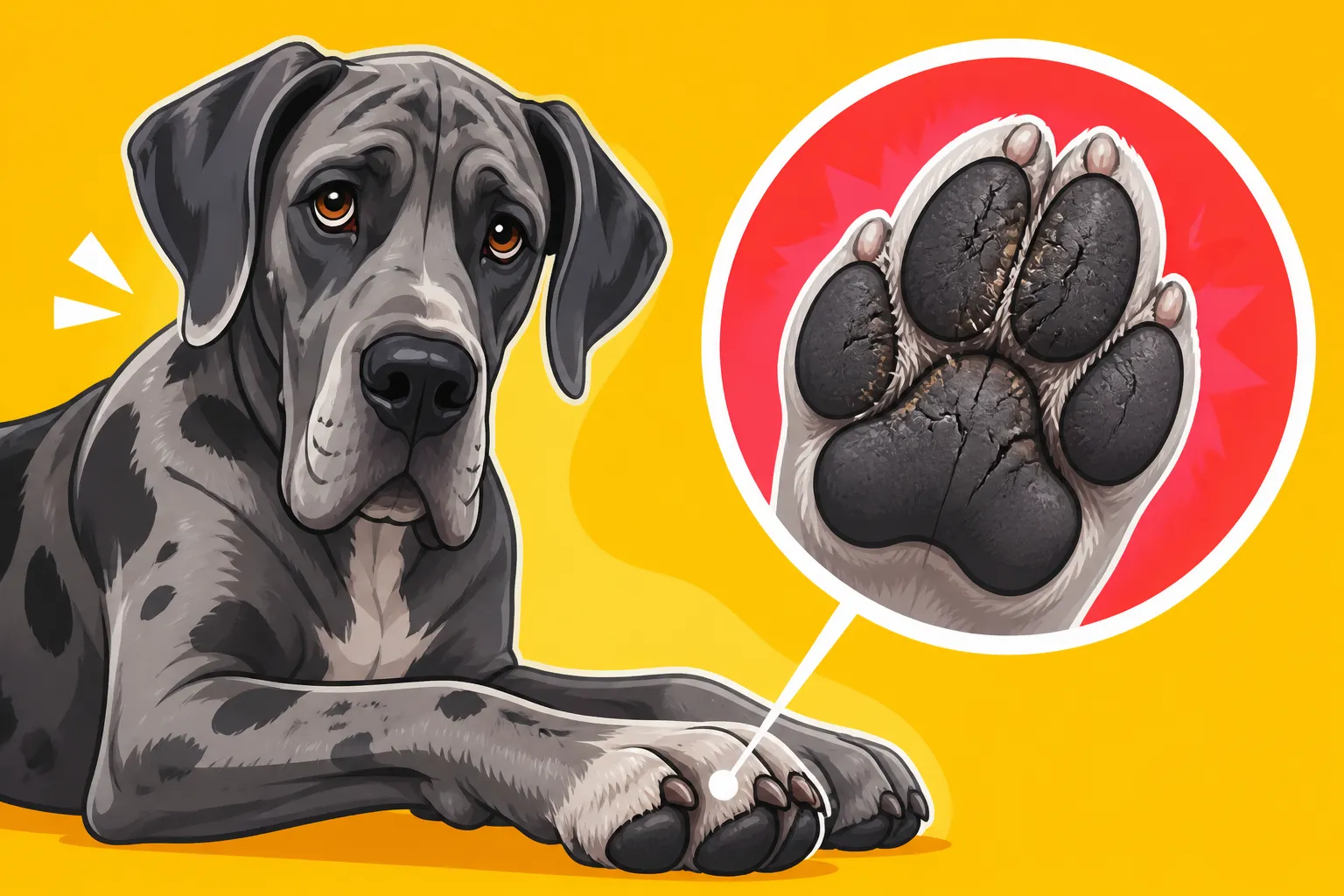
Over time, this relentless pressure and friction can cause the pads to dry out, harden, and eventually split. These aren't just superficial lines; deep cracks can expose sensitive tissues, leading to pain, bleeding, and a significant risk of infection. It's a common struggle for Great Dane owners, and understanding this basic wear and tear is the first step in addressing the issue.
Environmental Aggressors and Their Impact
Beyond simple mechanical wear, our environment throws a lot at our Great Danes' paws. Extreme temperatures are huge offenders. In summer, walking on scorching asphalt can cause burns and excessive drying, leading to painful cracks. Picture walking barefoot on pavement hot enough to fry an egg; your Dane feels something similar, but often with less ability to express the discomfort until damage is done.
Winter isn't much better. Freezing temperatures can make paw pads brittle, and walking on ice or snow can cause frostbite. Even worse are the de-icing chemicals and road salts commonly used on sidewalks and roads. These substances are highly irritating and corrosive, stripping natural oils from the pads and causing severe dryness and cracking. Furthermore, household cleaning products, lawn fertilizers, or weed killers can also be chemical irritants that dry out and damage paw pads if your Dane walks through them or licks their feet afterward. Even simply having very dry air indoors, especially with heating or air conditioning running constantly, can contribute to overall skin and paw pad dryness.
Underlying Health Issues to Consider
Sometimes, cracked paw pads aren't just about what your Great Dane steps on; they can be a symptom of something deeper going on within their body. Nutritional deficiencies, for instance, can play a significant role. A lack of essential fatty acids, like Omega-3s, or vital minerals such as zinc, can severely impact skin and paw pad health, making them dry, brittle, and prone to cracking.
Allergies are another common culprit. Your Great Dane might be reacting to environmental allergens like pollen, dust mites, or certain grasses, or they could have a food allergy. These allergies often manifest as itchy skin and paws, leading to excessive licking and chewing, which further irritates and damages the paw pads. In some cases, more serious autoimmune conditions, like Pemphigus, or hormonal imbalances, such as hypothyroidism, can directly affect skin and paw pad integrity, causing hyperkeratosis (thickening and hardening of the pads) and subsequent cracking. If you've tried all the external remedies and the problem persists, a trip to the vet is crucial to rule out these internal health concerns. The Health Testing a Great Dane Breeder Owes You
Proactive Measures to Prevent Cracked Paw Pads
Preventing cracked paw pads in your Great Dane is far easier, and certainly less painful for your dog, than treating them after they've already become an issue. It involves a consistent routine of care, thoughtful protection, and ensuring their overall health is supported from the inside out.
The Importance of Regular Paw Care
Establishing a consistent paw care routine is paramount for a Great Dane. After every walk, especially if you've been on varied terrain or through unknown substances, take a moment to inspect and clean your Dane's paws. A quick wipe down with a damp cloth or a gentle rinse can remove dirt, allergens, and any chemical residues before they have a chance to cause irritation. This simple habit can make a huge difference in preventing accumulation of irritants.
Beyond cleaning, moisturizing is key. Just like our hands get chapped, your Dane's paw pads can dry out. Using a good quality, pet-safe paw balm or wax creates a protective barrier and helps to keep the pads supple. Products specifically designed for dogs, often found on platforms like Chewy or Amazon, typically contain ingredients like beeswax, shea butter, or various oils that hydrate without being harmful if licked. Apply it regularly, perhaps once a day, especially before bed, to allow it to soak in. Don't forget nail trims! Overly long nails can alter the way your Dane walks, putting unnatural pressure on their paw pads and making them more susceptible to injury and cracking. Regular trimming, as discussed in Trimming Nails on a Great Dane That Outweighs You, ensures proper foot alignment and pad health.
Protecting Paws from Environmental Hazards
The best defense against environmental damage is often a good offense. During extreme weather, consider paw protection. In summer, if the pavement is too hot for your bare hand, it's too hot for your Great Dane's paws. Walk during cooler parts of the day or seek out grassy areas. For winter, paw boots or protective waxes can shield against ice, snow, and corrosive road salts. Many brands offer durable boots designed for large breeds, and while some Danes might resist them at first, patient training can help them get accustomed to the footwear.
If boots aren't an option, or even as an extra layer of protection, regularly apply a paw wax to create a barrier against moisture and chemicals. After a winter walk, always wipe your Dane's paws thoroughly to remove any salt or de-icing agents. Remember, even in your own yard, be mindful of any lawn treatments you use. Opt for pet-friendly alternatives or keep your Dane off treated areas until they are completely dry and safe.
Dietary Support for Healthy Pads
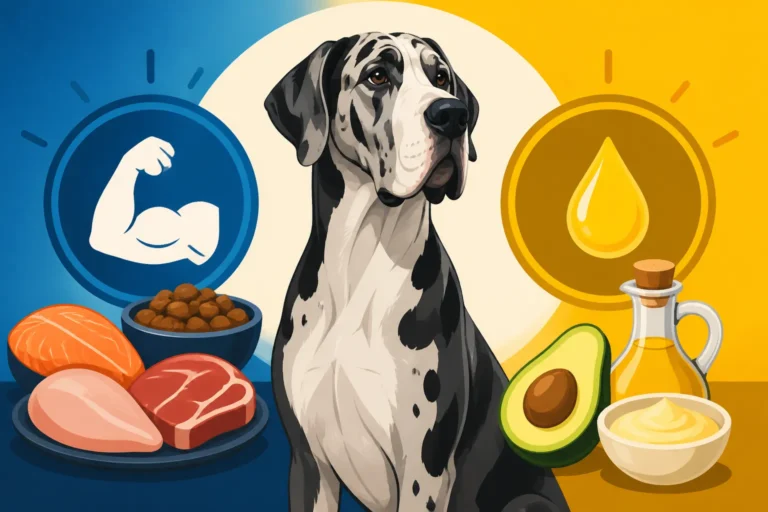
What goes into your Great Dane's body directly impacts the health of their skin and paw pads. A high-quality, balanced diet is the foundation for overall canine wellness, and that includes the integrity of their paws. Look for foods with good protein sources and a healthy balance of fats and nutrients.
Sometimes, even with a great diet, supplemental support can be beneficial. Omega-3 fatty acids, often found in fish oil, are fantastic for skin and coat health, helping to keep paw pads supple and less prone to cracking. Many owners successfully incorporate fish oil supplements into their Dane's routine, as detailed in Fish Oil for a Great Dane. Zinc and biotin are other nutrients that play a critical role in skin integrity, and if a deficiency is suspected, your vet might recommend specific supplements. Consider brands like Ollie, which often focus on fresh, whole ingredients, or other premium kibble brands that offer specific skin and coat support. A healthy body from the inside out is your Great Dane's best defense against paw pad issues.
Treating Cracked Paw Pads in Your Great Dane
Despite all your best preventative efforts, sometimes cracked paw pads still happen. When they do, quick and appropriate action is essential to alleviate your Great Dane's discomfort, promote healing, and prevent secondary infections.
Immediate First Aid and Cleaning
The moment you notice a cracked paw pad, your first step is to gently clean the area. This helps prevent bacteria from entering the open wound and initiating an infection. Use a mild antiseptic solution diluted as directed by your vet, or simply warm water with a gentle, dog-safe soap, or even saline solution. Carefully blot the area dry afterwards. During this process, be sure to inspect the crack for any embedded debris like small pebbles, thorns, or glass fragments. These foreign objects can worsen the injury and hinder healing. If you spot anything, and it's superficial and easy to remove with tweezers, you can try to take it out gently. However, if it's deeply embedded or causes your dog distress, it's best to leave it for a veterinarian.
Once cleaned, assess the severity. Is it just a superficial dry crack, or is it deep, bleeding, or causing your Great Dane significant pain or lameness? Your Dane might try to pull away or show signs of discomfort, which is completely understandable. Being patient and reassuring during this initial inspection is crucial. Remember, their giant size means any discomfort in their paws can severely impact their mobility, potentially causing them to limp or refuse to put weight on the affected foot. A Great Dane That Limps Without an Injury
Home Remedies and Over-the-Counter Options
For mild to moderate cracks that aren't infected or bleeding profusely, there are several home remedies and over-the-counter options you can try. Applying a thick layer of a good quality, pet-safe paw balm or wax is often very effective. These balms, which you can easily find on platforms like Chewy or Amazon, act as a moisturizer and a protective barrier, helping the pads to heal while keeping them pliable. Reapply several times a day, especially before your Dane settles down for a nap or for the night.
A common challenge is preventing your Great Dane from licking the balm off. This is where an Elizabethan collar (e-collar) or even a soft sock secured with vet wrap can come in handy. Keeping the area covered will not only prevent licking but also protect the healing pad from further irritation. Ensure your Dane has comfortable, soft bedding to rest on during recovery; a good orthopedic bed can provide much-needed relief to their joints and paws. Beds That Cushion a Great Dane's Joints Some owners also find warm water soaks beneficial for softening the pads and promoting circulation, but only if your dog tolerates it without added pain.
When to Seek Veterinary Intervention
While many minor cracked paw pads can be managed at home, there are definite signs that indicate it's time to call your veterinarian. If you notice any signs of infection, such as redness, swelling, heat, pus, or a foul odor emanating from the crack, professional medical attention is crucial. Infections can quickly worsen and spread, potentially leading to more serious health issues.
Furthermore, if the cracks are deep, bleeding persistently, or don't show any signs of improvement after a few days of consistent home care, a vet visit is warranted. Your Great Dane might also exhibit obvious lameness, severe pain, or reluctance to walk, which are clear signals that the problem is beyond home treatment. The vet can properly clean the wound, prescribe antibiotics if necessary, provide pain relief, and potentially bandage the paw for optimal healing. They can also investigate underlying health conditions that might be contributing to the issue, such as allergies or thyroid problems, which require specific diagnostic tests and treatment plans. Addressing general Foot and Pad Care for a Great Dane with your vet can provide tailored advice.
Long-Term Management and Lifestyle Adjustments
Once your Great Dane's paw pads are on the mend, the focus shifts to long-term management to prevent recurrence. This involves integrating consistent care practices, making smart choices about their environment and exercise, and understanding that paw health is an ongoing commitment for such a large breed.
Routine Inspections and Maintenance
Making routine paw inspections a daily habit is perhaps the most effective long-term strategy. It's much easier to address a minor dry patch or a tiny surface crack before it escalates into a painful, deep fissure. Take a few moments each day to gently handle each paw, checking between the toes, looking at the pads for dryness, redness, or any foreign objects. This regular handling also reinforces positive associations with paw care, making future trims or treatments less stressful for both of you.
Establish a comfortable, calm routine for these checks. Perhaps after their last potty break before bed, or while they're relaxing on their favorite Beds That Cushion a Great Dane's Joints. Positive reinforcement with treats and praise can make this a pleasant experience for your Dane, rather than a chore. Consistency in applying paw balm, even when their pads look perfectly healthy, can keep them moisturized and resilient against the daily wear and tear. This proactive approach to Teaching a Great Dane to Have Its Feet Handled will pay dividends in preventing future issues.
Adapting Exercise and Walking Surfaces
Considering the immense weight your Great Dane carries, adapting their exercise routine and being mindful of walking surfaces is critical for long-term paw health. While they need regular exercise, aim to prioritize softer surfaces like grass, dirt trails, or even well-maintained dog park turf whenever possible. These surfaces are far more forgiving on their paw pads than abrasive concrete or asphalt.
During periods of extreme weather, such as scorching summer afternoons or icy winter mornings, adjust your walk times or durations. Opt for early morning or late evening walks in the summer, and shorter, more frequent outings in the winter. If outdoor conditions are particularly harsh, consider indoor enrichment activities to keep your Dane stimulated without risking their paws. This isn't just about preventing cracks, but also about protecting their joints from unnecessary impact. For younger Danes, understanding Exercise Limits While a Great Dane Is Still Growing is crucial, as over-exercising on hard surfaces can impact overall joint development and paw integrity.
Creating a Paw-Friendly Home Environment
Your home environment also plays a role in supporting healthy paw pads. If you have a lot of hard flooring like tile, hardwood, or laminate, consider strategically placing rugs or runners, especially in areas where your Great Dane frequently walks, stands, or rests. These provide softer surfaces and can help reduce friction and impact on their pads. They also offer better traction, which is helpful for preventing slips, as covered in Mats and Runners a Great Dane Will Not Slip On.
Maintaining appropriate humidity levels in your home, especially during dry winter months when heating systems can strip moisture from the air, can also contribute to overall skin and paw pad hydration. A humidifier can be a simple solution. Lastly, ensure your Great Dane has access to comfortable, supportive bedding that allows their paws to rest without pressure. While issues like Hard Floors and a Great Dane's Elbows and Calluses on a Great Dane's Elbows and Hocks are often discussed in relation to other pressure points, the principle of soft, supportive surfaces applies equally to the delicate paw pads.
Disclaimer
This article is for general informational purposes only and does not constitute professional advice. Laws, prices and regulations vary by location and change over time. Consult a qualified professional for guidance on your specific situation.