Whether Great Danes Snore
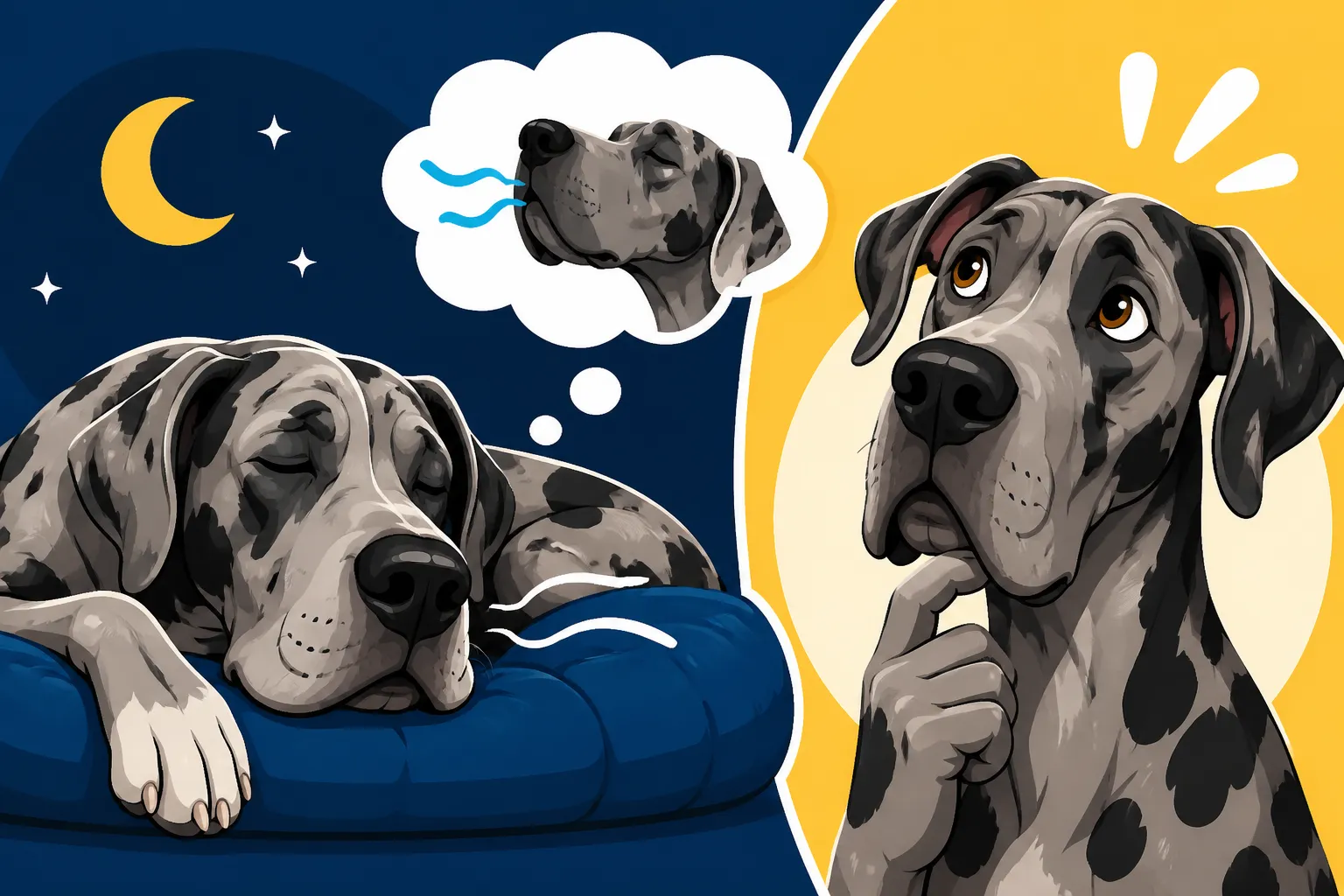
One of the most common late-night sounds in a Great Dane household, right after the rhythmic clack-clack-clack of them getting up for a drink of water, is the rumble, snort, and sometimes downright roar of a sleeping giant. Many Great Dane owners find themselves wondering: is this symphony of snores normal, or should I be worried? This guide will dive deep into why Great Danes often snore, when it's just part of their charm, and when it might be a subtle signal that something more needs your attention.
The Anatomy Behind Great Dane Snoring
It's not just your Great Dane being particularly vocal in their dreams; there's often a physical, anatomical reason behind their impressive snoring capabilities. While all dogs can snore, the unique build of a Great Dane can predispose them to it more than many other breeds. Understanding these anatomical quirks can help you discern normal slumber sounds from potential health concerns.
Soft Palate and Airway Dynamics
One of the primary culprits behind snoring in many breeds, including Great Danes, is the soft palate. This fleshy, soft tissue at the back of the roof of your dog's mouth separates the oral cavity from the nasal cavity. When a dog inhales, air flows over the soft palate. If this tissue is a bit longer, thicker, or less taut than ideal, it can vibrate as air passes over it, creating that distinctive snoring sound. Imagine a flag flapping in the wind – the soft palate acts similarly.
In some Great Danes, especially those with broader heads or shorter muzzles (even if not severely brachycephalic like a bulldog, their conformation can still lead to these issues), the soft palate can be proportionally longer. When they relax deeply in sleep, particularly on their back, gravity pulls this tissue down, causing it to obstruct the airway slightly and vibrate with each breath. This isn't always a sign of disease; sometimes, it's just how they're built. However, an excessively long soft palate, a condition known as elongated soft palate, can contribute to more significant breathing difficulties, especially during exercise or excitement.
Head Shape and Breed Conformation
Great Danes are renowned for their majestic, noble heads. While they are not a brachycephalic (short-nosed) breed, their broad muzzles and powerful jaws can sometimes come with specific conformational characteristics that affect airflow. The structure of their upper airway, including the nasal passages, pharynx, and larynx, can influence how easily air moves in and out.
Think about the internal architecture of your Great Dane's head. The way the bones of the skull, jaw, and soft tissues are arranged directly impacts the space available for air to travel. A slightly narrower nasal passage, a thicker tongue, or even the angle at which their throat sits can all contribute to increased airflow resistance, leading to snoring. Factors like the thickness of the tissues around the throat can also play a role. If these tissues vibrate during sleep, you'll certainly hear it. It's a bit like trying to push air through a slightly kinked garden hose – the air still gets through, but with more turbulence and noise. This is often just part of the breed's general conformation, but extremes can indicate issues. You might find that your Great Dane's snoring intensifies as they age, possibly due to a slight loss of muscle tone in the throat area or an increase in surrounding tissue.
When Snoring is Normal Versus a Warning Sign
It's easy to dismiss all snoring as simply "dog stuff," but discerning between harmless, sleepy rumbles and a symptom of an underlying issue is crucial for a Great Dane owner. Their health is paramount, and being observant can make all the difference.
Common Causes of Benign Snoring
Most of the time, your Great Dane's snoring is perfectly normal and no cause for alarm. These are the sweet, sometimes loud, noises that come from a deeply relaxed dog enjoying their nap.
- Sleeping Position: Just like people, dogs can snore more depending on how they're lying. Many Great Danes love to sprawl out on their backs, legs akimbo. This position often allows gravity to pull the soft tissues of the throat backward, partially obstructing the airway and causing those familiar vibrations. Imagine trying to sleep on your back with your mouth open – often, snoring ensues. If your Dane typically snores loudest when upside down on the sofa or stretched out on their Orthopedic Beds a Great Dane Needs, it's probably just positional.
- Deep Sleep: A Great Dane in a state of deep, REM sleep will be far more relaxed, and their muscles, including those in their throat, will be loose. This relaxation can lead to more pronounced snoring. If your Dane is twitching their paws and making little huffing noises, they might just be chasing rabbits in their dreams – a sure sign of deep, contented rest.
- Environmental Allergies: Sometimes, benign snoring can be exacerbated by mild irritation in the nasal passages or throat from environmental allergens like pollen, dust, or certain household chemicals. While not a severe health issue in itself, it can cause slight swelling or congestion that increases airflow resistance. If your Great Dane also has watery eyes or sneezes a bit, allergies could be a contributing factor.
- Temporary Congestion: A mild cold or temporary irritation can lead to a stuffy nose or throat, similar to how we might get congested. If your Great Dane is otherwise well and the snoring is a recent, short-lived change, it might just be a fleeting bout of congestion. However, persistent congestion should always be checked by a vet.
Signs That Snoring Might Be a Problem
While most snoring is harmless, there are definite red flags that indicate a visit to the veterinarian is in order. It's about more than just the volume; it's about the quality of the breathing and any accompanying symptoms.
- Loud, Labored Breathing While Awake: If your Great Dane is making loud, snorting, or gasping noises not just when sleeping but also when awake, especially during rest or after minimal activity, this is a serious concern. This suggests chronic airway obstruction, which can be exhausting and dangerous.
- Difficulty Breathing During Exercise: A healthy Great Dane should be able to enjoy a good walk or play session without struggling for breath. If their snoring or noisy breathing worsens significantly with exertion, or if they seem to tire very quickly, it could point to a severe respiratory compromise. Overheating can also exacerbate this.
- Blue-Tinged Gums or Tongue: This is an emergency. If your Great Dane's gums or tongue appear bluish or purplish (cyanotic), it means they are not getting enough oxygen. Seek immediate veterinary care.
- Restless Sleep or Frequent Waking: A dog that constantly shifts, wakes up gasping, or struggles to find a comfortable sleeping position might be experiencing sleep apnea or significant breathing difficulty that prevents restful sleep. They might be trying to reposition themselves to open their airway.
- Snorting, Gagging, or Choking Sounds: While a little snort is normal, persistent gagging, choking, or loud, distressed snorting sounds, particularly if accompanied by an attempt to swallow or clear their throat, could indicate something more serious.
- Changes in Appetite or Energy Levels: Any significant change in your Great Dane's general demeanor, appetite, or energy levels alongside worsening snoring should be evaluated. This could be a sign of systemic illness affecting their respiratory system or overall health.
- Rapid, Shallow Breathing: If your Great Dane is breathing rapidly and shallowly, even when at rest, and this is accompanied by loud snoring, it needs professional attention.
Here's a quick comparison to help you distinguish:
| Characteristic | Likely Normal Snoring | Potentially Problematic Snoring |
|---|---|---|
| Occurrence | Only when deeply asleep or in specific positions | Awake and asleep, especially with exertion |
| Sound Quality | Rhythmic, steady rumble, soft snores, gentle snorts | Labored, gasping, choking, distressed, erratic |
| Associated Signs | Contentment, relaxed body language, dreaming | Restlessness, frequent waking, open-mouth breathing while awake, coughing, gagging, blue gums, lethargy |
| Impact on Activity | None | Exercise intolerance, rapid fatigue, collapse |
| Duration | Consistent pattern, no sudden worsening | New onset, sudden worsening, progressive increase in severity |
Lifestyle Adjustments to Help Reduce Snoring
Even if your Great Dane's snoring is benign, it can still be quite loud! Luckily, there are several lifestyle adjustments you can make to help mitigate the noise and ensure your giant friend is as comfortable as possible.
Optimizing Sleeping Positions and Bedding
How and where your Great Dane sleeps can significantly impact their snoring volume. Sometimes, a simple change can make a huge difference.
- Encourage Side Sleeping: Great Danes often snore loudest when they're on their backs because gravity pulls their soft palate into their airway. Gently encouraging them to sleep on their side can open up their air passages. You can try arranging soft pillows or bolsters around them to make side-lying more appealing and prevent them from rolling onto their back.
- Invest in Quality Orthopedic Bedding: A supportive, comfortable bed not only protects your Great Dane's joints but can also help them find a more natural, less obstructive sleeping position. Think about how you sleep better on a good mattress! Look for extra-large, firm orthopedic beds. Brands available on Amazon or Chewy often carry jumbo sizes designed for giant breeds. These beds can cradle their bodies, supporting their neck and head in a way that encourages better airway alignment. A memory foam base or a thick, supportive foam mattress is usually best. A Great Dane needs a bed big enough to stretch out fully without hanging off the edges. Remember, a Bedding That Prevents Great Dane Hygromas is also crucial for their overall comfort and health.
- Slight Elevation for the Head: Similar to humans, elevating your Great Dane's head slightly can help reduce snoring. This can be achieved with a specially designed dog pillow or by strategically placing a folded blanket under the head end of their bed. Just ensure the elevation isn't so extreme that it causes neck strain. The goal is a subtle lift to help clear the airway.
Managing Weight and Overall Health
Excess weight is a common contributor to snoring and other health issues in dogs, including Great Danes. Even a few extra pounds can make a significant impact.
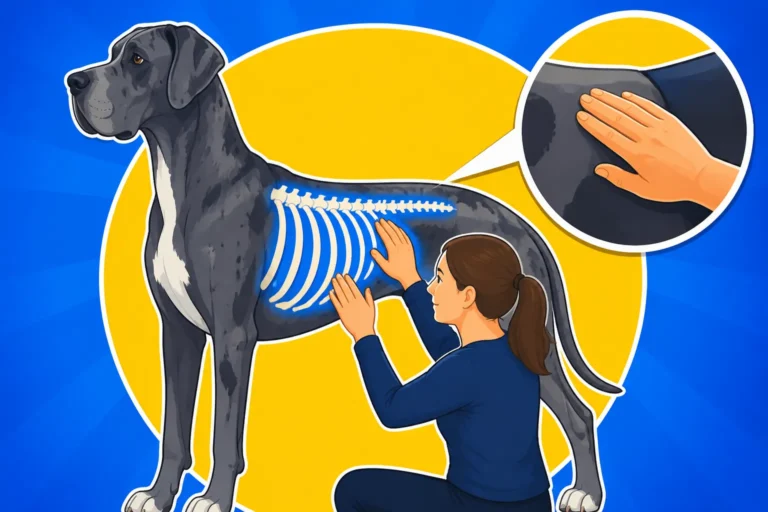
- Maintain a Healthy Weight: Fat deposits in the neck and throat area can narrow the airway, exacerbating snoring. Keeping your Great Dane at a lean, healthy weight is one of the best things you can do for their overall health, including their respiratory function. You should be able to easily feel their ribs without seeing them prominently, and they should have a discernible waist when viewed from above. Regularly Reading Ribs on a Great Dane is a good practice. If you're unsure about your Great Dane's ideal weight or how to achieve it, consult your vet for a personalized nutrition and exercise plan.
- Balanced Diet: Feed a high-quality, nutritionally complete diet appropriate for their age and activity level. If your Great Dane needs to lose weight, look for options that are lower in calories but still provide all essential nutrients. Consulting with your vet or a canine nutritionist can help you choose the right food and portion sizes. Some owners explore fresh food options like Ollie, though these need careful calorie management for a giant breed.
- Regular, Appropriate Exercise: Consistent exercise helps maintain muscle tone throughout the body, including the throat. It also helps manage weight. While Great Danes aren't built for endurance running, regular moderate walks and playtime are vital. Be mindful of their joints, especially when they are young, as Why a Great Dane Puppy Should Not Jog is an important consideration. Ensure they get enough activity without overexerting them, particularly in hot weather.
Addressing Environmental Factors
Your home environment can also play a role in how much your Great Dane snores. Simple adjustments can often provide relief.
- Control Allergens: If you suspect environmental allergies are contributing to your Great Dane's snoring, take steps to reduce allergens in your home. This might include regular vacuuming (especially pet hair), using air purifiers, washing pet bedding frequently, and limiting exposure to outdoor allergens during peak seasons.
- Maintain Humidity Levels: Dry air can irritate nasal passages and throats, leading to increased snoring. Using a humidifier in the room where your Great Dane sleeps, especially during dry seasons or if you live in an arid climate, can help keep their airways moist and comfortable.
- Avoid Irritants: Steer clear of strong air fresheners, smoking, or harsh cleaning chemicals near your Great Dane's sleeping area. These irritants can inflame their respiratory passages and worsen snoring.
- Consider a Head Halter (for some awake issues): While not for sleeping, if your Great Dane also has noisy breathing or snorting when awake due to pulling on a leash, a head halter can sometimes help manage their head position and reduce airway constriction when out and about. Always introduce these tools gradually and with positive reinforcement. For general walks, a Harnesses and Collars That Control a Great Dane can be beneficial.
When to Consult Your Veterinarian About Snoring
While some snoring is completely normal, there are times when it’s a clear indication that your Great Dane needs professional veterinary attention. Don't hesitate to seek advice if you notice any concerning changes.
Diagnostic Steps for Persistent Snoring
If you've noticed that your Great Dane's snoring has become louder, more frequent, or is accompanied by other worrying symptoms, it's time to book an appointment with your veterinarian. They will start by gathering a thorough history of your dog's symptoms, activity levels, and any other changes you've observed.
- Physical Examination: Your vet will perform a comprehensive physical exam, paying close attention to your Great Dane's respiratory system. They will listen to their heart and lungs, examine their throat, mouth, and nasal passages, and assess their overall body condition. They might check for signs of inflammation, polyps, or any anatomical abnormalities. For Great Danes, sometimes a routine exam can be challenging due to their size, so your vet might have special equipment or techniques.
- Imaging: Depending on their initial findings, your vet might recommend imaging studies. X-rays of the chest and throat can help visualize the soft palate, trachea, and lungs to check for any obstructions, masses, or structural issues. In some cases, more advanced imaging like a CT scan or MRI might be suggested, especially if a mass or foreign body is suspected, or to get a detailed view of the nasal passages and throat.
- Endoscopy: For a definitive diagnosis of issues like an elongated soft palate or laryngeal paralysis, your vet might suggest an endoscopy. This involves sedating your Great Dane and inserting a small camera into their throat and airways to directly visualize the structures and identify any areas of concern. This procedure allows for a very precise assessment of the airway.
- Bloodwork: Routine blood tests, including a complete blood count and biochemistry panel, can help assess your Great Dane's overall health, check for underlying infections, inflammation, or metabolic conditions that could contribute to respiratory issues. For instance, sometimes an underactive thyroid can lead to weight gain and lethargy, which could indirectly worsen snoring – a The Thyroid Test a Slow Great Dane Needs would be relevant here.
Potential Medical Interventions
Once a diagnosis is made, your vet will discuss the appropriate course of action. Treatment options vary widely depending on the underlying cause of the problematic snoring.
- Medication: If the snoring is due to allergies, inflammation, or mild infections, your vet might prescribe anti-inflammatory medications, antihistamines, or antibiotics. These medications aim to reduce swelling and clear any underlying conditions that are causing airway obstruction.
- Weight Management Program: If obesity is a contributing factor, your vet will work with you to develop a tailored weight loss program, including dietary changes and a controlled exercise regimen. This might involve switching to a prescription weight-management food or carefully measuring current food portions, which can be significant for a Great Dane, perhaps with products found on Chewy or even fresh-prepared options from services like Ollie. Remember, keeping A Great Dane Puppy Should Be Kept Lean is also vital from a young age to prevent adult weight issues.
- Surgery: In cases of severe anatomical abnormalities, such as an excessively elongated soft palate, surgery might be recommended. Procedures like staphylectomy (shortening the soft palate) can significantly improve airflow and quality of life. For conditions like laryngeal paralysis, other surgical interventions may be considered. Your vet will explain the risks and benefits thoroughly. The cost of such procedures for a Great Dane can be substantial, and it’s a good reason why Insuring a Great Dane Against Bloat and Heart Bills is so important, as unexpected surgeries can arise.
- Addressing Other Health Conditions: If the snoring is secondary to another health issue, such as heart disease (which Great Danes are prone to, like The Heart Muscle Disease Great Danes Are Prone To) or another systemic illness, the primary focus will be on treating that underlying condition. Managing the primary disease will often alleviate the associated respiratory symptoms.
Remember, your Great Dane relies on you to advocate for their health. While their snores might be a beloved part of their nightly symphony, don't ignore any changes that could signal a deeper problem. A proactive approach, in partnership with your veterinarian, is always the best way to ensure your gentle giant lives a long, comfortable, and healthy life.
Disclaimer
This article is for general informational purposes only and does not constitute professional advice. Laws, prices and regulations vary by location and change over time. Consult a qualified professional for guidance on your specific situation.