The Great Dane Against the Irish Wolfhound
Choosing between a Great Dane and an Irish Wolfhound is a delightful but daunting task for anyone dreaming of bringing a truly giant companion into their home. Both breeds are magnificent, offering immense love and loyalty, yet they come with distinct personalities, needs, and challenges that can catch even experienced dog owners by surprise. This guide aims to thoroughly explore the nuances of each breed, helping you understand their unique traits, care requirements, and what life with either of these impressive canines truly entails, so you can make the most informed decision for your family and lifestyle.
Ancient Lineages: The Historical Roots and Purposes of Two Giants
When you look at a Great Dane or an Irish Wolfhound, you're not just seeing a large dog; you're seeing centuries of carefully cultivated lineage, bred for specific roles in human history. Understanding their origins helps us grasp their inherent instincts, physical build, and even their temperamental leanings. It's a journey back in time to the fields of war and the hunts of kings, far removed from the cozy couch where they might now be sprawled.
From Boar Hunter to Companion: The Great Dane's Evolution
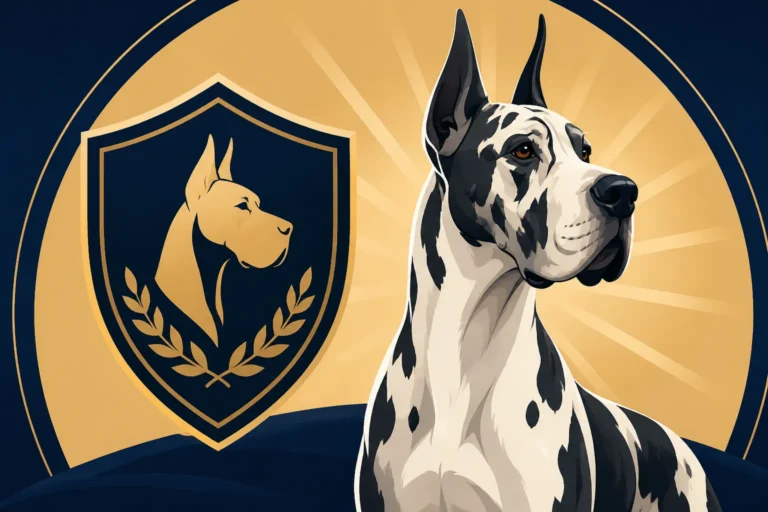
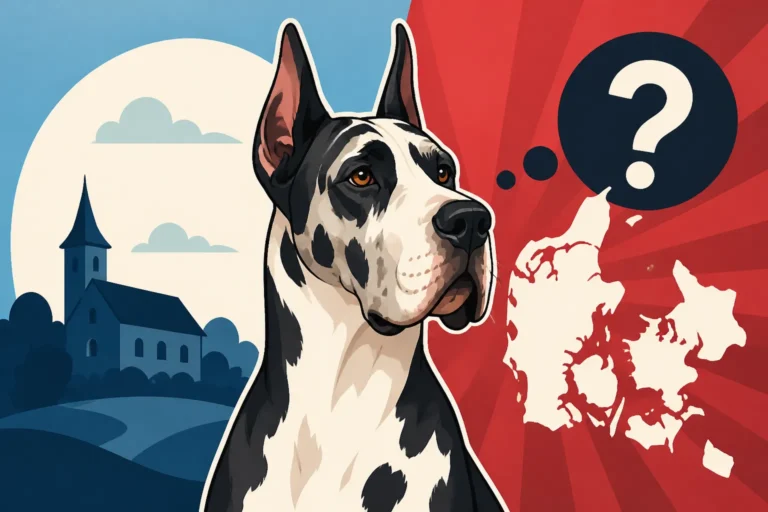
The Great Dane, despite its name, does not hail from Denmark. Its true ancestral home is Germany, where it was originally known as the "Deutsche Dogge," or German Mastiff. These majestic dogs were purpose-bred to hunt formidable wild boar, a task requiring immense strength, speed, courage, and a powerful bite. Imagine facing down a wild boar – that's the kind of dog the early Great Dane needed to be. They were also used as estate guardians, protecting property with their imposing presence rather than aggressive tendencies. The Boar Hound the Great Dane Descends From delves deeper into these origins.
Over time, as grand hunting declined, the breed's role shifted. Breeders began to refine their temperament, moving away from sheer ferocity towards the noble, gentle giant we know today. Their striking appearance and dignified demeanor made them prized companions for nobility and, eventually, cherished family members. This transition from a rugged hunting dog to an elegant house dog meant a conscious effort to soften their edges while retaining their impressive stature and loyalty. This historical context explains why, despite their size, modern Great Danes are often so mellow indoors.
Today, while they retain the physical prowess of their ancestors, the primary role of a Great Dane is companionship. They are deeply bonded with their families, thriving on human interaction and often seeking to be right in the middle of whatever you're doing, even if that means attempting to be a lap dog. This shift in purpose highlights the breed's adaptability and the dedication of breeders to cultivate a dog that fits into contemporary homes, albeit very large ones.
Ancient Irish Kings' Companions: The Irish Wolfhound's Noble Past
The Irish Wolfhound is, without a doubt, a breed steeped in ancient history, its roots intertwined with the Celtic warriors and the rugged landscape of Ireland. Historically, these dogs were formidable hunters of wolves and giant Irish elk, protecting livestock and accompanying their masters into battle. Their immense size, speed, and courage were legendary, making them highly prized possessions, often exchanged as gifts between kings and nobles. There’s a gravitas to them, a sense of ancient wisdom, that speaks volumes about their past.
These weren't just hunters; they were integral to Irish culture and identity, celebrated in sagas and poetry for their bravery and loyalty. The phrase "gentle when stroked, fierce when provoked" perfectly encapsulates their historical reputation. They needed to be calm and collected in daily life, but utterly fearless when facing down a wolf. This dual nature is still evident in the breed's temperament today, a fascinating legacy from their ancient days.
The breed faced near extinction at various points, particularly as wolves disappeared from Ireland and large dogs became less practical. However, dedicated breeders, notably Captain George Augustus Graham in the 19th century, worked tirelessly to revive and stabilize the breed, carefully selecting for the old types and re-establishing their noble characteristics. This effort ensures that the Irish Wolfhound we see today carries the indelible mark of its powerful and storied heritage.
A Study in Stature: Physical Differences Between Great Danes and Irish Wolfhounds
Both Great Danes and Irish Wolfhounds are undeniably large dogs, but they present two very different pictures of giantism. One is sleek and elegant, the other shaggy and formidable. Understanding these physical distinctions goes beyond mere aesthetics; it impacts everything from grooming needs to how they fit (or don't fit!) into your home and car.
The Sleek Silhouette of the Dane
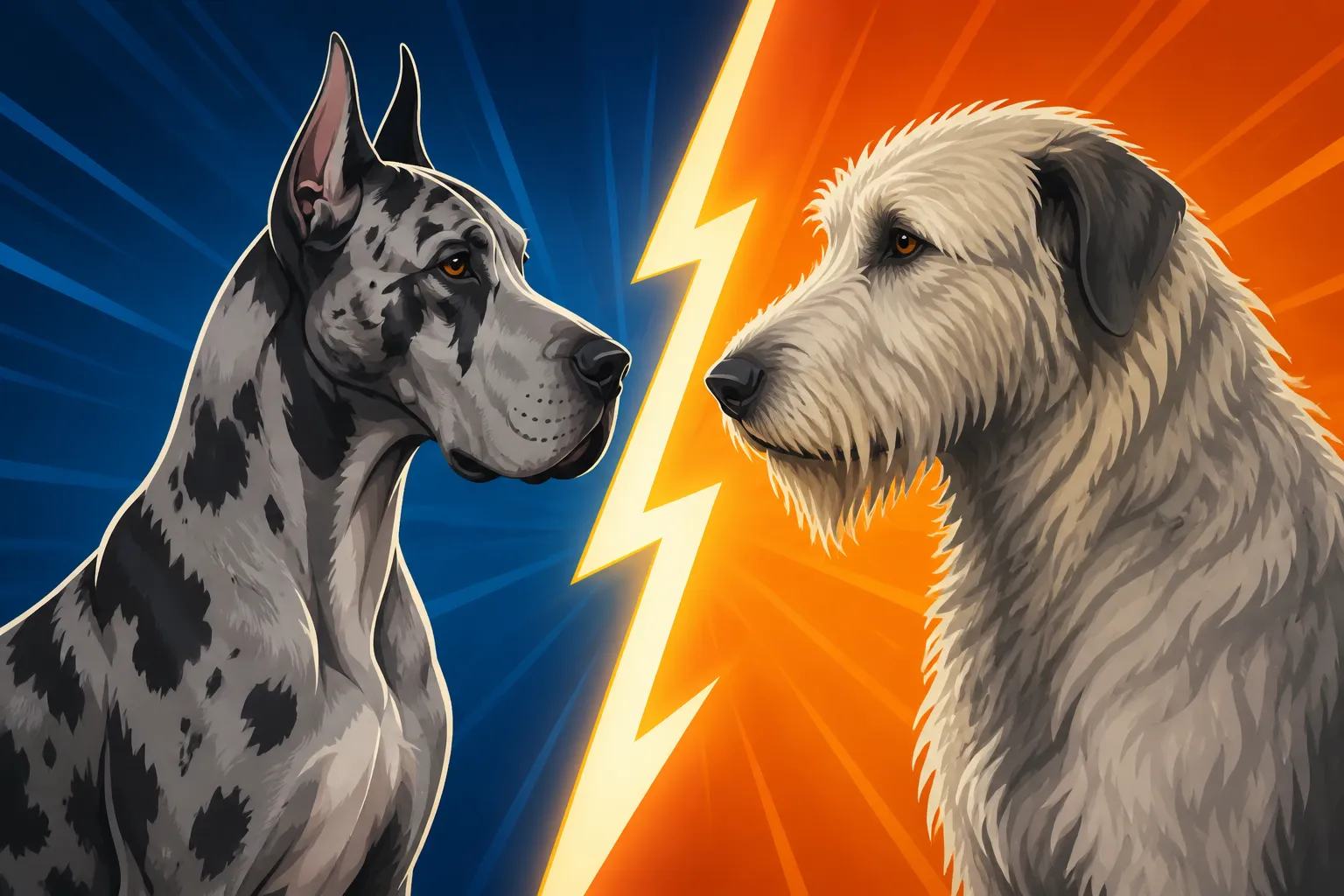
The Great Dane is often referred to as the "Apollo of Dogs," a testament to its imposing yet graceful physique. They possess a smooth, short coat that lies close to the body, emphasizing their muscular, well-defined frame. Their lines are clean, their neck long and arched, and their head noble and refined. This breed embodies elegance, power, and dignity. When a Great Dane walks into a room, it does so with an undeniable presence, a true picture of canine aristocracy.
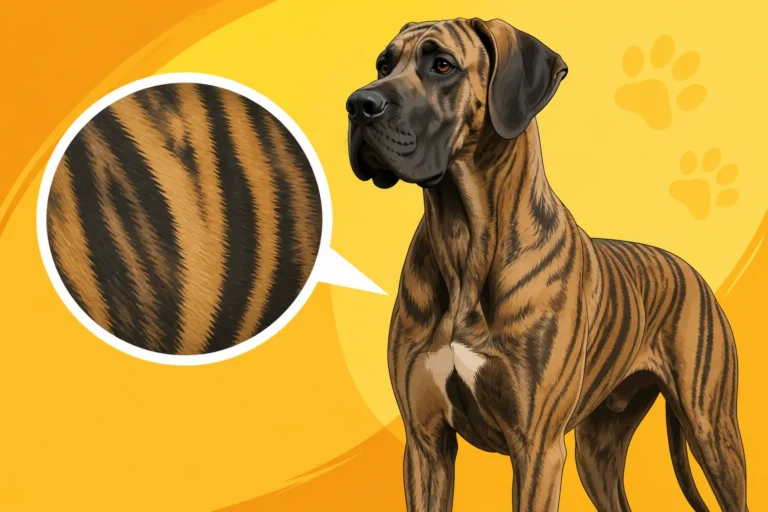
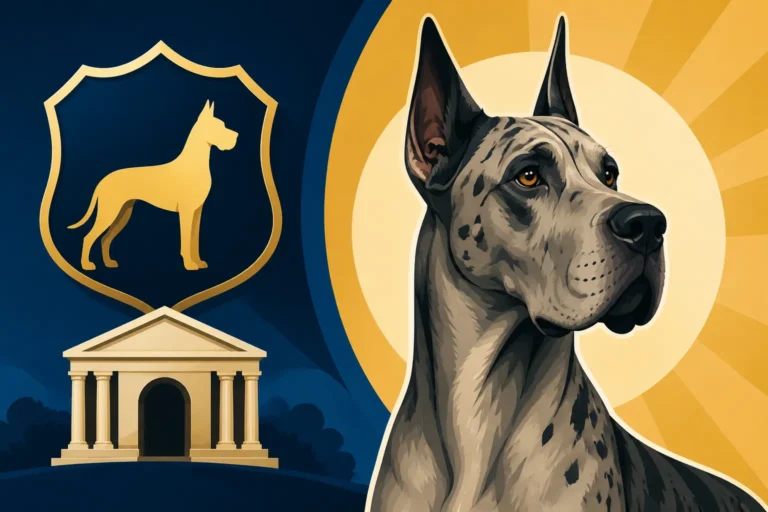
Their coat, while short, comes in several recognized colors, including fawn, brindle, blue, black, harlequin, and mantle. Each color variation adds to the breed's striking visual appeal. While their short coat might seem low-maintenance, they do shed year-round, and their size means there's a lot of surface area for shedding. Regular brushing is still key to managing the hair, even if you don't have long tangles to contend with. Whether a Great Dane's Coat Changes With Age can offer more insights into their unique fur.
Despite their delicate appearance, Great Danes are robust dogs. Their deep chest, a hallmark of the breed, contributes to their powerful stride but also comes with specific health considerations, notably bloat. Their general build is one of athletic grace, designed for covering ground efficiently while maintaining a commanding presence.
The Shaggy Grandeur of the Wolfhound
In stark contrast to the Great Dane's sleekness, the Irish Wolfhound presents a picture of rugged, shaggy grandeur. They are characterized by a rough, wiry coat, especially prominent over their eyes and under their jaw, giving them a wise, almost professorial look. Their build is equally massive, but more raw-boned and muscular, reflecting their history as fierce hunters. There's an undeniable earthiness to their appearance that sets them apart.
This coarse double coat requires more dedicated grooming than a Great Dane's, needing regular brushing to prevent mats and remove loose hair, particularly around their furnishings. Owners often find themselves battling burrs and debris picked up during outdoor adventures that cling readily to their wiry fur. While their shedding might not be as fine and pervasive as a Dane's short hairs, the sheer volume of hair shed can still be substantial.
Their lean, muscular frame and powerful, galloping stride speak volumes about their speed and agility, capabilities honed over centuries of hunting wolves. Despite their massive build, they are surprisingly light-footed and agile when they need to be. Their unique head shape, with a long muzzle and intelligent, observant eyes, perfectly complements their strong, ancient lineage.
Size and Weight Comparisons: Who is Bigger?
When it comes to sheer height, the Irish Wolfhound generally takes the crown as the tallest dog breed, often standing taller than a Great Dane. Male Irish Wolfhounds typically measure at least 32 inches at the shoulder, with many exceeding this significantly. Great Danes are close contenders, with males typically ranging from 30 to 32 inches, sometimes more. While both are undeniably massive, the Wolfhound often has an edge in vertical reach.
In terms of weight, there can be some overlap, but Great Danes often carry more bulk and can be heavier. A male Great Dane can easily weigh between 140 to 175 pounds, and sometimes more, presenting a solid, muscular frame. Irish Wolfhounds, while taller, are often a bit leaner for their height, with males typically weighing between 120 to 150 pounds. This isn't to say a Wolfhound can't be as heavy or heavier than a Dane, but generally, the Dane presents a more substantial mass.
| Characteristic | Great Dane | Irish Wolfhound |
|---|---|---|
| Average Male Height (at shoulder) | 30-32 inches | 32-34 inches (often more) |
| Average Male Weight | 140-175+ lbs | 120-150 lbs |
| Coat Type | Short, smooth, dense | Rough, wiry double coat |
| Build | Elegant, muscular, refined | Lean, muscular, raw-boned |
| Lifespan | 7-10 years | 6-8 years |
| Grooming Needs | Moderate shedding, minimal brushing | High shedding, regular brushing/stripping |
For owners, this size difference isn't just about bragging rights; it's about practicalities. Everything from the size of their crate, the width of your doorways, and the capacity of your vehicle needs to be considered. A Great Dane might be bulky, but a taller Irish Wolfhound needs just as much vertical space. You'll find that even specialty items like giant-sized enrichment toys or extra-large dog beds are readily available through retailers like Chewy, making it easier to meet their unique needs, regardless of which giant you choose.
Gentle Spirits or Noble Guards: Temperament and Personality
Both Great Danes and Irish Wolfhounds are renowned for their gentle dispositions, earning them the affectionate title of "gentle giants." However, delve a little deeper, and you'll discover nuanced differences in their personalities that can greatly influence how they fit into a family environment and interact with the world around them. Their historical roles have shaped their innate characteristics, making each a truly unique companion.
The Great Dane's Affectionate Nature
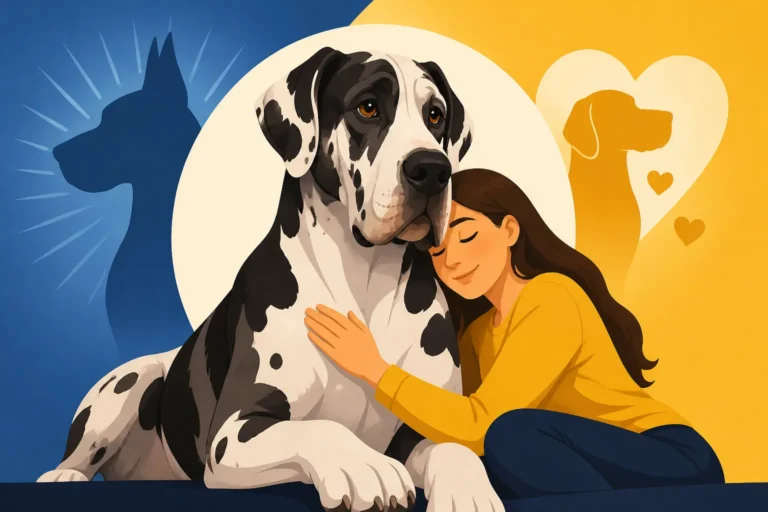
The Great Dane truly embodies the "gentle giant" moniker. They are famously affectionate, often seeking close physical contact with their human family members. Many Dane owners will tell you stories of their enormous dogs attempting to be lap dogs, completely oblivious to their massive size. This desire for closeness makes them wonderful, devoted companions who thrive on being an integral part of family life. They often lean on you, follow you from room to room, and generally want to be where the action is. Living With a Great Dane That Leans on You describes this common Great Dane trait.
Despite their imposing appearance, Great Danes are generally tolerant and patient, especially with children they've grown up with. However, their sheer size means accidental bumps or knocks are a real possibility, so supervision with very young children is always important. They tend to be relatively calm indoors, enjoying sprawling out on a soft bed or sofa, but they do require regular mental stimulation and physical activity to prevent boredom and destructive behaviors. They aim to please and are highly intelligent, making them responsive to positive reinforcement training.
While not typically aggressive, Great Danes do possess a natural protective instinct towards their family and home. Their deep bark and intimidating size are usually more than enough to deter unwanted visitors. They are often described as having an 'old soul' quality, observing the world with a quiet dignity and offering unwavering loyalty to those they consider their own.
The Irish Wolfhound's Reserved Loyalty
Irish Wolfhounds are also known for their gentle and patient nature, but their loyalty often manifests with a more reserved, dignified air than the effusiveness of a Great Dane. They form deep bonds with their families, displaying quiet devotion and a calm presence. While they enjoy affection, they might not be as overtly clingy as some Danes, preferring to be near you rather than on top of you. Their ancient history as independent hunters has given them a thoughtful, somewhat stoic demeanor.
With strangers, Irish Wolfhounds tend to be polite but reserved. They are not typically boisterous greeters, often observing new people with a quiet scrutiny before deciding to engage. This doesn't mean they are unfriendly; rather, they take their time to assess. Their impressive stature alone is usually a deterrent, and while they possess a protective instinct, it's often more about quiet watchfulness than overt guarding, though they would not hesitate to protect their family if they perceived a genuine threat.
Irish Wolfhounds are renowned for their patience, which makes them generally good with well-behaved children and other pets, especially if raised with them. However, similar to Great Danes, their enormous size demands constant supervision to prevent accidental injury to smaller beings. They are intelligent and sensitive, responding best to gentle, consistent training methods that build trust rather than relying on harsh corrections.
Social Dynamics with People and Pets
Both breeds benefit immensely from early and extensive socialization. Exposing a giant breed puppy to a wide variety of sights, sounds, people, and other dogs from a young age is crucial for developing a well-adjusted adult. A poorly socialized giant dog can quickly become a handful, not through malice, but through fear or lack of understanding. Puppy classes and supervised playdates are invaluable for both breeds. Socializing a Great Dane Puppy Early emphasizes this vital aspect for Danes.
Great Danes often integrate seamlessly into multi-pet households, often becoming best friends with smaller dogs or even cats, provided they are introduced properly and have positive experiences. Their patient nature helps them navigate the antics of smaller, more excitable companions. However, their sheer size means play can sometimes be unintentionally rough for smaller animals, so mindful supervision is always necessary.
Irish Wolfhounds, with their hunting heritage, might have a stronger prey drive than Great Danes, particularly towards small, fast-moving animals. While many Wolfhounds live peacefully with cats or smaller dogs, especially if introduced in puppyhood, owners should always be aware of this potential instinct. Their interaction with other dogs, particularly those of similar size, is generally good, often characterized by a respectful, gentle demeanor. However, individual personalities vary greatly, and careful introductions are always warranted.
Nurturing Giants: Care and Exercise Needs
Caring for a giant breed is a commitment unlike any other. Everything is magnified: their food consumption, the space they require, and the potential impact of their size on your home and wallet. Both Great Danes and Irish Wolfhounds demand specific care routines, particularly concerning nutrition during their critical growth phases and appropriate exercise throughout their lives.
Feeding the Giants
Feeding a Great Dane or an Irish Wolfhound is a significant financial commitment. These dogs consume vast quantities of food, and it's not just about quantity; quality is paramount, especially during their rapid growth phase. Great Dane puppies, in particular, require a large-breed puppy formula that supports slow, steady growth, rather than rapid weight gain, to minimize stress on their developing joints. Feeding a Great Dane Puppy Slowly on Purpose highlights this crucial aspect.
For adult dogs, both breeds need a high-quality diet appropriate for large and giant breeds. This often means a food with moderate protein levels and careful calcium-to-phosphorus ratios. Free-feeding is generally not recommended for either breed, especially given the Great Dane's predisposition to bloat. Dividing their daily ration into two or three smaller meals can help reduce the risk of this life-threatening condition. Always consult your veterinarian for specific dietary recommendations tailored to your dog's age, activity level, and health status. You can find a vast array of giant breed-specific foods and supplements through online retailers like Chewy, making it easier to manage their substantial dietary needs.
Hydration is also key. Given their size, both breeds need access to fresh water at all times. Raised feeding and watering bowls are a common discussion point among giant breed owners, with some advocating for them to ease strain on their neck and joints, while others express concerns about a potential link to bloat risk. It’s a nuanced decision best made with vet guidance.
Grooming Requirements
The grooming needs of these two giants differ considerably due to their coat types. The Great Dane, with its short, smooth coat, is relatively low-maintenance. Regular brushing (once or twice a week) with a rubber curry brush or a shedding blade is usually sufficient to remove loose hair and keep their coat healthy and shiny. While they shed year-round, these tools can help manage the amount of hair around your home. Bathing is only needed as they get dirty, or every few months.
The Irish Wolfhound, on the other hand, requires more attention to its distinctive rough, wiry double coat. Regular brushing, ideally several times a week, is necessary to prevent mats, especially in the longer hair around their face (beard and eyebrows), legs, and belly. Many Wolfhound owners opt for hand-stripping their coats a few times a year to maintain texture and remove dead hair, a process that can be time-consuming or costly if done by a professional groomer. Without proper grooming, their coats can become unruly, matted, and even uncomfortable for the dog.
For both breeds, nail care is critical. Allowing their nails to grow too long can lead to discomfort, splayed feet, and even long-term joint problems. Regular trimming or grinding, starting from puppyhood, is essential. Due to their size, this can be a challenging task, and many owners seek professional help or specialized large-breed clippers. Ear cleaning, especially for breeds with dropped ears, is also important to prevent infections, as is routine dental care.
Exercise for Growing and Adult Dogs
Appropriate exercise is crucial for both Great Danes and Irish Wolfhounds, but it's important to understand the delicate balance, particularly during their rapid growth phases. Over-exercising a giant breed puppy can cause serious, irreversible damage to their developing joints and bones. Exercise Limits While a Great Dane Is Still Growing provides excellent insights into this topic. Controlled, moderate exercise, like short walks and supervised free play on soft surfaces, is key for puppies of both breeds. Avoid forced running, jumping from heights, or repetitive activities like jogging on pavement until they are fully grown, which can be around 18-24 months for these large breeds.
As adults, both Great Danes and Irish Wolfhounds require regular, moderate exercise to stay healthy and happy. They are not typically high-energy dogs that need to run for miles every day, but a good daily walk, combined with some play in a secure yard, is usually sufficient. A Great Dane might enjoy a brisk walk around the neighborhood or a game of fetch in the park, while an Irish Wolfhound, with its long-striding gait, might appreciate longer, more leisurely walks or hikes in open spaces. However, even as adults, bursts of intense, high-impact activity should be tempered, especially for older dogs, to protect their joints.
Both breeds are prone to certain health issues that can be exacerbated by inappropriate exercise. For instance, too much high-impact activity can stress the joints of a Great Dane, which are susceptible to conditions like osteochondritis dissecans (OCD) or hip dysplasia. Similarly, the Irish Wolfhound can also suffer from joint issues. Maintaining a healthy weight and ensuring appropriate exercise throughout their lives is one of the best ways to support their long-term well-being.
Health and Lifespan Considerations
One of the most profound differences between giant breeds and smaller dogs is their lifespan, and unfortunately, this is often a difficult reality for Great Dane and Irish Wolfhound owners. Both breeds are prone to specific health challenges that impact their longevity and quality of life. Understanding these predispositions is essential for responsible ownership and proactive veterinary care.
Common Ailments in Great Danes
Great Danes are unfortunately prone to a number of serious health conditions that contribute to their relatively short lifespan, which typically ranges from 7 to 10 years. Why a Great Dane Only Lives Seven to Ten Years explores this further. One of the most critical concerns is Gastric Dilatation-Volvulus (GDV), commonly known as bloat. This life-threatening condition occurs when the stomach fills with gas and twists, cutting off blood supply. It requires immediate emergency surgery and carries a high mortality rate. Bloat in a Great Dane and the One in Three Odds explains the prevalence.
Another significant health issue in Great Danes is Dilated Cardiomyopathy (DCM), a heart muscle disease where the heart becomes enlarged and weakened, leading to heart failure. Regular cardiac screenings, including echocardiograms, are recommended, especially for breeding dogs and as a proactive measure for any Great Dane. The Heart Muscle Disease Great Danes Are Prone To offers more detail. They are also susceptible to certain cancers, particularly osteosarcoma (bone cancer), and orthopedic problems like hip and elbow dysplasia, as well as Wobbler Syndrome, a neck condition affecting spinal cord function.
Early diagnosis and intervention are critical for managing these conditions, emphasizing the importance of regular veterinary check-ups and being vigilant for any changes in your dog's behavior or physical condition. The financial burden of treating these serious ailments can be substantial, making pet insurance a crucial consideration for Great Dane owners. Insuring a Great Dane Against Bloat and Heart Bills is a highly recommended read.
Health Challenges in Irish Wolfhounds
Irish Wolfhounds, while majestic, also face a regrettably short average lifespan, typically ranging from 6 to 8 years. Like Great Danes, they are highly susceptible to bloat (GDV), a life-threatening emergency that owners must be acutely aware of. Prophylactic gastropexy, a surgery to tack the stomach to the abdominal wall, is often recommended for both breeds to significantly reduce the risk of stomach torsion, although it doesn't prevent gas accumulation.
Cardiovascular diseases are another major concern for Irish Wolfhounds, particularly Dilated Cardiomyopathy (DCM), which can lead to heart failure. Regular screenings by a veterinary cardiologist are vital for early detection and management. Bone cancer (osteosarcoma) is also tragically prevalent in Irish Wolfhounds, often presenting as lameness or swelling in a limb.
Beyond these major concerns, Wolfhounds can also experience various orthopedic issues, including hip and elbow dysplasia, and certain eye conditions. Responsible breeders will perform health screenings on their breeding stock for these known issues, but even with careful breeding, the inherent genetic predispositions in giant breeds remain a challenge. Choosing a puppy from a reputable breeder who prioritizes health testing is paramount.
Lifespan Expectations: A Difficult Reality
The stark reality for prospective owners of both Great Danes and Irish Wolfhounds is that these magnificent dogs simply do not live as long as many other breeds. While anecdotal stories of individual dogs reaching double-digit ages exist, the average lifespan for both breeds is significantly shorter than for medium or small dogs. This is a difficult truth to face, and it means that every moment with these incredible companions is precious.
This shorter lifespan underscores the importance of maximizing their quality of life. This involves providing excellent nutrition, appropriate exercise, routine veterinary care, and most importantly, an abundance of love and companionship. Being prepared for the potential health challenges, both emotionally and financially, is a responsible part of owning either a Great Dane or an Irish Wolfhound. The Short Expensive Life of a Great Dane resonates deeply with owners of all giant breeds.
The immense joy and love they bring into a home often make their shorter lives feel even more poignant. Many owners find themselves grappling with the question of whether to endure the heartache of losing such a beloved companion so soon. However, for those who choose to open their hearts and homes, the experience of living with a Great Dane or an Irish Wolfhound is often described as profoundly rewarding, making every year count.
Living with a Giant: Practicalities and Preparation
Bringing a giant breed into your life is an adventure, but it's also a significant lifestyle adjustment. Their sheer size dictates much of the practical planning involved, from the physical space they occupy to the financial commitments they entail. Whether you choose a Great Dane or an Irish Wolfhound, thoughtful preparation is key to a harmonious household.
Space and Home Environment
Both Great Danes and Irish Wolfhounds are not suited for cramped living conditions. While Great Danes are known for being relatively calm indoors and don't necessarily require a huge yard to thrive, they do need ample space inside your home to move around comfortably, stretch out, and avoid bumping into furniture and people. A home with wide doorways and open spaces is ideal. Similarly, an Irish Wolfhound, despite its slightly more active nature outdoors, also appreciates a comfortable, roomy indoor environment.
Outdoor space, while beneficial, isn't a substitute for indoor companionship. A securely fenced yard is a must for both breeds, allowing them to stretch their legs and explore safely. Given their size and reach, fences need to be substantial – usually at least 6 feet high – to ensure they can't simply step over or easily jump. Consider the wear and tear on your floors and furniture too; large paws and wagging tails can cause accidental damage. Durable flooring and sturdy furniture are definite advantages. Furnishing a House for a Great Dane provides excellent advice on preparing your home.
Think about how your giant companion will navigate stairs, especially as they age or if they develop joint issues. While they might manage stairs as puppies and young adults, carrying a large injured or elderly dog up and down steps is a logistical nightmare and often physically impossible. Planning for alternative sleeping areas or ramps might become necessary later in their lives.
Training Imperatives for Large Breeds
Training is not optional for a giant breed; it is an absolute necessity for their safety and the safety of others. A hundred-and-fifty-pound dog with no manners can be dangerous, not necessarily because of aggression, but because of accidental force. Both Great Danes and Irish Wolfhounds are intelligent and generally eager to please, making them responsive to positive reinforcement training. However, their size means that what might be a minor inconvenience in a small dog (like jumping up) becomes a serious problem with a giant.
Early socialization and puppy classes are foundational. Teaching basic cues like "sit," "stay," "down," and "come" is critical. Leash manners are paramount; you need to be able to control your dog on walks, even if they decide to lunge at a squirrel. Harnesses and head halters designed for giant breeds can be invaluable tools for managing their strength. Great Dane Leash Manners at a Hundred and Fifty Pounds offers practical tips. Consistency and patience are key, and enrolling in advanced obedience classes or working with a professional trainer experienced in giant breeds can be incredibly beneficial.
Beyond basic obedience, teaching appropriate house manners, such as not counter-surfing (which they can easily do!), not jumping on guests, and understanding boundaries, is vital. Their presence demands respect and clear communication. A well-trained giant is a joy to live with, a testament to the owner's dedication and the dog's inherent good nature.
Financial Realities of Giant Dog Ownership
Let's be blunt: owning a Great Dane or an Irish Wolfhound is expensive. This isn't a surprise to many, but the sheer scale of the expenses can still catch people off guard. Everything from their initial purchase price from a reputable breeder (which will include health screenings for the parents) to their ongoing care costs is significantly higher than for smaller breeds. The Fifteen Hundred to Three Thousand Great Dane offers a glimpse into initial costs.
Food is a major ongoing expense. These dogs eat enormous quantities, and quality food for giant breeds doesn't come cheap. Factor in the cost of treats, supplements (especially joint support), and monthly preventatives like heartworm and flea/tick medications, which are all dosed by weight and are therefore more expensive for giants. Then there are vet bills: routine check-ups, vaccinations, and potential emergency treatments for conditions like bloat or cancer. Why Every Great Dane Bill Is Bigger breaks down many of these costs.
Beyond food and vet care, consider the cost of giant-sized crates, beds (which they wear out quickly), durable toys, training classes, and potentially larger vehicles to transport them comfortably. Pet insurance is highly recommended to help mitigate the financial impact of unexpected emergencies or chronic conditions. When you're considering one of these magnificent breeds, it’s not just about love; it's about being prepared for the substantial financial commitment that comes with truly living large.
Disclaimer
This article is for general informational purposes only and does not constitute professional advice. Laws, prices and regulations vary by location and change over time. Consult a qualified professional for guidance on your specific situation.