Why a Great Dane’s Elbows Swell
Seeing your beloved Great Dane struggle with a swollen elbow can be incredibly alarming and frustrating. It’s a common issue that often brings a knot to your stomach, especially given their size and propensity for joint problems. This comprehensive guide will walk you through the various reasons a Great Dane's elbows swell, from common conditions like hygromas to more complex developmental and degenerative diseases, offering insights into prevention, diagnosis, and treatment.
Understanding the Great Dane's Unique Elbow Challenges
Great Danes are magnificent creatures, but their rapid growth and immense size, while awe-inspiring, also predispose them to a unique set of orthopedic challenges. Their joints, particularly their elbows, bear a significant amount of weight and stress throughout their lives, making them susceptible to various issues that can lead to swelling and discomfort.
The Anatomy of a Giant Breed Elbow
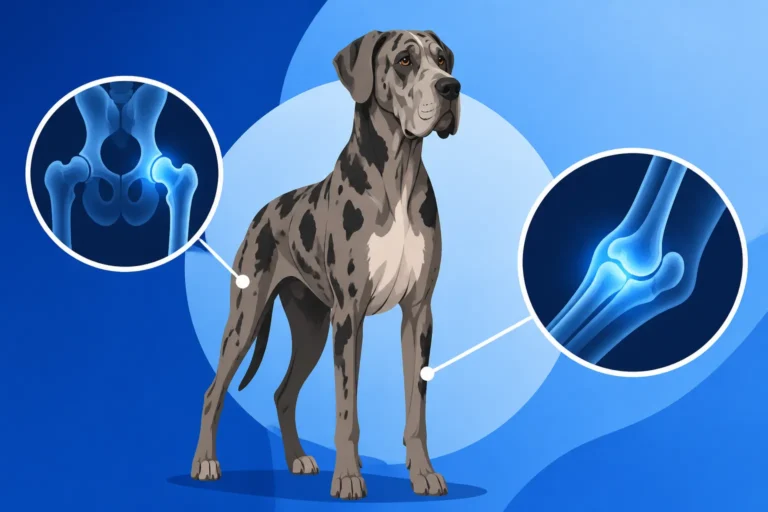
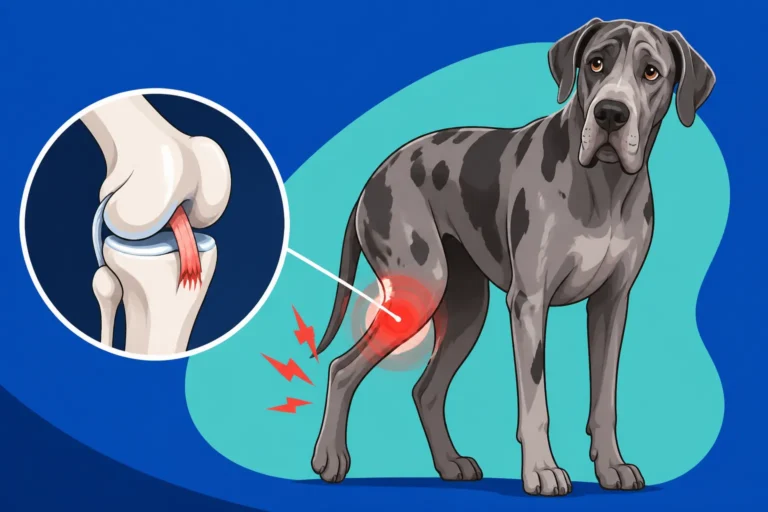
To truly understand why a Great Dane's elbows might swell, it helps to know a little about the joint itself. The elbow joint in a dog is a complex hinge joint, connecting three bones: the humerus (upper arm bone), and the radius and ulna (forearm bones). This intricate structure allows for the flexion and extension movements essential for walking, running, and even just getting up from a nap. Surrounding these bones are cartilage, ligaments, tendons, and a joint capsule filled with synovial fluid, all working together to ensure smooth, pain-free motion. In Great Danes, due to their sheer mass, this entire system is under constant, heavy load, which can accelerate wear and tear or exacerbate developmental abnormalities.
The pressure points on a Great Dane's body, like the elbows, also have a unique vulnerability. When a Great Dane lies down on hard surfaces, their bony elbows can experience repeated trauma. The body, in an attempt to protect these areas, might react in ways that lead to swelling, creating a cycle of concern for conscientious owners. This is where understanding proper care, including Bedding That Prevents Great Dane Hygromas, becomes so crucial.
Why Great Danes Are Prone to Elbow Issues
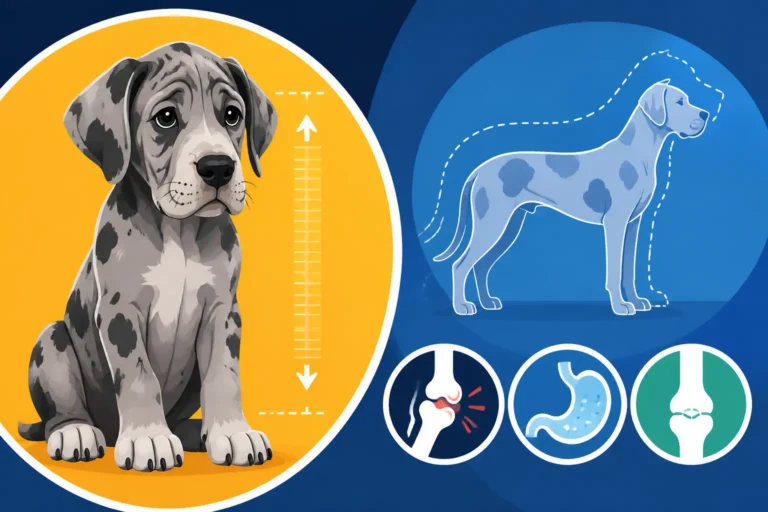
Great Danes aren't just big; they grow fast. This rapid growth spurt, especially during their puppy and adolescent stages, is a critical factor in many of their joint problems. Imagine a building being constructed at lightning speed – sometimes, the foundational elements just don't have enough time to solidify perfectly. Similarly, a Great Dane puppy's bones, cartilage, and soft tissues might not develop synchronously, leading to imbalances and weaknesses. This is why paying close attention to Great Dane Hips, Elbows and Growing Joints from a young age is paramount.
Beyond rapid growth, genetics play a significant role. Many orthopedic conditions, like elbow dysplasia, have a hereditary component. This means that if a Great Dane's parents or grandparents had elbow issues, there's a higher chance their offspring might too. This is why reputable breeders emphasize The Health Testing a Great Dane Breeder Owes You before breeding. Their massive weight also means simple activities like running or jumping can place immense stress on their joints, sometimes leading to injuries that might be minor in a smaller dog but significant in a Dane. The combination of genetics, rapid growth, and sheer size makes their elbows particularly vulnerable throughout their lifespan.
Common Causes of Swollen Elbows in Great Danes
When you notice your Great Dane's elbow swelling, it's natural to jump to conclusions, and often, fear. But there are several distinct reasons this might happen, each requiring a different approach to diagnosis and treatment. Knowing the possibilities can help you provide your vet with better information.
Elbow Hygromas: The Cushioning Culprit
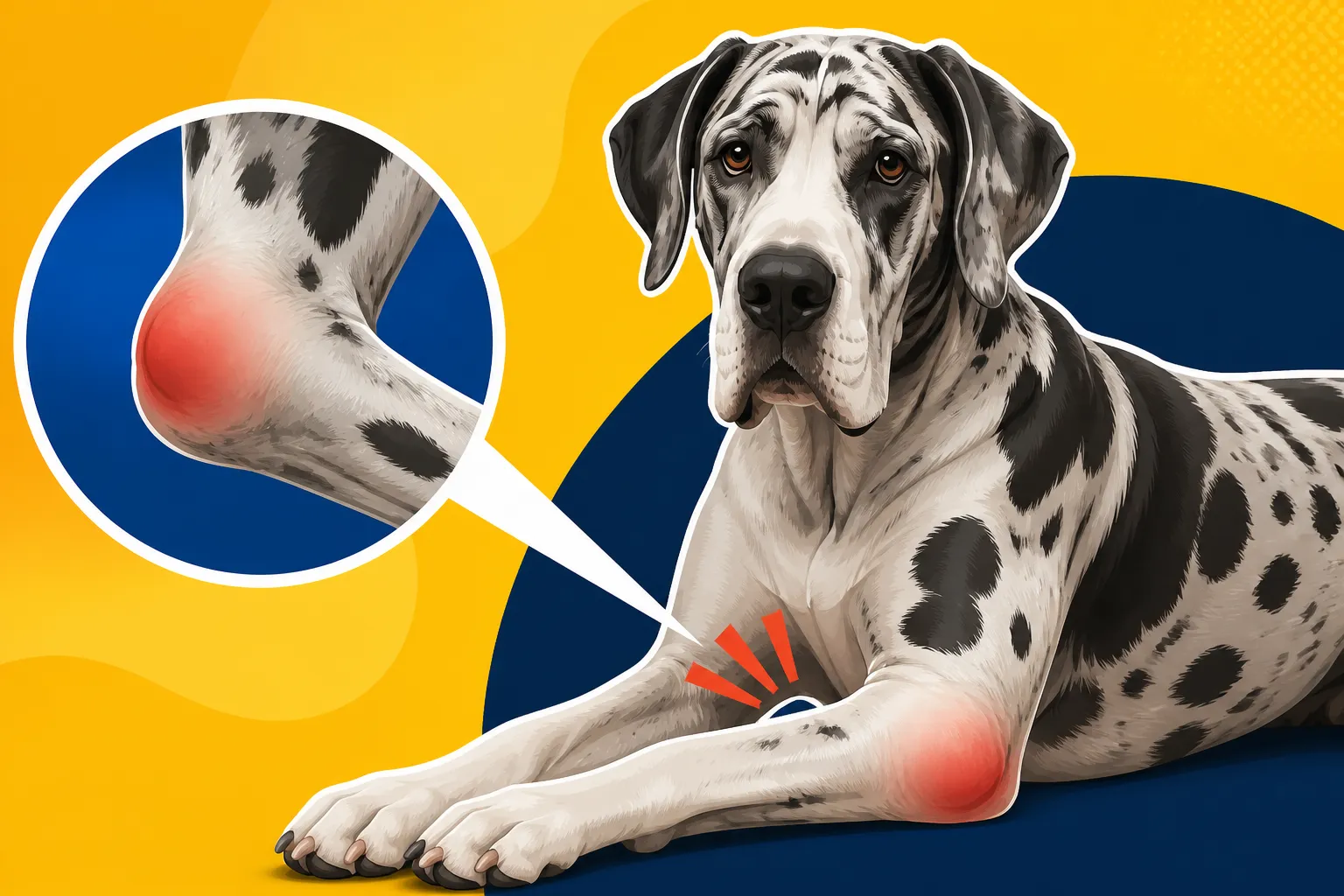
Perhaps the most common reason for a swollen elbow in a Great Dane is an elbow hygroma. This isn't a joint problem in the traditional sense, but rather a fluid-filled sac that forms under the skin, usually over the bony point of the elbow (the olecranon). It happens when the elbow experiences repeated trauma from lying on hard surfaces. The body tries to protect the area by creating a fluid-filled cushion, much like a blister forms to protect rubbed skin.
Hygromas typically start as small, soft swellings, almost like a water balloon under the skin. Over time, if the repeated trauma continues, they can grow quite large, sometimes reaching the size of a golf ball or even a baseball. They're often painless unless they become infected or rupture. While usually benign, a large hygroma can restrict movement, and an infected one can be serious, causing significant pain, lameness, and systemic illness. Management often involves changing bedding and sometimes drainage or surgery, especially if it's open or infected. Understanding Elbow Hygromas on a Great Dane is essential for any owner.
Osteochondritis Dissecans OCD and Other Developmental Issues
Beyond hygromas, Great Danes are unfortunately susceptible to developmental orthopedic diseases, with Osteochondritis Dissecans (OCD) being a significant concern. OCD is a condition where the cartilage in a joint doesn't develop properly, leading to a flap of cartilage detaching from the underlying bone. This flap can irritate the joint, cause pain, and lead to swelling. It’s a condition of young, rapidly growing large breed dogs, typically appearing between 4 to 12 months of age, which directly relates to the concept of Growth Disorders in a Great Dane Puppy.
Elbow dysplasia is a general term encompassing several inherited conditions that lead to malformation of the elbow joint. This can include an ununited anconeal process, fragmented coronoid process, or osteochondrosis (the precursor to OCD). These conditions cause improper alignment and increased stress within the joint, leading to pain, lameness, and chronic inflammation, which manifests as swelling. The onset is usually during the crucial growing period, often around the time a Great Dane might experience Growing Pains in a Great Dane at Eight Months. These issues require careful veterinary assessment, often involving X-rays or more advanced imaging, and can necessitate surgical correction to prevent long-term damage and severe arthritis.
Arthritis and Degenerative Joint Disease
As Great Danes age, or if they've suffered from developmental orthopedic issues or injuries in their youth, arthritis (also known as degenerative joint disease or osteoarthritis) becomes a very real and often painful reality. Arthritis is essentially the progressive breakdown of the cartilage that cushions the joints. Without this smooth cartilage, bones rub against each other, causing inflammation, pain, and, you guessed it, swelling.
This condition is incredibly common in senior Great Danes, contributing to why The Great Dane Years That Count as Senior often come with increased vet bills and daily management challenges. The swelling associated with arthritis might be more subtle than a hygroma, often appearing as a general thickening of the joint rather than a distinct fluid-filled sac. It tends to be worse after rest and improves slightly with gentle movement. While arthritis can't be cured, it can be managed effectively with a combination of medication, physical therapy, weight management, and joint supplements. Brands like Healthy Paws, for example, offer pet insurance plans that can help cover the ongoing costs of arthritis management, which can be significant for a giant breed.
Here's a quick comparison of common elbow swelling causes:
| Cause | Typical Onset Age | Swelling Type | Pain Level (Untreated) | Primary Trigger |
|---|---|---|---|---|
| Hygroma | Any age, often young | Soft, fluid-filled sac | Low (unless infected) | Repeated trauma from hard surfaces |
| Elbow Dysplasia/OCD | 4-12 months | Joint thickening, generalized | Moderate to High | Genetic predisposition, rapid growth |
| Arthritis | Senior dogs, or secondary to injury/dysplasia | Generalized joint thickening | Moderate to High | Wear & tear, previous injury/disease |
| Trauma/Injury | Any age | Acute, localized or generalized | High | Falls, impacts, sudden movements |
| Infection | Any age | Acute, hot, very painful | High | Wound, puncture, compromised immune system |
Recognizing the Signs and Symptoms
Catching a swollen elbow early can make a significant difference in treatment outcomes and your Great Dane's comfort. Since our gentle giants can't tell us what's wrong, it’s up to us to be diligent observers of their physical state and behavior.
Visual Cues of Swelling
The most obvious sign is, of course, the swelling itself. With a hygroma, you might see a distinct, usually round or oval-shaped lump directly over the point of the elbow. It might feel soft and squishy, like a water balloon, or if it's been there for a while, it could be firmer. The skin over it might appear stretched or hairless due to the pressure.
For other conditions like elbow dysplasia or arthritis, the swelling might be less defined. Instead of a distinct lump, you might notice a general thickening of the joint, making it appear less refined than the healthy elbow. Sometimes, you'll see a loss of muscle mass around the shoulder and upper leg, as the dog tries to avoid putting weight on the painful limb. Compare both elbows – often, one will look noticeably larger or differently shaped than the other. Pay attention to any redness or warmth around the area, which can indicate inflammation or infection.
Behavioral Changes and Pain Indicators
Beyond what you can see, your Great Dane will often communicate their discomfort through changes in their behavior. Lameness or limping is a primary indicator. This might be subtle at first – a slight head bob while walking, a reluctance to put full weight on the leg, or a decreased desire to play or go for walks. You might notice them favoring the limb, trying to walk on three legs, or shifting their weight more onto their other legs.
A Great Dane with elbow pain might also struggle to get up from a lying position, especially after a nap. They might be reluctant to climb stairs, jump into the car, or even lie down comfortably. Some dogs will constantly lick or chew at the affected area, indicating irritation. They might become more withdrawn, less enthusiastic about food, or even growl or snap if you try to touch their painful elbow. These are all critical signals that your gentle giant needs help. Don't dismiss these as simply Arthritis in a Six-Year-Old Great Dane or just "getting old"; they warrant a vet visit.
Diagnosis and Veterinary Intervention
When you suspect an elbow issue, a trip to the vet is non-negotiable. They have the tools and expertise to accurately diagnose the problem and recommend the best course of action. Delaying can lead to worsening conditions and more complex treatments down the line.
The Vet Visit: What to Expect
When you bring your Great Dane in for a swollen elbow, your veterinarian will start with a thorough physical examination. This will involve observing your dog's gait, feeling the affected joint, and gently manipulating the leg to assess range of motion, pain response, and stability. They'll also check for any heat, redness, or signs of infection. Be prepared to provide a detailed history: When did you first notice the swelling? Has it changed in size or appearance? Is your dog limping? Has there been any trauma? What kind of bedding does your dog use? All these details, even seemingly small ones, can help your vet narrow down the possibilities.
For conditions like hygromas, the diagnosis can often be made on visual and tactile examination alone. However, to rule out infection or other underlying issues, your vet might recommend aspirating some fluid from the swelling to analyze it. For deeper joint issues like dysplasia or arthritis, more advanced diagnostics will likely be necessary.
Imaging and Other Diagnostic Tools
To get a clearer picture of what's happening inside the joint, your vet will usually recommend imaging. X-rays are the most common initial diagnostic tool. They can reveal bone changes associated with arthritis, developmental abnormalities like fragmented coronoid processes or ununited anconeal processes, and sometimes even the distinct cartilage flaps of OCD. Multiple views of both elbows are often taken to allow for comparison.
In some cases, especially when X-rays are inconclusive or a more detailed view of soft tissues and cartilage is needed, your vet might recommend more advanced imaging techniques. These could include a CT scan (Computed Tomography) or an MRI (Magnetic Resonance Imaging). These provide incredibly detailed cross-sectional images that can pinpoint subtle issues not visible on standard X-rays. For severe or complex cases, referral to a veterinary orthopedic specialist might be suggested, as they have specialized equipment and expertise in diagnosing and treating these conditions. While these diagnostics can add to your vet bills, a good pet insurance plan from providers like Healthy Paws can be a lifesaver, helping to offset the cost of comprehensive care.
Management and Treatment Options
Once a diagnosis is made, your vet will work with you to create a treatment plan tailored to your Great Dane's specific condition, age, and overall health. The goal is always to alleviate pain, reduce swelling, and improve your dog's quality of life.
Conservative Approaches and Home Care
For simpler issues like uncomplicated hygromas, conservative management is often the first line of defense. This primarily involves preventing further trauma to the elbow. Switching to plush, orthopedic bedding is crucial. Memory foam beds or thick, well-padded dog beds can make a huge difference. You might also need to use elbow pads or protective sleeves, especially if your dog is particularly active or insists on lying on hard surfaces despite comfortable bedding. Applying warm compresses can help reduce inflammation, and your vet might prescribe anti-inflammatory medications to manage pain and swelling. If the hygroma is large and causing discomfort, your vet may drain it, though this is often a temporary solution as fluid tends to reaccumulate if the underlying cause (trauma) isn't addressed. It's about Treating a Great Dane Hygroma Before It Opens and becomes infected.
For mild cases of arthritis or developmental issues that aren't severe enough for surgery, conservative management also focuses on pain control, reducing inflammation, and supporting joint health. This can include non-steroidal anti-inflammatory drugs (NSAIDs), joint supplements containing glucosamine, chondroitin, and MSM, and controlled exercise. Physical therapy, including hydrotherapy or specific exercises to build muscle around the joint, can also be incredibly beneficial.
Surgical Solutions for Severe Cases
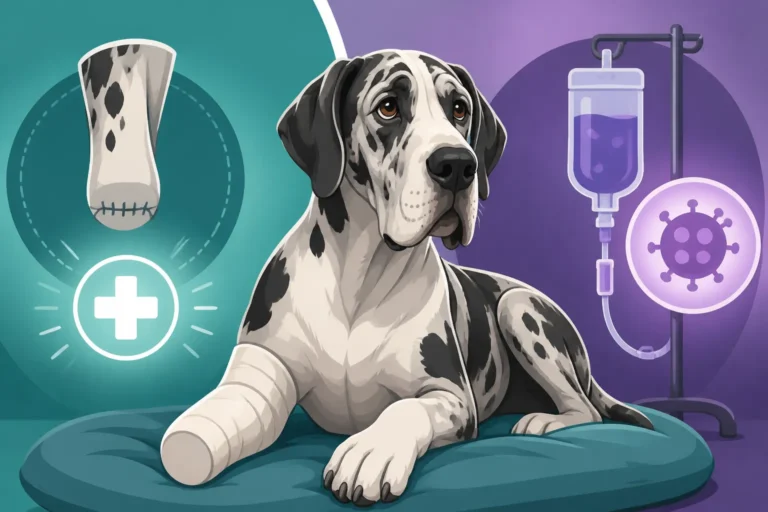
When conservative measures aren't enough, or if the condition is severe from the outset, surgery may be the best option. For elbow hygromas, surgical removal or marsupialization (creating a permanent opening to allow drainage) might be recommended, especially if the hygroma is very large, recurrent, or infected. This is a more definitive solution, but careful post-operative care, including continued use of soft bedding and elbow protection, is essential to prevent recurrence.
For developmental conditions like severe OCD or elbow dysplasia, various surgical procedures can correct the underlying anatomical defects. This might involve arthroscopic surgery to remove cartilage flaps or fragments, or more complex osteotomies (bone cutting procedures) to improve joint alignment. These surgeries are highly specialized and often performed by board-certified veterinary orthopedic surgeons. While recovery involves a period of restricted activity and rehabilitation, these interventions can significantly improve long-term comfort and joint function. Such significant procedures are a prime example of why insuring your Great Dane with a provider like Healthy Paws can provide peace of mind, as surgical costs can quickly escalate.
Long-Term Support and Prevention Strategies
Regardless of the initial treatment, ongoing management and preventative measures are vital for Great Danes with elbow issues. Weight management is paramount; even a few extra pounds can add significant stress to already compromised joints. Keeping your Great Dane lean, especially when they're older, is one of the most impactful things you can do for their joint health. This ties into the discussion of Whether a Great Dane Puppy Should Be Kept Lean from the beginning of their lives.
Long-term use of joint supplements, prescribed by your vet, can help support cartilage health. Regular, moderate exercise keeps the muscles supporting the joints strong without overstressing them. Avoid high-impact activities, especially on hard surfaces. Continuous vigilance over their bedding and ensuring they have soft places to rest is a simple but incredibly effective preventative measure, especially for hygromas. For chronic conditions like arthritis, periodic vet check-ups will allow your vet to adjust medications and management strategies as needed to keep your Great Dane as comfortable as possible.
Preventing Elbow Swelling: Proactive Steps for Great Dane Owners
While some conditions are genetic and can't be entirely prevented, there's a lot you can do as a Great Dane owner to minimize the risk of elbow swelling and promote lifelong joint health. Proactive care starts the day you bring your puppy home.
Proper Nutrition for Joint Health
Nutrition plays a pivotal role in the healthy development of a Great Dane's joints. During their rapid growth phase, it's absolutely critical to feed a large breed puppy food that is specifically formulated for their needs. These foods typically have a controlled calcium-to-phosphorus ratio and a lower calorie density compared to regular puppy foods. Why? Because too much calcium or excessive calories can lead to overly rapid growth, which puts immense stress on developing bones and joints, increasing the risk of developmental orthopedic diseases like elbow dysplasia and OCD.
Consult with your veterinarian about the best food for your Great Dane puppy and how long they should remain on a puppy or large breed growth formula. Avoid supplements like extra calcium, as this can do more harm than good. For adult Great Danes, maintaining an ideal body weight through a balanced diet is key. Obesity significantly exacerbates joint problems, turning a manageable ache into debilitating pain. Ensuring they get the right nutrients without overfeeding is a cornerstone of joint health.
Creating a Joint-Friendly Environment
This is one of the easiest and most effective ways to prevent elbow hygromas and reduce the impact of other joint issues. Invest in high-quality, orthopedic dog beds. Think thick memory foam, supportive poly-fill, or even a human mattress if that's what your Dane prefers. Provide multiple soft resting spots throughout your home, especially where your Great Dane naturally chooses to lie down. Avoid hard surfaces like tile, concrete, or hardwood floors as much as possible for prolonged resting.
For Great Danes who love to sprawl, consider placing soft rugs or runners in their favorite spots. If your dog spends time outdoors, ensure they have access to soft, shaded areas for napping, rather than concrete patios. If you notice your dog still trying to lie on hard floors, gently guide them to a soft bed. It sounds simple, but consistent effort in creating a soft landing for those elbows can save you a lot of heartache (and vet bills) down the road. This is precisely why considering Bedding That Prevents Great Dane Hygromas should be high on your priority list.
Regular Exercise and Weight Management
Appropriate exercise is essential for building and maintaining strong muscles that support the joints, but for a Great Dane, "appropriate" is the key word. During puppyhood, avoid forced, high-impact exercise like long runs, jumping, or intense agility training. Their growth plates are still open and vulnerable to injury. Instead, focus on short, frequent walks and controlled playtime on soft surfaces. Allow your puppy to self-regulate their activity.
As adults, regular, moderate exercise like leash walks, swimming, or light hiking can keep joints flexible and muscles strong. However, avoid extremes. Great Danes are not typically marathon runners. Listen to your dog and adjust activity levels based on their comfort. Most importantly, maintain a healthy weight. A lean Great Dane experiences far less stress on their joints than an overweight one. Regularly assess your dog's body condition – you should be able to easily feel their ribs without seeing them prominently, and they should have a discernible waist. If you're unsure about their ideal weight or exercise routine, your vet can provide personalized guidance.
When to Seek Emergency Care
While many elbow issues can be managed with scheduled veterinary visits, there are certain signs that warrant immediate emergency attention. Recognizing these critical symptoms can make all the difference in your Great Dane's prognosis.
Acute Swelling and Sudden Lameness
If your Great Dane suddenly develops acute, rapid swelling in one or both elbows, especially if accompanied by sudden, severe lameness (where they can barely put weight on the leg), it's an emergency. This could indicate a fracture, a severe soft tissue injury like a torn ligament, a joint luxation (dislocation), or an acute infection.
An acute injury can be incredibly painful for such a large dog. You might notice them crying out, refusing to move, or struggling to bear any weight. Even if you don't recall a specific trauma, an underlying issue could have predisposed them to injury. Don't wait to see if it improves; immediate veterinary evaluation is crucial to assess the extent of the damage and prevent further complications. Remember that these large breeds can mask pain, so even a slight but sudden change needs to be taken seriously.
Signs of Infection or Severe Pain
An infected hygroma or a septic joint (an infection within the joint capsule) is a serious, life-threatening condition that requires immediate veterinary care. Signs of infection include the swollen area feeling hot to the touch, visible redness or discoloration of the skin, pus or discharge from the swelling, a foul odor, and systemic signs like fever, lethargy, loss of appetite, or vomiting.
If your Great Dane is showing signs of severe, unmanageable pain—such as persistent vocalization, panting excessively, trembling, refusing to lie down, or exhibiting aggression when the area is approached—it's an emergency. Uncontrolled pain can lead to shock and further complications. Your vet will need to identify the source of the infection and start appropriate antibiotic treatment, potentially along with pain management and surgical intervention to drain any abscesses. These types of emergencies are exactly why a robust pet insurance policy, such as those offered by Healthy Paws, can be invaluable for Great Dane owners, helping to cover unexpected and often costly urgent care.
Disclaimer
This article is intended for informational purposes only and does not constitute veterinary advice. Always consult with a qualified veterinarian for any health concerns or before making any decisions about your Great Dane's health or treatment plan.