The Seven to Ten Year Great Dane Lifespan
It's a truth that hits every Great Dane owner right in the heart: these magnificent, loving giants, despite their immense size, often don't get to grace our lives for as long as we wish. The average Great Dane lifespan hovers heartbreakingly around seven to ten years, a far cry from the decade-plus many smaller breeds enjoy. This reality means every day with your gentle giant is precious, and understanding their unique health challenges is paramount. This guide is here to shed light on why their lives are often shorter, what health issues frequently arise, and most importantly, how you can support your Great Dane to live their fullest, healthiest life within that cherished timeframe.
Understanding the Typical Great Dane Lifespan (7-10 Years)
When you welcome a Great Dane into your home, you're not just getting a dog; you're getting a family member whose presence fills a room and a heart. But along with that immense love comes the sobering understanding that your time together might be shorter than with other breeds.
The Heartbreaking Reality of a Shorter Life
It's a common lament among Great Dane owners: they grow up so fast, and then they're gone too soon. This isn't just sentimentality; it's a stark reality backed by statistics. While a small terrier might live to be fifteen or even eighteen, the typical Great Dane lifespan of seven to ten years means many owners face goodbye far earlier than they ever anticipated. This profound emotional impact is a significant part of Great Dane ownership, shaping how we cherish every moment.
Falling in love with a Great Dane is easy – their goofy charm, gentle nature, and imposing yet affectionate demeanor are captivating. However, the clock seems to tick faster for them. Knowing this from the outset doesn't make it any easier, but it does underscore the importance of understanding their needs and making their years with you as rich and healthy as possible. The range of 7-10 years is an average, and sadly, many don't even reach the upper end of that spectrum, while a precious few might nudge slightly beyond.
Why Great Danes Age Faster Than Smaller Breeds
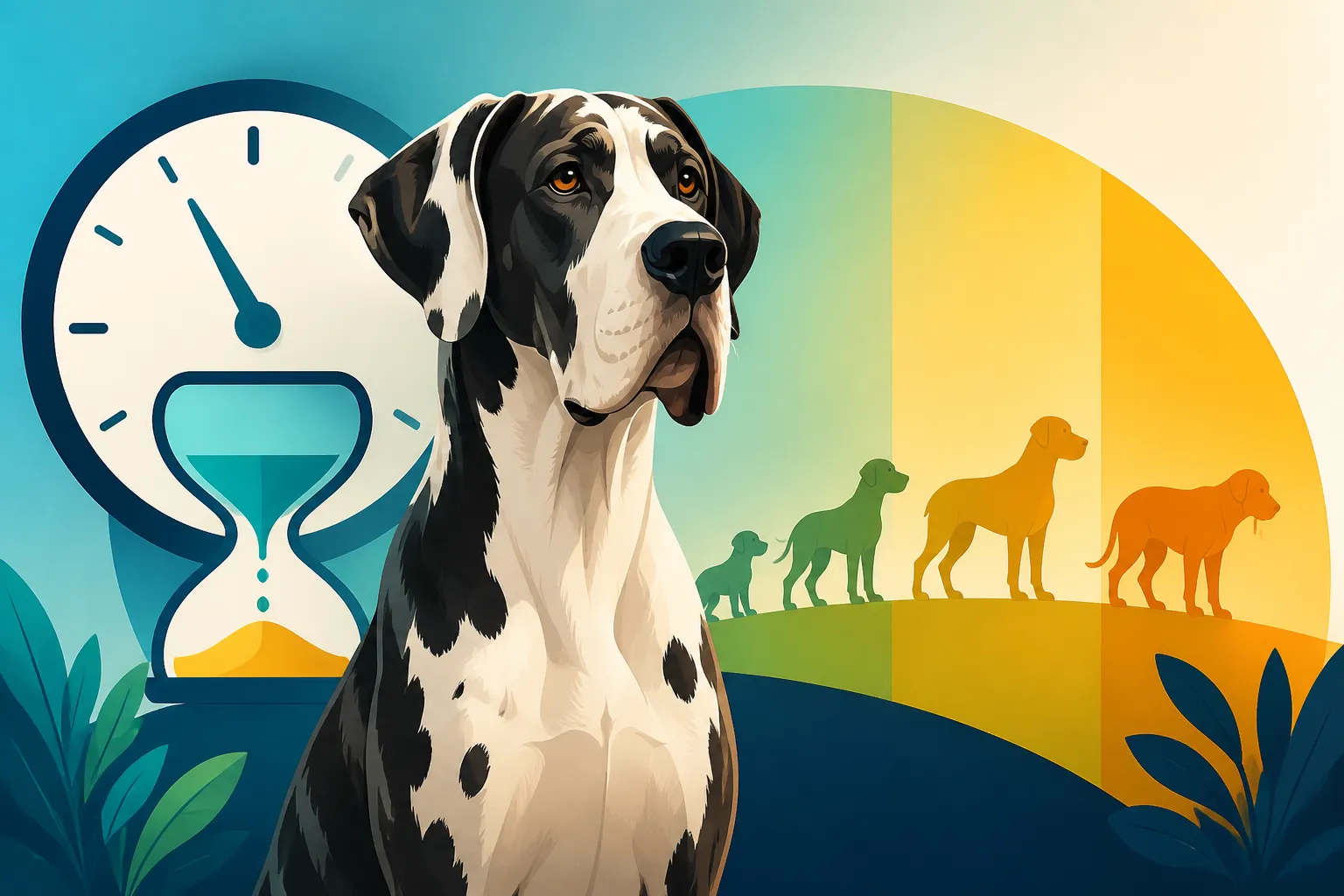
The concept of "dog years" isn't a perfect science, but it holds a particular truth for giant breeds like the Great Dane. They simply age at an accelerated rate compared to their smaller canine counterparts. This isn't an arbitrary fate; it's rooted in their biology and the sheer scale of their growth and bodily functions.
Scientists and veterinarians have long observed that larger dogs tend to have shorter lifespans. This phenomenon is often attributed to several factors. For one, Great Danes undergo an incredibly rapid growth spurt in their first year, going from tiny puppies to massive adults. This intense growth puts a tremendous strain on their developing bodies, from their bones and joints to their organs and cellular structures. You can dive deeper into this topic by reading Why a Great Dane Ages Faster Than Smaller Dogs.
This rapid development and maintenance of such a large physique mean their cells are working harder, their metabolic rate is high, and subsequently, their cells may experience more wear and tear and oxidative stress over a shorter period. It's like a high-performance engine that burns through its lifespan more quickly than a smaller, less strenuous one. Their systems are simply under more physiological strain, leading to an earlier onset of age-related diseases and a quicker decline in overall health.
Major Health Challenges Shortening Great Dane Lives
The relatively short lifespan of Great Danes is tragically linked to a predisposition for certain severe health conditions. Being aware of these, and understanding how to recognize and manage them, is crucial for any Great Dane owner.
The Ever-Present Threat of Bloat (GDV)
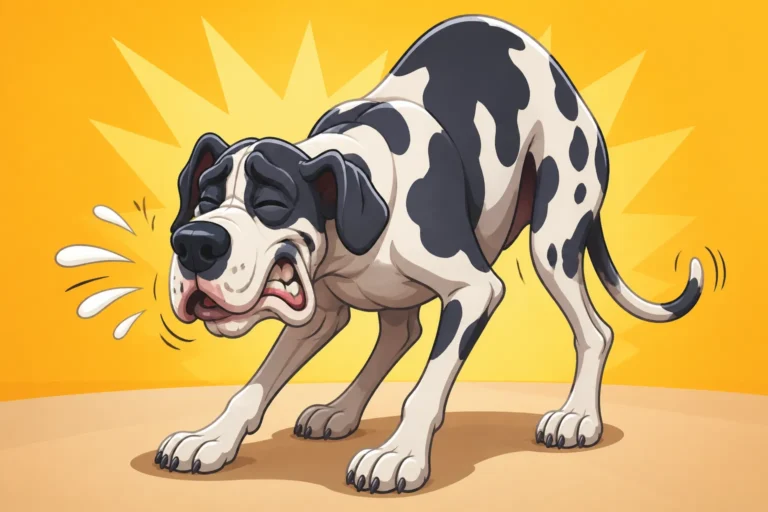
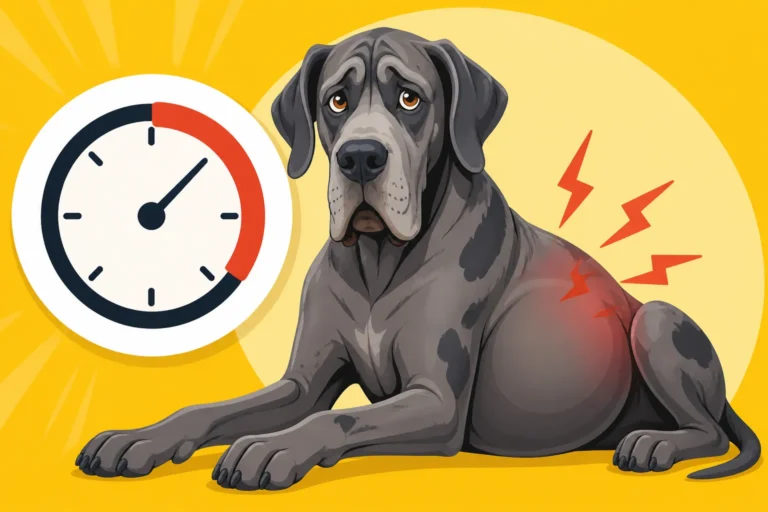
Gastric Dilatation-Volvulus, commonly known as bloat, is every Great Dane owner's nightmare. It's a sudden, life-threatening emergency where the stomach fills with gas and twists on itself, cutting off blood supply. This condition can strike without warning and progress incredibly fast, often being fatal if not treated within hours. The statistics are chilling; as many as Bloat in a Great Dane and the One in Three Odds will experience bloat in their lifetime.
The symptoms are terrifyingly distinct once you know what to look for. Your Dane might be pacing restlessly, attempting to vomit but producing nothing, drooling excessively, or have a visibly distended abdomen. They'll show signs of extreme discomfort and pain. Recognizing The Signs of a Great Dane Stomach Twisting immediately is not just important; it's the single most critical factor in your dog's survival. Time is absolutely of the essence, and knowing What to Do the Minute a Great Dane Bloats is key.
Many Great Dane owners opt for a preventive surgery called gastropexy, where the stomach is tacked to the abdominal wall to prevent it from twisting. While it doesn't prevent the stomach from dilating with gas, it dramatically reduces the risk of the fatal volvulus. This procedure significantly impacts the Lifetime Bloat Risk in a Great Dane and is a serious consideration for all owners of this deep-chested breed.
Dilated Cardiomyopathy (DCM) – A Silent Killer
Another devastating condition that frequently impacts the Great Dane lifespan is Dilated Cardiomyopathy, or DCM. This heart disease weakens and enlarges the heart muscle, making it less efficient at pumping blood throughout the body. It’s a progressive disease, and unfortunately, Great Danes are highly predisposed to it, often making it The Heart Muscle Disease Great Danes Are Prone To.
DCM can be particularly insidious because it often progresses without obvious symptoms for a long time. Owners might not notice anything until the disease is quite advanced, making early diagnosis challenging. Subtle signs like a slight decrease in exercise tolerance, a soft cough, or increased sleeping might be dismissed as normal aging until more severe symptoms, such as labored breathing, fainting, or fluid retention, emerge. Understanding Early Heart Signs in a Great Dane can be incredibly valuable for early intervention.
Once symptoms appear, the prognosis can be guarded, and management often involves a lifelong regimen of expensive medications to improve heart function and quality of life. Regular cardiac screenings, including echocardiograms, are crucial for early detection in a breed so susceptible to this condition. The cost of managing DCM can be substantial, which is why many proactive owners find peace of mind with a robust pet insurance plan. Providers like Healthy Paws, for instance, can help offset the significant expenses associated with such chronic conditions, allowing you to focus on your Dane's care rather than the financial strain.
Bone Cancer and Other Malignancies
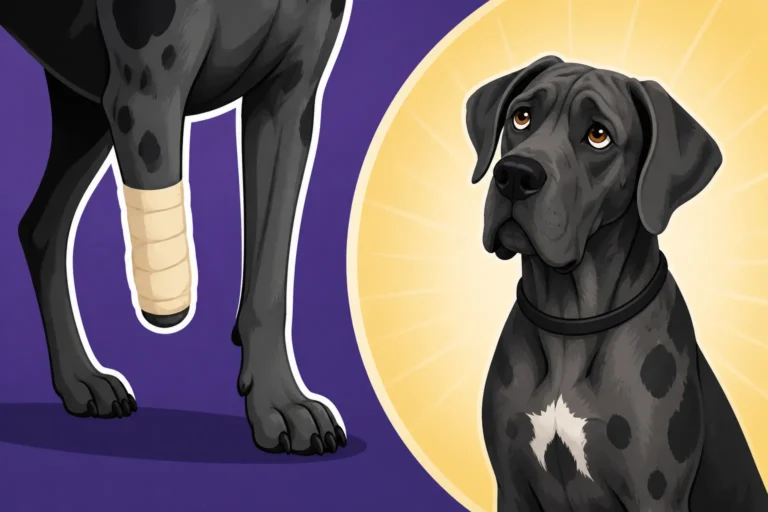
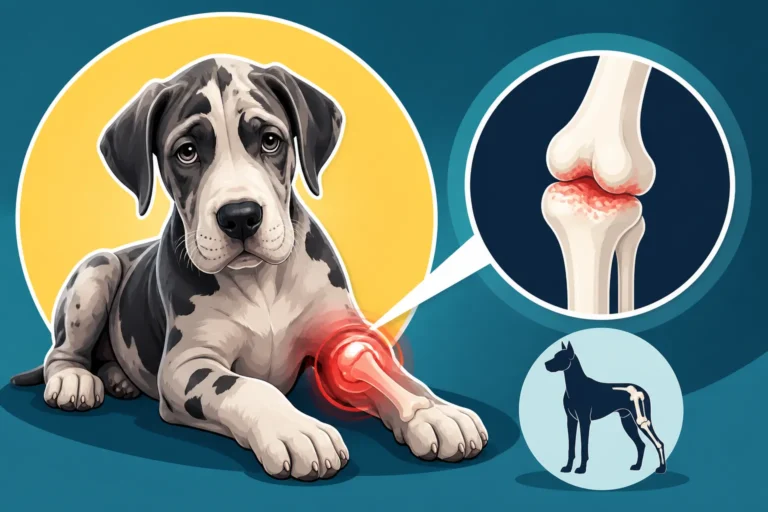
Cancer is another major factor contributing to the shorter lifespan of Great Danes, with osteosarcoma, a highly aggressive bone cancer, being particularly prevalent. This devastating disease typically affects the long bones of the limbs and is agonizingly common in giant breeds. It's heartbreaking to know that Bone Cancer in a Great Dane often strikes in their middle to later years, often when they are just reaching their prime or entering their senior stage. It's not uncommon for The Age Bone Cancer Hits a Great Dane to be around 6 to 8 years old.
The signs of osteosarcoma can include persistent lameness that doesn't improve, swelling or a palpable lump on a limb, or even a sudden fracture of a bone that feels weak due to the tumor. The disease is aggressive, and despite treatments like amputation and chemotherapy, the prognosis is often poor, leaving owners with incredibly difficult decisions about their beloved pet's quality of life.
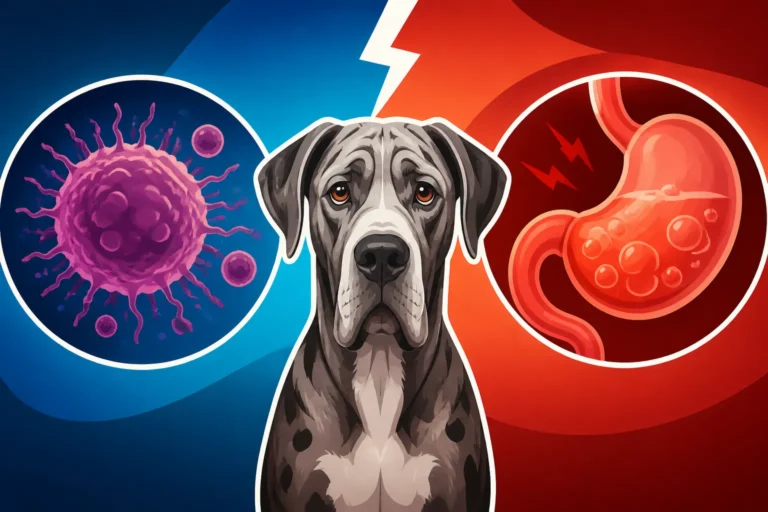
Beyond osteosarcoma, Great Danes can also be susceptible to other forms of cancer, including lymphoma and hemangiosarcoma, though perhaps less frequently discussed than the big three of bloat, DCM, and osteosarcoma. The high incidence of various cancers, alongside the acute threat of bloat and the chronic progression of DCM, contributes significantly to the heartbreakingly short lives many Great Danes lead. This cluster of serious health issues often leads to the question of Whether Cancer or Bloat Takes More Great Danes, underscoring the severe health risks these dogs face.
Proactive Steps for a Healthier, Happier Great Dane Life
While we can't completely rewrite a Great Dane's genetic predisposition or extend their natural lifespan indefinitely, we can take significant, proactive steps to maximize their health, comfort, and happiness during the years we have with them.
Prioritizing Preventative Veterinary Care
The cornerstone of supporting a Great Dane's health is a strong partnership with your veterinarian, focusing heavily on preventative care. Given their propensity for serious conditions like bloat and DCM, regular veterinary check-ups aren't just routine; they're vital for early detection and intervention. These aren't just quick vaccine appointments; they should be thorough examinations, with your vet paying close attention to any subtle changes in your Dane's physical condition or behavior.
Beyond annual physicals, specialized screenings are non-negotiable for this breed. Regular cardiac evaluations, potentially including echocardiograms, are crucial to monitor heart health, especially for detecting DCM before it becomes symptomatic. Similarly, being proactive about understanding bloat risks and discussing preventive gastropexy with your vet can be life-saving. Many Great Dane owners find that a robust pet insurance plan, such as those offered by Healthy Paws, provides immense relief. Knowing that diagnostic tests, specialist consultations, and emergency treatments are largely covered can empower you to pursue the best possible care without constant financial worry.
Working with a veterinarian who has extensive experience with giant breeds is also incredibly beneficial. They understand the nuances of a Great Dane's physiology, their growth patterns, and their unique vulnerabilities. They can offer tailored advice on everything from appropriate exercise levels to specific warning signs to watch for, helping you to stay one step ahead of potential health challenges.
Tailored Nutrition and Thoughtful Exercise
Proper nutrition and a well-thought-out exercise regimen are foundational to a Great Dane's long-term health, especially given their rapid growth and eventual immense size. For puppies, it’s critical to feed a large-breed specific puppy food designed for slow growth. This type of food has carefully balanced calcium and phosphorus levels to prevent orthopedic problems that can arise from growing too quickly. Avoid the temptation to overfeed or add calcium supplements, as this can severely damage developing joints.
As adults, maintaining a lean body condition is paramount. Every extra pound puts undue stress on their joints, heart, and other organs, exacerbating conditions like arthritis or making them more susceptible to other health issues. Your vet can help you determine the ideal body condition score for your Dane.
When it comes to exercise, the key is moderation and consistency. Great Danes need regular, moderate activity to maintain muscle mass and joint health, but they are not endurance athletes. Long, strenuous runs or high-impact activities, especially during their growth phases, can be detrimental to their developing joints. Structured walks, safe off-leash play in secure areas, and perhaps even swimming are excellent ways to keep them fit without over-stressing their large frames. The goal is to wear them out mentally and physically without risking injury or excessive wear and tear on their precious, limited years.
Creating a Nurturing Home Environment
A Great Dane’s emotional and physical comfort within their home environment plays a significant role in their overall well-being and, by extension, their health and longevity. These gentle giants are deeply sensitive and thrive on routine, companionship, and a calm, predictable household. A stressed or anxious Great Dane may experience physical manifestations of that stress, so a nurturing home is key.
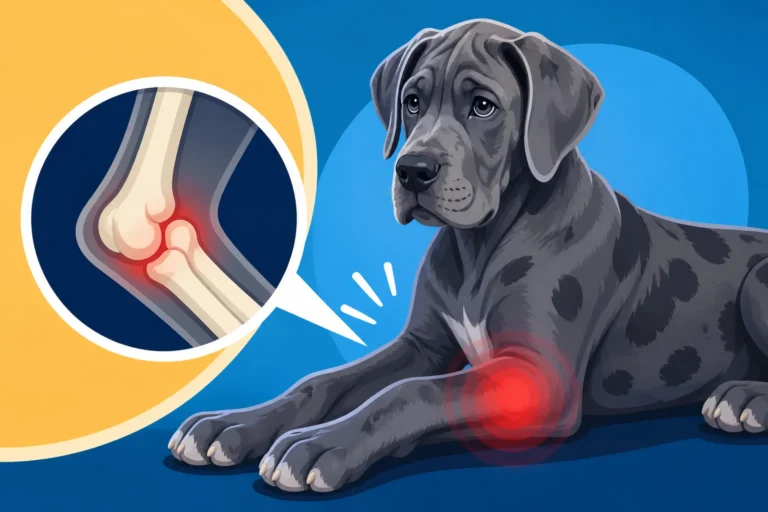
Providing adequate comfort and safety measures for their large size is also essential. This means investing in high-quality orthopedic bedding that cushions their joints and prevents pressure sores or conditions like Elbow Hygromas on a Great Dane. Hard floors can be tough on their joints, so consider runners or rugs in high-traffic areas to provide traction and reduce impact. Ensure they have easily accessible, sturdy food and water bowls, and a quiet, secure space where they can retreat and rest undisturbed.
A loving, stable home life significantly contributes to a Great Dane's happiness and, arguably, their ability to cope with any health challenges that may arise. Furthermore, the knowledge that you have planned for unforeseen circumstances, such as by having pet insurance from a reputable provider like Healthy Paws, can greatly reduce your own stress. This peace of mind allows you to fully focus on providing a warm, supportive, and safe environment for your cherished companion throughout their precious, albeit shorter, time with you.
Navigating the Senior Years with Your Beloved Dane
Even though their lifespan is shorter, Great Danes still experience a distinct senior phase, and recognizing and adapting to it is a vital part of their care. These "golden years" might arrive sooner than you expect, but they are incredibly precious.
Recognizing the Signs of Aging in Great Danes
Due to their accelerated aging process, Great Danes often show signs of becoming seniors earlier than many other breeds. Typically, The Great Dane Years That Count as Senior begin around 5 or 6 years old, not 7 or 8 as with smaller dogs. It's crucial for owners to understand this timeline so they can begin providing specialized senior care at the appropriate age.
As your Great Dane enters their senior phase, you'll likely start to notice subtle changes. Their once boundless energy might wane, replaced by longer naps and less enthusiasm for extended play. Stiffness after lying down, particularly in their hips or elbows, is common, and you might see a general slowing down on walks. Greying around the muzzle, changes in hearing or eyesight, altered sleep patterns, or even a slight shift in appetite or thirst can all be indicators that your beloved giant is transitioning into their older years.
It’s important not to dismiss these changes as "just old age." While some are normal, they can also be early warnings of underlying health issues that need veterinary attention. Paying close attention to these subtle shifts in behavior, mobility, and overall demeanor is paramount. Early detection of conditions like arthritis, declining organ function, or even cognitive changes can allow for interventions that significantly improve their quality of life during these precious final years.
Specialized Care for an Older Giant
Caring for an aging Great Dane requires a thoughtful adjustment of their routine and an even greater focus on their comfort and health. Their immense size, combined with the vulnerabilities that come with age, means they need specific considerations to navigate their senior years with dignity and as little pain as possible. This dedicated attention is what Caring for a Great Dane Past Six truly entails.
Veterinary care becomes even more critical in these later years. Regular senior health checks often include more comprehensive bloodwork to monitor organ function (kidneys, liver, thyroid), discussions about pain management for arthritis, and assessments for any cognitive decline. Your vet might recommend joint supplements, anti-inflammatory medications, or even physical therapy to help maintain their mobility. Adapting their home environment is also key: consider ramps for getting into cars or up stairs, non-slip surfaces, and easily accessible food and water bowls that don't require them to stoop too low.
Ultimately, specialized care for an older giant is about maintaining their quality of life. This means adapting exercise to shorter, more frequent gentle walks, ensuring their diet is suitable for senior dogs, and providing plenty of warmth and soft places to rest. It also means being attuned to their emotional needs, providing extra comfort and reassurance. During this time, the support of a comprehensive pet insurance plan, like those offered by Healthy Paws, can truly be a lifeline, ensuring you can afford the best possible diagnostic tests, medications, and treatments to keep your aging Dane comfortable and happy without the added stress of exorbitant vet bills.
Great Dane Health & Lifespan Snapshot
Here's a quick overview of some common health concerns that impact the Great Dane lifespan:
| Condition | Description | Impact on Lifespan | Key Symptoms | Prevention/Management |
|---|---|---|---|---|
| Bloat (GDV) | Stomach fills with gas and twists. | Acute & Potentially Fatal | Unproductive retching, distended belly, pacing, drooling, distress | Prophylactic gastropexy, multiple small meals, avoid exercise after eating |
| DCM | Weakening/enlargement of heart muscle. | Chronic & Progressive, Life-Shortening | Coughing, fatigue, fainting, difficulty breathing, fluid retention | Regular cardiac screenings (echocardiograms), medication, nutritional support |
| Osteosarcoma | Aggressive bone cancer. | Rapid & Often Fatal | Persistent lameness, swelling, pain in limb, sudden fracture | Early detection (X-rays), amputation, chemotherapy, pain management |
| Wobbler Syndrome | Spinal cord compression in neck. | Impacts Mobility & Quality of Life | Uncoordinated gait, weakness in hind legs, scuffing paws, neck pain | Specific breeding practices, surgery, medical management, harness use |
| Hip/Elbow Dysplasia | Malformation of joints. | Chronic Pain, Mobility Issues | Lameness, stiffness, reluctance to move, bunny hopping | Responsible breeding, controlled growth, joint supplements, weight management |
Disclaimer
The information provided in this guide is intended for educational purposes only and should not be considered a substitute for professional veterinary advice. Always consult with a qualified veterinarian for any health concerns or before making any decisions about your Great Dane's care and treatment. Individual results may vary, and no guarantee of specific outcomes is implied.