Whether Smaller Great Danes Live Longer
It's a heartbreaking truth for any Great Dane owner: our gentle giants don't often get to enjoy as many years with us as we desperately wish they would. We all look at the adorable little Chihuahuas trotting around well into their teens and can't help but wonder if there's a trick to extending our big dogs' lives. One common thought that crosses many minds is whether a slightly smaller Great Dane, perhaps a female at the lower end of the breed standard, might somehow defy the odds and live longer. This guide delves into that very question, exploring the nuances of size, genetics, and care to give you a realistic understanding of your Dane's lifespan.
The General Rule of Thumb: Size and Lifespan in Dogs
It’s an observation that’s as common as wagging tails: generally speaking, smaller dog breeds tend to have longer lifespans than their giant counterparts. This isn't just a coincidence; there's some solid biological reasoning behind it. Understanding this broad principle is the first step in addressing the specific question of Great Danes.
Why Bigger Dogs Age Faster
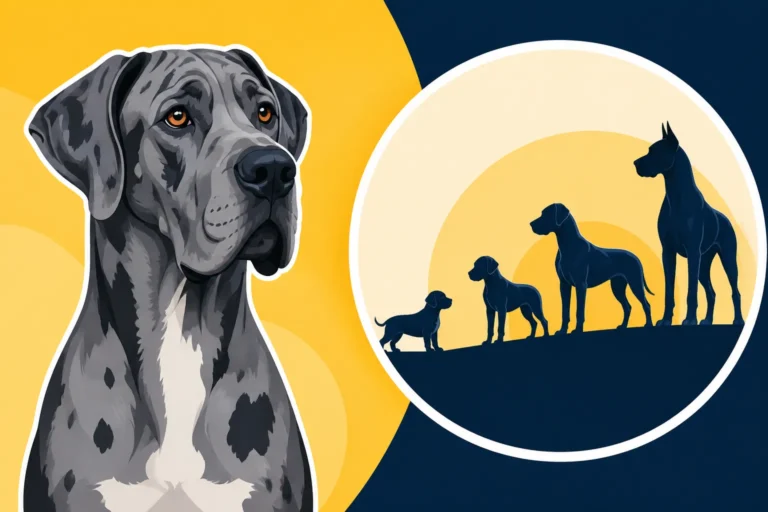
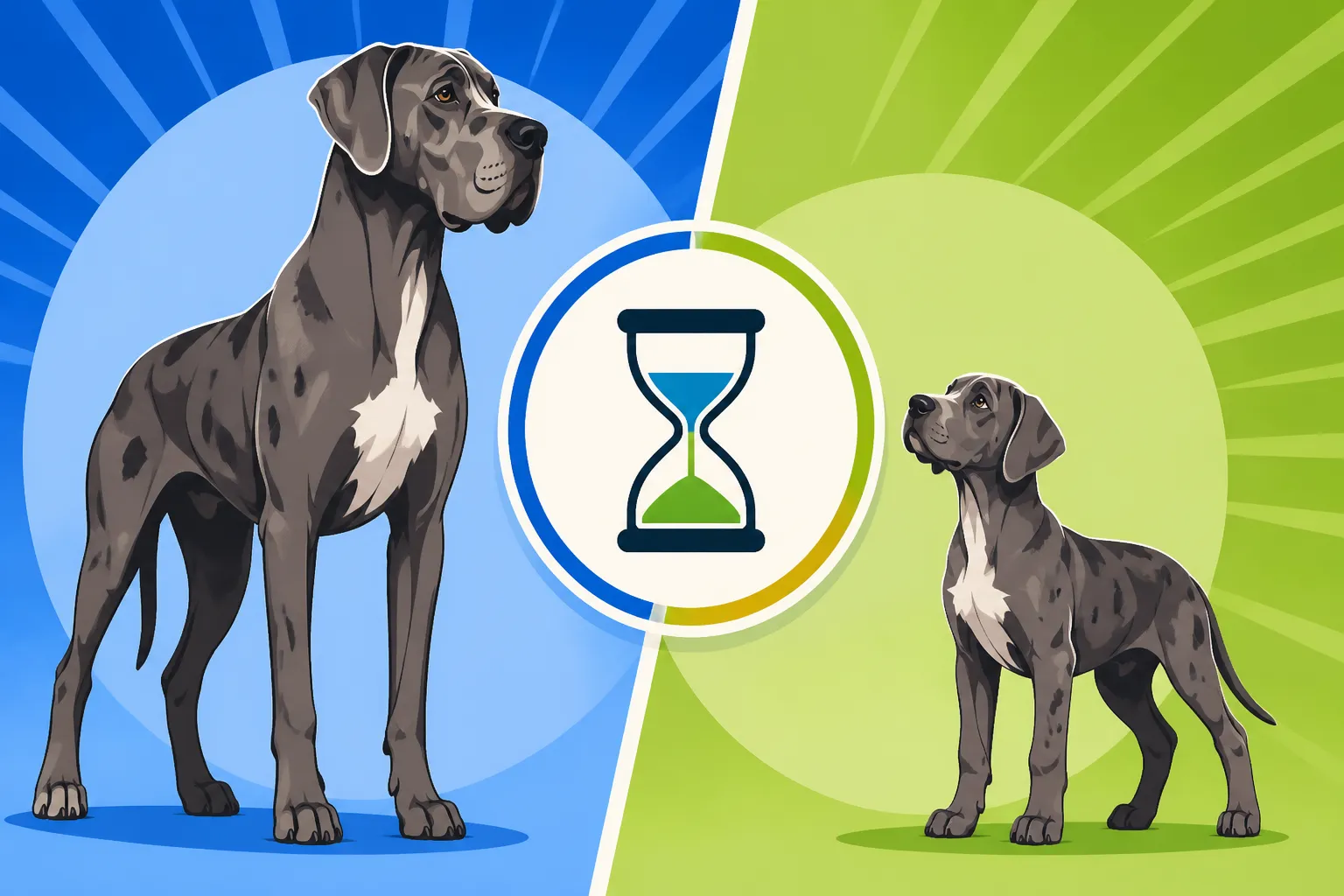
The science points to several factors that contribute to larger dogs having shorter lives. Primarily, it comes down to accelerated growth and a faster rate of aging at a cellular level. Giant breeds like the Great Dane experience an incredibly rapid growth phase during puppyhood. They go from tiny, floppy-eared pups to massive adults in a fraction of the time it takes smaller breeds to reach maturity. This rapid growth requires immense cellular activity and division, which can, unfortunately, lead to a higher accumulation of cellular damage and a faster onset of age-related diseases.
Think about it this way: a Great Dane puppy reaches half its adult weight by six months, and often continues filling out to two years old, while a toy poodle might take a year to reach its full size, and only grows to a fraction of the Dane's weight. This incredibly condensed growth period means their bodies are working overtime, and this accelerated pace seems to take a toll on their overall system, effectively burning through their years more quickly. We've discussed this in more detail when exploring Why a Great Dane Ages Faster Than Smaller Dogs.
The "Giant Breed" Conundrum
Great Danes are, without a doubt, the quintessential "giant breed." They are often affectionately called the "Apollo of Dogs," but this impressive stature comes with a significant trade-off in longevity. Their average lifespan hovers tragically around seven to ten years, which is a stark contrast to many small and medium breeds that can live for 12, 14, or even 16+ years. This shorter lifespan isn't due to one single catastrophic health issue, but rather a combination of factors common in giant breeds, including a higher predisposition to certain types of cancer, heart conditions like Dilated Cardiomyopathy (DCM), and the ever-present threat of bloat.
The reality is tough to swallow for any Great Dane enthusiast. We fall in love with their immense hearts and gentle nature, only to realize that our time with them is precious and often far too short. This "giant breed conundrum" is why so many owners look for any potential edge that might give their beloved companion a few extra years, leading them to ponder if a slightly smaller dog within the breed might be the answer.
Does a Smaller Great Dane Buck the Trend?
It's a logical leap, isn't it? If large dogs age faster, then perhaps a slightly less large Great Dane might age a little slower. While the thought is understandable, the reality is a bit more complex and doesn't offer a simple "yes" or "no" answer.
Defining "Smaller" in a Great Dane
When we talk about a "smaller" Great Dane, what exactly do we mean? Are we talking about a female, who by breed standard is typically a bit lighter and shorter than a male? A female Great Dane, for instance, typically stands at least 28 inches at the shoulder and weighs between 100-130 pounds, while a male is at least 30 inches and can easily be 140-175 pounds, or even more. Even at the lower end of the standard, a "small" Great Dane is still a profoundly large animal in the canine world.
Are we talking about a runty puppy from a litter, or perhaps a Dane that simply didn't grow to the upper limits of the breed standard? It's crucial to distinguish between a healthy, well-proportioned Dane that happens to be on the smaller side of the standard, and a dog that is small due to underlying health issues or poor nutrition. A "smaller" Great Dane that is healthy and robust is very different from one whose stunted growth is a symptom of something more serious, like some of the Growth Disorders in a Great Dane Puppy.
The anecdotal evidence suggests that dogs at the very top end of the size spectrum, those exceptionally tall or heavy Danes, might face additional challenges, but simply being on the lower end of the normal size range doesn't dramatically alter their genetic predisposition to the common ailments of the breed.
The Genetic Lottery vs. Size
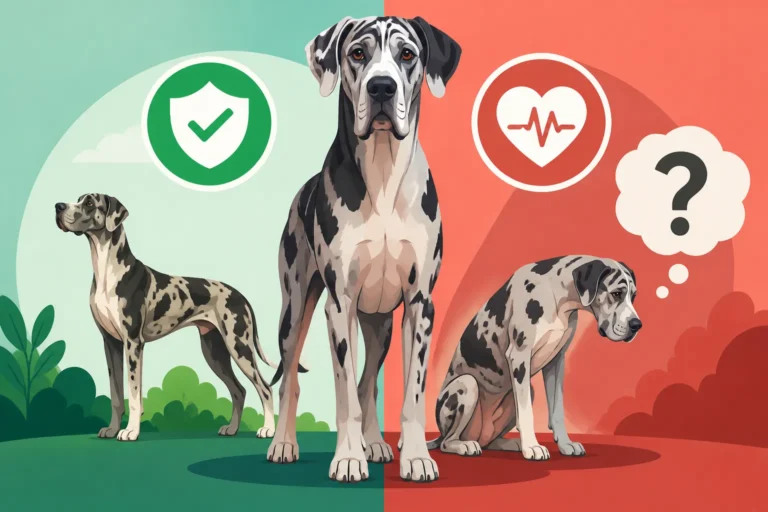
Ultimately, a Great Dane's lifespan is far more influenced by its genetic lottery and overall health management than by whether it falls a few inches shorter or a few pounds lighter within the acceptable breed standard. A smaller Great Dane is still a Great Dane, meaning it still carries the genetic predispositions of the breed.
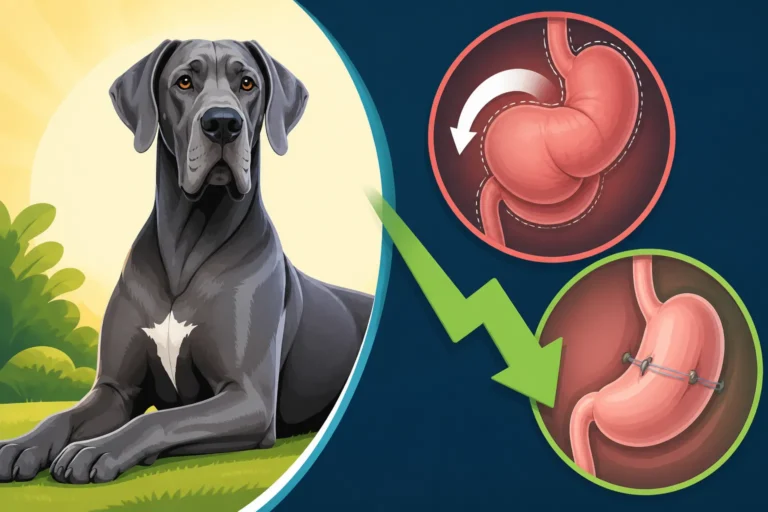
For example, bloat, or Gastric Dilatation-Volvulus (GDV), is a life-threatening condition disproportionately affecting deep-chested breeds like Great Danes. The deep chest cavity, which can be found in Danes of all sizes within the standard, is a primary risk factor. So, whether your Dane is 28 inches or 32 inches tall, the risk of bloat remains a significant concern, something we cover extensively in The Lifetime Bloat Risk in a Great Dane.
Similarly, Dilated Cardiomyopathy (DCM), a severe heart condition, doesn't discriminate based on whether a Dane is 140 pounds or 170 pounds. It's a genetic predisposition within the breed that can affect any Great Dane. So while a smaller breed of dog generally lives longer than a Great Dane, a smaller Great Dane within the breed isn't necessarily exempt from these intrinsic breed-specific health challenges.
The key takeaway here is that while being exceptionally large might add to the strain on a dog's body, being merely "smaller" within the breed's normal range doesn't fundamentally change the biological clock set by their genetic makeup as a giant breed.
Health Factors Beyond Sheer Size
While the size of a Great Dane might feel like an uncontrollable variable, there are many other, often more significant, factors that play a monumental role in their health and longevity. Focusing on these elements is where owners can truly make a difference.
The Impact of Breeding and Genetics
This is perhaps the single most crucial factor in a Great Dane's health prospects, far outweighing minor size differences. A Great Dane from a reputable breeder who prioritizes health will generally have a much better chance at a longer, healthier life, regardless of whether they end up being on the smaller or larger side of the standard.
What does responsible breeding entail? It means extensive health testing of both parent dogs. This includes:
- Cardiac screening: Regular echocardiograms and Holter monitoring to check for Dilated Cardiomyopathy (DCM), as recommended by the Great Dane Club of America (GDCA).
- Thyroid testing: To rule out hypothyroidism.
- Hip and Elbow evaluations: Using OFA or PennHIP certifications to assess joint health. While less common than in some other large breeds, Great Danes can still suffer from hip and elbow dysplasia.
- Eye examinations: To check for hereditary eye conditions.
When a breeder diligently screens their dogs and breeds only healthy individuals with good temperaments, they are actively working to minimize the genetic burden on their puppies. A well-bred Great Dane, even one that grows to be a majestic 170-pound male, often has better health foundations than a "smaller" Dane from a backyard breeder who skipped all health clearances. This is why understanding The Health Testing a Great Dane Breeder Owes You is so critical when choosing a puppy.
Lifestyle, Nutrition, and Veterinary Care
Beyond genetics, the daily care you provide profoundly impacts your Great Dane's quality of life and potentially its lifespan.
- Nutrition: Feeding a high-quality, large-breed specific diet is paramount, especially during the rapid growth phase. Great Dane puppies need food with carefully controlled calcium and phosphorus levels to prevent orthopedic problems. Overfeeding, or feeding regular puppy food, can lead to excessively rapid growth, which is detrimental to their developing joints. For adult Danes, maintaining a lean body condition is vital to reduce strain on their joints and organs. We constantly emphasize the importance of Keeping a Great Dane Lean for Its Joints.
- Exercise: While Great Danes are known for being relatively calm indoors, they still need regular, appropriate exercise. During puppyhood, this means avoiding strenuous, high-impact activities that can damage their growing bones. As adults, daily walks and playtime are essential for muscle tone and mental well-being.
- Veterinary Care: Regular check-ups are non-negotiable. Proactive veterinary care, including vaccinations, parasite prevention, and routine screenings, can catch issues early. For Great Danes, a preventive gastropexy (stomach tacking surgery) is often recommended to significantly reduce the risk of future fatal bloat episodes. This surgery can be a lifesaver and is a prime example of how proactive veterinary intervention can genuinely extend a Dane's life. Considering the high costs associated with veterinary emergencies, especially for a giant breed, having pet insurance like Healthy Paws can provide immense peace of mind. Knowing that you can afford critical treatments, whether it's an emergency bloat surgery or ongoing management for a heart condition, removes a huge burden and allows you to prioritize your dog's health without financial constraints. Healthy Paws is known for comprehensive coverage that can be a real game-changer for Great Dane owners.
Common Health Issues Affecting Great Dane Lifespan
As touched upon earlier, Great Danes are prone to specific health issues that largely dictate their lifespan, and these aren't necessarily mitigated by being on the smaller side of the breed.
| Health Issue | Description | Impact on Lifespan |
|---|---|---|
| Bloat (GDV) | Gastric Dilatation-Volvulus, where the stomach fills with gas and twists, cutting off blood supply. | Highly fatal if not treated immediately; leads to rapid death without emergency surgery. |
| Dilated Cardiomyopathy (DCM) | A heart muscle disease leading to an enlarged heart and reduced pumping function. | Progressive, often fatal heart failure; requires lifelong medication and careful management. |
| Osteosarcoma | Aggressive bone cancer, most commonly affecting the limbs. | Poor prognosis, painful; treatment (amputation, chemotherapy) extends life but is rarely curative. |
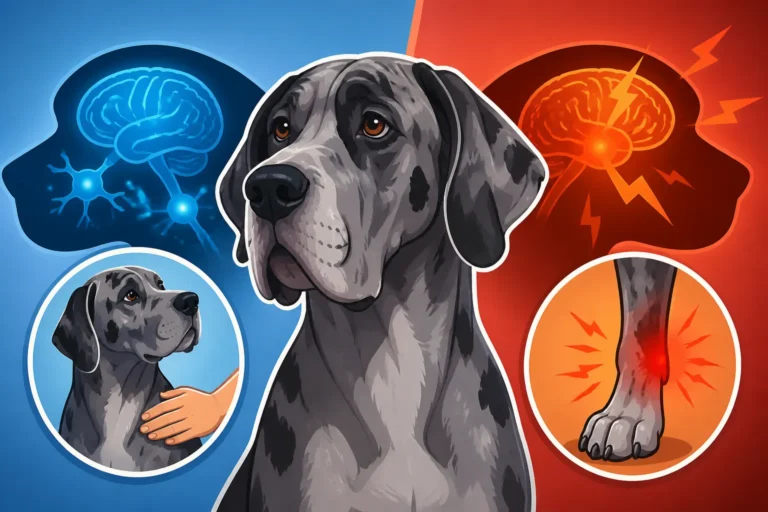
| Wobbler Syndrome | Cervical Spondylomyelopathy, a neurological condition affecting the neck and spinal cord. | Can cause severe neurological deficits, pain, and paralysis; management or surgery needed. |
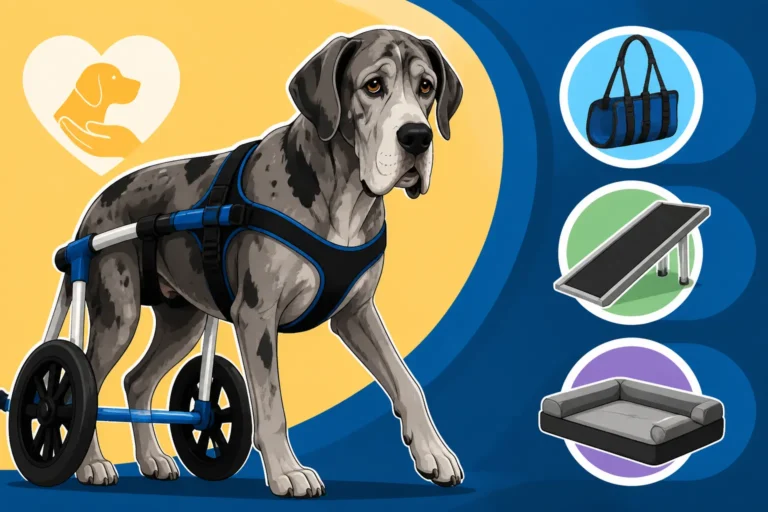
| Hip/Elbow Dysplasia | Malformation of joints, leading to arthritis and pain. | Reduces mobility and quality of life; can shorten lifespan if pain is unmanaged or leads to euthanasia. |
These conditions are unfortunately prevalent in the breed, regardless of whether a Great Dane is at the lower or upper end of the weight and height scale. This is why knowing What Great Danes Most Often Die Of is essential for all owners, so they can be vigilant and proactive.
For example, a Great Dane with a weak heart might benefit from early detection through regular screening, which Healthy Paws can help cover, easing the financial stress of such specialized care. Early intervention for issues like DCM can help manage the condition and potentially add quality time to their life.
Realistic Expectations and Focusing on What We Can Control
It's natural to wish for more time with our beloved pets, especially when they're as magnificent and gentle as a Great Dane. While hoping for a slightly smaller Dane to somehow magically live longer is an understandable sentiment, it's more productive to focus on what truly makes a difference.
Embracing the Great Dane Lifespan
The reality is that The Seven to Ten Year Great Dane Lifespan is an inherent characteristic of the breed, a consequence of their giant physiology. Instead of agonizing over size variations, perhaps we can shift our focus to appreciating every single moment we have with them. Each year, each month, each day is a gift.
It's a tough pill to swallow, knowing that our time with them will be shorter than with a smaller companion. But it also means that every scratch behind the ears, every long walk, every goofy moment, and every gentle lean against your leg becomes even more precious. It encourages us to be present and to provide the absolute best life we can, knowing it's a condensed journey.
Maximizing Health and Happiness
Instead of hoping for a size-related longevity boost, pouring your energy into proactive health management and enriching their lives is the most impactful strategy. This includes:
- Choosing a Reputable Breeder: This cannot be stressed enough. A good breeder performs all recommended health clearances for Great Danes, ensuring the healthiest possible start for your puppy. They will also be transparent about their lines and answer any questions you have, including specifics about Reading a Great Dane Puppy's Health Papers.
- Optimal Nutrition and Weight Management: Feed a high-quality, large-breed specific diet appropriate for their age. Keep your Dane lean, especially during growth and as they age, to protect their joints and reduce the risk of obesity-related health problems. Monitoring their weight and adjusting food intake as needed is crucial.
- Regular Veterinary Care: Beyond annual check-ups, discuss preventive measures like gastropexy with your vet. Be vigilant for any changes in behavior or health. Regular preventative care can uncover issues like Early Heart Signs in a Great Dane or other emerging conditions, allowing for earlier intervention.
- Mental and Physical Enrichment: Provide appropriate exercise, but avoid over-exertion, especially during their growth phases. Mental stimulation through training, puzzle toys, and social interaction keeps them engaged and happy.
- Comfortable Living Environment: Provide soft, orthopedic bedding to protect their joints, particularly their elbows, where hygromas and calluses can form. Comfortable sleeping arrangements are vital for their large frames, helping to prevent issues discussed in Bedding a Great Dane to Protect Its Elbows.
- Financial Preparedness: Large dogs, especially Great Danes, come with large vet bills. Setting aside funds for emergencies or investing in comprehensive pet insurance like Healthy Paws is a responsible step. Healthy Paws is often praised for its coverage of unexpected accidents, illnesses, and even hereditary conditions (once past a waiting period), which is invaluable for a breed prone to significant health challenges. It means you won't have to make heartbreaking decisions based purely on cost when your Great Dane needs critical care. Their plans offer peace of mind, allowing you to focus on your Dane's recovery rather than your wallet.
Ultimately, whether your Great Dane is at the top or bottom of the breed's size spectrum, showering them with love, excellent care, and proactive health management is the most powerful way to ensure they live the happiest, healthiest life possible for however many precious years you are granted together.
Disclaimer
This article is intended for informational purposes only and is not a substitute for professional veterinary advice. Always consult with a qualified veterinarian regarding your Great Dane's health, diagnosis, and treatment.