Whether Cancer or Bloat Takes More Great Danes
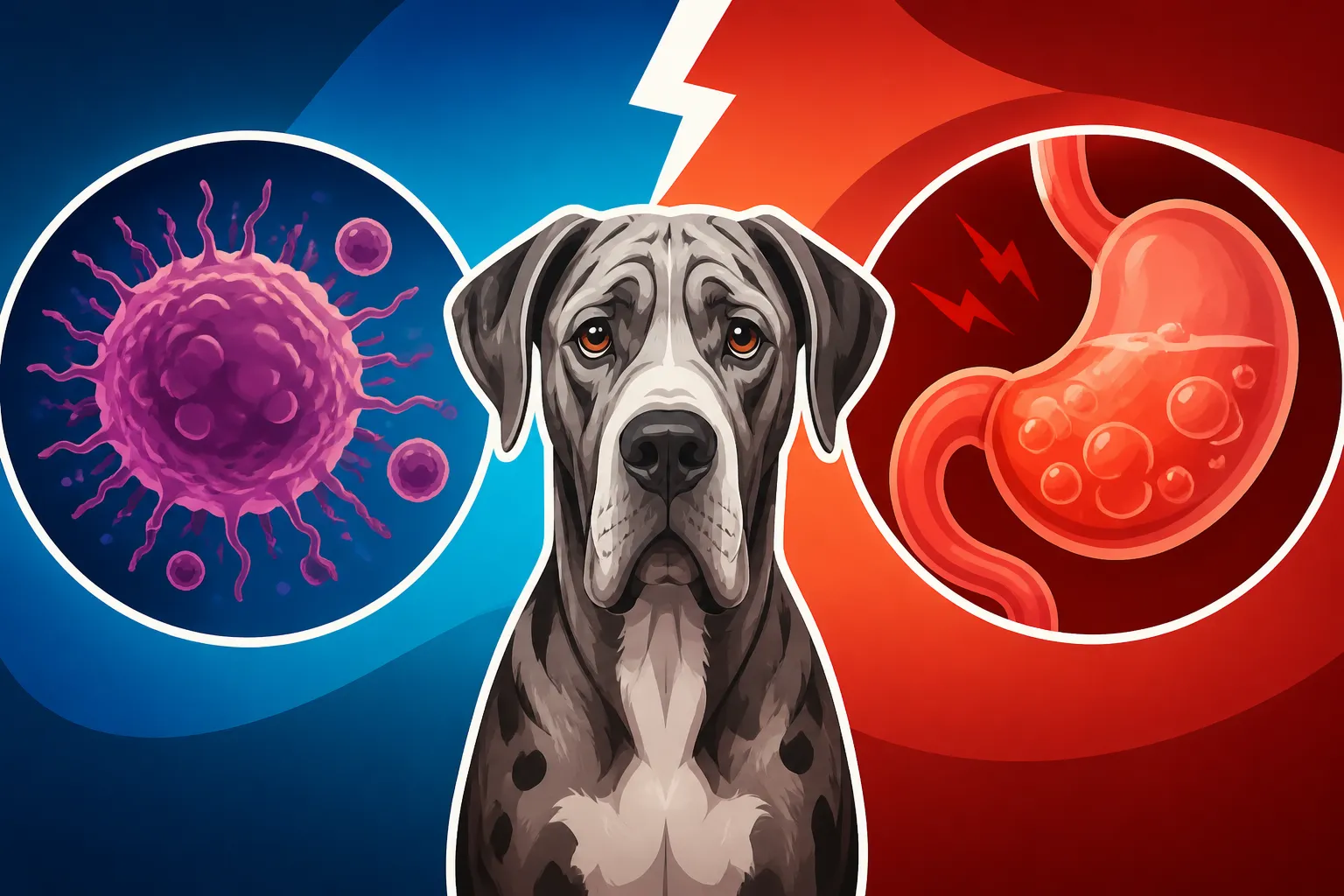
It’s a heartbreaking reality for anyone who loves Great Danes: these magnificent, gentle giants, despite their formidable size, often face a regrettably short lifespan. Among the myriad health concerns that can plague our beloved Danes, two stand out as particularly terrifying and common threats: Gastric Dilatation-Volvulus (GDV), more commonly known as bloat, and various aggressive forms of cancer. As Great Dane owners, we often lie awake at night, wondering which of these silent adversaries might strike our dogs. This comprehensive guide aims to shed light on which of these devastating conditions statistically claims more Great Danes, providing clarity and empowering you with knowledge.
Understanding the Menace of Bloat in Great Danes
Bloat is every Great Dane owner's nightmare, a sudden, life-threatening condition that can turn a perfectly healthy dog into a critical emergency in mere minutes. It’s a cruel irony that the very thing that makes Great Danes so regal – their deep, narrow chests – also makes them incredibly susceptible to this catastrophic event.
The Silent Killer: What is GDV?
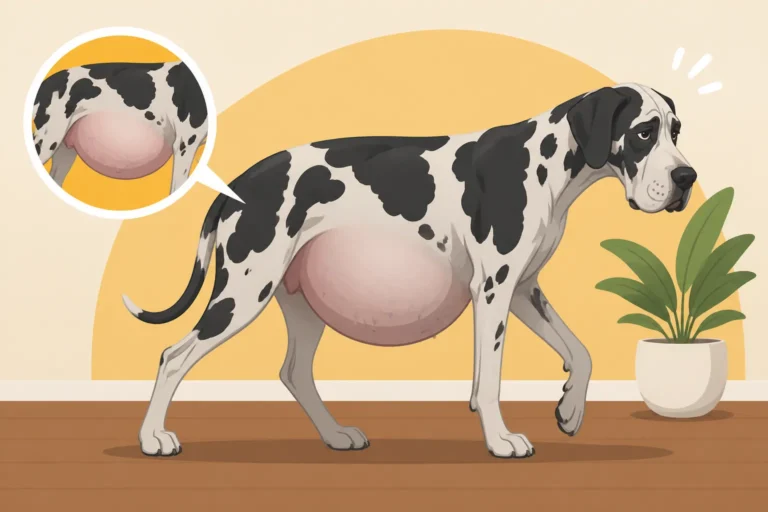
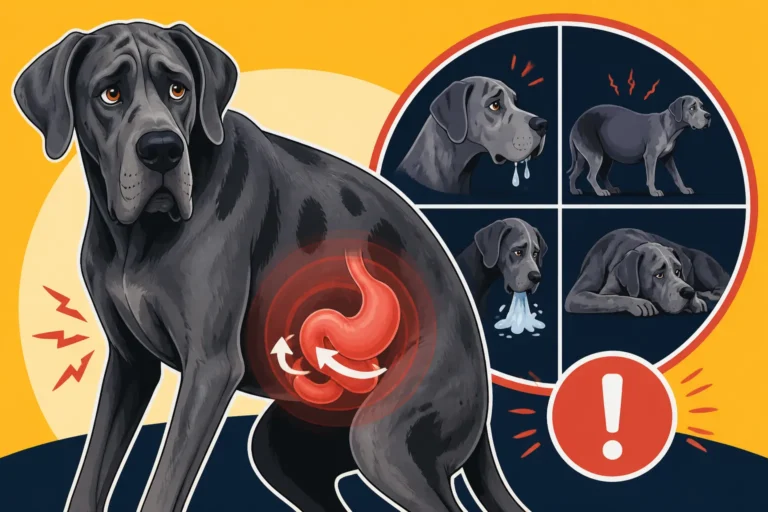
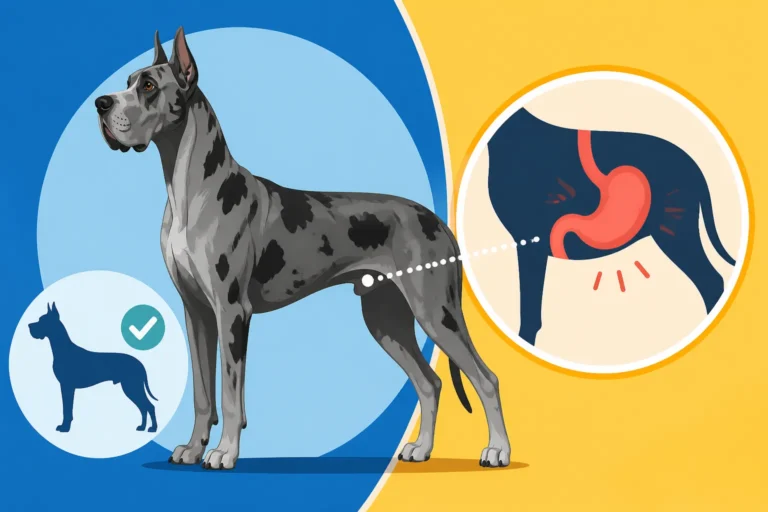
Gastric Dilatation-Volvulus, or GDV, occurs when a dog's stomach fills with gas, food, or fluid (dilation) and then twists on its axis (volvulus). This twist pinches off both the entry and exit points of the stomach, trapping everything inside. As the stomach continues to bloat, it puts immense pressure on other organs, hinders blood flow to the stomach lining, and can even compress major blood vessels, leading to shock and death. The pain is excruciating, and the damage to organs, particularly the stomach and spleen, can be irreversible if not addressed immediately. It's truly a race against time, where every second counts. The statistics around The Lifetime Bloat Risk in a Great Dane are sobering, highlighting just how prevalent this risk is within the breed.
Incidence and Mortality
The numbers associated with bloat are truly terrifying for Great Dane owners. Studies consistently show that Great Danes are one of the breeds most at risk for GDV, with some estimates suggesting a lifetime risk as high as 40-42% for the breed. This means that nearly half of all Great Danes could experience bloat in their lifetime, a statistic that underscores the importance of awareness and preventive measures. Even with rapid veterinary intervention, the mortality rate for GDV can range from 15% to 30%, and even higher if surgery is delayed. This high mortality rate, despite advances in veterinary medicine, speaks to the aggressive and devastating nature of the condition. Many Great Dane owners find themselves in a frantic dash to the emergency vet, knowing that they only have How Many Minutes a Bloating Great Dane Has before the situation becomes dire.
Recognizing the Signs and Immediate Action
Identifying bloat early is absolutely critical, as a delay of even an hour can drastically worsen the prognosis. The signs can be subtle at first, but they quickly escalate. Owners should watch for unproductive retching or vomiting – your dog looks like they're trying to throw up but nothing comes out. They might become restless, pacing incessantly, panting heavily, and showing signs of acute distress. The most tell-tale sign is a visibly swollen, hard abdomen, particularly on the left side, though this isn't always obvious in the early stages or in very large dogs. As the condition progresses, your Dane might collapse, have pale gums, and breathe rapidly. If you suspect bloat, even slightly, it is not a "wait and see" situation. You need to get your Great Dane to an emergency veterinary clinic immediately. Learning The Signs of a Great Dane Stomach Twisting can literally be a matter of life or death.
The Shadow of Cancer in Great Danes
While bloat is acute and terrifyingly swift, cancer often feels like a slow, insidious enemy, gradually robbing our Great Danes of their health and vitality. Great Danes, unfortunately, are also highly susceptible to various forms of cancer, many of which are aggressive and carry a poor prognosis.
Common Cancer Types
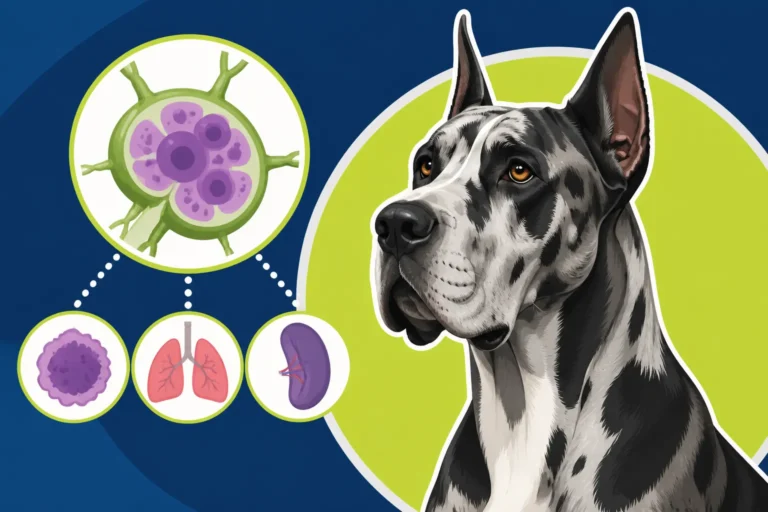
Several types of cancer disproportionately affect Great Danes. One of the most devastating is osteosarcoma, an aggressive bone cancer. This cruel disease often strikes the long bones of the legs, leading to lameness and excruciating pain. Lymphoma, a cancer of the lymphatic system, is another common culprit, affecting lymph nodes, spleen, liver, and bone marrow. Mast cell tumors, which can appear on or under the skin, are also seen frequently, and while some are benign, others are highly aggressive and can metastasize rapidly. Hemangiosarcoma, a cancer of the blood vessel lining, often affects the spleen or heart and can lead to sudden internal bleeding and collapse. Understanding Bone Cancer in a Great Dane is particularly important given its prevalence in the breed.
Cancer Prevalence and Impact
Cancer is a leading cause of death in Great Danes, significantly contributing to Why a Great Dane Only Lives Seven to Ten Years. The sad truth is that a large percentage of Great Danes will be diagnosed with some form of cancer in their lifetime. For instance, osteosarcoma often appears between the ages of 7 and 10, tragically cutting short their already brief lives. The impact of cancer is profound, not just on the dog's health but also on the family. Diagnosing and treating cancer often involves extensive veterinary visits, surgeries, chemotherapy, and radiation, which can be emotionally and financially draining. The insidious nature of cancer means it can spread rapidly, and even with aggressive treatment, the prognosis for many types in Great Danes remains guarded. The onset of The Age Bone Cancer Hits a Great Dane can feel heartbreakingly young.
Diagnosis and Prognosis
Diagnosing cancer in Great Danes can be challenging. Symptoms can be vague and easily mistaken for other age-related issues, such as arthritis or general slowing down. For osteosarcoma, a limp might be the first sign, which can progress to severe pain and even a spontaneous fracture. Lymphoma might present as enlarged lymph nodes, lethargy, or loss of appetite. Diagnosing these often requires a combination of physical exams, X-rays, ultrasounds, biopsies, and blood tests.
The prognosis varies widely depending on the type of cancer, its stage, and how quickly it's diagnosed. Unfortunately, for aggressive cancers like osteosarcoma and hemangiosarcoma, even with the best treatment, the median survival times can be relatively short, often measured in months rather than years. The goal of treatment often shifts from a cure to managing pain and improving quality of life for the time remaining. This makes every choice difficult and underscores the emotional toll on owners.
Comparing the Grim Statistics: Bloat vs. Cancer
When we pit these two formidable foes against each other, the question of which claims more Great Danes isn't entirely straightforward, as statistics can be interpreted in different ways. However, we can look at overall prevalence and specific mortality rates.
Mortality Rates and Age of Onset
Bloat, while potentially affecting up to 40% of Great Danes, is an acute emergency. If caught early and treated aggressively with surgery, a significant portion of dogs do survive, though there's always a risk of recurrence if a gastropexy isn't performed. The age of onset can vary, but it's often seen in middle-aged and older Danes, though puppies are not entirely immune. When it does lead to death, it's usually sudden and catastrophic.
Cancer, on the other hand, is a broader category encompassing many diseases. While not every Great Dane will get bloat, a very high percentage will develop some form of cancer in their lifetime. Estimates vary, but some studies suggest that over 50% of Great Danes will develop cancer, and it is frequently listed as the number one cause of death in the breed. Unlike bloat, which is typically a single, sudden event, cancer can be a prolonged battle with varying prognoses. What Great Danes Most Often Die Of often points to cancer as the primary culprit due when considering overall causes, encompassing various types.
If we look purely at the percentage of dogs dying from any form of cancer versus dying from bloat (not just experiencing it), cancer often edges out bloat as the single biggest killer. This is because while bloat is a very real and terrifying risk, successful intervention is possible, whereas many Great Dane cancers, once diagnosed, often have a more grim long-term outlook despite treatment.
The "Which is Worse?" Debate
From an owner's perspective, both are devastating. Bloat is a sudden, traumatic event that demands immediate, costly emergency care. The speed at which it strikes leaves little time to process, and the guilt of not recognizing symptoms quickly enough can be immense. Cancer, while equally heartbreaking, sometimes offers a window for treatment decisions, pain management, and a chance to cherish remaining time, even if that time is limited.
Statistically, studies suggest that cancer (especially osteosarcoma, lymphoma, and hemangiosarcoma) is a more common cause of death overall in Great Danes than bloat, mainly because of its higher prevalence across the breed and the aggressive nature of many of these cancers. While many Great Danes experience bloat, a significant portion survive with emergency surgery. However, the sheer volume and severity of cancers afflicting Great Danes make it a pervasive threat that sadly claims a greater cumulative number of lives.
Financial and Emotional Toll
Both bloat and cancer impose an immense financial and emotional burden on Great Dane owners. Emergency bloat surgery can easily run into thousands of dollars, often requiring overnight stays, intensive care, and extensive diagnostics. Cancer treatments, including surgery, chemotherapy, and radiation, can accumulate to even higher figures over months of care. This is where having comprehensive pet insurance can truly be a lifeline. Companies like Healthy Paws offer plans that can significantly alleviate the financial stress during these critical times, allowing owners to focus on their dog's care rather than worrying about the astronomical bills. It's a pragmatic choice for many Great Dane families, given the high likelihood of facing one of these conditions. The emotional toll is immeasurable; watching your beloved giant suffer from either disease is one of the hardest experiences a pet owner can face.
Here's a quick comparison of these two formidable threats:
| Feature | Gastric Dilatation-Volvulus (Bloat/GDV) | Cancer (e.g., Osteosarcoma, Lymphoma) |
|---|---|---|
| Nature | Acute, sudden, life-threatening emergency | Chronic, progressive, often insidious |
| Primary Cause | Stomach fills with gas/fluid and twists | Uncontrolled cell growth |
| Prevalence | Up to 40% lifetime risk for Great Danes (experiencing) | >50% lifetime risk for Great Danes (developing) |
| Mortality | 15-30% even with surgery, higher without immediate care | Varies widely by type/stage; frequently the leading cause of death |
| Age of Onset | Middle-aged to senior, but can occur at any age | Typically middle-aged to senior |
| Symptoms | Unproductive retching, swollen abdomen, pacing, distress | Limping, lumps, lethargy, weight loss, appetite changes |
| Treatment | Emergency surgery (gastropexy often performed concurrently) | Surgery, chemotherapy, radiation, pain management |
| Urgency | Extreme emergency; hours can be fatal | Less immediate for diagnosis, but timely treatment is crucial |
| Prevention | Prophylactic gastropexy, meal management | Regular vet check-ups, monitoring for lumps/lameness |
Proactive Care for a Great Dane's Health
Given the sobering statistics surrounding both bloat and cancer, proactive care becomes paramount for Great Dane owners. While we can't eliminate all risks, we can certainly take steps to mitigate them and improve our Danes' chances of living longer, healthier lives.
Preventive Measures for Bloat
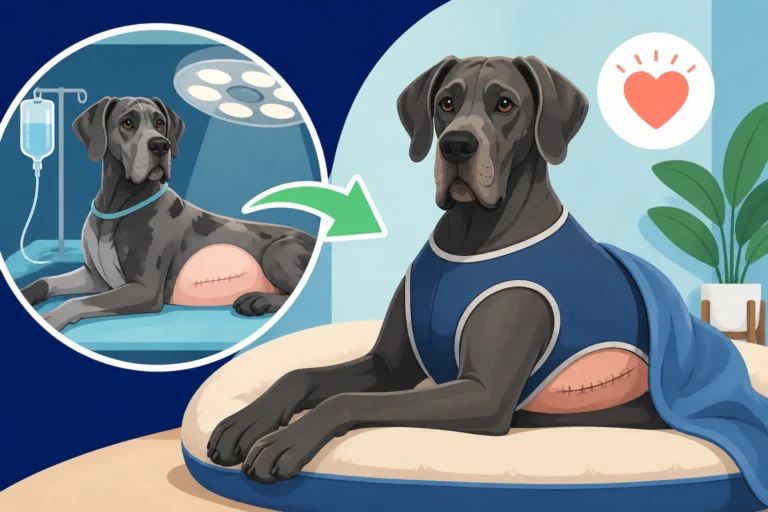
For bloat, the single most impactful preventive measure is a prophylactic gastropexy. This surgical procedure permanently attaches the stomach to the abdominal wall, preventing it from twisting. While it doesn't stop the stomach from dilating (filling with gas), it drastically reduces the likelihood of life-threatening volvulus. Many owners opt for this procedure when their Great Dane is spayed or neutered, often around 6-18 months of age. Discussing When to Book a Great Dane Gastropexy with your vet early on is a wise decision.
Beyond surgery, managing feeding habits is crucial. Instead of one large meal, splitting your Dane's daily ration into two or three smaller meals can reduce the amount of air swallowed and gas produced. Avoid strenuous exercise for at least an hour before and after meals. Some owners use slow-feeder bowls to prevent rapid ingestion of food, which can lead to swallowing more air. Although the debate continues, some research suggests that raised feeding bowls might increase risk for bloat in deep-chested dogs. It’s important to research and discuss these choices with your vet. While a gastropexy doesn't completely eliminate bloat, understanding Whether Tacking Ends Great Dane Bloat Risk can help manage expectations and still lead to proactive prevention.
Early Detection for Cancer
Early detection is key for improving the prognosis of many cancers. This means being incredibly vigilant and observant of your Great Dane's health and behavior. Regular veterinary check-ups are non-negotiable, providing opportunities for your vet to feel for abnormal lumps, listen to their heart and lungs, and perform blood work. At home, you should routinely feel your dog all over, checking for any new lumps or bumps. Pay attention to subtle changes:
- Lameness or Limping: A Great Dane That Limps Without an Injury could be a sign of osteosarcoma, especially if it persists or worsens.
- Weight Loss: Unexplained weight loss, even if appetite is normal.
- Lethargy: A decrease in energy levels or reluctance to play.
- Changes in Appetite or Thirst: While not always cancer, these can be indicators.
- Persistent Cough or Breathing Difficulties: Could indicate lung tumors or other issues.
Don't dismiss these signs as just "getting old." Great Danes age faster than smaller dogs, and what might seem like normal aging could be an underlying serious condition. Be your dog's best advocate and insist on thorough investigation of any persistent or concerning symptoms. Early intervention is often the best chance for a better outcome. Considering Caring for a Great Dane Past Six will mean increased vigilance for these types of conditions.
The Role of Nutrition and Lifestyle
Maintaining a lean body condition throughout your Great Dane's life is vital for overall health and can influence cancer risk. Obesity places additional stress on joints and can contribute to various health problems. For puppies, it's particularly important to feed a large-breed puppy food formulated for slow growth, ensuring appropriate calcium and phosphorus levels. Over-feeding or supplementing with extra calcium can lead to developmental orthopedic diseases. As adults, carefully measuring Feeding an Adult Great Dane Six to Ten Cups of high-quality food, appropriate for their activity level, helps prevent unnecessary weight gain.
A balanced lifestyle that includes moderate, consistent exercise (appropriate for their age and joint health) and a low-stress environment also contributes to overall well-being. While these won't prevent all diseases, they create the best possible foundation for a healthy life. Choosing a reputable pet insurance provider like Healthy Paws when your Great Dane is young and healthy can provide immense peace of mind, knowing that if either bloat or cancer strikes, you'll have support for the substantial veterinary costs.
Disclaimer
This article is for general informational purposes only and does not constitute professional advice. Laws, prices and regulations vary by location and change over time. Consult a qualified professional for guidance on your specific situation.