Which Certificates a Great Dane Puppy Comes With
Bringing home a Great Dane puppy is an incredibly exciting time, but it can also be a little overwhelming when you're handed a stack of papers and told they're all "important." It's frustrating when you're not sure which documents are truly essential for your giant breed's future health and well-being, and which might just be fluff. This guide will walk you through the crucial certificates and paperwork you should expect when purchasing a Great Dane puppy from a reputable breeder, explaining why each one matters for your peace of mind and your new family member.
Understanding the Importance of Puppy Certificates
When you're welcoming a magnificent Great Dane puppy into your life, it's easy to get caught up in the excitement of those big paws and floppy ears. However, the seemingly mundane paperwork that accompanies your new companion is actually a treasure trove of information, providing a deep dive into their health lineage and initial care. Ignoring or misunderstanding these documents can lead to significant headaches, emotional distress, and hefty vet bills down the line. A responsible breeder knows that these certificates are not just formalities; they are the fundamental proof of their dedication to the breed's health and your puppy's future.
More Than Just Paperwork: What the Certificates Represent
Think of these certificates as your puppy's resume and health history rolled into one. They offer a transparent look into the breeder's practices, proving that they've invested time, money, and ethical considerations into producing healthy, well-socialized puppies. Without proper documentation, you're essentially buying a "mystery dog," and while every puppy is a joy, an unknown background can make future health management incredibly difficult. These papers represent a commitment to transparency and responsible breeding that goes far beyond simply handing over a cute puppy. They give you a factual basis for understanding your Great Dane's potential health challenges and genetic predispositions, which is particularly vital for a breed known for certain conditions.
Protecting Your Investment and Your Future Family Member
A Great Dane is a significant financial and emotional commitment, often representing an initial investment that can range from The Fifteen Hundred to Three Thousand Great Dane. But beyond the purchase price, the long-term costs of caring for a giant breed can be substantial, especially if health issues arise. Having the correct certificates helps protect that investment. For instance, knowing the health clearances of the parents can give you an idea of potential hereditary conditions, allowing you to prepare or even avoid certain predispositions. Furthermore, these documents often come with breeder guarantees, which can offer recourse or support should an issue arise. This isn't just about money, though; it's about the emotional bond you'll form. The last thing any new owner wants is to discover their beloved puppy is suffering from a preventable genetic disease due to a lack of proper screening. These certificates offer a layer of assurance, helping you embark on your journey with your Great Dane with confidence.
Key Health Clearances You Should Expect
The health of your Great Dane puppy is paramount, and responsible breeders go to great lengths to ensure their breeding dogs are screened for common genetic conditions that affect the breed. This isn't optional; it's a non-negotiable part of ethical breeding. The certificates related to health clearances are perhaps the most critical documents you will receive, as they speak directly to the genetic legacy your puppy carries.
OFA and CHIC for Parents: The Foundation of Health
The single most important health documentation you should expect relates to the parents of your Great Dane puppy. Great Danes, like many large breeds, are predisposed to certain orthopedic and cardiac conditions. The Orthopedic Foundation for Animals (OFA) is a well-respected organization that offers certifications for hips, elbows, heart, and thyroid, among other conditions. You should be provided with copies or links to the OFA certificates for both the dam (mother) and sire (father) of your puppy.
Specifically, look for OFA certifications confirming good hip and elbow health, as joint issues like hip and elbow dysplasia can be debilitating for a giant breed. A good breeder will also have screened for cardiac health, often through a board-certified veterinary cardiologist, to check for conditions like Dilated Cardiomyopathy (DCM), which is sadly common in the breed. Certification from a specialist for thyroid health is also common. These health tests are crucial because they demonstrate that the breeder is actively trying to reduce the incidence of these hereditary conditions in their lines. A breeder who doesn't provide these for both parents is essentially gambling with your puppy's future health. You want to see parents with "passing" or "normal" results across the board, ideally with a Canine Health Information Center (CHIC) number, which indicates that the dog has undergone all the recommended health screenings for the Great Dane breed as suggested by the parent club. Understanding The Health Testing a Great Dane Breeder Owes You is vital to making an informed decision.
Initial Vet Checks and Puppy-Specific Health Records
Beyond the parental clearances, your puppy should come with its own set of individual health records. These are critical for continuing their care with your own veterinarian.
Vaccination Records: Your puppy will have received its initial vaccinations before coming home. You should receive a detailed record, signed by a veterinarian, indicating the type of vaccines given (e.g., distemper, parvovirus), the date they were administered, and the date the next booster shots are due. This allows your vet to create an appropriate vaccination schedule without over-vaccinating or leaving your puppy vulnerable.
Deworming Schedule: Puppies are almost universally born with or acquire intestinal worms. Reputable breeders follow a strict deworming protocol. You should receive documentation of the deworming medications used and the dates of administration.
Initial Vet Examination Report: Before a puppy goes to its new home, it should have a thorough veterinary examination. This report should note any findings, such as clear eyes, ears, and lungs, a healthy heart rhythm, and no obvious congenital defects. This vet check provides a baseline for your puppy's health and can often come with a health guarantee from the breeder for a short period after purchase. This initial examination is also where the vet might look for issues like Bone Development Problems in a Great Dane Puppy or other early signs of trouble. It's an important step in ensuring your puppy is as healthy as possible when it leaves the breeder's care.
Registration and Pedigree Documentation
While health is often the priority, official registration and pedigree papers are also important, particularly if you're interested in showing your Great Dane, breeding in the future, or simply want to understand their lineage. These documents confirm your puppy's breed purity and ancestry.
AKC Registration and the Value of a Solid Pedigree
For Great Danes in the United States, the primary registry is the American Kennel Club (AKC). A responsible breeder will provide you with the necessary paperwork to register your puppy with the AKC. This usually comes in the form of an AKC Litter Registration Application, which you'll then complete and send in to get your puppy's official AKC registration certificate. This certificate confirms your Great Dane is a purebred and can participate in AKC-sanctioned events.
Beyond simple registration, a pedigree certificate is a multi-generational chart showing your puppy's ancestors, often going back three, four, or even five generations. This isn't just a fancy family tree; it offers valuable insights. You can see the names of champion dogs in their lineage, which often indicates desirable conformation and temperament. More importantly, it allows you to cross-reference with public databases like the OFA to independently verify the health clearances of those ancestors, further building confidence in your puppy's genetic background. A robust pedigree from a respected kennel can be a strong indicator of a breeder's commitment to preserving the best traits of the breed. When reviewing this, you'll be able to trace lines and learn about the dogs that make up your new companion's heritage.
The Ethical Breeder's Guarantee and Contract
While not a "certificate" in the traditional sense, a written contract and health guarantee from the breeder are absolutely vital documents. This contract should clearly outline the terms of sale, including the purchase price, any spay/neuter clauses (especially if you're buying on a limited registration), and, most importantly, the health guarantee.
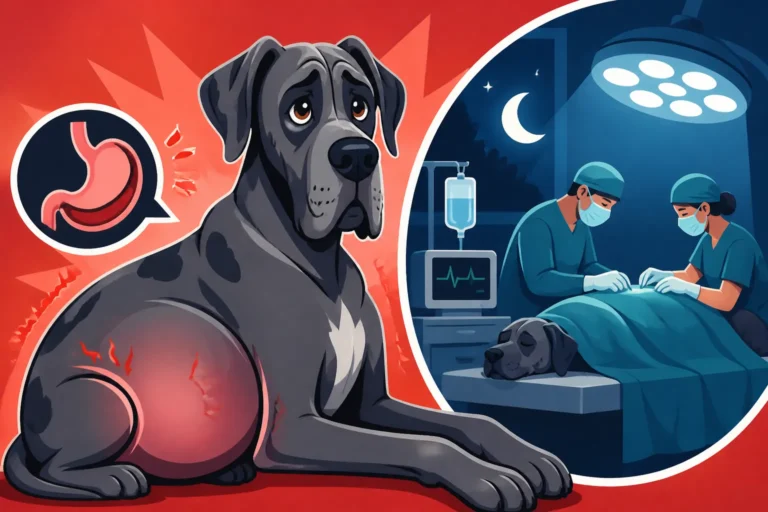
A comprehensive health guarantee typically covers major genetic health issues, often for a period of one or two years, sometimes even longer for specific conditions like Bloat in a Great Dane and the One in Three Odds or cardiac problems. It should detail what happens if a covered condition arises – whether it's a partial refund, a replacement puppy, or assistance with veterinary costs. This contract protects both you and the breeder by setting clear expectations. It shows the breeder stands behind their puppies and is prepared to offer support. Be wary of any breeder who doesn't offer a written contract and a clear health guarantee. This document is your first line of defense if something unexpected happens with your puppy's health. Many breeders will also include clauses about required foods, such as specialized Why Great Dane Puppy Food Is Different to promote slow, healthy growth, emphasizing their dedication to long-term well-being.
Here's a quick summary of what to look for:
| Certificate/Document | Purpose | Why it Matters for Your Great Dane |
|---|---|---|
| OFA/CHIC Parent Clearances | Proof of health screenings for hips, elbows, heart, thyroid of parents. | Indicates reduced risk of inherited diseases for your puppy. |
| Veterinary Health Report | Documents the puppy's initial vet examination findings. | Confirms your puppy was healthy upon leaving the breeder. |
| Vaccination Record | Lists vaccines given and dates for future boosters. | Ensures proper immunization schedule and prevents over-vaccination. |
| Deworming Schedule | Details deworming treatments given to the puppy. | Addresses common puppy parasites and guides future deworming. |
| AKC Registration | Official recognition of your puppy as a purebred Great Dane. | Allows participation in AKC events and confirms breed lineage. |
| Pedigree Certificate | Traces your puppy's family tree back multiple generations. | Provides insight into lineage, champions, and allows health verification of ancestors. |
| Breeder Contract/Guarantee | Outlines terms of sale, health guarantees, and breeder responsibilities. | Protects your investment and offers recourse for covered health issues. |
Red Flags and What to Do If Certificates Are Missing
It's tempting to fall for a cute face, especially with a Great Dane puppy, but a lack of proper documentation is a huge red flag that should never be ignored. Many people have learned the hard way that a "bargain" puppy often comes with hidden, costly problems. Knowing what to look for, and what to do if you encounter issues, can save you a world of heartache and expense. Remember, Great Dane Ads With No Cardiac Paperwork or hip scores are immediate warning signs.
When a "Bargain" Puppy Costs More in the Long Run
We all love a good deal, but when it comes to living creatures, especially a giant breed like the Great Dane, a low initial price tag can be a deceptive lure. If a breeder is offering puppies significantly cheaper than the typical market rate (which often runs well over a thousand dollars), and they cannot provide proof of health clearances for the parents or proper individual puppy health records, this is a massive red flag. The reason responsible breeders charge what they do is because of the immense investment in health testing, quality food, veterinary care, and time they put into their dogs. Cutting corners on these essential steps to offer a cheaper puppy often means passing the significant health risks and future financial burden directly onto you.
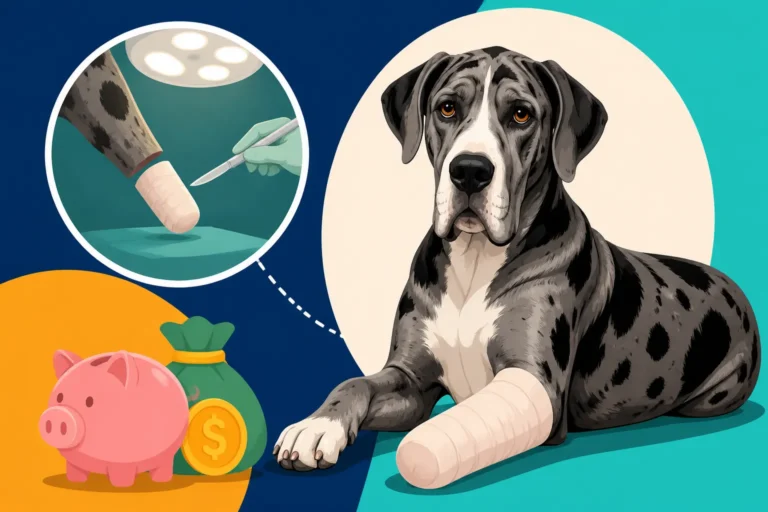
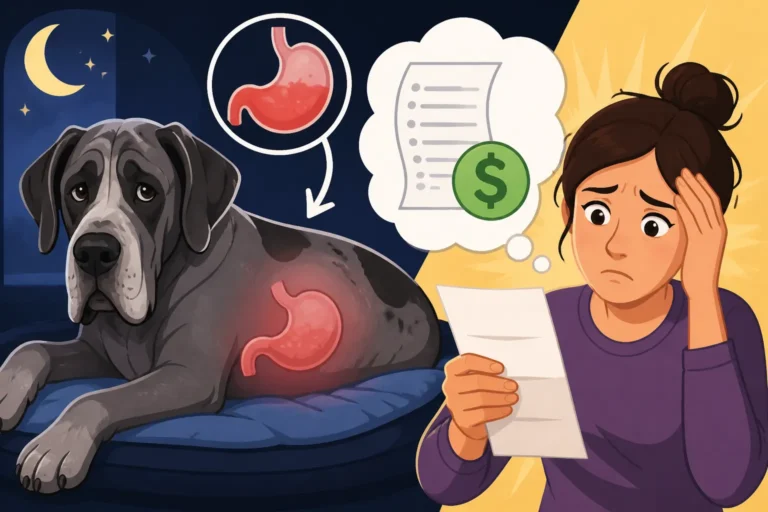
These "bargain" puppies are often from breeders who skip vital health screenings, leading to an increased likelihood of conditions like hip dysplasia, elbow dysplasia, or early-onset cardiac issues. The cost of diagnosing and treating these problems can quickly skyrocket, easily surpassing any initial savings you might have made. Imagine facing bills for specialized diagnostics, ongoing medications, or even surgery for your beloved Great Dane, all because crucial health testing was overlooked. A general emergency vet visit for a giant breed can cost thousands, and that's before specialized treatments for conditions like The Heart Muscle Disease Great Danes Are Prone To or Bone Cancer in a Great Dane. It’s a classic case of paying more later by trying to save money upfront.
Advocating for Your Puppy's Future Health
If you're interacting with a breeder and they are hesitant or unable to provide the certificates discussed above, it's crucial to advocate for your puppy's health. First, directly ask for copies of all relevant OFA/CHIC certifications for both parents, the puppy's vet health check, vaccination records, and a written contract with a health guarantee. If they offer excuses, such as "the vet already saw them" without a written report, or claim the papers are "in the mail" indefinitely, be extremely cautious. This often indicates a lack of transparency and may mean the health clearances simply don't exist.
If you have already purchased a puppy and find yourself without these critical documents, don't panic, but act swiftly. Schedule an immediate, comprehensive vet check with your own trusted veterinarian. Discuss your concerns about the missing documentation and ask them to perform as thorough an examination as possible, including any recommended initial screenings for Great Danes. Consider pet insurance options from providers like Healthy Paws as soon as possible, understanding that pre-existing conditions won't be covered, but it can help with future unexpected issues. Companies like Chewy and Ollie also offer various resources, from specialized Joint Support Built Into Great Dane Food to online vet services, that can be helpful if you're dealing with an unknown background. While you might not be able to retroactively obtain parental clearances, you can take proactive steps for your puppy's individual health and discuss any legal recourse you may have based on your local consumer protection laws regarding pet sales. Don't be afraid to walk away from a breeder who can't provide these essential papers, even if it means a longer wait for your new family member. The health and happiness of your Great Dane are worth it.
Disclaimer
The information provided in this article is for general informational purposes only and does not constitute veterinary advice. Always consult with a qualified veterinarian for any health concerns or before making any decisions about your pet's health or medical care. Breed-specific health information is general and individual dogs may vary.