Keeping a Great Dane Insured Past Six
It's a common fear for Great Dane owners: that moment your beloved giant hits six years old, and you start to wonder if all the financial safety nets you've put in place, like pet insurance, are about to unravel. Many of us worry that our faithful companions, who already face a shorter lifespan, become "uninsurable" or prohibitively expensive as they age. This guide is here to walk you through the realities of keeping your Great Dane insured past their middle years, understanding the challenges, and finding practical solutions to continue protecting them.
Why Insuring an Older Great Dane Feels Different
When your Great Dane reaches the age of six, it often feels like they're hitting a different life stage. For a breed known for its Why a Great Dane Only Lives Seven to Ten Years, six isn't just "middle-aged" – it's the gateway to their senior years. This shift brings with it a whole new set of considerations, especially when it comes to something as crucial as pet insurance.
The Great Dane's Accelerated Aging Process
One of the biggest factors that makes insuring an older Great Dane unique is their accelerated aging process. Unlike smaller breeds that might be considered middle-aged at six or seven, a Great Dane at this age is often showing signs of slowing down. Their bodies have worked harder, grown faster, and carried more weight for a shorter period. This means that the common ailments associated with aging tend to appear earlier and with greater intensity in giant breeds. It’s a sad reality that while they might not have as many birthdays, each one counts for more in terms of physical wear and tear. This accelerated timeline is a key reason why insurers look at older Great Danes with different eyes, understanding that the probability of a health claim increases significantly. You might want to understand Why a Great Dane Ages Faster Than Smaller Dogs to truly grasp this concept.
Increased Health Risks and Common Ailments
As Great Danes move past their sixth birthday, the likelihood of certain health issues arising becomes much higher. These aren't just minor sniffles; we're talking about serious, often chronic, and expensive conditions that can dramatically impact their quality of life and your wallet. For instance, cardiac issues like The Heart Muscle Disease Great Danes Are Prone To are a significant concern, often requiring ongoing medication and regular veterinary check-ups. Arthritis and other joint problems, while manageable, can become more pronounced. And, of course, the ever-present threat of Bloat in a Great Dane and the One in Three Odds doesn't disappear with age; in fact, the cumulative risk factor might feel even more pressing. Insurers are aware of these breed-specific predispositions and the higher frequency of claims for older dogs, which directly influences their policies and pricing for senior pets.
The Challenges of Maintaining or Getting New Coverage
So, you've got a Great Dane hitting their golden years, and you know the health risks are climbing. What does this mean for your pet insurance? The reality is that both keeping an existing policy and trying to find a new one can come with significant hurdles. It's not insurmountable, but it requires a bit more foresight and understanding of how insurance companies operate.
Pre-Existing Conditions: The Big Hurdle
This is perhaps the single biggest challenge when dealing with pet insurance for an older Great Dane. If your dog has developed any health issues before you enroll them in a new policy or before a waiting period ends on an existing one, those conditions are almost universally considered "pre-existing." This means the insurance company won't cover any costs related to them. For an older Great Dane, who may already have a history of Great Dane Hips, Elbows and Growing Joints issues, a heart murmur, or even chronic skin allergies, this can be a major problem.
Imagine your six-year-old Dane, Barnaby, has always had a touch of seasonal allergies that required medication once a year. If you try to switch insurance providers, that allergy will likely be classified as pre-existing, and any future allergy treatments won't be covered. The same goes for more serious conditions like early-stage arthritis, which might only manifest with a subtle limp but could still be noted in vet records before a new policy starts. This is why having continuous coverage from a younger age, ideally before any health issues pop up, is so incredibly valuable for Great Danes. It means those conditions, when they do arise, are covered because they weren't "pre-existing" at the time of enrollment.
Higher Premiums and Age Limits
Let's be blunt: insuring an older Great Dane is almost always more expensive than insuring a puppy or a young adult. This isn't discriminatory; it's actuarial. As discussed, older dogs, especially giant breeds, have a higher statistical likelihood of needing veterinary care, and those costs can be substantial. Insurance companies adjust premiums to reflect this increased risk. You might find that your monthly payments jump significantly as your Great Dane ages, particularly once they cross that 6-7 year threshold.
Beyond cost, some insurance providers impose age limits for new enrollments. While many companies are becoming more flexible, you might encounter policies that won't accept dogs over a certain age, say 8 or 9 years old, for comprehensive accident and illness coverage. They might offer accident-only policies for older dogs, which is better than nothing but certainly not as robust as a full plan. This reinforces the idea that Insuring a Great Dane Before the Bloat Years or before any major health issues surface is usually the smartest financial move.
Deductibles and Reimbursement Levels
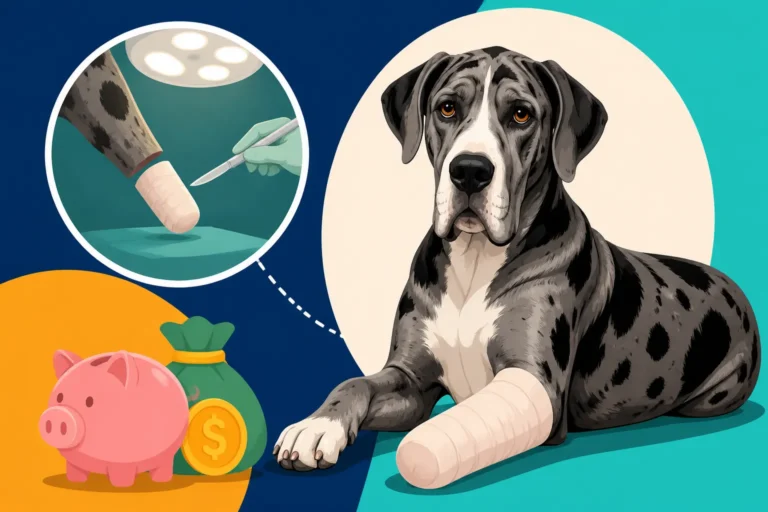
Even if you secure a policy, you might find that the terms for an older Great Dane are less favorable. You might face higher deductibles, meaning you pay more out-of-pocket before the insurance kicks in. Similarly, reimbursement levels, which dictate the percentage of the vet bill the insurer pays back (e.g., 70%, 80%, 90%), might be lower for senior plans. This means that even with insurance, you're still responsible for a larger portion of those potentially massive bills. When you look at The Overnight Bill When a Great Dane Bloats, a lower reimbursement rate can still leave you with a hefty sum to pay. It’s important to scrutinize these details closely when comparing policies, especially if you're trying to calculate How Much Cash a Great Dane Owner Should Keep Ready.
Navigating Pet Insurance for Senior Danes
Despite the challenges, insuring your senior Great Dane is absolutely doable and often incredibly worthwhile. It just requires a more strategic approach, whether you're maintaining an existing policy or searching for new coverage.
Sticking With Your Current Provider
If you already have pet insurance for your Great Dane, the best course of action is almost always to stick with your current provider. The major advantage here is that any conditions that developed while your Great Dane was covered by that specific policy are generally not considered pre-existing. This is crucial for conditions that might emerge as they age, such as joint issues, heart conditions, or even cancer. If Barnaby developed arthritis at age seven, and he's been continuously insured since he was a puppy, his arthritis treatments should be covered, subject to your policy's terms.
Review your existing policy annually. Premiums will likely increase with age, but ensure you understand why and that the coverage still meets your needs. Look for any changes to your deductible, reimbursement rate, or annual limits. Sometimes, rather than canceling a policy that becomes too expensive, adjusting these parameters can make it more affordable while still retaining coverage for those expensive emergencies.
Exploring New Pet Insurance Options
If you don't currently have insurance, or if your current policy has become truly unmanageable, don't despair. There are still options for senior Great Danes, though you'll need to be realistic about pre-existing conditions.
- Look for providers with no upper age limit: Many modern pet insurance companies pride themselves on offering coverage regardless of age. While they will still exclude pre-existing conditions, they won't automatically deny coverage just because your Dane is over six.
- Compare comprehensive vs. accident-only: If full accident and illness coverage is too expensive or restrictive due to pre-existing conditions, an accident-only policy can still be a lifesaver. It won't cover chronic illnesses, but it will help with sudden injuries like fractures, torn ligaments, or unexpected ingestions, which can be just as costly.
- Read the fine print on "curable" pre-existing conditions: Some policies have provisions for "curable" pre-existing conditions. For example, if your Dane had a urinary tract infection a year ago but has been symptom-free and off medication for a certain period (e.g., 6-12 months), some insurers might eventually cover it again. This is rare for chronic issues but worth checking for intermittent problems.
- Utilize online comparison tools: Websites that compare multiple pet insurance providers can be invaluable. You can input your Great Dane's age, breed, and location to get quotes from various companies. Remember to read sample policies thoroughly before committing. Some owners find that searching marketplaces like Chewy's pet insurance options can provide a good starting point for comparing multiple providers at once.
Here's a quick comparison of common considerations when picking a plan for an older Great Dane:
| Feature | Impact on Older Great Danes | What to Look For |
|---|---|---|
| Premiums | Generally higher due to increased risk. | Be prepared for higher costs; compare different providers. |
| Age Limits | Some providers have enrollment cut-offs for new policies. | Choose providers with no upper age limit for comprehensive plans. |
| Pre-Existing Conditions | Any ailment diagnosed before policy starts is usually excluded. | Maintain continuous coverage; understand exclusions clearly. |
| Deductibles | Can be higher or chosen to lower premiums. | Select a deductible you can comfortably afford annually. |
| Reimbursement Level | Percentage of vet bill paid back (e.g., 70-90%). | Aim for higher reimbursement if budget allows for better coverage. |
| Annual/Lifetime Limits | Maximum payout per year or over the dog's lifetime. | Ensure limits are high enough for potential major illnesses. |
| Waiting Periods | Time before coverage starts (accidents shorter than illnesses). | Enroll sooner rather than later to get past waiting periods. |
| Wellness Plans | May not be available, or less comprehensive, for older dogs. | Consider if it adds value for routine senior care (vaccines, check-ups). |
Some well-known providers, like Healthy Paws, are often lauded for their straightforward policies and high reimbursement rates, which can be beneficial for the significant costs associated with senior Great Dane care. Others might find that smaller, niche providers offer more tailored plans for giant breeds in their later years.
Alternatives and Supplementary Care for Senior Danes
Even with the best insurance plan, or if pet insurance isn't quite the right fit for your situation, there are many other ways to prepare for and manage the healthcare needs of your aging Great Dane. A holistic approach to their golden years is key.
Building an Emergency Fund
One of the most practical steps you can take, regardless of whether you have pet insurance, is to create a dedicated emergency fund for your Great Dane's healthcare. Think of it as self-insurance. Set aside a certain amount each month into a separate savings account that is strictly for veterinary emergencies or unexpected health issues. This fund can cover deductibles, co-pays, treatments for pre-existing conditions not covered by insurance, or even the full cost of care if you opt not to have insurance. Considering How Much Cash a Great Dane Owner Should Keep Ready, aiming for several thousand dollars is a good starting point, as major surgeries or chronic illness management can easily reach those figures.
Regular Preventative Care and Early Detection
This cannot be stressed enough: preventative care is paramount for an aging Great Dane. Regular veterinary check-ups, ideally twice a year for senior dogs, allow your vet to catch potential issues early, when they are often more treatable and less costly. This includes routine bloodwork to monitor organ function, especially kidneys and liver, as well as regular heart screenings to check for developing conditions like Dilated Cardiomyopathy (DCM). Discovering Early Heart Signs in a Great Dane through routine screenings can make a huge difference in prognosis and treatment success.
Maintaining a healthy weight, providing appropriate exercise (without overdoing it to protect joints), and feeding a high-quality, age-appropriate diet are all parts of this preventative strategy. Some owners find value in specialized fresh food diets, like those offered by Ollie, consulting with their vet to ensure it meets the specific nutritional needs of a large senior dog, especially if they have any dietary sensitivities or health conditions.
Exploring Veterinary Payment Plans and Financial Aid
If you're faced with an unexpected, large vet bill that insurance doesn't fully cover (or you don't have insurance), don't hesitate to talk to your veterinary clinic about payment options. Many clinics understand the financial strain of pet care and offer payment plans directly or through third-party financing solutions. These plans allow you to pay off a large bill in smaller, manageable installments.
Additionally, there are various charitable organizations and breed-specific rescues that may offer financial assistance for specific medical conditions or emergencies. While these funds are often limited and application processes can be lengthy, they can provide a crucial lifeline in dire situations. It's worth researching these options in advance, so you know where to turn if the worst happens. Organizations dedicated to Great Danes, for instance, sometimes have funds set aside for emergency care for dogs in need within their network.
Quality of Life Considerations
Ultimately, our goal as Great Dane owners is to ensure our giants live their best lives, especially in their senior years. This means making tough decisions about treatment options versus quality of life. As a Great Dane ages, particularly past The Age a Great Dane Is Considered Old, it's important to have honest conversations with your vet about prognosis, pain management, and when aggressive treatments might no longer be in your dog's best interest. Focusing on comfort, managing chronic pain with appropriate medication (remember Monthly Medications Dosed at Great Dane Weight can be significant), and enriching their environment become paramount. Sometimes, the most loving decision is to provide palliative care and ensure their final months or weeks are filled with comfort and love, rather than pursuing costly and invasive treatments that offer little benefit.
Insuring your Great Dane past six years old is a vital component of responsible ownership, providing peace of mind and financial support for their inevitable senior health needs. By understanding the landscape, planning ahead, and considering all available options, you can continue to provide the best possible care for your cherished companion.
Disclaimer
This article is for general informational purposes only and does not constitute professional advice. Laws, prices and regulations vary by location and change over time. Consult a qualified professional for guidance on your specific situation.