Getting a Great Dane Puppy Used to Handling
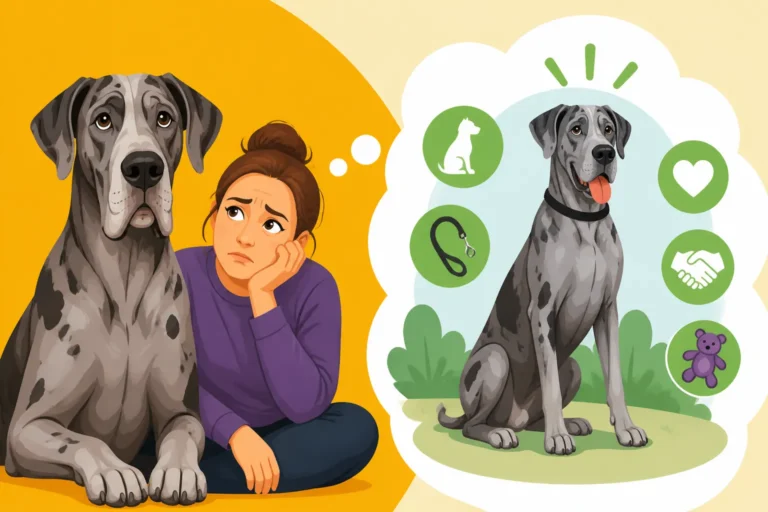
Bringing home a Great Dane puppy is an absolute joy, but it also comes with the looming reality that this adorable fluffball will soon be a magnificent, massive dog. One common frustration many new Great Dane parents face is realizing just how challenging routine care, like nail trims or vet visits, can become if their gentle giant isn't comfortable with being handled. Imagine trying to trim the nails of a nervous, squirming 150-pound dog—it's not just difficult, it can be dangerous for everyone involved. This comprehensive guide will walk you through positive, step-by-step methods to get your Great Dane puppy accustomed to handling from day one, transforming potentially stressful situations into calm, cooperative experiences.
Why Early and Consistent Handling is Crucial for Great Danes
It's easy to get caught up in the cuteness of a Great Dane puppy, but it’s vital to remember their incredible growth trajectory. What starts as a manageable 20-pound bundle of fur quickly balloons into a powerful, imposing adult. Neglecting early handling can lead to significant behavioral and safety issues down the line, affecting everything from basic grooming to emergency medical care.
The Challenge of a Giant Breed Puppy
Unlike smaller breeds, a Great Dane's sheer size and strength mean that any resistance to handling becomes a much bigger problem. A tiny Chihuahua might wriggle out of a nail trim, but a full-grown Great Dane can easily pull away, injure itself, or accidentally harm a person. This isn't just about convenience; it's about setting your dog up for a lifetime of comfortable, stress-free care. Starting early means that by the time your puppy reaches its full formidable size, these interactions are just another part of its normal routine, not a battle. This proactive approach is a cornerstone of The Manners a Great Dane Needs Before It Grows.
Preventing Fear and Aggression
A puppy that isn't regularly handled can develop a fear of touch, especially from strangers like veterinarians or groomers. This fear can manifest as avoidance, cowering, or even defensive aggression, particularly if the puppy feels trapped or overwhelmed. Think about the first time a vet technician needs to examine a sore paw or take blood – if your Great Dane has never had its paws handled positively, that experience can be terrifying, solidifying negative associations. Early, gentle handling helps build trust and confidence, teaching your puppy that touch, even in sensitive areas, is safe and can even be pleasant. This forms a crucial part of broader Socializing a Great Dane Puppy Early.
Health Benefits of Regular Handling
Beyond behavior, regular handling allows you to routinely inspect your Great Dane puppy for any health concerns. You can check for lumps, bumps, skin irritations, or injuries that might otherwise go unnoticed on such a large dog. Catching issues early, like a developing infection in an ear or a tender spot on a paw, can prevent them from becoming more serious and costly problems. For instance, Bone Development Problems in a Great Dane Puppy are not uncommon, and early detection through handling and observation can make a world of difference. Establishing this routine now will pay dividends as your Great Dane ages, particularly when you begin Caring for a Great Dane Past Six.
Building Positive Associations with Touch
The key to successful handling is making it a positive, rewarding experience for your puppy. This means starting slow, being gentle, and always pairing touch with something your puppy loves, like treats or praise.
The "Touch and Treat" Method
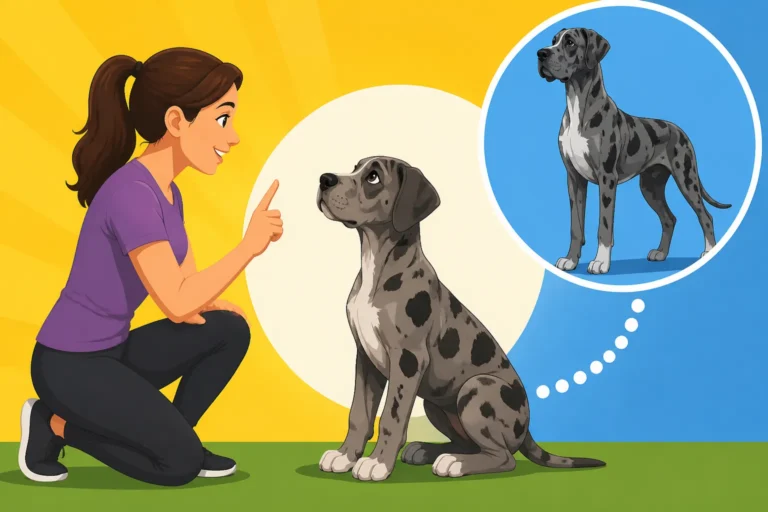
This method is incredibly simple yet highly effective. The basic premise is to touch a part of your puppy's body, immediately follow with a high-value treat, and then release the touch. The goal is to create a strong positive association: "When I get touched, good things happen!"
Start with areas your puppy is already comfortable with, like its shoulders or chest. Gently touch for a second, say "Good!" and give a treat. Repeat this several times. Keep sessions short, maybe just a minute or two, multiple times a day. As your puppy becomes more comfortable, you can gradually move to more sensitive areas, increase the duration of the touch, and apply slightly more pressure. This isn't about rushing; it's about consistent, gentle reinforcement. If your puppy shows any signs of discomfort—pulling away, tensing up, or licking its lips—ease up, go back to an easier area, or end the session on a positive note. Remember, Why Waiting Until a Great Dane Is Grown Is Too Late is a real concern, so start now!
Pairing Touch with Calm Experiences
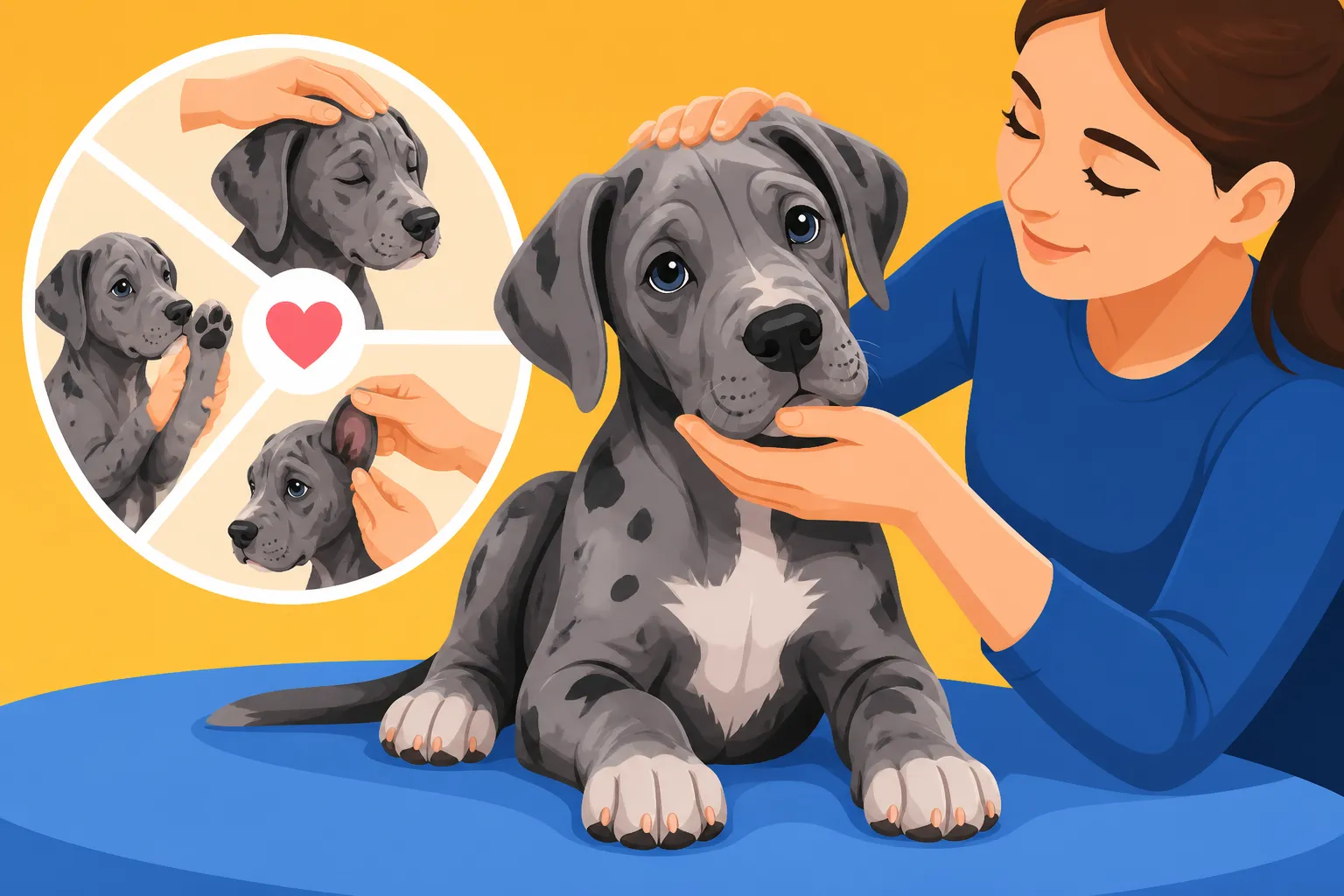
Handling doesn't always have to be an active training session. You can integrate gentle touch into everyday calm moments. While your puppy is relaxed, perhaps napping beside you or gently chewing a toy, softly stroke its paws, lift an ear, or feel its tail. The absence of pressure and the presence of a calm environment help reinforce that touch is not threatening.
For parents looking for structured guidance, programs like BAXTER & Bella online puppy school can provide excellent resources for teaching hands-on skills from home, often including video tutorials for these specific techniques. Consistency is far more important than intensity when it comes to desensitization and counter-conditioning.
Using Lick Mats and Distractions
Sometimes, a high-value distraction can be your best friend, especially when introducing handling to more sensitive areas or during procedures like nail trims. A lick mat smeared with peanut butter (xylitol-free!), plain yogurt, or canned pumpkin can keep your puppy happily occupied while you perform brief handling tasks.
Hold the lick mat for your puppy, let them get focused on it, and then gently touch a paw, or lift an ear for a second. Release the touch while they are still licking. This diverts their attention and makes the handling itself less noticeable, allowing the positive association with the treat to dominate the experience. You can find sturdy, large lick mats easily on Amazon that are suitable for a Great Dane's size and chewing power.
Specific Handling Techniques for Key Areas
Great Danes require thorough handling of specific body parts for health, hygiene, and overall well-being. Each area has its own unique considerations, and approaching them with patience and positive reinforcement is paramount.
Paws and Nails
Great Dane paws are substantial, and their nails grow quickly, requiring frequent trims. Getting your puppy used to having its feet handled is essential for preventing future struggles with nail care.
Start by simply touching your puppy's legs, then slowly progress to touching its paws, then individual toes, and finally, gently pressing on the nail beds. Always "touch and treat." Once comfortable, introduce the nail clippers or grinder. Don't actually trim a nail at first; just let your puppy see and sniff the tool, giving a treat. Then, gently tap the tool against a nail without clipping, followed by a treat. Gradually build up to trimming just the very tip of one nail, rewarding immediately. Many Great Dane owners find a Dremel-style nail grinder to be less stressful than clippers, as it causes less pressure on the quick. Investing in a good quality nail grinder or clippers, easily found on Amazon, can make a huge difference in managing Trimming Nails on a Great Dane That Outweighs You.
Mouth and Teeth
Oral hygiene is often overlooked but crucial for a Great Dane's health. Periodontal disease is rampant in dogs and can lead to serious systemic issues. Getting your puppy comfortable with having its mouth examined and teeth brushed will save you a lot of trouble down the road.
Begin by gently lifting your puppy's lips, giving a treat. Gradually progress to touching its gums and teeth with your finger, then introduce a canine toothbrush with a tasty dog toothpaste. Make it a game! Let them lick the toothpaste off the brush before you even attempt to brush. Short, positive sessions are key. Eventually, you'll want to be able to open their mouth briefly to inspect their back teeth, which is especially important for preventing Plaque on a Great Dane's Back Molars.
Ears and Tail
Both cropped and natural Great Dane ears need regular attention. Cropped ears require post-surgical care, while natural ears can be prone to infections due to lack of airflow. The tail, while often wagging joyfully, can also be prone to injury (think "happy tail syndrome") and needs to be inspected.
For ears, gently rub around them, then softly lift the ear flap, peering inside for a second, and treat. Gradually increase the duration. If your Great Dane has natural ears, you'll want to get them used to having the inside of the ear gently wiped with a vet-approved ear cleaner. This routine is critical for Ear Cleaning on a Cropped or Natural Great Dane. For tails, simply stroking from base to tip, lifting it gently, and checking for any mats or injuries, should be done with positive reinforcement. Be extra gentle, as the tail can be a very sensitive area for some dogs.
Dealing with Resistance and Fear
Even with the best intentions, some puppies might show resistance or fear towards handling certain areas. It's crucial to address these concerns with patience and understanding, never forcing a puppy into a fearful situation.
Identifying Signs of Discomfort
Learning your Great Dane puppy's body language is fundamental. Signs of discomfort can be subtle:
- Lip licking or yawning: Often stress signals.
- Turning head away or avoiding eye contact: Trying to disengage.
- Tensing muscles or lowering body: Preparing to pull away or brace.
- Growling or snapping: A clear warning that they are distressed and need space. This is a last resort for a dog; listen to the earlier signals!
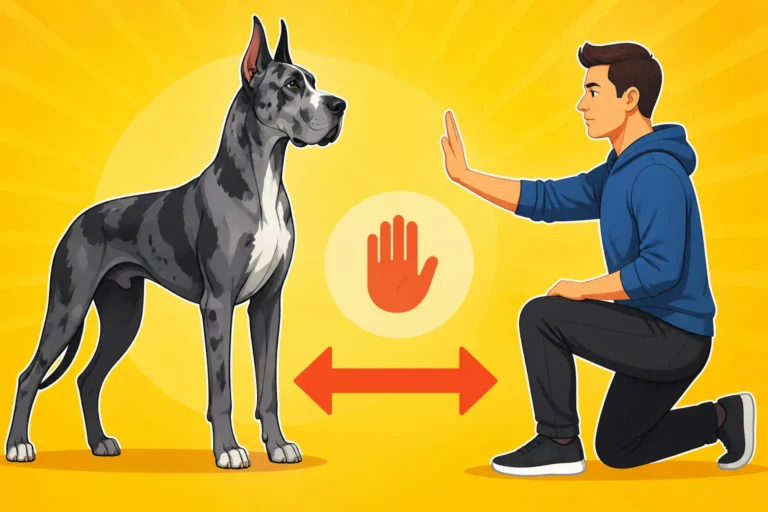
If you see any of these, immediately stop what you're doing, retreat to an easier level of handling, or end the session. Pushing a puppy past its comfort zone can erode trust and exacerbate the problem. You want to avoid any situation where your Great Dane perceives handling as punitive or scary.
Slowing Down and Backtracking
If your puppy resists, it's a sign you've moved too quickly. Take a step back to an easier level of handling where your puppy was comfortable. If touching a paw causes distress, go back to just touching the leg. Rebuild trust there with many positive repetitions before attempting the paw again, making sure to use even higher-value treats.
Sometimes, a change in environment can help. Try handling sessions in different, quiet parts of the house where your puppy feels safe. For persistent issues, a professional trainer or behaviorist can offer tailored strategies. Remember that consistent training is key, and if you're feeling overwhelmed, a comprehensive program like the one offered by BAXTER & Bella can be an invaluable asset.
Consulting a Professional Trainer or Veterinarian
For puppies displaying significant fear, aggression, or an inability to relax during handling, professional intervention is highly recommended. A certified professional dog trainer or a veterinary behaviorist can assess the underlying cause of the fear and develop a custom desensitization and counter-conditioning plan.
They can also help you identify specific triggers and teach you advanced techniques for managing anxiety. Never hesitate to seek help; addressing these issues early is far easier and more effective than waiting until your Great Dane is an adult, potentially making vet visits or grooming nearly impossible. Understanding how to manage these situations will also benefit you when facing unexpected The Vet Spending a Great Dane Needs Anyway down the line.
Integrating Handling into Daily Life and Training
Consistent, routine integration of handling ensures that these interactions become second nature to your Great Dane puppy. It's not just about designated "training times" but about weaving touch into the fabric of your everyday life.
The Power of Routine
Dogs thrive on routine. By incorporating handling into your daily schedule, you help your Great Dane anticipate and accept it as a normal part of its day. This could mean a quick ear check during morning cuddles, a paw massage before bed, or a full-body inspection after a walk.
Make it predictable and positive. For example, after every potty break, do a quick "sniff check" of its paws, followed by a treat. Or, when you sit down to watch TV, spend a few minutes gently running your hands over its body, checking its ears and mouth. The more frequently and consistently you perform these brief, positive checks, the more comfortable and accepting your Great Dane will become.
Using Handling as a Foundation for Other Training
Good handling manners are not just an isolated skill; they are a foundation for many other aspects of your Great Dane's training and care. A dog that is comfortable being handled is easier to:
- Put on a harness or collar.
- Clean if it gets muddy or dirty.
- Administer medication to.
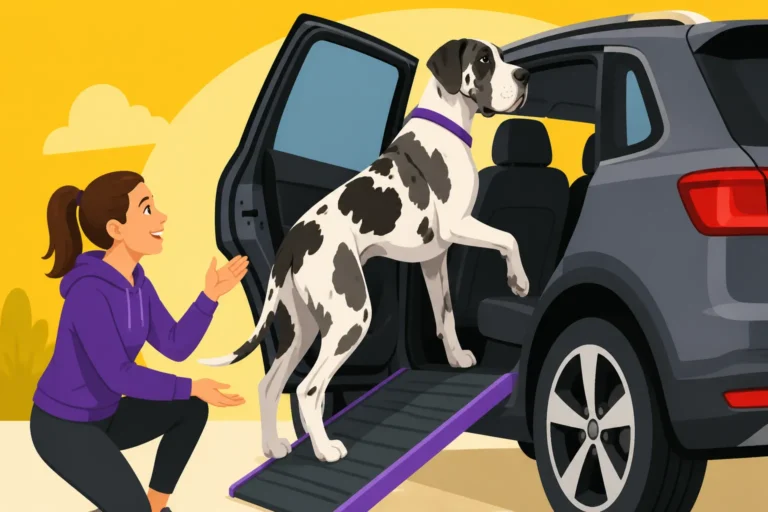
- Load into a car for trips to the vet or elsewhere. Getting a Great Dane to get into a car is much easier with a dog comfortable with being guided.
Think of it as building a robust communication system with your dog. When your Great Dane trusts your touch, it's more receptive to your guidance in other areas. This kind of early preparation can save immense stress later on, particularly when dealing with health challenges or unexpected emergencies, making interactions at the vet, even if Whether a Great Dane Even Fits on a Vet Table, much smoother.
Tools and Resources to Support Handling
There's a wealth of resources available to help you succeed. Investing in good quality tools designed for large breeds is a must. This includes durable nail grinders, large dog toothbrushes, and soft grooming brushes. Many of these essential items are readily available on Amazon, ensuring you have the right equipment for a giant breed.
Beyond physical tools, educational resources like online puppy courses, local puppy classes, and books on positive reinforcement training can provide invaluable guidance. Don't be afraid to experiment with different high-value treats and toys to find what truly motivates your Great Dane puppy. If you're looking for sturdy chew toys to redirect nipping during handling, you'll find a wide selection on Amazon that can stand up to a Dane puppy's powerful jaws.
Here’s a summary of key handling areas and why they matter:
| Body Part | Why Handling is Crucial | Quick Tip for Training |
|---|---|---|
| Paws | Nail trims, injury checks, paw pad health, vet exams | Start with gentle touches, gradually increase pressure and duration. Reward heavily. |
| Mouth | Dental care, medication, checking for foreign objects | Finger wipes, gentle lip lifts. Associate with tasty treats (e.g., dog toothpaste). |
| Ears | Cleaning, checking for infections, medication, vet exams | Soft rubs, brief ear flap lifts. Keep sessions short and positive. |
| Tail | Injury checks, grooming, vet exams, "happy tail" care | Gentle strokes from base to tip. Be mindful of potential injuries. |
| Body (full) | Grooming, vet exams, harness/collar fitting, petting | Full-body massages, checking under legs and belly. Ensure comfort, use long strokes. |
| Head/Face | Eye checks, wiping drool, administering medication | Gentle touches around the eyes and muzzle. Reward for calm acceptance. |
By dedicating time and consistent effort to getting your Great Dane puppy used to handling, you’re not just making your life easier; you’re investing in its long-term health, happiness, and overall well-being. A well-socialized and handled Great Dane is a joy to live with, a testament to the effort you put in during those crucial puppy months.
Disclaimer
This article is for general informational purposes only and does not constitute professional advice. Laws, prices and regulations vary by location and change over time. Consult a qualified professional for guidance on your specific situation.