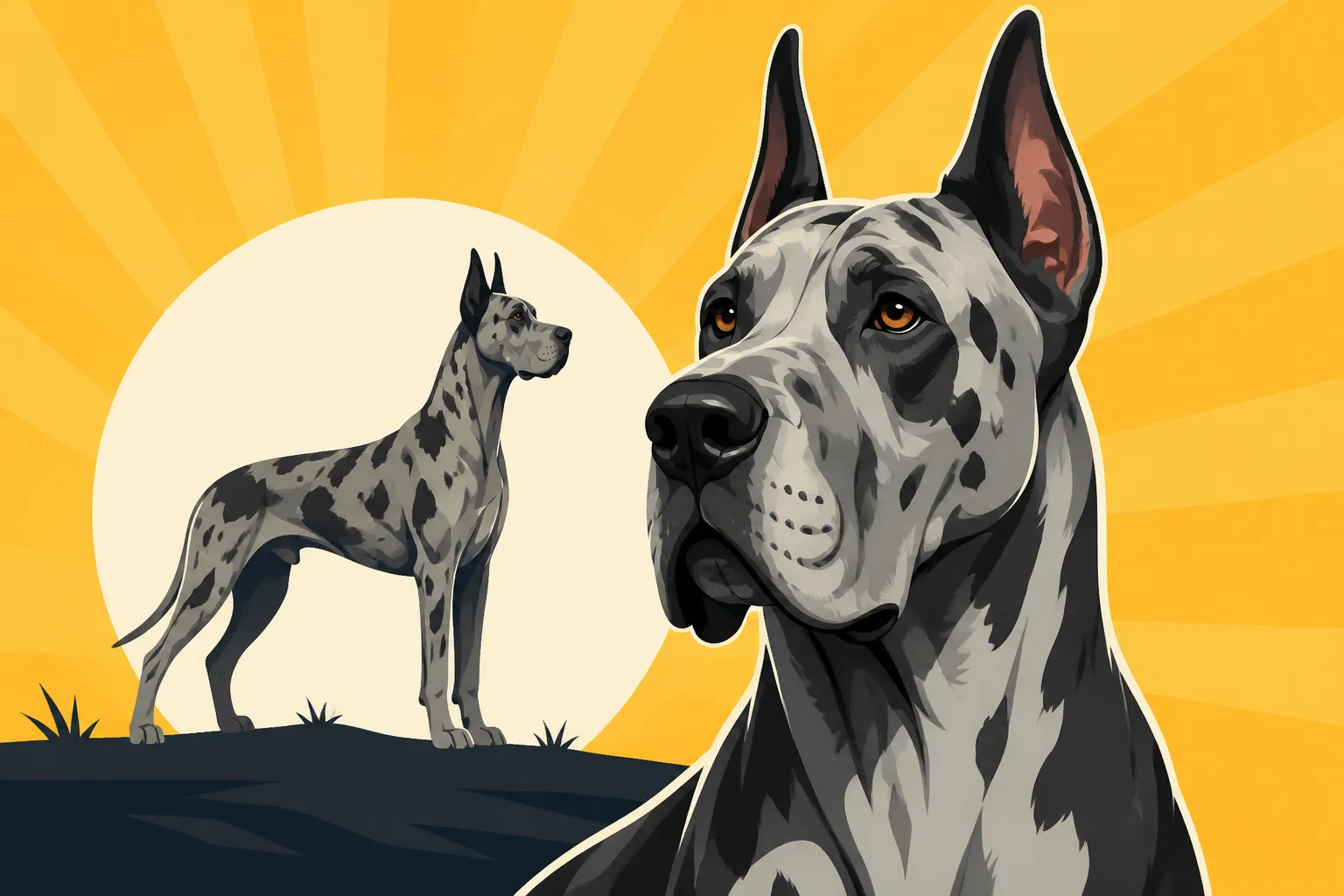
The Hundred and Forty Pound Great Dane Male
When you picture a Great Dane, you probably imagine a majestic, imposing figure, and a 140-pound male certainly fits that image. Many owners, especially those new to the breed, often wonder what this specific weight signifies for their giant companion – is it healthy, what does it mean for their growth, and how do you even begin to fuel and care for such a magnificent beast? This guide will dive deep into understanding what a 140-pound Great Dane male represents in terms of development, nutritional needs, and the unique care considerations that come with a dog of this impressive size.
Understanding the 140-Pound Great Dane Male: More Than Just Weight
Seeing your Great Dane hit 140 pounds can be a moment of awe, mixed with a little bit of "wow, you're really big now!" But it's important to understand that 140 pounds isn't just a number on a scale; it tells a story about your dog's age, development, and overall build. For a male Great Dane, this weight can represent a few different stages and body types, each with its own set of care considerations. It’s not simply about being "heavy"; it's about being robust, often powerful, and sometimes still growing into his full potential.
What 140 Pounds Means for a Male Dane's Development
For many male Great Danes, 140 pounds often falls within their adolescent or young adult phase. A male Great Dane typically reaches his full height by around 12-18 months, but they continue to fill out and gain muscle mass until they're about two to three years old. So, if your Dane is, say, 14 months old and 140 pounds, he's likely still developing and will probably add more weight and substance as he matures. He might still be a bit "lanky" in appearance, not quite as broad or deep-chested as a fully mature adult. Conversely, a two-year-old male at 140 pounds might be a fully developed, lean, and athletic specimen, or a slightly smaller framed Dane who has reached his mature weight.
The key here is recognizing that growth isn't just about getting taller. It's about bone density, muscle development, and the thickening of his overall frame. A 140-pound Great Dane who is still growing needs specific care to ensure his joints develop correctly, especially considering the rapid and immense changes his body is undergoing. Rapid growth can put undue stress on their developing bones and cartilage, which is why we often emphasize a slow, steady growth curve for Great Dane puppies. Remember, A Great Dane at Half Its Adult Weight by Six Months is a common milestone, meaning they still have a long way to go to full maturity. Understanding this context helps you tailor his diet and exercise to support healthy development rather than pushing for sheer size. You might also be interested in knowing How Tall a Great Dane Is at a Year to compare with his current growth.
The Ideal Body Condition at This Weight
Regardless of his exact age, maintaining an ideal body condition is paramount for a 140-pound Great Dane male. You want him to be substantial, yes, but not overweight. Being too heavy puts immense strain on his joints, heart, and other organs, which are already working overtime to support his large frame. On the flip side, being too thin can indicate a lack of proper nutrition or an underlying health issue, and it doesn't offer adequate cushioning for his bones.
A truly healthy 140-pound Great Dane should have a noticeable waist when viewed from above, and his abdomen should tuck up slightly when viewed from the side. You should be able to easily feel his ribs when you run your hands along his sides with slight pressure, but they shouldn't be visibly prominent or "sticking out." You should also be able to feel his spine and hip bones without them being sharp or bony. This body condition indicates a good balance of muscle mass and appropriate fat covering, essential for his long-term health. Learning Reading Ribs on a Great Dane is a practical skill for any owner. The goal is always to keep Keeping a Great Dane Lean for Its Joints for as long as possible.
Breed Standard vs. Real-World Danes
It's natural to compare your Great Dane to others, or to the breed standard, which describes the ideal characteristics, including size. The breed standard for male Great Danes generally calls for a minimum height of 30 inches at the shoulder, with typical weights ranging from 120 to 170 pounds, sometimes even more for particularly large or well-muscled individuals. A 140-pound male fits comfortably within this range, often representing a medium-to-large example of the breed.
However, individual variation is huge. Just like people, not all Great Danes are built exactly alike. Some lines naturally produce larger, heavier boned dogs, while others might be a bit more refined and athletic. Your 140-pound Great Dane could be a perfectly healthy, well-proportioned dog for his particular lineage. It’s important not to get hung up on chasing an arbitrary weight number if your dog is otherwise healthy, active, and maintains an ideal body condition. Focus on his overall well-being, energy levels, and zest for life rather than just the digits on the scale. A happy, healthy Dane is the best Dane, regardless of whether he's at the higher or lower end of the average weight for the breed.
Nutritional Needs of a 140-Pound Great Dane Male: Fueling a Giant
Feeding a 140-pound Great Dane male is an undertaking in itself! These magnificent dogs require substantial amounts of high-quality nutrition to maintain their immense size, muscle mass, and energy levels. It’s not just about quantity; it’s about ensuring the right quality and balance of nutrients to support their unique physiological demands and guard against common Great Dane health concerns like bloat and joint issues. This means moving beyond generic "large breed" advice and tailoring their diet to their specific needs.
Calorie Requirements and Food Volume
A 140-pound Great Dane male, especially if he's an active young adult, can easily consume a significant amount of food daily. While individual metabolism, activity level, and age play a role, many adult Great Danes require anywhere from 2,500 to 3,500 calories per day, and some even more. This translates into a considerable volume of kibble or other food. It's a common phrase in the Great Dane world that they can eat Feeding an Adult Great Dane Six to Ten Cups of dry food a day – and it's often true! This volume alone can be a shock for new owners.
The challenge is to provide these calories without overfeeding or underfeeding. Overfeeding, especially with calorie-dense foods, can quickly lead to excess weight, which is detrimental to their joints. Underfeeding, conversely, can lead to muscle loss and a lack of energy. It's crucial to Weighing a Great Dane's Ration precisely, rather than just eyeballing it. Use a kitchen scale for accuracy. Remember that treats and dental chews also contribute to their daily calorie intake, so factor those in. Many owners find that bulk buying from trusted online retailers like Chewy helps manage the costs and ensure a consistent supply of their dog's specific large-breed formula.
Protein, Fat, and Essential Nutrients
For a 140-pound Great Dane, the quality and balance of macronutrients – protein, fat, and carbohydrates – are incredibly important. Protein is essential for maintaining and building that impressive muscle mass. Look for dog foods where a named meat source (e.g., chicken, lamb, beef) is the first ingredient. An adult Great Dane typically thrives on a diet with a protein content in the range of 22-26%. High-quality fats provide concentrated energy and support healthy skin and coat. A fat content of 12-16% is usually appropriate.
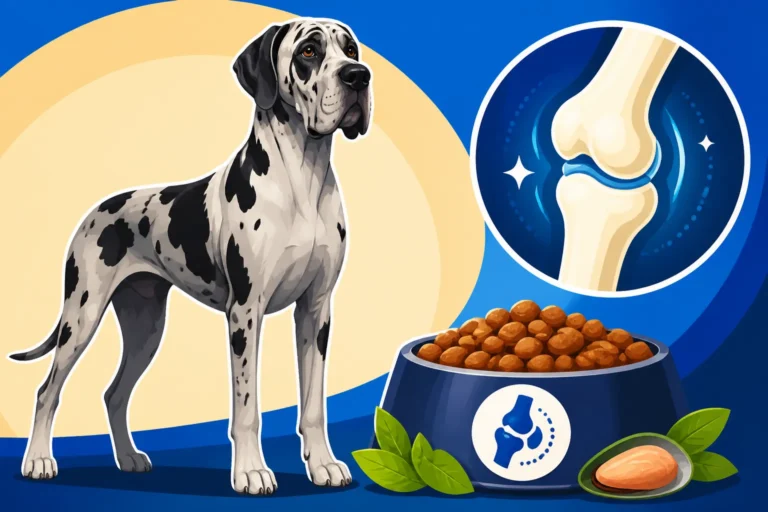
Beyond macros, pay close attention to micronutrients. Calcium and phosphorus ratios are critical, especially if your 140-pound Dane is still considered a growing adolescent. Imbalances, particularly too much calcium, can contribute to serious orthopedic issues like osteochondritis dissecans (OCD) and hypertrophic osteodystrophy (HOD). Many premium large-breed or giant-breed specific formulas are formulated with appropriate ratios. Glucosamine and chondroitin, often found in these specialized foods or as supplements, can also provide Joint Support Built Into Great Dane Food as a preventive measure for their large joints. Some owners consider fresh food options, but meeting the massive caloric and nutrient needs with services like Ollie for a 140-pound Dane can be significantly more complex and costly due to the sheer volume required.
Feeding Strategies for a Big Dane
How you feed your 140-pound Great Dane is almost as important as what you feed him. One of the most critical considerations for Great Danes is the risk of Gastric Dilatation-Volvulus (GDV), commonly known as bloat, a life-threatening condition where the stomach fills with gas and can twist. Several feeding strategies can help mitigate this risk.
Firstly, splitting his daily ration into at least two, preferably three, smaller meals throughout the day can reduce the amount of food in his stomach at any one time, making it less likely to bloat. This is a core part of The Feeding Routine That Lowers Great Dane Bloat Risk. Avoid Whether One Big Meal Bloats a Great Dane by not giving his entire day's food in one sitting. Secondly, consider using slow-feeder bowls or puzzle feeders. A Great Dane that bolts his food quickly can ingest a lot of air along with his meal, which is a risk factor for bloat. Slow feeders, even for a dog his size, can significantly reduce eating speed. Lastly, monitor activity before and after meals. It's generally advised to restrict vigorous exercise for at least an hour before and after eating. This means no running, jumping, or intense play right after he's finished his dinner. Many owners also debate the use of raised food bowls, with some believing they help and others suggesting they might increase bloat risk; it's a topic worth discussing with your veterinarian.
Managing the Health and Lifestyle of a 140-Pound Great Dane: Beyond the Bowl
A 140-pound Great Dane male brings immense joy, but also some unique challenges and responsibilities that go beyond just feeding him. His size impacts everything from how much he can exercise to the type of bed he needs and even routine veterinary visits. Proactive management of his health and lifestyle is key to ensuring he lives a comfortable, happy life and to preventing or mitigating the impact of health issues common to giant breeds.
Exercise and Joint Support
For a 140-pound Great Dane, particularly if he's still in his adolescent phase, exercise must be carefully managed to protect his developing joints. While Great Danes need regular exercise to maintain muscle tone and mental well-being, over-exercising a young, still-growing Dane can be incredibly damaging to his bones, ligaments, and cartilage. Think of it less as intense endurance work and more as moderate, consistent activity. Daily walks, perhaps 30-60 minutes, and supervised playtime in a secure yard are usually sufficient. Avoid forced running, jumping from heights, or prolonged strenuous activities until he is at least two years old and fully mature.
Even once fully grown, a 140-pound Great Dane will benefit from thoughtful exercise. Long, slow hikes are often better than short, intense bursts of activity. Be mindful of hard surfaces; repeated impact on pavement can be tough on their joints over time. As they age, or if they have existing joint issues, mobility aids like ramps for cars or Rugs and Runners for a Great Dane's Joints inside the home can make a significant difference. It's also wise to consider Whether a Great Dane Should Climb Stairs frequently, as this can put strain on their hips and elbows.
Grooming and Daily Care at This Scale
Grooming a 140-pound Great Dane might seem less daunting than a fluffy giant, given their short coat, but their sheer size presents its own set of considerations. Their short coat does shed, and regular brushing with a rubber curry brush or a shedding blade can help manage the loose hair and distribute natural oils, keeping his coat healthy and shiny. Brushing a Short-Coated Great Dane is usually quick but needs to be consistent.
Bathing a dog this size can be a monumental task. Unless you have a walk-in shower or a dedicated wash station, Bathing a Great Dane at Home often requires creative solutions, perhaps even a trip to a professional groomer with appropriate facilities. Nail trims are another big one. A 140-pound Dane has thick, strong nails, and keeping them short is vital for proper foot health and preventing splayed toes or discomfort when walking. Getting Trimming Nails on a Great Dane That Outweighs You requires patience, the right tools (heavy-duty clippers or a powerful Dremel-style grinder), and often, a second person to assist. Start nail care early in puppyhood to get him accustomed to it. And let’s not forget the drool! Many Great Danes are champion droolers, especially after drinking, so having designated "drool rags" on hand is a common practice for Dane owners.
The Importance of a Good Bed and Preventing Hygromas
For a 140-pound Great Dane, a comfortable, supportive bed isn't a luxury; it's a necessity for his joint health. Imagine all that weight constantly pressing down on his elbows and hocks when he lies on hard surfaces. Without proper cushioning, Great Danes are prone to developing elbow hygromas – fluid-filled sacs that form over bony prominences due to repeated trauma. These can become infected and require veterinary intervention.
Investing in a high-quality orthopedic bed, specifically designed for large and giant breeds, is one of the best investments you can make. Look for beds with dense, supportive foam that won't flatten out quickly under his weight. Choosing Foam Thick Enough for a Great Dane is critical; a thin, flimsy bed simply won't cut it. Many owners find great options on sites like Amazon that specify weight capacity and orthopedic features. Placing these beds in his favorite resting spots, and providing extra soft bedding even on carpeted areas, can go a long way in preventing pressure sores and ensuring his comfort. This preventative measure is key to Bedding a Great Dane to Protect Its Elbows.
Veterinary Care Considerations
Regular veterinary care is paramount for a 140-pound Great Dane male, but his size can make routine visits a bit more involved. From anesthesia to medication dosages, everything scales up with a giant breed. Be prepared for Why Anesthesia Costs More for a Great Dane; it's not just about the drugs themselves, but also the increased monitoring time and specialized equipment. Always ensure your vet is experienced with giant breeds and understands their unique physiological characteristics, especially regarding drug metabolism and heart health.
Medication dosages for a 140-pound dog will naturally be much higher than for a smaller breed, meaning that a routine course of antibiotics or pain medication will cost more. This is part of Why Drugs Cost More at Great Dane Weight. Discuss with your vet the best way to administer medications, as pilling a reluctant 140-pound dog can be a challenge! Preventative care, such as regular heart screenings, is also critical for Great Danes, who are prone to conditions like Dilated Cardiomyopathy (DCM). Establishing a good relationship with a vet who truly understands giant breeds will be an invaluable asset throughout your Great Dane's life.
| Aspect of Care | Considerations for a 140-Pound Great Dane Male |
|---|---|
| Dietary Volume | High caloric needs, often 6-10 cups of kibble daily. Precision weighing of food is vital. |
| Nutrient Balance | Focus on appropriate protein (22-26%), fat (12-16%), and carefully balanced calcium/phosphorus ratios. |
| Feeding Frequency | Minimum two, ideally three, smaller meals daily to reduce bloat risk. |
| Exercise Type | Moderate, consistent activity (walks, light play). Avoid strenuous exercise, especially in adolescence. |
| Joint Protection | Orthopedic bedding is essential. Limit jumping, stair climbing. Consider joint supplements. |
| Grooming Tasks | Regular brushing for shedding control. Bathing requires significant space/effort. Nail trims need heavy-duty tools. |
| Veterinary Visits | Anesthesia, medication, and handling are all scaled up. Find a vet experienced with giant breeds. |
Disclaimer
This article is for general informational purposes only and does not constitute professional advice. Laws, prices and regulations vary by location and change over time. Consult a qualified professional for guidance on your specific situation.