Feeling a Great Dane’s Ribs and Spine
One of the trickiest things about owning a Great Dane is truly knowing if they’re at a healthy weight. Their sheer size, deep chests, and often sleek build can make a perfectly conditioned Dane look "too thin" to the untrained eye, leading to worries and even overfeeding. This comprehensive guide will walk you through the essential hands-on techniques for assessing your Great Dane's body condition by feeling their ribs and spine, helping you ensure they thrive.
Why Visual Cues Aren't Enough for Great Danes
It's natural to glance at your Great Dane and think, "Are they too skinny?" especially if you're used to smaller, fluffier breeds or dogs with a different body type. Great Danes, being true giants, carry themselves with a certain elegance and lean athleticism that can be profoundly misleading if you're only relying on your eyes. What looks like a lack of flesh to one person might actually be a perfectly healthy, athletic build for a Dane.
The Challenge of the Giant Breed Build
Great Danes possess a unique skeletal and muscular structure that often belies their true condition. They have incredibly deep chests, long legs, and a relatively short, smooth coat that doesn't hide much. When you look at their profile, you'll often see a distinct tuck-up from their deep chest to their waist, and their ribs might even appear slightly visible. For many dog owners, particularly those new to giant breeds, this can trigger alarm bells. We're conditioned to believe that visible ribs mean starvation, but for a Great Dane, a hint of rib showing when they're standing tall and breathing might be perfectly normal, especially if they are young and growing, or very active. Many well-meaning owners end up overfeeding their Danes because they mistakenly believe their dog is underweight, trying to "fatten them up" to achieve a more rounded look that isn't ideal for the breed. This misunderstanding can inadvertently lead to significant health problems down the line.
The Dangers of Being Over or Underweight
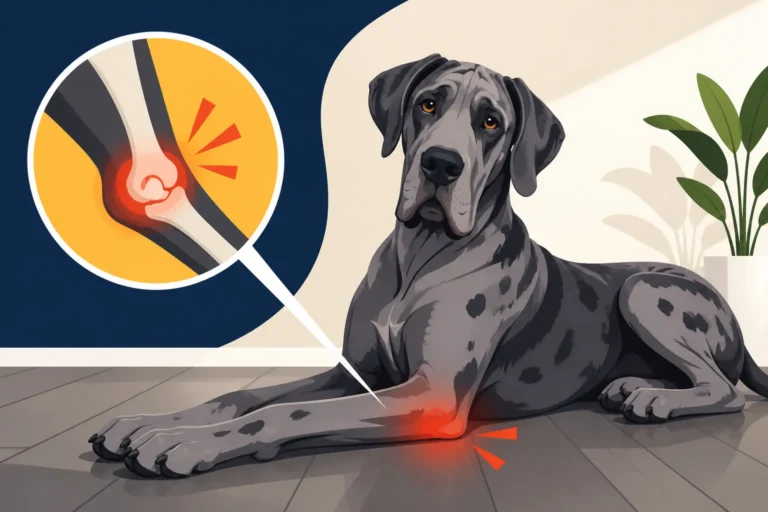
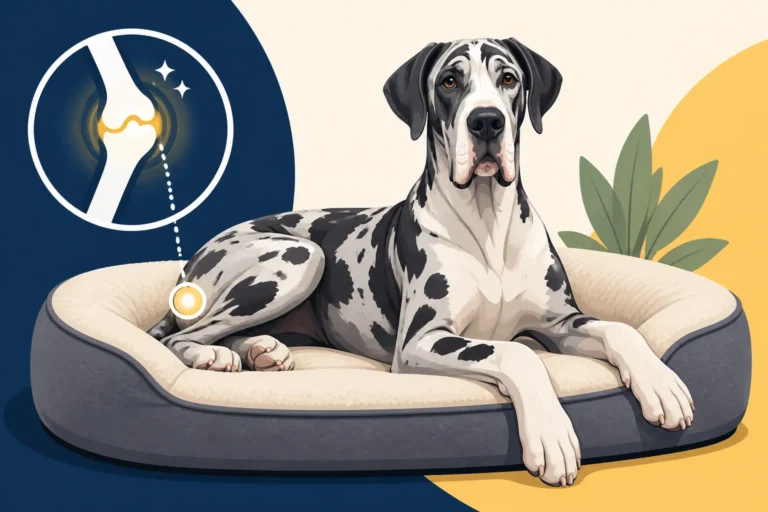
Maintaining an optimal weight is paramount for Great Danes, perhaps even more so than for many other breeds, because of the immense strain their large bodies already endure. Being even slightly overweight places enormous stress on their joints, which are already susceptible to conditions like Great Dane Hips, Elbows and Growing Joints. Extra pounds exacerbate the wear and tear, contributing to earlier onset and more severe arthritis, hip dysplasia, and elbow issues. It also puts undue strain on their heart, a muscle already prone to specific diseases in Great Danes, such as The Heart Muscle Disease Great Danes Are Prone To. An overweight Dane might experience reduced stamina, difficulty breathing, and a significantly shortened lifespan.
Conversely, an underweight Great Dane can also face serious health challenges. While less common than being overweight, a Dane that is too thin might not be receiving adequate nutrients, leading to a compromised immune system, poor coat quality, and muscle wasting. This could indicate underlying health issues like malabsorption, parasites, or even certain cancers. In growing puppies, insufficient nutrition or rapid growth spurts can lead to developmental bone problems. It’s a delicate balance, and knowing how to accurately assess their condition is your first line of defense in protecting their long-term health.
The Hands-On Approach: Palpation for Condition Scoring
Since visual cues can be misleading for Great Danes, the most accurate way to assess their body condition is through palpation – essentially, using your hands to feel their body. This method helps you gauge the fat covering over their bones, giving you a much clearer picture of their health than a simple visual inspection ever could. It’s a technique every Great Dane owner should master, turning guesswork into informed care.
Finding the Ribs: A Gentle Touch
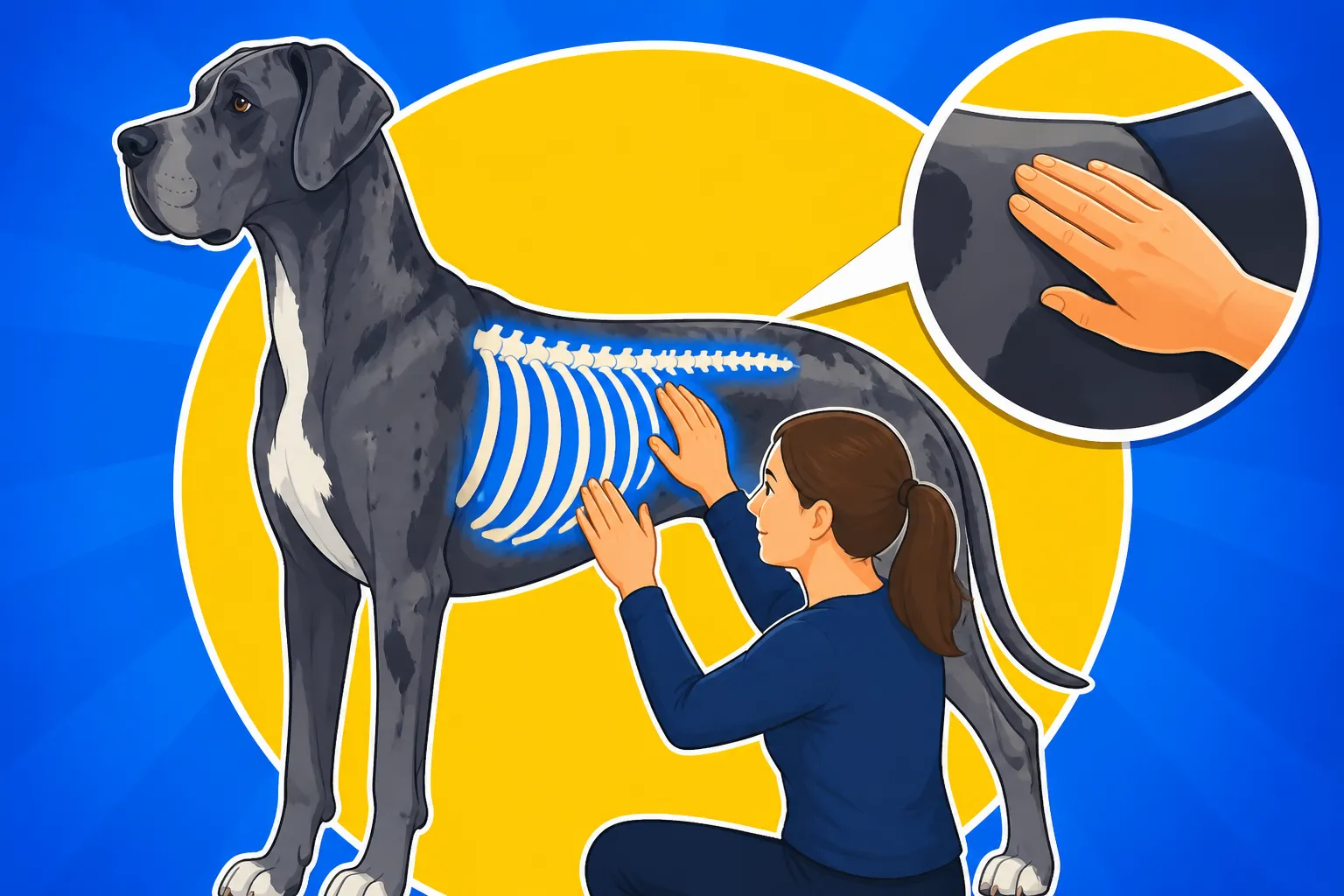
To start, position yourself comfortably next to your Great Dane, ideally when they are standing relaxed. Gently place both palms flat against their side, just behind their elbow, where their ribs begin. With light pressure, run your hands backward over their rib cage. You're trying to feel for the individual ribs beneath the skin and muscle.
What you're aiming for is to feel the ribs easily, without having to press hard, but also without them feeling sharp or prominently sticking out. A good analogy is to compare the feeling to the knuckles on the back of your hand when your hand is flat. You can feel them distinctly, but they aren't painfully protruding. If you can count each rib with very little effort, and they feel quite prominent, your Dane might be a little too lean. If, on the other hand, you have to press quite firmly to feel the ribs, and they feel padded, then your Dane is likely carrying too much weight. The goal is that sweet spot where they are distinct but covered.
This gentle palpation should be a regular part of your routine. It’s not about finding a single correct answer immediately, but rather about developing a consistent sense of what your individual dog feels like at a healthy weight. As you do this over time, you'll become attuned to any subtle changes, allowing you to make proactive adjustments to their diet or exercise.
Assessing the Spine and Hip Bones
Once you've felt the ribs, move your hands along your Great Dane's back, focusing on their spine. Starting from just behind their shoulders, run your fingers down their back over the lumbar vertebrae towards their tail. Similar to the ribs, you should be able to feel the individual bumps of the spinal column with mild pressure.
If the spinal vertebrae feel like a string of pearls that are easily palpable but not sharp or exposed, that's generally a good sign. If you can see the individual vertebrae sticking up and they feel bony without much flesh over them, your Dane is likely underweight. Conversely, if you have to press hard to feel any definition, and the back feels broad and flat, your Dane is probably overweight. There should be a smooth but palpable transition along the spine.
Next, move your hands to their hips. Place your hands on either side of their pelvis, just above the tail. You should be able to feel the hip bones (ilium) without them being overly prominent or sharp. If they feel extremely bony, almost like sharp points, your Dane is too thin. If you can barely feel them, and there's a thick layer of padding, they're likely overweight.
Remember, what you’re looking for is a gentle covering of muscle and a thin layer of fat over these bony prominences. These areas are key indicators because they are less prone to muscle mass fluctuations than other parts of the body, offering a consistent reference point for body condition. Regular checks here, combined with rib assessment, give you a comprehensive picture of your Dane's weight.
What a Healthy Great Dane's Body Condition Feels Like
Understanding what "healthy" feels like for a Great Dane is less about hitting a specific number on a scale and more about recognizing the tactile cues of a balanced body condition. Because their build can be so deceptive visually, developing a reliable "feel" for their frame is truly the most powerful tool you have as an owner. It allows you to tune out the well-meaning but often incorrect comments from others and focus on what's best for your individual dog.
The "Ideal" Great Dane Body Score
When you're running your hands over your Great Dane, the "ideal" body condition translates to a specific sensation. Imagine running your fingers along the back of your hand – you can clearly feel the bones of your knuckles and fingers, but they aren't sharp or painful. There's a slight cushioning of skin and tissue. This is roughly what you should aim to feel when you gently press along your Dane's rib cage, spine, and hip bones. You should be able to count the ribs without effort, but without them feeling like sharp ridges. The spine should have discernible bumps, but they shouldn't protrude excessively. Their hip bones should be easily felt, but not alarmingly prominent.
The general consensus among Great Dane enthusiasts and veterinarians is that a lean body condition is preferable. Great Danes are prone to a host of orthopedic issues, and maintaining a lean frame significantly reduces the stress on their developing and aging joints. Keeping a Great Dane Lean for Its Joints is not just good advice; it's essential for their longevity and quality of life. A Great Dane that is slightly on the lean side will typically be more agile, have better stamina, and face fewer joint-related problems compared to one that carries even a few extra pounds. Don't be fooled by the idea that a "big dog" needs to be "chunky" – quite the opposite is true for these magnificent hounds.
Factors Influencing Body Condition
Several factors can influence your Great Dane's body condition, and it's important to consider these when assessing their weight. It's not a static state; rather, it's a dynamic balance that changes throughout their life.
- Age: Great Dane puppies are in a period of intense, rapid growth. Their nutritional needs are incredibly specific, and it’s crucial to prevent them from growing too quickly, which can damage their developing joints. Bone Development Problems in a Great Dane Puppy are often linked to improper growth rates. As they age, their metabolism might slow down, or they might become less active, requiring adjustments to their diet. Senior Danes, particularly those Caring for a Great Dane Past Six, might start to lose muscle mass naturally, and their body condition can shift even if their weight stays the same.
- Activity Level: A Great Dane that spends its days mostly lounging on the sofa will have different caloric needs than one that regularly enjoys long, brisk walks or participates in dog sports. An active Dane will naturally carry less fat and more muscle. However, even active Danes need care; too much intense exercise, especially in young dogs, can be detrimental to their joints. Exercise Limits While a Great Dane Is Still Growing are crucial to remember.
- Health Conditions: Underlying medical issues can drastically affect a Great Dane's weight and body condition. Conditions like thyroid imbalances can cause unexplained weight gain, even with normal food intake. The Thyroid Test a Slow Great Dane Needs if they show signs of unexplained weight changes or lethargy. Conversely, digestive issues, dental problems, or other illnesses can lead to unintentional weight loss. Always consult your veterinarian if you notice sudden or unexplained changes in your Dane's body condition, as it could be a symptom of a more serious health concern. Regular vet check-ups are vital for catching these issues early.
| Body Part | Too Thin (Underweight) | Ideal (Healthy) | Too Heavy (Overweight) |
|---|---|---|---|
| Ribs | Clearly visible, very prominent, sharp to the touch. | Easily felt with light pressure, distinct but with slight covering. | Difficult to feel, requires firm pressure, padded. |
| Spine | Individual vertebrae visible and sharp, little to no muscle. | Vertebrae are palpable with mild pressure, smooth transition. | Broad, flat back; vertebrae hard to feel, heavily padded. |
| Hip Bones | Very prominent and bony, almost protruding. | Easily felt but rounded, not sharp. | Difficult to feel, covered in thick padding. |
| Waist (Tuck-Up) | Extreme hourglass shape, very severe tuck-up. | Clearly defined waist behind ribs when viewed from above. | Little to no waist definition, back appears straight. |
Adjusting Your Great Dane's Diet and Exercise
Once you've accurately assessed your Great Dane's body condition through palpation, you'll have a much better idea of whether adjustments are needed in their diet or exercise routine. Remember, any changes should be gradual and always with your veterinarian's guidance, especially for significant shifts. The goal is long-term health, not a quick fix.
When to Adjust Food Intake
If your Great Dane is consistently feeling too lean, meaning their ribs, spine, and hip bones are overly prominent and sharp without enough covering, it might be time to gently increase their food intake. Start by adding a small amount to each meal, perhaps an extra quarter or half cup per feeding, and monitor their condition over a couple of weeks. Look for foods that are nutrient-dense and appropriate for large breeds, as not all kibble is created equal. Some owners explore fresh food options like those offered by Ollie, which can be portioned precisely and tailored to a Great Dane's specific needs, though at Dane volumes, this requires careful budgeting. Alternatively, high-quality kibble brands, often found on platforms like Chewy, provide balanced nutrition. Avoid the temptation to free-feed or make drastic increases, as this can lead to digestive upset or, in puppies, dangerously rapid growth.
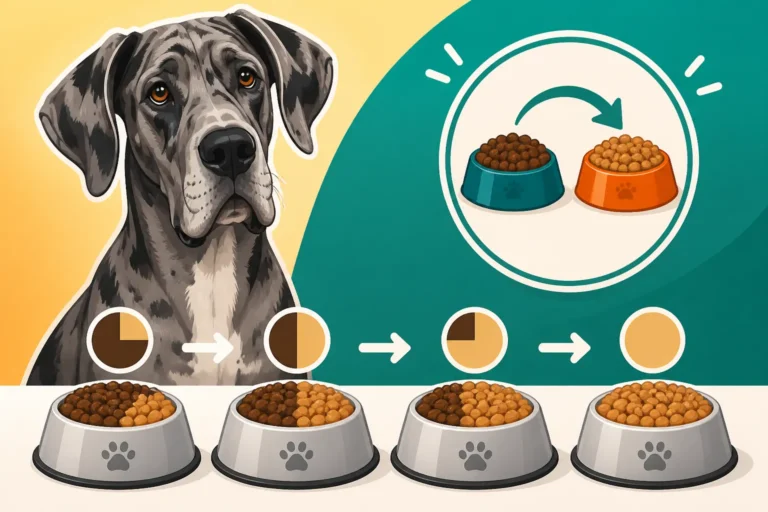
If, however, your Great Dane feels padded and you're struggling to locate their ribs or spine without firm pressure, it's a clear sign they're carrying too much weight. This is where patience and consistency come into play. Begin by slightly reducing their portion sizes. Instead of immediately switching to a "diet" food, sometimes a moderate reduction in their current high-quality food is enough. Focus on Slimming a Great Dane Without Starving It – you want them to feel satisfied, not deprived. You might also consider spreading their meals across more frequent, smaller servings to keep their metabolism steady and help manage hunger. Always make Changing a Great Dane's Food Gradually to avoid an upset stomach.
The Role of Appropriate Exercise
Exercise plays a critical role alongside diet in maintaining a healthy body condition. For Great Danes, it's not about high-impact, strenuous activity, especially when they're young. Their joints are delicate during growth, and pushing them too hard can lead to orthopedic problems down the line. How Much a Growing Great Dane Should Walk needs to be carefully managed, and vigorous activities like long-distance running or intense agility should be avoided until they are fully mature, typically around 18-24 months. Why a Great Dane Puppy Should Not Jog is a lesson many new owners learn the hard way.
Instead, focus on consistent, moderate exercise. Daily walks at a brisk pace, appropriate for their age and energy level, are excellent. Supervised playtime in a securely fenced yard where they can stretch their legs at their own pace is also beneficial. Mental stimulation through puzzle toys or training sessions can also contribute to calorie burning and overall well-being. For older Danes, gentle, shorter walks or even hydrotherapy can help maintain muscle mass without over-stressing arthritic joints. The key is finding a routine that keeps them active and engaged without risking injury or excessive strain on their giant frame.
The Importance of Regular Vet Check-ups
Even with your diligent hands-on assessment, regular veterinary check-ups are absolutely non-negotiable for Great Danes. Your vet can provide an objective, professional body condition score and offer tailored dietary recommendations based on your individual dog's age, health status, and lifestyle. They can also rule out any underlying medical conditions that might be affecting your Dane's weight, such as thyroid issues, dental pain, or other internal problems.
During your The Yearly Checkup a Great Dane Needs, your vet will not only examine them but can also help you refine your palpation technique, ensuring you're accurately interpreting what you feel. They can recommend specific food formulations, discuss appropriate portion sizes, and advise on safe exercise routines. If you're considering major dietary changes or your Dane has significant weight issues, your vet is your best resource to create a safe and effective plan. Never underestimate the value of professional guidance when it comes to the health and longevity of your magnificent Great Dane.
Disclaimer
This article is for general informational purposes only and does not constitute professional advice. Laws, prices and regulations vary by location and change over time. Consult a qualified professional for guidance on your specific situation.