How Big a Great Dane Actually Gets
When you first fall in love with the idea of bringing a Great Dane into your life, the sheer scale of these magnificent creatures can be a bit abstract. You see pictures, you read about them, but nothing truly prepares you for the moment you realize just how big a full-grown Great Dane actually gets. This isn't just about a dog being "large"; it's about a dog that challenges your perception of canine size, transforming your home, your budget, and even your daily routine. This comprehensive guide will walk you through the surprising growth journey of a Great Dane, explore the official and unofficial measurements, and delve into the very real implications of living with such an impressive animal.
Understanding the Great Dane Growth Curve
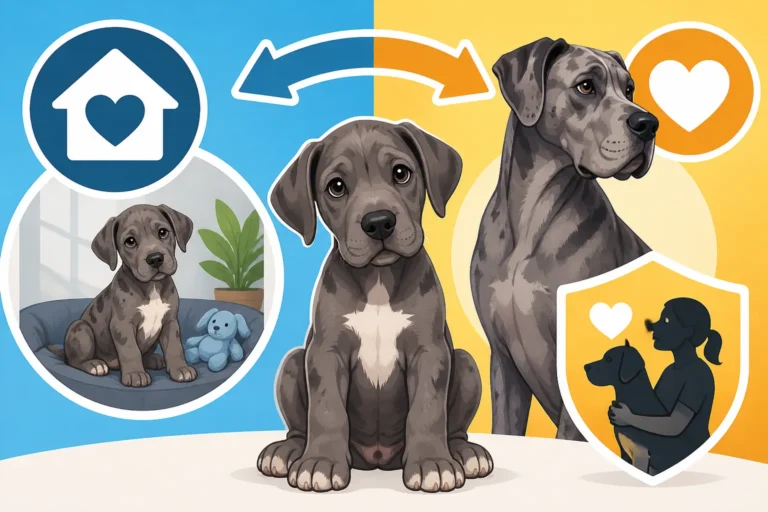
Bringing home a Great Dane puppy is an exercise in managing expectations. They start as adorable, clumsy bundles of fluff, small enough to curl up in your lap – for a fleeting moment, at least. But beneath that cute exterior is a growth engine unlike almost any other breed. They don't just grow; they explode in size, often catching first-time owners completely off guard. This rapid development is a defining characteristic of the breed, and understanding its phases is crucial for their health and your sanity.
The Rapid Ascent: Puppy to Adolescent Dane
From the moment they arrive, usually around 8-12 weeks, a Great Dane puppy is on a mission to grow. Seriously, it feels like you can watch them getting bigger before your very eyes. That little puppy you brought home will likely double, or even triple, its weight in just the first few months. By the time they hit six months old, many Great Danes are already half their adult weight and nearly their full adult height. Imagine a dog that, at half a year, weighs as much as many fully grown medium-sized breeds! This isn't just a fun fact; it's a critical period where their bones, joints, and muscles are developing at an incredible pace. Any misstep in nutrition or exercise during this time can have lifelong consequences, setting the stage for orthopedic problems down the road. They're often gangly, awkward, and all legs, constantly tripping over their own rapidly expanding paws. It’s an endearing phase, but one that absolutely requires vigilance to ensure proper, healthy development.
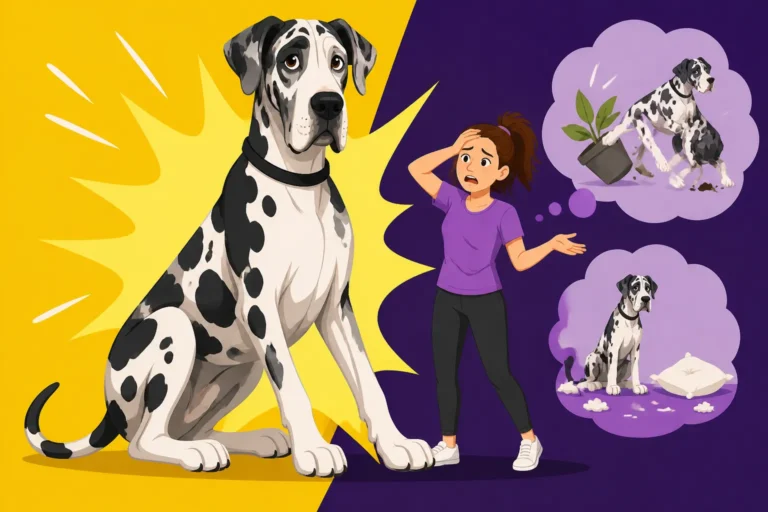
This period of explosive growth means your tiny puppy will soon be a formidable presence. You might think you have plenty of time to teach leash manners or prevent jumping, but that window closes faster than you’d believe. A six-month-old Dane, still very much a puppy in its brain, might already weigh 80-100 pounds. Trying to physically manage an enthusiastic "puppy" of that size who hasn't learned boundaries is a recipe for disaster, or at least a pulled shoulder. This rapid physical development is why early training and socialization are non-negotiable. What’s cute at 20 pounds is simply not manageable at 120. They are quite literally growing into their colossal shoes faster than you can keep up, making every lesson taught in those early months incredibly important.
When Growth Plateaus: Height vs. Filling Out
While Great Danes seem to sprout upwards endlessly, their height generally peaks earlier than their weight. Most Danes reach their mature height by about 12-18 months of age, though some males might add another inch or two until they're closer to two years old. It’s a relief for owners who find themselves constantly adjusting furniture to avoid tail-whips or head bonks. You might wake up one morning and suddenly realize your dog hasn't gotten taller, but they certainly haven't stopped growing. The next phase of their development is all about "filling out." After reaching their full height, they begin to add muscle mass and breadth, often continuing to gain weight and mature in their physical structure until they are around two to three years old. This means that while they might not grow upwards, they'll become denser, more substantial, and even more imposing.
This filling-out process is where the true "Great Dane" physique emerges. They transition from being lanky adolescents to powerful, majestic adults. Their chests deepen, their shoulders broaden, and their overall presence becomes even more significant. This later stage of growth requires continued attention to diet and appropriate exercise to support muscle development without stressing their already massive skeletal system. You'll notice changes in their gait, their posture, and their overall energy levels as they mature. It's fascinating to observe this transformation, but it's also a period where owners need to remember that even if the frantic vertical growth has slowed, their bodies are still undergoing significant development. Don’t rush their physical activity; let them mature naturally. You can learn more about this journey in The Great Dane Growth Curve Month by Month and How Tall a Great Dane Is at a Year.
Official Breed Standards: What They Say About Size
When we talk about how big a Great Dane actually gets, it's helpful to look at the official breed standards set by organizations like the American Kennel Club (AKC) and the Fédération Cynologique Internationale (FCI). These standards define the ideal characteristics of the breed, including their impressive size, and serve as guidelines for breeders and judges in the show ring. While not every Great Dane will perfectly match these descriptions, they give us a solid benchmark for what's considered "correct" for the breed.
The AKC and FCI Perspective on Height
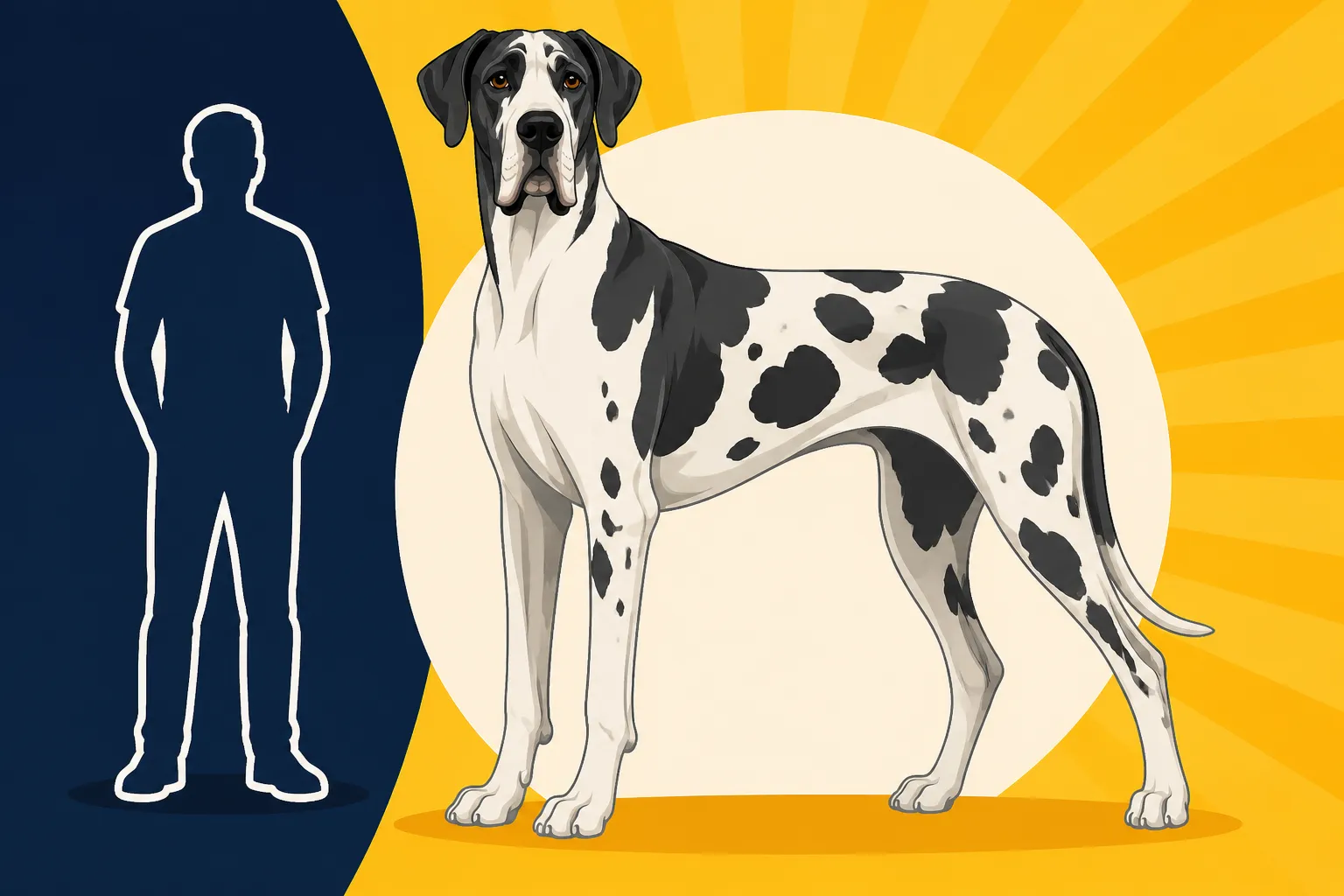
Both the AKC and FCI standards emphasize a powerful, well-formed dog with an imposing presence, and height is a major component of this. For males, the AKC standard states that the minimum height at the withers (the highest point of the shoulder blades) should be 30 inches, with 32 inches or more being preferred. Females are slightly smaller, with a minimum of 28 inches at the withers, and 30 inches or more preferred. These aren't just arbitrary numbers; they reflect the breed's historical role and desired physical prowess. Imagine a dog that stands taller than many kitchen counters, even at the minimum standard! It’s this vertical reach that often surprises people most.
It's important to understand that these are minimum heights. While there isn't an official maximum height, excessive height that compromises the dog's balance, gait, or overall health is generally not favored. The goal is a dog that is proportionally built, elegant, and powerful, not just tall for the sake of being tall. A Dane should move with grace and strength, and an extreme height can sometimes hinder that. Therefore, while your dog might exceed the "preferred" height, the emphasis is always on overall conformation and health. The standard is looking for grandeur, not just inches. For a deeper dive, check out The Thirty-Two Inch Male Great Dane and Whether a Female Great Dane Is Much Smaller.
Weight: A Range, Not a Fixed Number
Unlike height, which has specific minimums, breed standards typically don't give exact weight ranges for Great Danes. Instead, they describe weight in terms of proportion and condition. The AKC standard, for example, states that a Great Dane should be "well-muscled, with a powerful, well-constructed body." This means that the weight should be in proportion to the dog's height and bone structure, presenting a lean, athletic appearance rather than being underweight or overweight. For an adult male Great Dane standing at 32 inches or more, a healthy weight might typically range from 120 to 170 pounds, or even slightly more for a particularly large and muscular individual. Females, being generally smaller in height and bone, would typically fall into a range of 100 to 140 pounds.
The absence of a strict weight number means that owners and breeders must focus on body condition score. You should be able to easily feel your Dane's ribs without seeing them prominently, and they should have a discernible waist when viewed from above. An overweight Great Dane is at significantly higher risk for joint problems, heart issues, and other health complications that are already a concern for such a large breed. Conversely, an underweight Dane might be struggling with nutrition or an underlying health issue. The goal is always a lean, fit athlete, regardless of their exact number on the scale. For context on this, consider The Hundred and Forty Pound Great Dane Male. It’s a constant balancing act to ensure they are robust without being burdened by excess weight.
Beyond the Standard: Record Breakers and Outliers
While breed standards give us a general idea of Great Dane size, sometimes a dog comes along that truly defies expectations, pushing the boundaries of what we thought possible. These are the giants among giants, the Great Danes who etch their names into record books and become legends in their own right. They are a testament to the breed's potential for sheer physical presence, but they also serve as a reminder that such extreme size comes with its own unique set of considerations.
The Giants Among Giants: World Records
Over the years, several Great Danes have captured international attention for their astounding size, holding records for the world's tallest dog. Imagine a dog that stands well over three feet tall at the shoulder, and even taller when standing on its hind legs! These dogs often weigh upwards of 200 pounds, towering over most humans. These are truly rare individuals, and their existence highlights the genetic potential within the breed for extraordinary growth. News stories often feature these gentle behemoths, showing them happily interacting with their families, unaware of the awe they inspire simply by standing there. These record-holders are usually male, as males tend to be larger and heavier than females. Their paws alone can be the size of a human hand, and their heads are often described as being the size of a football.
Living with a record-breaking Great Dane presents challenges that go beyond typical large-dog ownership. Everything, from their colossal appetite to the sheer space they occupy, is magnified. Special accommodations often need to be made for things like custom-built crates, reinforced car ramps, and even specific types of flooring to support their immense weight. While fascinating, it's important to remember that such extreme size is an outlier, not the norm, and it often comes with increased health monitoring requirements. The public often sees the impressive stature, but the owners are keenly aware of the daily logistics involved. The Tallest Great Dane Ever Recorded provides a glimpse into these extraordinary individuals.
Factors Influencing Exceptional Size
The primary factor determining a Great Dane's potential for exceptional size is genetics. Just like in humans, some individuals inherit a propensity for greater height and mass from their lineage. If a puppy comes from a line of exceptionally tall and robust Danes, there's a higher chance it might also grow to an impressive size. However, genetics alone aren't the whole story. Nutrition plays a crucial, albeit delicate, role, especially during the puppy and adolescent stages. Providing a high-quality, large-breed puppy food formulated for slow growth is essential. Paradoxically, trying to force a Great Dane to grow bigger, or faster, through overfeeding or inappropriate supplements, can actually be detrimental.
Many well-meaning owners might think that extra calcium or protein will lead to a larger dog, but this is a dangerous misconception. Rapid, uncontrolled growth, particularly from an imbalance of nutrients, can lead to serious and irreversible orthopedic issues such as Hypertrophic Osteodystrophy (HOD) or Panosteitis. These painful conditions can permanently damage developing bones and joints, ironically preventing the dog from reaching its full, healthy size potential. The goal should always be steady, controlled growth for optimal health, not speed or extreme size. Therefore, while genetics sets the stage, responsible ownership through proper nutrition and exercise allows a Great Dane to reach its healthy genetic potential, whatever that size may be. This delicate balance is something every Great Dane owner needs to understand, as discussed in Whether a Great Dane Puppy Should Be Kept Lean and Whether Extra Calcium Damages a Great Dane.
The Practical Implications of Great Dane Size
Living with a Great Dane is a unique experience. Their size isn't just a number on a scale or a measurement at the shoulder; it's a constant, tangible presence that affects every aspect of your life. From the moment you open your door to one of these majestic animals, you'll discover that ordinary objects become small, everyday tasks become strategic operations, and your definition of "dog-friendly" will be irrevocably altered.
Space Requirements: Indoors and Out
One of the most common misconceptions about Great Danes is that their size means they need a sprawling estate to be happy. While a large, securely fenced yard is certainly a bonus, especially for their zoomies, Great Danes are often described as "indoor dogs." What they really need inside is floor space to stretch out and move comfortably, not necessarily endless rooms. A Great Dane can curl up surprisingly small when asleep, but they take up a lot of real estate when they’re moving around, standing, or playing. Their tails can clear coffee tables with a single wag, and a playful body slam can send an unsuspecting guest reeling. You'll quickly learn to strategically place furniture to create clear pathways and avoid breakables.
Consider your doorways, hallways, and staircases. Can your fully grown Dane comfortably navigate them? What about when they're older and less agile? While they might not be constantly running laps indoors, they need room to turn around, lie down without their head in one room and their tail in another, and get up without bumping into everything. Outdoor space is crucial for exercise, but it doesn't need to be acres. A decent-sized, securely fenced yard where they can trot and sniff around, coupled with daily walks, is often sufficient. They also need a quiet, comfortable spot indoors where they feel secure and can retreat from the hustle and bustle, ideally with a bed large enough to truly stretch out on. This critical need for space, both physical and visual, is why How Much Space a Great Dane Really Needs is a topic frequently discussed among owners.
Equipment and Supplies: Scaling Up Everything
When you bring home a Great Dane, prepare to scale up your shopping list. Everything a typical dog needs, a Great Dane needs in an extra-large, extra-durable, often extra-expensive version. Their sheer power and weight mean that regular collars, leashes, and harnesses often won't cut it. You'll be looking for hardware designed for strength and longevity, usually made from heavy-duty nylon or leather with sturdy metal clasps. Toys? Forget the cute little squeaky ones. A Great Dane can demolish a standard dog toy in minutes. You'll be investing in tough, indestructible rubber toys or extra-large chew items designed for power chewers.
Beds are a major consideration. A tiny dog might be happy on a small mat, but a Great Dane needs substantial orthopedic support. We're talking about beds that resemble small mattresses, designed to cushion their heavy joints and prevent pressure sores, especially on their elbows. Brands often have sections specifically dedicated to giant breeds for these very reasons. When you're searching online or in stores like Chewy, you'll notice a significant price jump for items sized appropriately for a Great Dane. And bowls? They're not just larger; often, they need to be on elevated stands to accommodate their towering height, making mealtime more comfortable and potentially reducing bloat risk. This isn't just about aesthetics; it’s about providing equipment that is safe, comfortable, and durable enough to withstand the daily life of a truly giant dog. For more on this, consider Beds That Cushion a Great Dane's Joints and Crates That Hold a Full-Grown Great Dane and Bowls and Stands Sized for a Great Dane.
Transportation Challenges
Getting a Great Dane from point A to point B can be an adventure in itself. Their size immediately limits your options for transportation. While a small dog might fit in a carrier under an airline seat, flying with a Great Dane is almost impossible for commercial flights. Many airlines have strict weight and size restrictions for pets traveling in cargo, which most adult Danes exceed. If air travel is absolutely necessary, it often involves specialized pet transport services that can be prohibitively expensive and stressful for the dog.
Even car travel requires careful planning. Not every car is Great Dane-friendly. A typical sedan trunk or back seat often won't suffice. You'll likely need an SUV, a minivan, or a truck with a cap to comfortably and safely transport your Dane. Ramps can be a lifesaver, especially as your dog ages, to help them get in and out of vehicles without straining their joints. Imagine trying to lift a 150-pound dog into your car! Safety restraints, like harnesses that clip into seatbelts, also need to be robust enough to secure such a large animal. Forget about quick stops at friends' houses or impromptu road trips; every outing becomes a logistical puzzle that must account for your Great Dane's impressive dimensions. Consider reading Which Cars Actually Fit a Great Dane and Whether Any Airline Takes a Great Dane for practical advice.
Health Considerations Tied to Size
The sheer size of a Great Dane, while magnificent, unfortunately comes with a predisposition to certain health challenges that are either unique to giant breeds or exacerbated by their rapid growth and large stature. Responsible Great Dane ownership requires a deep understanding of these risks and proactive measures to mitigate them. It’s a harsh reality that these beautiful dogs burn through their years quickly, and their size contributes significantly to their health profile.
Joint and Bone Development: A Delicate Balance
The rapid growth rate of Great Dane puppies puts immense stress on their developing bones and joints. Unlike smaller breeds that mature slowly, Danes condense years of growth into just a few short months. This makes them highly susceptible to orthopedic issues if their development isn't managed meticulously. Conditions like hip and elbow dysplasia, osteochondritis dissecans (OCD), and hypertrophic osteodystrophy (HOD) are all too common. These aren't just minor aches; they can be debilitating and painful, often requiring expensive veterinary interventions like surgery or lifelong medication. The wrong diet, particularly one with too much calcium or an imbalanced calcium-to-phosphorus ratio, can interfere with proper bone mineralization.
Equally important is managing exercise during their puppyhood. While they need activity, excessive or high-impact exercise, such as long runs, jumping, or intense agility training, can put undue strain on their soft, developing growth plates. This can lead to permanent damage and contribute to the onset of conditions like arthritis much earlier in life. The goal is controlled, appropriate exercise that strengthens muscles without jarring delicate joints. This includes short, frequent walks and plenty of supervised free play on soft surfaces. The delicate dance of supporting growth without damaging it is a constant concern for Great Dane owners. Dive deeper into this topic with Great Dane Hips, Elbows and Growing Joints and Growth Disorders in a Great Dane Puppy.
Bloat Risk and Deep Chests
Perhaps the most terrifying health risk associated with a Great Dane's size and conformation is Gastric Dilatation-Volvulus (GDV), commonly known as bloat. Great Danes have a deep, narrow chest cavity, a physical characteristic that unfortunately makes them highly susceptible to this life-threatening condition. Bloat occurs when the stomach fills with gas and then twists upon itself, cutting off blood supply and trapping the gas. It's an excruciatingly painful emergency that can kill a dog within hours if not treated immediately. The odds are stark: roughly one in three Great Danes will experience bloat in their lifetime.
The deep chest, while part of their majestic appearance, acts almost like a pendulum, allowing the stomach more room to swing and twist. Owners must be constantly vigilant for the signs of bloat: a distended abdomen, unproductive retching, restlessness, pacing, and excessive drooling. Prevention strategies include feeding multiple smaller meals, avoiding exercise an hour before and after eating, and considering a prophylactic gastropexy (stomach tacking surgery) to permanently attach the stomach wall to the abdominal wall, preventing it from twisting. While a gastropexy doesn't stop the stomach from dilating with gas, it dramatically reduces the risk of the fatal twist. Understanding Bloat in a Great Dane and the One in Three Odds and Why a Great Dane's Chest Shape Invites a Twist is crucial for any Great Dane guardian.
Lifespan: The Trade-Off for Giants
It's a heartbreaking reality that the magnificent size of Great Danes often comes at the cost of a shorter lifespan compared to smaller breeds. While a Chihuahua might live well into its teens, a Great Dane's average lifespan is typically only 7 to 10 years. This rapid aging is a common characteristic across many giant breeds; they simply live life in the fast lane, aging at an accelerated rate. This means that they reach senior status much earlier than you might expect, often by the age of five or six.
This shorter lifespan also means that they are prone to age-related diseases earlier. Conditions like dilated cardiomyopathy (DCM), various cancers (especially osteosarcoma), and severe arthritis tend to manifest in what would be considered middle age for many other dogs. Caring for a senior Great Dane often involves managing chronic pain, mobility issues, and other significant health challenges. It’s a profound responsibility to provide the best possible care during their relatively brief time with us, often requiring considerable emotional and financial investment in their later years. Understanding Why a Great Dane Only Lives Seven to Ten Years and Why a Great Dane Ages Faster Than Smaller Dogs helps prepare owners for this bittersweet aspect of Dane ownership.
Managing Expectations: Living with a Giant
Bringing a Great Dane into your home is an unparalleled experience, filled with immense joy, profound loyalty, and often, a healthy dose of chaos. However, their extraordinary size means that life with a Great Dane comes with a unique set of expectations and responsibilities that often go beyond what traditional dog ownership entails. It's not just about having a big dog; it's about living with a truly giant animal that demands respect, understanding, and consistent management.
The Gentle Giant Misconception vs. Reality
The Great Dane is famously known as the "Apollo of Dogs" and the "gentle giant." And largely, this reputation holds true; they are often sweet, affectionate, and surprisingly calm indoors. However, the term "gentle giant" can sometimes lead to a dangerous misconception that their size renders them harmless, or that they are inherently docile without effort. The reality is that even a gentle, playful nudge from a 150-pound dog can send an adult human sprawling, and a happy tail wag can clear a coffee table in seconds. A Great Dane, even with the best intentions, can accidentally injure a small child or another pet simply due to their sheer mass and strength.
This means that owners must always be mindful of their Dane's size and potential impact. While their temperament is generally lovely, they are still powerful animals. This isn't about aggression, but about physics. A sudden turn, a playful jump, or an excited burst of energy can have significant consequences in a confined space. It's a constant balancing act between appreciating their gentle nature and respecting their physical power. This is why managing their interactions, especially with vulnerable individuals, is always a priority. It's a reality that underscores the importance of the internal link: The Gentle Great Dane Temperament and Its Limits and A Great Dane That Knocks People Over.
Training and Socialization: A Non-Negotiable
Given their immense size and strength, early and consistent training and socialization are not optional for a Great Dane; they are absolutely critical for a harmonious household and a well-adjusted dog. You cannot physically control a fully grown, untrained Great Dane. Imagine trying to stop a 150-pound freight train determined to chase a squirrel! Lessons that might be overlooked in smaller breeds become paramount with a Dane. Leash manners, for example, are essential from day one. A Great Dane that pulls on the leash isn't just annoying; it's a danger to its handler and anyone in its path. "Sit," "stay," "leave it," and "down" need to be ingrained early, often, and consistently.
Socialization is equally important. Exposing your Great Dane puppy to a wide variety of sights, sounds, people, and other well-behaved dogs from a young age helps them develop into confident, calm adults. A fearful or undersocialized Great Dane can be incredibly difficult to manage due to their size, making situations like vet visits, public outings, or even just having guests over a stressful ordeal. Professional puppy classes and ongoing obedience training are invaluable investments. It's about shaping a well-mannered citizen who can navigate the world safely and confidently, both for their sake and yours. For more on this, check out The Manners a Great Dane Needs Before It Grows and Why Great Dane Training Cannot Wait.
Financial Commitment: Beyond the Puppy Price
Many prospective Great Dane owners focus on the initial purchase price, but that’s often just the tip of the iceberg. The financial commitment required to properly care for a Great Dane throughout its life is substantial, and their size is the primary driver of these costs. Everything from food to medication is dosed by weight, meaning a Great Dane will always require significantly more. A single bag of premium large-breed kibble, which might last a smaller dog for months, could be gone in a couple of weeks with a Great Dane consuming 6-10 cups a day. You can find these larger quantities from retailers like Chewy, but be prepared for the volume and the associated cost.
Veterinary bills are also amplified. Anesthesia costs more because it requires more medication and more monitoring for a larger animal. Medications for chronic conditions, such as joint supplements or heart medications, come in higher doses and thus higher price tags. Emergency surgeries, like for bloat, can easily run into thousands of dollars. Even routine preventatives like heartworm and flea medication are priced for the heaviest weight bands. Pet insurance, while an added monthly cost, becomes almost a necessity for Great Dane owners to mitigate the financial impact of their breed's common health issues. Before bringing one home, it's wise to honestly assess if you are prepared for the ongoing financial demands. Reading Why Every Great Dane Bill Is Bigger, Feeding a Great Dane That Eats Ten Cups a Day, and Insuring a Great Dane Against Bloat and Heart Bills will shed more light on these realities.
Dispelling Myths About Great Dane Size
There are many popular myths and misconceptions surrounding the size of Great Danes, some of which can be detrimental to their health and well-being. As with any breed, it's essential for owners to be well-informed and rely on factual information rather than outdated lore or wishful thinking. Understanding the truth behind these myths can help prospective and current Great Dane guardians make better decisions for their beloved giants.
"Bigger is Better" and Overfeeding Dangers
One of the most persistent and potentially harmful myths is the idea that "bigger is better," and that actively encouraging a Great Dane to grow to an exceptionally large size through overfeeding or inappropriate supplements will result in a healthier or more impressive dog. The reality is quite the opposite. Rapid, uncontrolled growth, especially during puppyhood, can put immense strain on a Great Dane's developing skeletal system. As we discussed, their growth plates are delicate, and forcing them to grow faster or larger than their genetics dictate often leads to debilitating orthopedic problems like hip and elbow dysplasia, osteochondritis dissecans (OCD), and hypertrophic osteodystrophy (HOD). These conditions cause pain, limit mobility, and often require expensive, invasive treatments.
Instead of striving for maximum size, responsible breeders and veterinarians advocate for slow, controlled growth. This means feeding a high-quality, large-breed specific puppy food (often labeled "large breed puppy" or "giant breed puppy") that has carefully balanced calcium and phosphorus levels and appropriate calorie content. This type of food is designed to support steady, healthy development, allowing the bones and joints to mature properly without being overburdened. Trying to add extra calcium, for example, can disrupt this delicate balance and actually cause bone development issues. A slightly leaner, slower-growing puppy often develops into a healthier, more structurally sound adult than one that was pushed to grow quickly. For crucial information on this, refer to Whether Extra Calcium Damages a Great Dane and Why Regular Puppy Food Hurts a Great Dane.
Size vs. Temperament: No Direct Correlation
Another common misconception is that a Great Dane's large size inherently dictates a calm, docile, or even timid temperament. While Great Danes are generally known for their gentle and friendly nature, their size alone does not guarantee a specific personality. Temperament is primarily a product of genetics (responsible breeding) and environment (early socialization and training), not just physical dimensions. A poorly bred or undersocialized Great Dane, regardless of its size, can be anxious, fearful, or even reactive. Conversely, a smaller-than-average Dane from good lines, with proper upbringing, can be a confident and well-adjusted companion.
It's a mistake to assume that because a dog is large, it will automatically be a "gentle giant." Every Great Dane is an individual, and their personality will be shaped by their lineage and life experiences. While the breed standard calls for a friendly, courageous, and never timid dog, without proper early exposure to the world and consistent, positive training, even a genetically sound Great Dane can develop behavioral issues. Their immense size means that any behavioral problem, such as fearfulness or leash reactivity, is amplified and becomes much more challenging to manage than in a smaller dog. Therefore, while we celebrate their typically gentle disposition, it's crucial to remember that good temperament is fostered through responsible breeding practices and dedicated owner effort, not simply a byproduct of being large. This is further explored in Whether Great Danes Are Actually Gentle.
Great Dane Size Comparison Table
To give you a clearer picture of the general size of a Great Dane, here's a comparison of typical ranges for males and females, along with key developmental milestones. Remember, these are averages, and individual dogs can vary.
| Characteristic | Male Great Dane | Female Great Dane | Notes |
|---|---|---|---|
| Height (at withers) | 30-34 inches (76-86 cm) | 28-32 inches (71-81 cm) | Measured at the highest point of the shoulder blades. AKC minimums are 30" (male) and 28" (female). |
| Weight | 120-170+ pounds (54-77+ kg) | 100-140+ pounds (45-64+ kg) | Weight is proportional to height and build; focus on lean body condition. |
| Full Height Reached | 12-18 months | 12-18 months | Most vertical growth is complete by this age. |
| Full Weight/Maturity | 18-30 months | 18-24 months | Continue to fill out in muscle and breadth after reaching full height. |
| Growth Rate (Puppy) | Very rapid, can double weight in few months | Very rapid, can double weight in few months | Hit ~50% adult weight by 6 months. Crucial for joint health to manage growth. |
| Paw Size | Large, comparable to a human hand | Large, though slightly smaller than males | Important for comfort on various surfaces and finding appropriate gear. |
Disclaimer
This article is for general informational purposes only and does not constitute professional advice. Laws, prices and regulations vary by location and change over time. Consult a qualified professional for guidance on your specific situation.