A Great Dane That Cannot Finish a Walk
It's incredibly distressing to watch your majestic Great Dane, a dog known for its powerful stride and boundless energy, suddenly struggle to finish a simple walk. That feeling of dread, wondering if something serious is amiss, is a common fear for us Great Dane parents. These gentle giants capture our hearts, and when their usually robust bodies show signs of slowing down or discomfort, it can feel like a punch to the gut. This guide is here to help you understand the common reasons why your Great Dane might be finding walks difficult and what steps you can take to help them feel better and move with more ease.
Understanding the Causes Behind a Great Dane's Walking Difficulties
When your Great Dane starts lagging behind, needing more breaks, or outright refusing to continue a walk, it’s a clear signal that something isn’t right. Their large size and rapid growth rate make them prone to certain health conditions that can significantly impact their mobility and stamina. It’s not just about getting older; even younger Danes can experience issues that hinder their enjoyment of a good stroll.
Cardiac Concerns in Giant Breeds
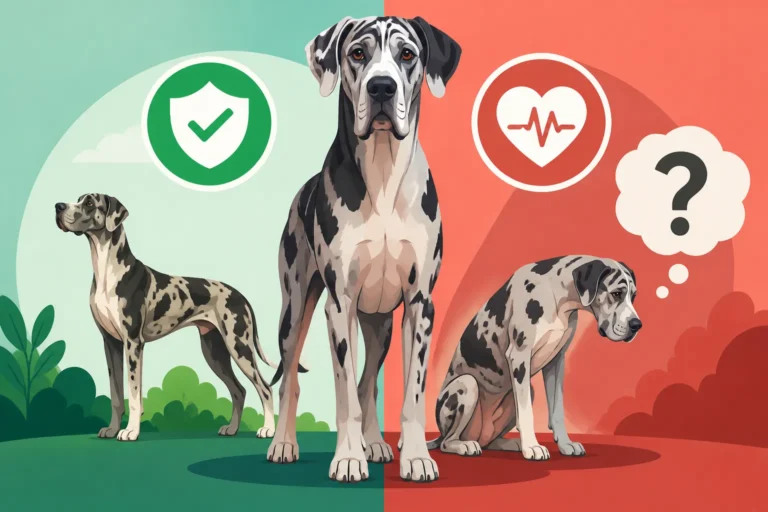
One of the most insidious and heartbreaking reasons a Great Dane might struggle to finish a walk is an underlying heart condition. Great Danes are predisposed to Dilated Cardiomyopathy (DCM), a disease where the heart muscle thins and weakens, becoming unable to pump blood efficiently. Initially, symptoms might be very subtle, perhaps just a slight decrease in stamina or a tendency to get winded faster than usual.
As DCM progresses, you might notice your dog coughing, especially at night, or experiencing exercise intolerance. This means they can't handle the same level of physical activity they once could. What was once an easy mile walk might become a monumental effort, leading to excessive panting, weakness, and ultimately, the inability to complete the walk. Sometimes, the first overt sign can even be fainting during exertion. Understanding Early Heart Signs in a Great Dane is crucial for early intervention. This condition can sneak up on you, as these dogs are so stoic, often hiding their discomfort until it's quite advanced. It's truly vital to keep up with regular vet check-ups, as catching something like DCM early can make a significant difference in managing the disease and improving your Great Dane's quality of life. Regular screening for conditions like How a Great Dane Heart Enlarges is a common recommendation.
Joint and Orthopedic Issues
Given their incredible size and rapid growth from puppyhood, it's perhaps not surprising that Great Danes are highly susceptible to a range of joint and orthopedic problems. These conditions can cause significant pain and discomfort, directly impacting their ability to walk comfortably or for extended periods. Hip and elbow dysplasia are unfortunately common, where the joints don't develop properly, leading to grinding bone-on-bone friction and debilitating arthritis. You can learn more about specific joint issues in Great Dane Hips, Elbows and Growing Joints.
Arthritis, a degenerative joint disease, often sets in as Great Danes age, sometimes even earlier than expected in such a short-lived breed. It causes stiffness, pain, and reduced range of motion, making every step an effort. A Great Dane with arthritis might start limping, be reluctant to jump, or struggle to get up from a lying position. Imagine trying to walk with constant aches and pains – it’s no wonder they can't finish a walk. Beyond chronic conditions, acute injuries like a cruciate ligament tear, common in active large breeds, can also suddenly prevent your Dane from putting weight on a leg. These issues are a primary reason a six-year-old Great Dane might develop Arthritis in a Six-Year-Old Great Dane.
Neurological Conditions Affecting Gait
Sometimes, the problem isn't directly with the heart or joints, but rather with the communication system that tells the body how to move: the nervous system. Great Danes are unfortunately prone to a serious neurological condition known as Wobbler Syndrome, or cervical spondylomyelopathy. This condition involves compression of the spinal cord and/or nerve roots in the neck region. It can manifest as an uncoordinated, wobbly gait, especially in the hind legs, making them stumble or drag their paws. This explains why a Great Dane might start to present with The Neck Condition That Trips a Great Dane Up.
The nerve compression causes weakness, proprioceptive deficits (difficulty knowing where their limbs are in space), and pain. Over time, these symptoms can worsen, making it increasingly difficult for your Great Dane to maintain balance, navigate stairs, or even walk in a straight line, let alone finish a long walk. You might observe them staggering, scuffing their nails on their back paws, or having a noticeable weakness in their hindquarters. Catching The First Wobbler Signs in a Great Dane is paramount. This can be particularly alarming for owners, as the dog may look perfectly healthy otherwise but move as if intoxicated, explaining why sometimes you see A Great Dane That Stumbles on Its Back Legs.
Recognizing the Signs and Symptoms
Identifying when your Great Dane is struggling isn't always obvious, especially because they are often stoic and try to hide their pain. As a devoted owner, becoming attuned to subtle changes in their behavior and physical capabilities can make all the difference in seeking timely help.
Subtle Changes in Stamina and Pace
One of the first indicators that something is amiss is a shift in your Great Dane's usual walking habits. Maybe they used to bound out the door, eager for a long adventure, but now they hesitate. You might notice them slowing down significantly earlier in the walk than before, or perhaps they start lagging behind you when they used to walk proudly by your side. They might need more frequent breaks to lie down or sit, even on familiar routes that never tired them previously.
It’s easy to dismiss these changes at first, thinking they’re just having an off day or maybe it’s a bit warmer than usual. But if these subtle shifts become a pattern – consistently wanting to turn back sooner, taking excessive rests, or showing a general reluctance to engage in their usual exercise – it's a strong sign that their stamina is compromised. Pay close attention to their breathing during and after exercise; unusually heavy panting or prolonged recovery time can also point to an underlying issue.
Visible Discomfort and Physical Manifestations
While subtle changes in stamina might be the first hint, more overt physical signs will eventually become apparent if a condition progresses. Look for any changes in their gait: a limp, stiffness, or favoring one leg over another. They might exhibit a shorter stride or an altered way of placing their paws. After resting, they might struggle to get up, perhaps taking a few attempts or moving very stiffly until they "warm up."
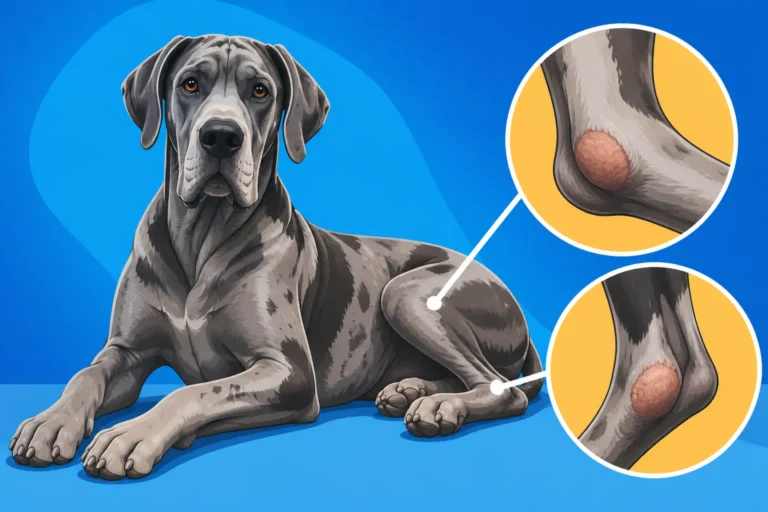
Observe their posture while standing or walking. An arched back, tucked tail, or an unusual head carriage can all indicate pain or discomfort. Swelling around joints, tenderness when touched, or even muscle atrophy in a particular limb are also significant red flags. If they're hesitating before jumping into the car or onto the sofa, that's another physical sign that movement is causing them discomfort. Any vocalizations like whimpering, groaning, or yelping during movement are clear distress signals that demand immediate attention.
Behavioral Cues and Reluctance
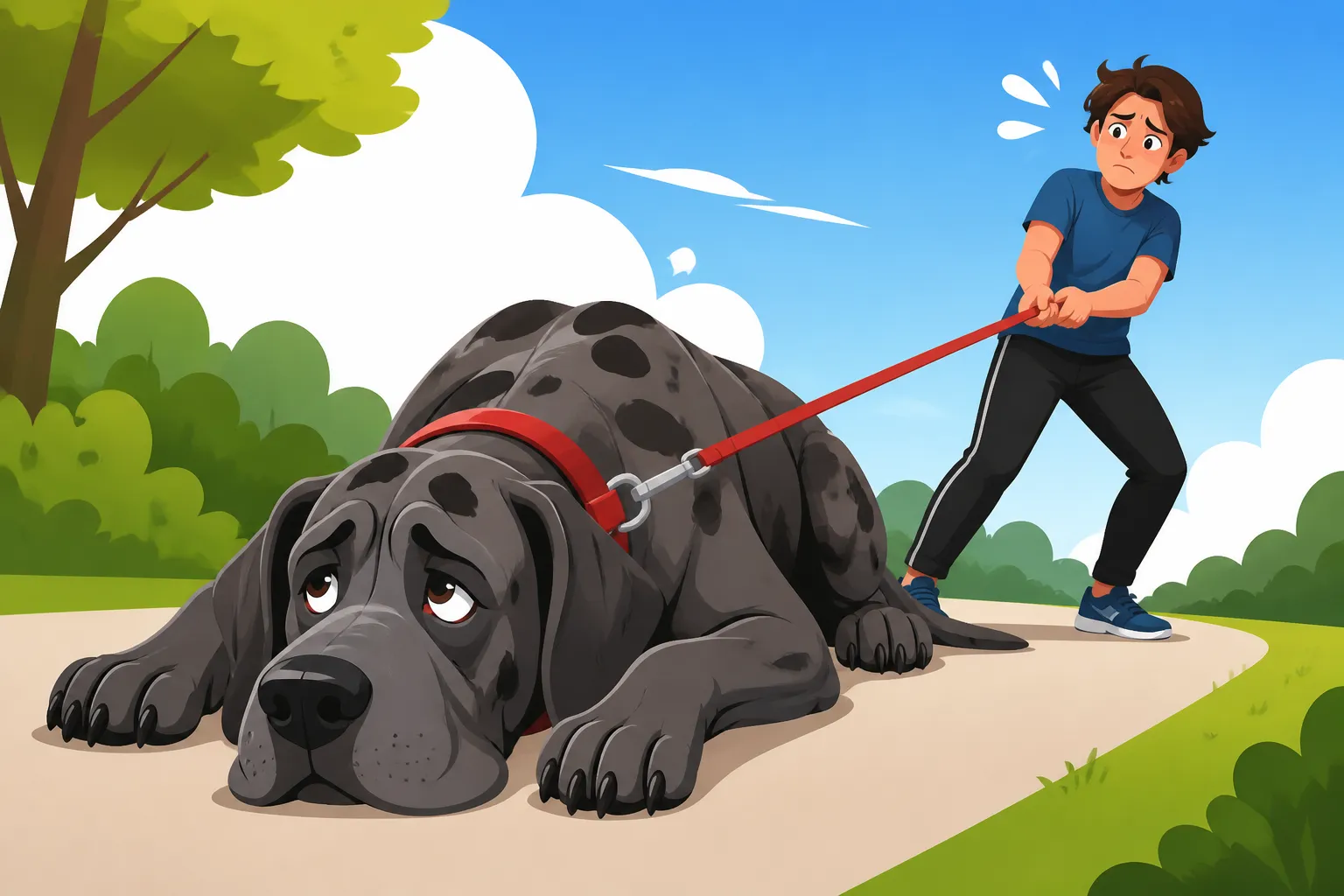
Beyond the physical, your Great Dane's behavior can tell you a lot about their discomfort. A dog that once loved walks and now tries to avoid them is communicating pain or fear of pain. They might refuse to go out, hide when you pick up the leash, or resist putting on their harness. During the walk itself, they might continuously pull towards home or refuse to move forward, digging in their heels.
You might also notice changes in their general demeanor. A usually playful dog might become withdrawn, less interactive, or even a bit irritable when you try to touch a sore area. Licking a specific joint excessively can be another subtle cue that it's bothering them. Any sudden aggression or growling when approached, especially if you get near a painful part of their body, is a serious sign. These behavioral shifts are their way of telling you, "I hurt, and I need help," and it's essential not to dismiss them as simply being stubborn or 'off.'
The Importance of Veterinary Diagnosis and Management
Once you've noticed these concerning signs, the absolute most important step you can take is to consult your veterinarian. Self-diagnosing based on internet searches (even great ones like this!) can delay crucial treatment and potentially worsen your Great Dane's condition.
Your First Steps: A Comprehensive Vet Exam
When you bring your Great Dane to the vet with walking difficulties, expect a thorough examination. Your vet will start by gathering a detailed history from you, asking about when you first noticed the changes, what exactly you’re seeing, and any other symptoms. This initial conversation is incredibly important. They will then perform a comprehensive physical examination, which includes observing your dog's gait, palpating their joints and muscles, and checking their reflexes and neurological responses.
Depending on their initial findings, your vet will likely recommend diagnostic tests. For suspected heart issues, an echocardiogram (an ultrasound of the heart) is key. You can read more about What a Cardiologist Measures in a Great Dane Heart. Blood tests can rule out systemic diseases or indicate inflammation. X-rays are crucial for assessing joint health and identifying conditions like arthritis, hip or elbow dysplasia, or even bone cancer. If a neurological issue like Wobbler Syndrome is suspected, more advanced imaging such as an MRI or CT scan of the spine will be necessary. These tests can provide a definitive diagnosis, which is the foundation for effective treatment. Sometimes, they may even perform X-Rays That Confirm Great Dane Bone Cancer if that's a concern.
Treatment Options and Supportive Care
Once a diagnosis is made, your vet will work with you to develop a tailored treatment plan. This plan can vary widely depending on the underlying cause. For joint pain and arthritis, it might involve anti-inflammatory medications (NSAIDs), pain relievers, and joint supplements. Physical therapy, including hydrotherapy (swimming or underwater treadmill), can be incredibly beneficial for strengthening muscles, improving range of motion, and reducing pain without putting excessive stress on joints. Acupuncture and therapeutic laser treatments are also options many owners explore.
In cases of severe dysplasia, cruciate ligament tears, or advanced Wobbler Syndrome, surgical intervention may be recommended to correct the structural problem. This is where the costs can really start to add up. Investing in pet insurance like Healthy Paws can truly be a lifesaver, as these advanced diagnostics and treatments can quickly become very expensive. For heart conditions like DCM, medication is often prescribed to help the heart function more efficiently and manage symptoms. This often requires ongoing monitoring and adjustments. Many Great Dane owners find peace of mind with providers like Healthy Paws, knowing that unexpected specialist visits or costly medications for conditions like DCM or severe arthritis are covered.
Adapting Exercise Routines and Home Environment
Beyond medical treatments, you'll need to make practical adjustments to your Great Dane's daily life. This means adapting their exercise routine. Instead of one long walk, consider several shorter, gentle strolls throughout the day. Avoid strenuous activities, jumping, or rough play that could exacerbate their condition. Always consult your vet about the appropriate level of activity.
Modifying your home environment is also critical for supporting your Dane's comfort and safety. Non-slip rugs on slick floors can prevent slips and falls, which can be devastating for a dog with joint or neurological issues. Providing orthopedic beds is essential for cushioning their joints and preventing pressure sores; you can read more about Orthopedic Beds a Great Dane Needs. Ramps can help them get into cars or onto furniture, reducing strain on their bodies. Assistive devices like slings or harnesses designed to support their hindquarters can make a huge difference in helping them walk and navigate stairs. Explore options for Mobility Aids for a Failing Great Dane to see what might best suit your dog. When your Great Dane can't finish a walk, it's a huge emotional and financial strain. Having pet insurance from a reliable company like Healthy Paws can seriously soften the blow when faced with specialist bills and ongoing care costs.
Here's a quick overview of potential issues and approaches:
| Condition Category | Common Symptoms During Walks | Typical Diagnostic Tests | General Management Approaches |
|---|---|---|---|
| Cardiac | Shortness of breath, fatigue, lagging, fainting | Echocardiogram, X-rays, ECG, Bloodwork | Medications, diet changes, restricted exercise |
| Joint/Ortho | Limping, stiffness, lameness, reluctance to move | X-rays, Physical Exam, MRI | Pain medication, anti-inflammatories, joint supplements, physical therapy, surgery |
| Neurological | Wobbling, stumbling, dragging paws, weakness | Neurological Exam, MRI, CT scan, Myelogram | Medications, physical therapy, surgery, supportive devices |
| Other | General weakness, lethargy, pain | Bloodwork, Urinalysis, General Exam | Treat underlying cause (e.g., infection, organ disease) |
Proactive Measures and Long-Term Wellness
While some health issues are unfortunately inherent to the Great Dane breed, there are many things you can do as an owner to promote their long-term wellness and potentially mitigate the severity of certain conditions.
Regular Health Check-ups and Preventative Screening
This cannot be stressed enough: routine veterinary check-ups are the cornerstone of preventative care for a Great Dane. Because they can be so stoic, they often hide pain until a condition is quite advanced. Regular visits allow your vet to catch subtle changes that you might miss at home. Annual or even bi-annual check-ups, especially as they enter their senior years, are vital.
Proactive screenings for breed-specific issues are also incredibly important. For example, regular echocardiograms are recommended for Great Danes starting at a young age to screen for DCM, even if they show no symptoms. Similarly, hip and elbow evaluations, often done through OFA or PennHIP certifications, are crucial, especially if you're getting a puppy from a breeder – always ask about The Health Testing a Great Dane Breeder Owes You. These preventative measures, while an investment, can lead to earlier diagnosis and a better prognosis, potentially extending your Great Dane's active and comfortable years.
Nutritional Support and Weight Management
Keeping your Great Dane at a lean, healthy weight is one of the single most impactful things you can do to protect their joints and overall health. Extra weight puts immense strain on their hips, elbows, and spine, accelerating the progression of arthritis and increasing the risk of injuries. Many Great Dane owners find themselves constantly monitoring their dog's physique, aiming to feel their ribs without seeing them prominently. It's truly a balance.
Feeding a high-quality, large-breed specific diet, formulated for their unique growth and metabolic needs, is essential. For older Danes, a senior-specific formula might be appropriate. Discuss appropriate portion sizes with your vet, and avoid overfeeding. Incorporating joint supplements like glucosamine, chondroitin, and omega-3 fatty acids can also be beneficial in supporting joint health, especially as they age. However, it's important to understand Whether Joint Supplements Reach a Great Dane's Dose and if it is sufficient to make a difference. These supplements can support cartilage health and reduce inflammation, offering an extra layer of protection for their large, hardworking joints. Maintaining a healthy body condition, like discussed in Keeping a Great Dane Lean for Its Joints, is absolutely non-negotiable for these magnificent dogs.
Understanding the Great Dane Lifespan
It’s a heartbreaking reality that Great Danes, like many giant breeds, have a relatively short lifespan, typically ranging from Why a Great Dane Only Lives Seven to Ten Years. This means that age-related issues, including those affecting mobility and heart health, can manifest earlier than they might in smaller breeds. Understanding this inherent reality helps us, as owners, to be more vigilant about their health as they mature and to make the most of every precious moment.
As our Great Danes enter their senior years, which for them can start as early as five or six years old, their bodies inevitably begin to slow down. While we can’t stop time, we can focus on maximizing their comfort and quality of life during this stage. This often involves more frequent vet checks, pain management strategies, and continued adjustments to their daily routines and home environment. Learning about Caring for a Great Dane Past Six can help you navigate this period with grace and informed decisions. The goal shifts from endurance to comfort, ensuring every walk, no matter how short, is enjoyable and pain-free. As our gentle giants age, the likelihood of needing ongoing veterinary support increases dramatically. That's why considering a pet insurance policy early on, perhaps from a provider like Healthy Paws, can make a huge difference in affording the best possible care throughout their senior years.
Disclaimer
The information provided in this guide is for general informational purposes only and does not constitute veterinary advice. Always consult with a qualified veterinarian for any health concerns or before making any decisions related to your Great Dane's medical care.