A Great Dane That Thickens and Loses Hair
It can be incredibly disheartening, and frankly, quite alarming, when you notice your majestic Great Dane's once sleek coat becoming coarse, perhaps even thickened in certain areas, all while they're losing hair in patches or generally thinning out. You start to worry if it's just a seasonal shed gone wrong, or something much more serious brewing beneath the surface. This guide is here to walk you through the common reasons why your Great Dane might be experiencing these frustrating changes, what signs to look for, and how to work with your veterinarian to get them back to their healthy, handsome self.
Understanding What's Happening to Your Great Dane's Coat and Skin
When your Great Dane starts to thicken in their skin or lose hair, it’s not just a cosmetic issue; it’s often a clear indicator that something deeper is going on with their health. Their skin and coat are powerful barometers for internal well-being, reflecting everything from nutrition to hormonal balance. Ignoring these signs isn't an option for responsible Dane owners, as early intervention can make a significant difference in outcomes. This isn't just about a scruffy dog; it's about a potentially uncomfortable or unwell companion.
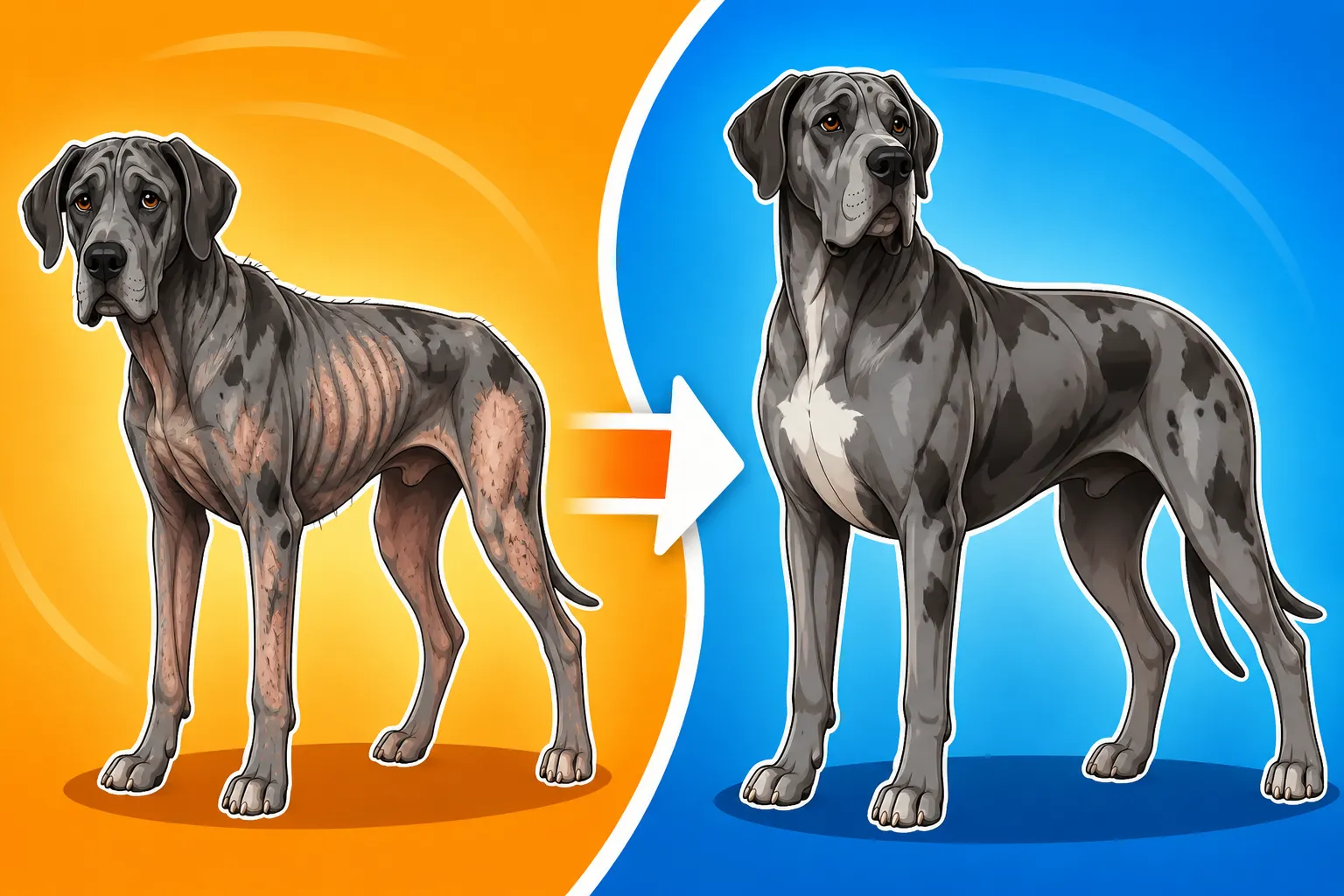
Sometimes the changes are subtle at first. You might notice more hair on the furniture or embedded in their favorite blanket. Then, you might feel a different texture to their coat—it might be drier, coarser, or less shiny than usual. The skin itself can start to feel thicker, almost leathery, particularly in areas where hair loss is pronounced. These areas might include their flanks, tail, hindquarters, or even around their eyes, creating a very distinct and concerning appearance. It's a frustrating situation because your otherwise happy-go-lucky Dane might not seem "sick" in other ways, making it harder to pinpoint the problem.
Beyond the visible hair loss, you might also notice your Great Dane scratching more frequently, even if you can’t see fleas or other external parasites. The skin might become flaky, red, or even develop black spots, which can be indicative of underlying inflammation or infection exacerbated by the primary issue. These secondary problems can compound your Dane's discomfort, making them restless, irritable, and less interested in their usual activities. Keep a close eye on any changes in behavior alongside the physical symptoms, as these clues can be vital for your vet.
Common Health Conditions Behind Hair Loss and Skin Thickening
There are several potential culprits when it comes to a Great Dane's coat and skin changing so dramatically. pinpointing the exact cause requires a veterinary diagnosis, but understanding the common conditions can help you prepare for that conversation. It's rarely just one simple thing, and often, it's a combination of factors.
Hypothyroidism: A Frequent Endocrine Culprit
One of the most common reasons a Great Dane might experience hair loss and skin thickening is hypothyroidism, a condition where the thyroid gland doesn't produce enough thyroid hormone. Great Danes are unfortunately predisposed to this endocrine disorder. This hormone is crucial for regulating metabolism, and when it's deficient, it impacts almost every bodily function, including skin and coat health. Beyond the hair loss (which often presents as a symmetrical thinning, especially on the flanks, tail, and neck, sometimes sparing the head and legs), you might notice their skin feels unusually cold to the touch and appears thickened or "puffy."
Other signs of hypothyroidism can include weight gain despite no change in diet, lethargy, a dull coat, a tendency to seek out warm places, and even behavioral changes like increased irritability or anxiety. If you’ve noticed your once energetic Dane seems a bit slower or less enthusiastic for walks, alongside their coat issues, it’s definitely time to consider a thyroid panel. Early diagnosis and treatment with thyroid hormone replacement medication can dramatically improve their quality of life and restore their coat to its former glory. You can learn more about this by reading about The Thyroid Test a Slow Great Dane Needs and Reading a Great Dane's Thyroid Panel.
Allergies and Skin Sensitivities
Just like people, Great Danes can suffer from allergies that manifest as skin problems, including hair loss and thickening. These can be environmental allergies (atopy), food allergies, or contact allergies. When an allergen triggers a reaction, your Dane might become incredibly itchy, leading to excessive scratching, licking, and chewing. This self-trauma can cause secondary bacterial or yeast infections, which then lead to further hair loss, redness, and skin thickening (known as lichenification). You might also notice bumps, scabs, or even Dandruff on a Great Dane's Back.
Food allergies are notoriously tricky to diagnose and often require an elimination diet under veterinary supervision. Environmental allergies are usually managed with a combination of medications, medicated shampoos, and sometimes immunotherapy (allergy shots). It’s a long game, and it can be frustrating for both you and your dog, as finding the right combination of treatments takes time and patience. Consider looking into Skin Problems Where a Great Dane Lies Down for related information on environmental factors that can impact their skin.
Nutritional Deficiencies or Imbalances
A balanced diet is paramount for a healthy coat and skin. If your Great Dane isn't getting the right nutrients, or if their body isn't properly absorbing them, it can lead to hair loss, a dull coat, and poor skin condition. While it’s less common with high-quality commercial dog foods designed for large breeds, homemade diets or diets with poor-quality ingredients can sometimes fall short. Essential fatty acids, particularly omega-3s, are crucial for skin health and can significantly impact coat quality.
Sometimes, even with good food, absorption issues can occur due to underlying gastrointestinal problems. This is why discussing your Dane's diet, including any supplements you might be giving, with your vet is crucial. They might recommend specific dietary changes or supplements, like Fish Oil for a Great Dane, to support skin and coat health. Remember that proper nutrition, such as Feeding an Adult Great Dane Six to Ten Cups, is vital for their overall well-being.
Cushing's Disease (Hyperadrenocorticism)
While less common than hypothyroidism, Cushing's disease, caused by the overproduction of cortisol, can also lead to hair loss and skin changes in Great Danes. The hair loss typically presents on the body and trunk, often sparing the head and legs, and the skin can become very thin, fragile, and often hyperpigmented (darkened), rather than thickened. You might also notice a pot-bellied appearance, increased thirst and urination, panting, and muscle weakness.
Diagnosing Cushing's can be complex, involving multiple blood tests and sometimes imaging studies. Treatment options range from medication to surgery, depending on the cause (pituitary or adrenal tumor). This is another condition where a good veterinary relationship and a commitment to ongoing care are essential.
Working With Your Veterinarian to Get a Diagnosis
When you first notice these changes in your Great Dane, your veterinarian is your best ally. Don't try to self-diagnose or treat based on internet forums alone. Great Danes are prone to a range of health issues, and a proper diagnosis is the only way to ensure effective treatment. This process often starts with a thorough physical examination and a detailed discussion of your dog's history.
The Initial Veterinary Visit and History Taking
During your vet visit, be prepared to answer a lot of questions. Your vet will want to know:
- When did you first notice the hair loss and skin thickening?
- Has it been sudden or gradual?
- Are there any specific patterns to the hair loss?
- Is your Dane itchy, licking, or scratching more?
- Have there been any changes in diet, environment, or routine?
- Are there any other symptoms, such as changes in appetite, thirst, urination, energy levels, or behavior?
- What medications or supplements is your Dane currently taking?
Providing a comprehensive history is incredibly valuable, as it helps your vet narrow down the possibilities. This initial assessment, often part of The Yearly Checkup a Great Dane Needs, is a critical first step.
Diagnostic Tests Your Vet Might Recommend
Based on their initial assessment, your vet will likely recommend a series of diagnostic tests. These can vary depending on the suspected cause but commonly include:
- Skin Scrapes and Fungal Cultures: These are often the first line of defense to rule out parasites like mites (mange) or fungal infections like ringworm. A skin scrape involves gently scraping a small sample of skin to look for mites under a microscope, while a fungal culture involves collecting hair or skin samples to grow in a lab.
- Bloodwork (Complete Blood Count and Chemistry Panel): Basic bloodwork can give your vet a general overview of your dog's health, checking for signs of infection, inflammation, or organ dysfunction.
- Thyroid Panel: If hypothyroidism is suspected, a comprehensive thyroid panel (T4, free T4, TSH) will be run. This is crucial for definitively diagnosing or ruling out this common condition.
- Allergy Testing: If allergies are suspected, your vet might recommend either blood tests (serum IgE testing) or intradermal skin testing (similar to human allergy tests) to identify specific environmental allergens. For food allergies, an elimination diet is the gold standard.
- Skin Biopsy: In some complex cases, a small piece of skin might be surgically removed and sent to a lab for histopathological examination. This can help identify specific types of skin inflammation, autoimmune conditions, or even certain cancers. Be aware that this might involve Anesthesia Risk in a Great Dane.
It's important to understand that these tests can sometimes be costly, especially for a large breed like a Great Dane. This is where having pet insurance, such as through a provider like Healthy Paws, can be incredibly helpful in managing unexpected veterinary expenses, allowing you to pursue the best possible diagnostic and treatment plan without undue financial stress.
Managing and Treating Your Dane's Skin and Coat Issues
Once your veterinarian has a diagnosis, they can formulate a specific treatment plan. It’s important to follow their instructions diligently, as consistency is key to resolving these chronic conditions. Treatment isn't always a quick fix; it often requires patience and ongoing adjustments.
Tailored Treatment Approaches
For hypothyroidism, the treatment is typically lifelong thyroid hormone replacement medication, given orally once or twice a day. The good news is that Danes usually respond very well to this treatment, with noticeable improvements in coat quality, energy levels, and overall well-being within a few weeks to months. Regular follow-up blood tests will be necessary to ensure the dosage is appropriate.
When it comes to allergies, management is often multifaceted. This can include:
- Medications: Antihistamines, corticosteroids (for severe flare-ups), or newer anti-itch medications like Apoquel or Cytopoint can help manage symptoms.
- Medicated Shampoos and Conditioners: These can help soothe irritated skin, reduce inflammation, and treat secondary infections. You might need to bathe your Dane frequently, which can be a big job for a giant dog! For advice on this, check out Bathing a Great Dane at Home.
- Dietary Management: For food allergies, a strict hydrolyzed protein or novel protein diet will be prescribed.
- Environmental Control: Minimizing exposure to identified allergens, such as frequent vacuuming, air purifiers, or avoiding certain outdoor areas, can also help.
For nutritional deficiencies, your vet will guide you on dietary adjustments, potentially recommending a change to a higher-quality food specifically formulated for skin and coat health or adding supplements like omega-3 fatty acids. Be careful with any supplements and always discuss them with your vet first to avoid imbalances. Remember, what your Great Dane eats has a profound impact on their health, as detailed in Whether a Great Dane Puppy Should Be Kept Lean.
Supporting Your Dane's Skin and Coat Health at Home
Beyond specific medical treatments, there are several things you can do at home to support your Great Dane's skin and coat health:
- Regular Grooming: Even with a short coat, regular brushing helps distribute natural oils, remove loose hair and dander, and stimulate circulation. This also gives you a chance to inspect their skin closely for any new issues. Take a look at Brushing a Short-Coated Great Dane for more tips.
- Comfortable Bedding: Ensure your Dane has soft, supportive bedding to prevent pressure sores and calluses, especially on their elbows and hocks, which can become thickened or irritated. Hard floors can exacerbate Elbow Calluses on a Great Dane, so choose foam thick enough for a Great Dane.
- Consistent Hydration: Always provide fresh, clean water to keep their skin hydrated from the inside out.
- Minimize Stress: Stress can impact overall health, including skin condition. Maintaining a consistent routine and a calm environment can be beneficial.
- Consider Pet Insurance: As mentioned, dealing with chronic skin and coat issues, especially those requiring ongoing medication or specialized diagnostics, can quickly add up. A pet insurance policy from a provider like Healthy Paws can provide peace of mind and help cover the costs of these often long-term conditions. It’s definitely something to consider, as discussed in Whether Pet Insurance Is Essential for a Great Dane.
Witnessing your Great Dane lose hair and develop thickened skin can be a worrying experience, but with proper veterinary care and diligent home management, many of these conditions are treatable. Don't hesitate to seek professional help—your gentle giant deserves to be comfortable and healthy, inside and out. Early intervention is always the best path for these wonderful dogs, especially as they enter their senior years, where you might be Caring for a Great Dane Past Six.
Disclaimer
The information provided in this article is for general informational purposes only and is not a substitute for professional veterinary advice. Always consult with a qualified veterinarian for any health concerns or before making any decisions related to your Great Dane's care.