Feeding a Great Dane That Eats Ten Cups a Day
If you're a Great Dane owner, or even just thinking about becoming one, you've probably already realized that these magnificent giants don't just eat; they consume. It's a common frustration to stare at an empty 50-pound bag of kibble, wondering how it disappeared so quickly, and then remember your Dane still looks at you expectantly. This guide is all about navigating the reality of feeding a Great Dane who might eat ten cups of food a day, covering everything from nutritional needs to budget management, and ensuring your gentle giant stays healthy and happy without breaking the bank or your spirit.
Understanding the Great Dane's Enormous Appetite
It’s easy to feel like your Great Dane is a bottomless pit, a furry vacuum cleaner ready to devour anything within reach. But their prodigious appetite isn't just a quirk; it's a fundamental requirement dictated by their sheer size, rapid growth, and unique physiology. Understanding why they eat so much is the first step in feeding them well and managing expectations.
Why They Need So Much Fuel
Let's be frank: Great Danes are massive. Males can easily weigh over 150 pounds and stand 32 inches tall at the shoulder. This incredible size means they have a huge amount of muscle mass, bone structure, and organ systems to support, all of which demand a significant energy input. Think of it like a large, luxury SUV compared to a compact car – the SUV simply needs more fuel to run. Their metabolism, while not always as fast as smaller breeds, is working overtime to maintain such a grand physique. During their intense growth phases, especially as puppies, their bodies are literally building themselves from the ground up at an astonishing rate, requiring a dense influx of calories, protein, and other nutrients. This rapid development is also why they are prone to Growth Disorders in a Great Dane Puppy.
Beyond just maintenance, Great Danes are active dogs, even if they're often described as "lap dogs" who love to lounge. They still need regular exercise, playtime, and mental stimulation, all of which burn calories. If your Dane is regularly romping in the yard, going for long walks, or training, those energy demands increase even further. It's not just about filling their belly; it's about providing the high-quality fuel their body needs to thrive, build strong bones and muscles, maintain a healthy coat, and simply live their Why a Great Dane Only Lives Seven to Ten Years to the fullest. Ignoring these nutritional needs can have profound consequences on their overall health and longevity.
The Myth of "Just Feed Them More"
When faced with a perpetually hungry giant, the instinct might be to just pour more kibble into the bowl. However, with Great Danes, "more" isn't always "better," and in some cases, it can be downright harmful. Many owners fall into the trap of overfeeding, especially during puppyhood, believing that a plumper puppy is a healthier one. This couldn't be further from the truth for a giant breed. Great Dane puppies need to grow slowly and steadily, not rapidly. Overfeeding, particularly with foods not specifically formulated for large breeds, can lead to excessively fast growth, putting immense strain on their developing bones and joints. This can exacerbate orthopedic problems like hip and elbow dysplasia, which Great Danes are already genetically predisposed to.
The goal isn't to make them fat, but to nourish them appropriately. A fat Great Dane carries extra weight that burdens their joints, puts strain on their heart, and can lead to a host of other health issues down the line. It's a delicate balance, and often, what feels like "not enough" food by small-dog standards is actually precisely what a Great Dane needs to grow at a healthy, controlled pace. Remember, we want strong, well-developed bone and muscle, not just bulk. This is why understanding Why a Great Dane Puppy Should Grow Slowly is paramount. It’s a marathon, not a sprint, when it comes to their development.
Navigating Puppy Nutrition: The Foundation for a Healthy Giant
Feeding a Great Dane puppy correctly is arguably the most critical aspect of their lifelong health. The choices you make in their first 18-24 months will heavily influence their skeletal development, joint health, and overall well-being. This isn't just about picking any puppy food; it's about selecting a specialized diet formulated to support the unique growth curve of a giant breed.
Specialized Puppy Food is Non-Negotiable
Forget the generic puppy food aisles filled with bags marketed for "all puppies." For a Great Dane, these formulations can be incredibly detrimental. Standard puppy foods are often too high in calories, protein, and crucially, calcium, for giant breeds. This abundance encourages rapid growth, which sounds good in theory but is disastrous for developing bones and joints. When a Great Dane puppy grows too quickly, their bones and cartilage don't have enough time to mature and strengthen properly, making them more susceptible to painful and debilitating orthopedic diseases.
What you need to look for is a high-quality "large breed puppy" or "giant breed puppy" formula. These specialized foods are designed with controlled levels of protein, fat, and minerals to promote slow, steady growth. They provide all the necessary nutrients for robust development without pushing their bodies to grow at an unsustainable rate. Think of it as building a skyscraper: you don't rush the foundation. You lay it carefully and reinforce it properly. Many reputable brands offer these specialized diets, and investing in them from day one is one of the best long-term investments you can make in your Dane's health.
The Critical Balance of Calcium and Phosphorus
Beyond just "large breed," delve into the specifics of the guaranteed analysis. The calcium and phosphorus balance is absolutely critical for giant breed puppies. These two minerals work in tandem to build strong bones, but an imbalance can lead to severe skeletal abnormalities. Too much calcium, in particular, can be extremely problematic, interfering with the absorption of other vital nutrients and contributing to conditions like osteochondritis dissecans (OCD) and hypertrophic osteodystrophy (HOD).
Ideally, a large breed puppy food should have a calcium-to-phosphorus ratio between 1.1:1 and 1.5:1, with total calcium content generally not exceeding 1.5% on a dry matter basis. You should never supplement a Great Dane puppy's diet with additional calcium, milk, or other calcium-rich foods unless specifically instructed by a veterinarian to address a diagnosed deficiency, which is rare. The food should provide everything they need in the correct proportions. Adding extra can throw off this delicate balance with serious consequences for their growth. Always check the nutritional information on the bag, and don't hesitate to consult your veterinarian or a veterinary nutritionist if you're unsure about the best option.
Gradual Transition to Adult Food
Unlike smaller breeds that might transition to adult food around 9-12 months, Great Danes typically remain on their specialized large breed puppy food much longer—often until they are 18-24 months old. This extended period ensures their immense skeletal frame has fully matured before switching to a diet designed for maintenance rather than growth. Switching too early can prematurely halt their critical development or introduce nutrient imbalances at a sensitive time.
When it is time to transition, do it slowly over 7-10 days. Start by mixing a small amount of the new adult food with their current puppy food, gradually increasing the proportion of new food while decreasing the old. This slow transition helps prevent digestive upset, which can be common with abrupt diet changes in any dog, but especially in a giant breed with a sensitive stomach. During this time, continue to monitor their body condition closely. The goal is to keep them lean, even as they fill out. Remember, the journey from Great Dane puppy to a fully grown, healthy adult is a marathon, not a sprint, and proper nutrition is your greatest tool for success.
The Reality of Feeding an Adult Great Dane
Once your Great Dane has reached maturity, usually around 18-24 months, their nutritional needs shift from intense growth to maintenance. While the foundational principles of good nutrition remain, the focus moves to providing adequate energy for their active lifestyle, supporting their large joints, and preventing common giant breed issues.
How Much is "Ten Cups a Day" Really?
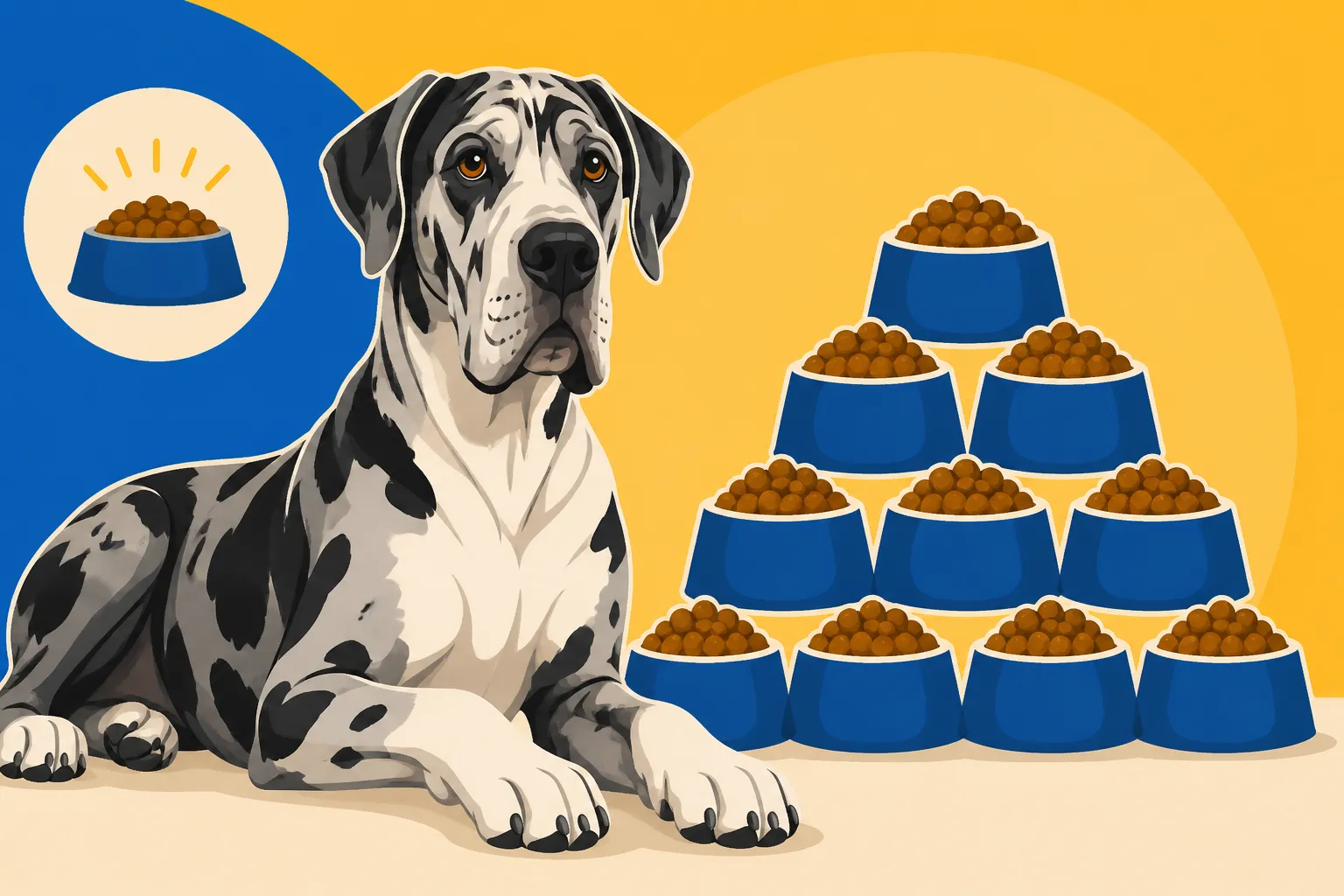
The number "ten cups a day" often startles potential Great Dane owners, and for good reason! It’s a substantial amount of food, and it’s important to understand what that translates to in terms of calories and physical volume. Ten cups of high-quality kibble can easily weigh 4-5 pounds. Depending on the specific brand and formula, this could be anywhere from 3,500 to 5,000 calories or more daily. This immense volume is why The Calorie Load a Great Dane Actually Needs varies widely based on individual metabolism, activity level, and age.
For many owners, ten cups represents the upper end of what a highly active, unneutered male Great Dane might consume. A less active adult, or a spayed female, might require closer to 6-8 cups a day. The key isn't a magic number, but rather a starting point. You'll need to observe your individual dog's body condition and adjust accordingly. That said, even at the lower end, you're looking at a significant amount of food that needs to be factored into your daily routine and budget. It's a commitment that definitely makes you appreciate the value of a good bulk discount.
Choosing the Right Kibble for Your Giant
Selecting the right adult kibble involves more than just checking the "large breed" box. You want a formula that supports their massive frame and overall health. Look for high-quality protein sources as the first ingredient – things like chicken, beef, lamb, or fish. Protein is essential for maintaining muscle mass. Fat provides energy and supports skin and coat health, but shouldn't be excessively high as Great Danes can gain weight easily. Aim for moderate fat levels. Carbohydrates provide sustained energy, but choose those from whole grains or vegetables rather than excessive fillers.
Joint support ingredients like glucosamine and chondroitin are often incorporated into large breed adult formulas, and these can be beneficial for preventive care. Brands like Purina Pro Plan Large Breed or Royal Canin Giant Adult are often recommended by veterinarians for their tailored formulations. You might also consider exploring premium subscription services like Ollie, which deliver fresh, human-grade food right to your door, portioned specifically for your dog's needs, though this often comes at a higher price point for a Dane's volume. Ultimately, the best kibble is one your Dane thrives on, maintains a healthy weight with, and has no adverse reactions to. Don't be afraid to experiment, under veterinary guidance, if your current food isn't quite hitting the mark.
Beyond Kibble: Exploring Other Diet Options
While high-quality kibble is the most common and often most convenient feeding method for Great Danes, some owners choose to explore alternative diets such as raw (BARF), home-cooked, or fresh-delivered options. These diets can offer excellent nutrition and palatability, but they come with their own set of considerations, especially at Great Dane volumes. Preparing a truly balanced home-cooked or raw diet requires extensive research and often consultation with a veterinary nutritionist to ensure all essential nutrients are present in the correct ratios. It's a significant undertaking to ensure you're providing complete and balanced meals without creating deficiencies or excesses, particularly for a giant breed.
For fresh-delivered options, services like Ollie can simplify things by providing pre-portioned, balanced meals. However, the cost dramatically increases with a Great Dane's appetite. What might be affordable for a smaller dog can become a considerable monthly expense for a giant consuming ten cups worth of fresh food daily. The logistical challenges, such as freezer space for large quantities of raw food or the sheer time commitment for daily cooking, are also important factors to weigh. While these diets can be incredibly beneficial for some Danes, they require a much higher level of dedication and financial investment compared to a well-chosen commercial kibble. Always prioritize balance and safety, regardless of the diet choice, and seek professional advice when in doubt.
Optimizing Feeding Routines to Minimize Health Risks
Feeding a Great Dane isn't just about what they eat, but how and when they eat. For this breed, feeding routines are incredibly important, particularly when it comes to mitigating the risk of Gastric Dilatation-Volvulus (GDV), more commonly known as bloat. This life-threatening condition is a terrifying reality for Great Dane owners, with Bloat in a Great Dane and the One in Three Odds serving as a stark reminder.
The Crucial Role of Multiple Meals
One of the most effective strategies to reduce the risk of bloat is to divide your Great Dane's daily food ration into multiple smaller meals. Instead of one or two large meals, aim for at least two, preferably three, or even four smaller meals spread throughout the day. This prevents the stomach from becoming overly distended with a huge volume of food, which is believed to be a contributing factor to the stomach twisting. For a Dane eating ten cups a day, that might mean 3-4 cups per meal, rather than 5 or 10 cups at once.
Splitting meals allows for better digestion and reduces the amount of gas that can accumulate in the stomach. It also helps to keep their energy levels more stable throughout the day. This simple adjustment in routine can have a profound impact on their long-term health and peace of mind for you. In fact, many vets and experienced Great Dane owners swear by this practice as a cornerstone of preventive care. This is why Splitting a Great Dane's Meals in Two is a topic frequently discussed in the Great Dane community.
Slowing Down a Ravenous Eater
Some Great Danes inhale their food so quickly it's as if they're competing in an eating contest. Rapid eating can lead to ingesting too much air, which contributes to gas and, you guessed it, increases the risk of bloat. If your Dane is a speed-eater, you need strategies to slow them down. Slow feeder bowls are excellent tools for this. These bowls have raised ridges or patterns that force the dog to eat around obstacles, significantly extending mealtime. There are many designs available, and you'll want to find Slow Bowls Big Enough for a Great Dane.
Another option is to place a large, heavy, non-chokeable object (like a clean, smooth river rock or a specifically designed slow-feeder insert) in the bowl with their food. Some owners even spread kibble out on a large baking sheet or toss it in the yard (weather permitting) to encourage foraging and slow consumption. Puzzle feeders that require your Dane to work for their food can also be effective and provide mental stimulation, though they might not be practical for every meal. The goal is to make eating a more measured, less frantic experience.
The Debate Over Raised Bowls
Raised food bowls have been a topic of much discussion among Great Dane owners and veterinarians for years. The traditional thought was that raised bowls would help prevent bloat by allowing the dog to eat more comfortably without bending down, reducing air intake. However, more recent studies have suggested that, for Great Danes specifically, raised bowls might actually increase the risk of bloat. The exact reasons are still being investigated, but one theory is that elevated bowls might change the angle of the esophagus and stomach in a way that allows more air to enter or makes the stomach more prone to twisting.
Given this conflicting information, many veterinarians now recommend feeding Great Danes from bowls placed on the floor. While the research isn't definitively conclusive, err on the side of caution. If your Dane has difficulty eating from the floor due to arthritis or other mobility issues, consult your vet about alternatives that support them physically without increasing bloat risk. Ultimately, the decision on Whether Raised Bowls Help or Hurt a Great Dane is one to be made carefully, ideally with professional advice.
Post-Meal Activity Restrictions
Just as important as how they eat is what happens after they eat. For Great Danes, strenuous activity immediately before or after meals is a significant risk factor for bloat. When a dog exercises vigorously with a full stomach, the stomach can swing and twist, leading to GDV. This means no running, jumping, or intense play for at least one hour before and, critically, for at least two hours after eating. Many owners extend this "rest period" to three or even four hours to be extra safe.
This restriction means planning your daily walks, playtime, and training sessions around meal times. A brief, calm potty break is fine, but anything that gets their heart rate up or involves vigorous movement should be avoided. The idea is to allow the food to settle and begin the digestive process without undue jostling or pressure on the stomach. Establishing The Hour Either Side of a Great Dane's Meal as a quiet time is a non-negotiable part of responsible Great Dane ownership. This period of calm can be a great time for a nap, a gentle chew toy, or just some quiet cuddles on the couch. Many owners also opt for Stomach Tacking Surgery for a Great Dane (gastropexy) to permanently reduce bloat risk, but even with this procedure, activity restrictions are still a good practice.
The Financial Implications of Feeding a Giant
Let's not sugarcoat it: feeding a Great Dane is a significant financial commitment. Their enormous appetites translate directly into higher grocery bills compared to owning a smaller dog. It’s one of the primary reasons potential owners need to honestly assess their budget before bringing one of these magnificent creatures home.
Breaking Down the Monthly Food Budget
When your Great Dane eats ten cups of food a day, a typical 30-pound bag of kibble might last you less than two weeks. This means you're potentially going through two to three large bags of premium dog food every single month. On average, a high-quality 30-pound bag of large breed kibble can cost anywhere from $60 to $90, sometimes more for specialized formulas. This means your Monthly Food Spending on a Great Dane could easily range from $120 to $270 or even higher per month. Multiply that by 12, and you're looking at well over a thousand dollars a year, just for basic kibble.
If you opt for fresh-delivered, raw, or home-cooked diets, those costs can easily double or triple. For example, a subscription service like Ollie for a large Great Dane can run $300-$500+ per month, depending on the exact weight and activity level. These figures can be shocking if you're used to feeding a smaller dog. It's crucial to budget realistically for these expenses, as cutting corners on food quality to save money can lead to health issues and even higher vet bills down the road.
Bulk Buying and Smart Shopping Strategies
Given the volume of food Great Danes consume, savvy shopping becomes a necessity. Bulk buying is your best friend here. Look for larger bags, often 40-50 pounds, as these typically offer a better price per pound. Many pet supply stores and online retailers offer discounts for setting up auto-shipments, which can save you a percentage off each order. Online retailers like Chewy are fantastic for this, providing convenient delivery of heavy bags right to your door and often offering recurring discounts.
Keep an eye out for sales, loyalty programs, and coupons from your preferred brands. Sometimes, buying multiple smaller bags when they're on a significant discount can be more cost-effective than a single large bag. Consider joining online communities or forums for Great Dane owners; they often share tips on where to find the best deals or upcoming sales. While the upfront cost of buying several bags at once might seem high, it usually results in long-term savings. Just remember to store the extra food properly to maintain freshness and prevent pests.
Unexpected Costs: Supplements and Special Diets
Beyond the basic kibble, Great Danes often incur additional feeding-related costs, particularly as they age or if they develop specific health conditions. Many owners choose to add joint supplements, like glucosamine, chondroitin, and MSM, to their adult Dane's diet to support joint health and mobility. While some premium foods include these, supplemental doses can be beneficial, especially for a breed prone to orthopedic issues. These supplements, dosed for a giant, aren't cheap.
If your Great Dane develops allergies, sensitivities, or other medical conditions (like heart disease or kidney issues), they might require prescription diets or limited-ingredient foods. These specialized diets are almost always more expensive than standard kibble. For example, a Dane with Dilated Cardiomyopathy (DCM), a common The Heart Muscle Disease Great Danes Are Prone To, might require a specific diet and several medications. Even if you're feeding a good quality food with Joint Support Built Into Great Dane Food, you might still find yourself adding extra fish oil for coat and joint health. These "extras" can quickly add $30-$100+ to your monthly budget. It's another reason why financial planning, and possibly even pet insurance from a provider like Healthy Paws, is so critical for Great Dane ownership, as Whether Pet Insurance Is Essential for a Great Dane becomes a resounding 'yes' for many.
Monitoring Your Great Dane's Weight and Condition
With a dog as large as a Great Dane, their body condition is not just about aesthetics; it's a direct indicator of their health and contributes significantly to their longevity. Keeping your Dane at a lean, healthy weight is paramount to protecting their joints, heart, and overall well-being. This requires regular, objective assessment and willingness to adjust their feeding regimen.
Learning to Read Your Dane's Body
Forget what a "normal" dog looks like. Great Danes are supposed to be lean and athletic, not stocky. Learning to "read" their body condition is an invaluable skill. You should be able to easily feel their ribs when you run your hands along their sides, much like feeling the back of your hand. You shouldn't see them prominently sticking out (which indicates being too thin), but you definitely shouldn't have to press hard to feel them (indicating too much fat). This is often referred to as Reading Ribs on a Great Dane.
Look for a discernible waist tuck when viewed from above, just behind the rib cage, and an abdominal tuck when viewed from the side, where the belly slopes upwards from the chest. Their spine should also be palpable without being visible. If you're unsure, ask your vet to demonstrate how to perform a body condition score. This objective assessment helps you confirm if your ten cups a day is the right amount, too much, or not quite enough. It's a continuous process, as their needs change throughout their lives.
Adjusting Rations for Activity Levels and Age
A Great Dane's caloric needs are not static; they fluctuate based on several factors. An active young adult who spends hours playing might genuinely need the full ten cups (or more!), while a senior Dane who prefers napping on the couch might thrive on much less, perhaps 6-7 cups. Neutering can also reduce metabolic needs, meaning you might need to adjust food intake downwards after the procedure to prevent weight gain. This is why it's important to consider Adjusting Food After a Great Dane Is Neutered.
Pay attention to seasonal changes, too. Danes might burn more calories in colder weather to stay warm, or less in extreme heat if they're less active. Any changes in their routine, like starting a new exercise regimen or recovering from an illness, should prompt a re-evaluation of their food portion. It's a fine-tuning process; increase or decrease by half a cup to a full cup at a time, and then monitor their weight and body condition over a few weeks before making further adjustments. The goal is always to keep them at that healthy, lean ideal.
The Dangers of Underfeeding and Overfeeding
Both underfeeding and overfeeding carry significant risks for Great Danes. Underfeeding, especially during puppyhood, can lead to stunted growth, nutritional deficiencies, weakened immune systems, and poor muscle development. While controlled growth is good, starvation is not. An underweight Great Dane often lacks energy, has a dull coat, and can be more susceptible to illness.
On the flip side, overfeeding is an even more prevalent and insidious problem. Carrying excess weight puts tremendous strain on their large joints, exacerbating conditions like arthritis and dysplasia. It also increases the workload on their heart, contributing to heart disease, and can worsen conditions like Wobbler Syndrome. Keeping a Great Dane Lean for Its Joints is arguably one of the most critical aspects of their long-term orthopedic health. A heavier Dane is also less agile, less comfortable, and more prone to overheating. Ultimately, maintaining a healthy weight through careful portion control and regular monitoring is one of the most loving and responsible things you can do for your Great Dane.
Practical Tips for Managing a Great Dane's Mealtime
Feeding a Great Dane isn't just a daily task; it's a logistical operation. From storing their enormous quantities of food to managing the sheer scale of their eating habits, there are practical considerations that come with feeding a giant breed that eats ten cups a day.
Storage Solutions for Bulk Food
When you're buying 30-50 pound bags of kibble, proper storage is essential. Leaving an open bag of food in the pantry is an invitation for pests, and it will quickly go stale, losing its nutritional value and palatability. Invest in large, airtight storage containers made of food-grade plastic or metal. Look for containers with secure, snap-lock lids that deter curious noses and pesky insects. Many containers can hold an entire large bag of kibble, keeping it fresh for weeks.
Consider where you'll store these containers. They need to be in a cool, dry place, away from direct sunlight or heat, which can degrade the food. Some owners keep their primary feeding supply in a smaller, more accessible container, refilling it from the bulk container stored in a garage or basement. Always wash the containers periodically with soap and water to prevent oil residue buildup and bacteria growth, especially before adding a new bag of food.
Essential Feeding Gear: Bowls and Mats
Standard dog bowls simply won't cut it for a Great Dane. You need bowls that are large enough to hold multiple cups of food without overflowing, and sturdy enough not to be easily tipped over. Stainless steel bowls are an excellent choice: they're durable, easy to clean, and resistant to bacteria. Look for bowls with non-slip rubber rings on the bottom to keep them from sliding across the floor during enthusiastic eating.
To manage spills and drool, investing in a large, waterproof feeding mat is a game-changer. These mats catch fallen kibble, slobber, and water, protecting your floors and making cleanup much easier. There are many stylish and functional options available, from silicone mats to elevated trays. Position their feeding station in an easy-to-clean area, perhaps away from high-traffic zones, to minimize mess spread.
Cleaning Up the Mess
Let's face it: Great Danes are not known for their tidy eating habits. The combination of deep jowls and large gulps often results in food and water strewn across the floor, and sometimes even up the walls! Managing Great Dane slobber is a unique aspect of ownership. Keep a dedicated "slobber towel" or a roll of paper towels near their feeding area. Wipe down their jowls after they eat and drink to minimize the spread of drool.
Counter-surfing is another common Great Dane challenge. Their height means they can easily reach most kitchen counters, turning any unattended food into a forbidden snack. This isn't just annoying; it can be dangerous if they get into Poisons a Great Dane Can Reach on a Counter. Training a strong "leave it" command is vital, as is consistently keeping counters clear of temptation. A Great Dane should never be given the opportunity to practice counter-surfing. Implementing gates or confining them to a separate area during meal prep can also help manage this behavior.
Common Feeding Challenges and Troubleshooting
Even with the best intentions and the most carefully chosen food, Great Dane owners can encounter a range of feeding challenges. From a sudden refusal to eat to ongoing digestive upset, these issues require patience, observation, and sometimes, professional intervention.
Picky Eaters and Food Aversions
It might seem counterintuitive for a dog that eats ten cups a day, but Great Danes can sometimes be surprisingly picky eaters. What they loved last week, they might turn their nose up at today. This can be frustrating, and it's important to distinguish between genuine pickiness and a sign of an underlying health issue. If your Dane suddenly stops eating or shows a strong aversion to food, and it's accompanied by other symptoms like lethargy, vomiting, or diarrhea, contact your vet immediately.
If it's truly pickiness, there are a few strategies. Try adding a small amount of warm water or low-sodium broth to their kibble to enhance the aroma and texture. A tablespoon of plain canned pumpkin (not pie filling) or a dollop of plain yogurt can also sometimes tempt a reluctant eater. Avoid constantly switching foods, as this can lead to an even pickier dog and digestive upset. If you do need to change food, do it gradually. Sometimes, a dog is just bored; rotating between two or three high-quality kibble flavors every few months can keep things interesting without causing issues.
Gastrointestinal Upset and Dietary Sensitivities
Great Danes can have sensitive digestive systems. Diarrhea, vomiting, excessive gas, or soft stools can all indicate a dietary issue. This could be anything from a sudden food change, an intolerance to a specific ingredient (like a particular protein or grain), or an underlying medical condition. If symptoms are severe, persistent, or accompanied by other signs of illness, a vet visit is essential.
If you suspect a food sensitivity, your vet might recommend an elimination diet. This involves feeding a novel protein (one your dog hasn't eaten before, like duck or venison) and a single carbohydrate source for several weeks, then slowly reintroducing ingredients to pinpoint the culprit. This process requires dedication but can be life-changing for a Dane with chronic digestive issues. Some Danes also benefit from probiotics or digestive enzymes, which can help support a healthy gut microbiome. Always discuss these supplements with your vet before introducing them.
When to Seek Veterinary Nutritional Advice
While this guide provides comprehensive information, there are times when specialized veterinary nutritional advice is indispensable. If your Great Dane is failing to thrive, experiencing chronic digestive issues, struggling to maintain a healthy weight (either too thin or too heavy despite your efforts), or has been diagnosed with a specific medical condition (like kidney disease, liver disease, or certain cancers), a consultation with a board-certified veterinary nutritionist is highly recommended.
These specialists have advanced training in animal nutrition and can formulate a precise diet tailored to your Dane's unique needs, health status, and even your budget. They can analyze commercial foods or help you create a balanced home-cooked diet. Their expertise can make a profound difference in your Great Dane's quality of life and potentially even extend it, especially when dealing with complex health challenges. Don't hesitate to ask your primary veterinarian for a referral if you feel your Dane's nutritional needs are beyond standard care.
Disclaimer
The information provided in this article is for general informational purposes only and does not constitute veterinary advice. Always consult with a qualified veterinarian or veterinary nutritionist for any health concerns or before making any changes to your Great Dane's diet or care routine. Individual nutritional needs can vary, and professional guidance is essential for the health and well-being of your pet.