Why a Great Dane Puppy Should Grow Slowly
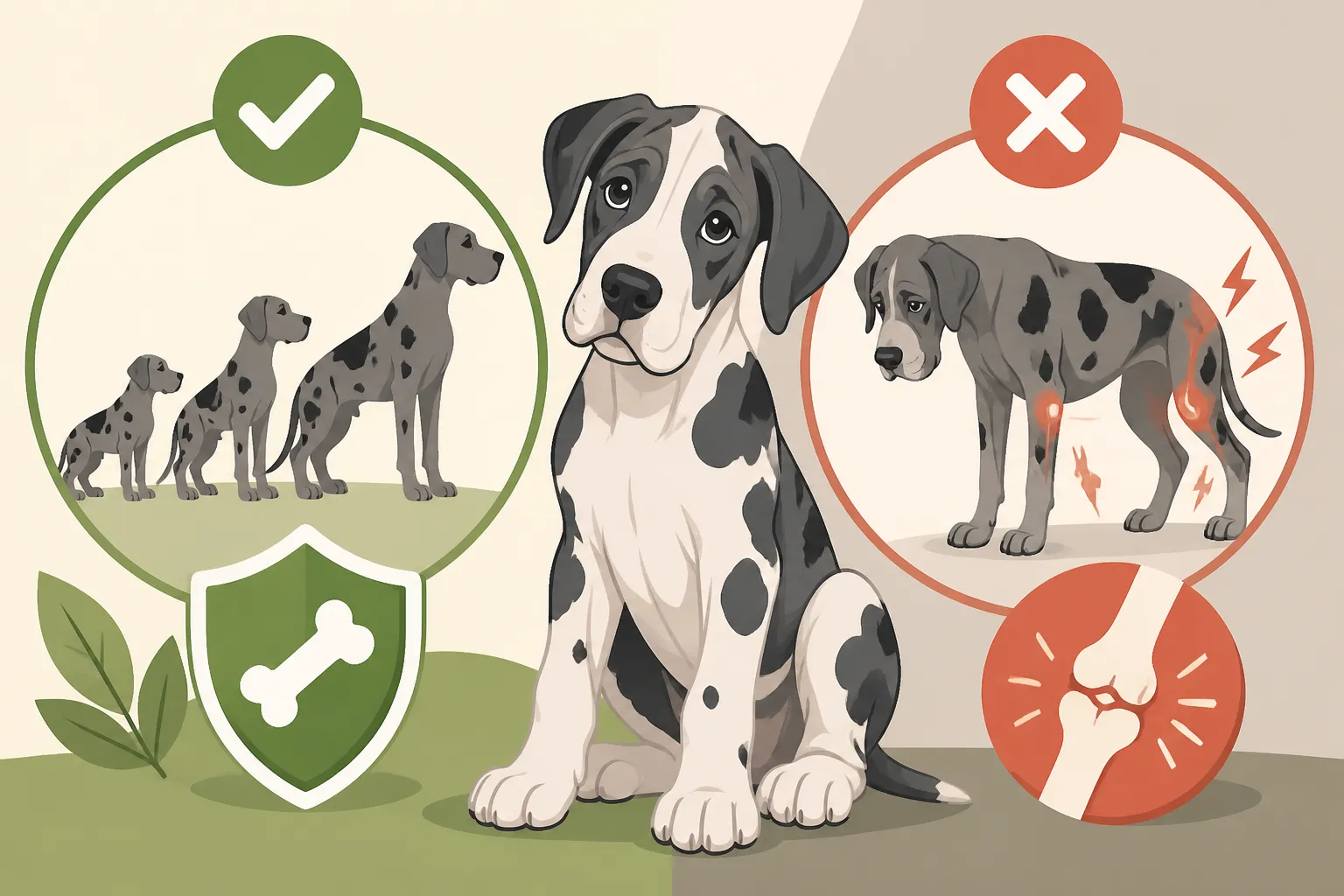
Many Great Dane puppy owners fall into the trap of thinking "bigger is better" and inadvertently push their pups to grow too quickly, often leading to painful, debilitating health problems later in life. While it's exciting to watch these magnificent dogs blossom, an accelerated growth rate can actually set these gentle giants up for a lifetime of serious orthopedic issues and reduced quality of life. This guide will meticulously unpack why a slow, steady growth rate is not just advisable, but absolutely critical for a Great Dane puppy's long-term health, helping you nurture a healthy, robust adult dog.
The Critical Importance of Slow Growth for Giant Breeds
It's natural to marvel at how quickly a Great Dane puppy transforms from a clumsy ball of fluff into a sizable adolescent. However, this rapid initial growth phase, while impressive, carries significant risks if not managed carefully. Unlike smaller breeds that reach maturity quickly, a Great Dane's skeletal system undergoes a prolonged and delicate development process. Pushing this process too fast can have devastating consequences, laying the groundwork for chronic pain and mobility issues.
The Delicate Balance of Bone and Cartilage Development
Imagine a complex construction project where the foundation needs ample time to set before the higher floors are added. That's essentially what's happening inside your Great Dane puppy's body. Their bones aren't just getting longer; they're thickening, strengthening, and developing crucial growth plates and cartilage. These growth plates, located at the ends of long bones, are made of soft cartilage that gradually hardens into bone. This process is incredibly vulnerable to external factors during a puppy's most formative months. If a puppy grows too quickly, these growth plates can become inflamed, damaged, or close prematurely and unevenly, leading to deformities and structural weaknesses. It's a precise biological dance, and any sudden acceleration can throw the entire system out of whack. This delicate balance is why we constantly emphasize Bone Development Problems in a Great Dane Puppy.
Undue Stress on Developing Joints
Picture a skyscraper being built with inadequate scaffolding and too much weight piled on too soon. The structure will inevitably buckle under the strain. Similarly, the rapid weight gain that accompanies accelerated growth puts immense, unnatural stress on a Great Dane puppy's immature joints. Their ligaments, tendons, and cartilage are simply not ready to support such massive weight increases in a short period. This constant strain can lead to micro-traumas, inflammation, and abnormal joint development. Conditions like hip and elbow dysplasia, osteochondritis dissecans (OCD), and even panosteitis (growing pains) are far more likely to manifest when a puppy is growing too fast. Owners often mistake a big, chunky puppy for a healthy one, when in fact, that excessive weight could be silently damaging their joints. We want our Great Danes to be powerful, not burdened by their own growth. This is a primary reason for Why Fast Growth Wrecks Great Dane Joints.
Understanding the Great Dane's Unique Growth Trajectory
Great Danes are not like other dogs when it comes to growth. Their journey from tiny pup to towering adult is a marathon, not a sprint, spanning nearly two years. Understanding this extended timeline and what to expect at each stage is crucial for ensuring healthy, steady development. Rushing it only invites trouble.
The Extended Puppyhood of a Giant Breed
Most small and medium breed dogs are considered adult by 10-12 months of age. A Great Dane? Not even close. Their puppyhood stretches out, sometimes for up to two years, particularly for males who continue to fill out in chest and bone density even after reaching their full height. During this time, their bones are still hardening, their growth plates are slowly closing, and their musculature is still developing to support their massive frame. Thinking of a 10-month-old Great Dane as a fully grown adult is a common, yet dangerous, misconception. They might look enormous, but internally, they are still very much a growing puppy, vulnerable to injury and developmental issues from over-exertion or improper nutrition. This prolonged development is a key factor in Why a Great Dane Ages Faster Than Smaller Dogs.
Height vs. Weight: Realistic Growth Milestones
It’s easy to get caught up in comparing your puppy's size to others, or even to breed standards, but focusing solely on achieving maximum height or weight too quickly is counterproductive. A Great Dane puppy will experience significant growth spurts, particularly between 4-8 months, where they seem to shoot up overnight. However, healthy growth is about proportionality and steady progression, not record-breaking size. What's important is that they maintain a lean, athletic body condition as they gain height and weight, ensuring their skeletal structure can keep pace with their increasing mass. You might see a huge jump in height, but the lean muscle and bone density needs time to catch up. A reliable breeder can often provide insights into The Great Dane Growth Curve Month by Month, offering a realistic expectation of height and weight gains.
The "Filling Out" Phase: When Bones Mature
After their most dramatic height gains, typically around 12-18 months, Great Danes enter a crucial "filling out" phase. This is when their bones continue to solidify, their chest deepens, and their musculature matures, adding mass and robustness. During this period, while they might not be getting much taller, their bodies are still undergoing significant internal changes. It’s a time when many owners mistakenly assume their dog is fully grown and ready for anything. However, the growth plates might still be closing, and their skeletal system is still gaining density. Proper nutrition and moderated exercise remain paramount during this phase to allow for complete and healthy maturation. Rushing this stage can lead to Great Dane Hips, Elbows and Growing Joints becoming compromised down the line.
The Cornerstone of Slow Growth: Thoughtful Nutrition
Nutrition is arguably the single most critical factor in managing a Great Dane puppy's growth rate. Feeding the wrong food, too much food, or adding unnecessary supplements can derail the delicate developmental process and lead to serious health complications. This is where diligent research and consistency really pay off.
Choosing the Right Large Breed Puppy Formula
Forget the generic "all puppy" kibble bags. Great Dane puppies have vastly different nutritional requirements than, say, a Beagle puppy. They need a diet specifically formulated for large and giant breeds. These specialized formulas are designed with lower protein, fat, and crucially, controlled calcium and phosphorus levels. Why? Because too much protein or fat can contribute to rapid weight gain, and excess calcium, believe it or not, is a major culprit in Whether Extra Calcium Damages a Great Dane. Instead of promoting stronger bones, it can interfere with proper bone mineralization and lead to skeletal deformities. Look for reputable brands that clearly state they are formulated for large breed puppies or all life stages, and always check the guaranteed analysis for calcium and phosphorus ratios. Many excellent options can be found through retailers like Chewy or on Amazon, just be sure to read the labels carefully for those key nutrient percentages.
The Peril of Calcium and Other Supplements
It seems counterintuitive, doesn't it? "Big bones need more calcium!" But for Great Dane puppies, this common assumption is dangerously false. Their bodies are incredibly efficient at absorbing calcium, and if they're given too much, either through incorrect food or additional supplements, it disrupts the intricate dance of bone formation. This can lead to conditions like Hypertrophic Osteodystrophy (HOD) or Osteochondritis Dissecans (OCD), causing pain and permanent damage. Similarly, supplementing with other minerals or vitamins without veterinary guidance can upset the delicate balance required for healthy growth. A balanced large breed puppy food should provide everything your pup needs without extra additions. Always consult your vet before adding any supplements to your Great Dane puppy's diet, especially concerning Calcium and Phosphorus in a Great Dane Puppy Bowl.
Portion Control and Feeding Routines
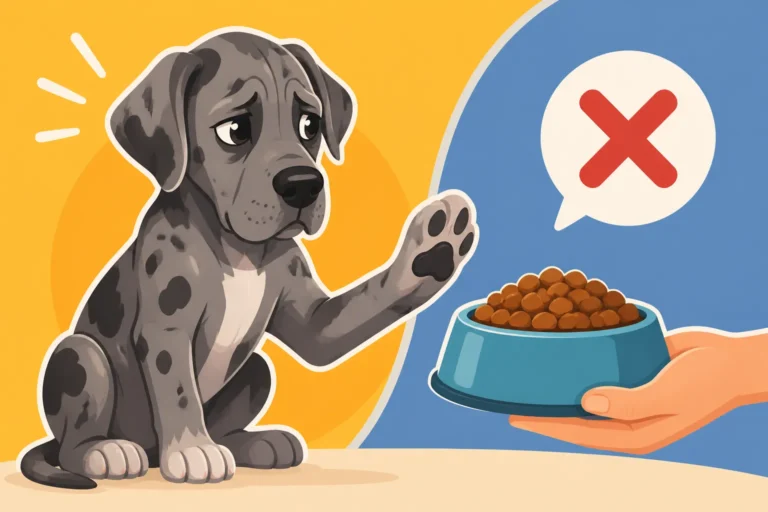
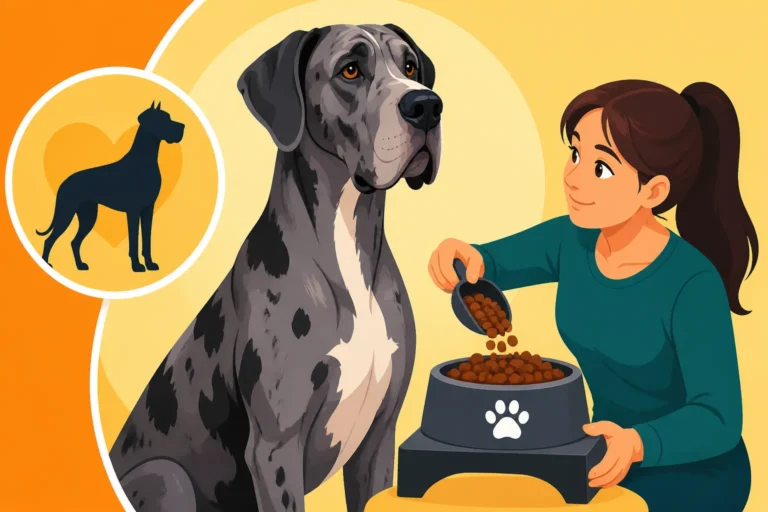
Free-feeding a Great Dane puppy is a recipe for disaster. They often don't self-regulate their food intake well, leading to rapid weight gain. Instead, measured portion control and a consistent feeding schedule are paramount. Most breeders and vets recommend feeding a Great Dane puppy 2-3 times a day, splitting their total daily caloric intake evenly. The amount of food will depend on the specific brand, the puppy's age, activity level, and individual metabolism, so always follow the feeding guidelines on the bag as a starting point, but adjust based on your puppy's body condition. Whether an Underfed Great Dane Puppy Catches Up is less of a concern than overfeeding, which is far more common and detrimental. You want a lean puppy, not a fat one. This disciplined approach to feeding directly influences Whether a Great Dane Puppy Should Be Kept Lean. For those considering fresh food options, services like Ollie can provide portion-controlled meals, but always ensure the nutrient profile is appropriate for giant breed puppies.
| Nutrient Category | Generic Puppy Food (Typical Range) | Large Breed Puppy Food (Target Range) | Impact on Great Danes (if too high) |
|---|---|---|---|
| Protein | 28-32% | 23-28% | Rapid growth, joint stress |
| Fat | 15-20% | 12-16% | Excessive weight gain |
| Calcium | 1.2-1.8% | 0.9-1.2% | Skeletal deformities, HOD, OCD |
| Phosphorus | 1.0-1.4% | 0.7-1.0% | Imbalance with Calcium |
| Calcium:Phosphorus Ratio | 1.2:1 to 1.6:1 | 1.1:1 to 1.4:1 | Crucial for bone mineralization |
Exercise and Environment: Supporting Healthy Development
While nutrition is primary, how your Great Dane puppy moves and lives within their environment plays an equally significant role in promoting healthy, slow growth. It's not just about what goes into their bowl, but also how they interact with the world around them.
Moderating High-Impact Activities and Forced Exercise
It's tempting to want to take your energetic Great Dane puppy on long hikes or strenuous jogs, but this is a serious mistake. Their developing joints are not designed for high-impact activities or repetitive strain. Running on hard surfaces, jumping excessively, or prolonged forced exercise like leashed jogging can put undue pressure on their still-soft growth plates and developing ligaments, leading to permanent damage. Think short, gentle walks on soft surfaces like grass, and plenty of supervised free play. Why a Great Dane Puppy Should Not Jog is a rule that cannot be stressed enough during their growth phase. Save the marathon runs for when they are fully mature, typically closer to two years of age.
Encouraging Gentle, Self-Regulated Play
Instead of forced exercise, focus on encouraging gentle, self-regulated play. This means letting your puppy determine the pace and intensity of their activity. Short bursts of zoomies in a safely fenced yard, exploring new smells on a leisurely walk, or playing with appropriate, large toys are ideal. Play with other well-socialized, similarly sized dogs can be beneficial, but always supervise to prevent overly rough play that might lead to tumbles or collisions. The goal is to build muscle tone and coordination naturally, without overtaxing their fragile skeletal system. Think of it as allowing them to develop at their own biological rhythm. You'd be surprised at How Much a Growing Great Dane Should Walk without overdoing it.
Navigating Stairs, Slippery Floors, and Other Hazards
Believe it or not, even their home environment can impact a Great Dane puppy's growth. Repetitive impact from jumping up and down stairs, especially during growth spurts, can put strain on their joints. Similarly, slippery floors (hardwood, tile) can lead to awkward slips and falls, causing sudden twists or hyperextensions that injure developing bones and ligaments. Consider using ramps for stairs if your puppy is young or prone to clumsiness, and definitely lay down rugs or runners on slippery surfaces to provide better traction. Minimizing these everyday hazards can prevent accidental injuries that could otherwise contribute to long-term orthopedic problems, especially when their bodies are still undergoing such rapid, vulnerable changes.
Monitoring Your Puppy's Progress for Optimal Health
Keeping a close eye on your Great Dane puppy's development isn't about hitting arbitrary weight targets, but rather ensuring they are growing healthily and proportionally. Regular assessments are crucial for early detection of any issues and adjusting care as needed.
Regular Body Condition Scoring and Weight Checks
Instead of fixating on the number on the scale, focus on your puppy's body condition. You should be able to easily feel their ribs when you run your hand along their side, but not see them protruding. Their waist should be evident when viewed from above, and there should be a tuck-up when viewed from the side. A puppy that looks chunky or has difficulty finding their waistline is likely overweight for their stage of development, regardless of what the breed standard says for an adult. Regular weight checks are useful for tracking trends, but always interpret them in conjunction with body condition. If you're unsure, your vet can help you assess Reading Ribs on a Great Dane and guide you on an ideal body condition score. This proactive monitoring helps ensure Whether a Great Dane Puppy Should Be Kept Lean.
Knowing When to Consult Your Veterinarian
Your veterinarian is your most valuable partner in guiding your Great Dane's healthy growth. Regular check-ups are vital, not just for vaccinations, but for growth assessments. They can evaluate your puppy's gait, examine their joints, and discuss any concerns you might have. Limping, stiffness, reluctance to play, or unusual swelling around joints are all red flags that warrant immediate veterinary attention. These could be signs of serious developmental orthopedic diseases like HOD or OCD. Don't hesitate to seek professional advice if you notice anything out of the ordinary, as early intervention can make a significant difference in managing these conditions. Sometimes, even what seems like normal "puppy clumsiness" can be an early indicator of a problem. If you're wondering Whether a Great Dane Puppy Is Growing Too Fast, your vet is the best resource.
The Long-Term Repercussions of Accelerated Growth
The choices you make during your Great Dane puppy's growth phase reverberate throughout their entire life. While the desire to see a massive, impressive dog is understandable, prioritizing a slow, steady growth rate is an investment in their future health and happiness.
Increased Risk of Devastating Orthopedic Diseases
As we've touched upon, pushing for rapid growth significantly increases the likelihood of your Great Dane developing painful and debilitating orthopedic diseases. Conditions like hip and elbow dysplasia, osteochondritis dissecans (OCD), and various forms of panosteitis (growing pains) are far more prevalent in Great Danes that have grown too quickly or are overweight during puppyhood. These conditions can require expensive surgeries, lifelong medication, and severely impact a dog's mobility and comfort. Imagine a future where your majestic Dane struggles to get up, can't enjoy walks, or lives with chronic pain – that's the real risk of unchecked growth. Investing in slow growth now is investing in a sound, healthy body later. These are precisely the types of issues highlighted in Bone Development Problems in a Great Dane Puppy.
Impact on Lifespan and Overall Quality of Life
The ultimate goal for any Great Dane owner is to give their beloved companion the longest, happiest, and healthiest life possible. Unfortunately, rapid growth can directly contradict this goal. Chronic orthopedic issues often lead to secondary problems, such as muscle atrophy due to reduced activity, or gastrointestinal issues from pain medications. A dog constantly battling pain or mobility limitations simply cannot enjoy the same quality of life as a healthy one. Furthermore, the stress on the body from these developmental issues can contribute to a shorter overall lifespan. While Great Danes already have a notoriously short life expectancy, averaging Why a Great Dane Only Lives Seven to Ten Years, ensuring healthy growth can help them live out those precious years with maximum comfort and joy, instead of being plagued by preventable ailments. By fostering slow growth, you are helping your Great Dane thrive for as long as possible.
Disclaimer
This article is for general informational purposes only and does not constitute professional advice. Laws, prices and regulations vary by location and change over time. Consult a qualified professional for guidance on your specific situation.