Great Dane Hips, Elbows and Growing Joints
One of the biggest worries for any Great Dane owner is watching their magnificent puppy grow at an astonishing rate, knowing that this rapid development can sometimes come with a heavy cost to their joints. It’s heart-wrenching to see a giant breed puppy, full of life, start limping or struggling with basic movements, and it’s a reality many of us face. This comprehensive guide will walk you through everything you need to know about Great Dane hips, elbows, and growing joints, offering insights into common issues, prevention strategies, and how to manage these challenging conditions.
The Unique Challenges of Giant Breed Growth
Bringing home a Great Dane puppy is an exercise in marveling at nature’s incredible design. One minute they’re a clumsy, adorable fluffball, and the next, they’re practically pony-sized. This explosive growth, however, comes with a specific set of orthopedic challenges that smaller breeds simply don’t encounter. It’s not just about getting bigger; it’s about the speed and intensity of that growth.
The Rapid Growth Trajectory of a Great Dane Puppy
Great Dane puppies grow at an almost unbelievable pace. While a Labrador puppy might take 12-18 months to reach its adult weight, a Great Dane can add several pounds a week, sometimes doubling their weight in a matter of months. They hit half their adult weight by around six months of age and continue to gain height and fill out until they're often two years old or even slightly beyond. This means their bones, muscles, ligaments, and tendons are constantly playing catch-up, adapting at a frantic speed to their increasing mass and stature.
During this period, many Great Danes go through what owners affectionately call an "awkward" or "leggy" stage. They can look disproportionate, sometimes with massive paws and gangly limbs, almost as if their body hasn't quite decided what shape it wants to be yet. While charming to observe, this rapid, uneven growth puts immense stress on their developing skeletal system. It's a delicate dance where every nutrient, every jump, and every rough-and-tumble play session has a potential impact on their future joint health. It's truly unlike raising a smaller dog, where you might have a bit more wiggle room.
Why Fast Growth Can Be a Problem for Joints
The issue with such rapid growth isn't just cosmetic; it's profoundly structural. When a Great Dane puppy's long bones grow too quickly, the cartilage and surrounding soft tissues sometimes struggle to keep up. Think of it like a skyscraper being built at lightning speed – the foundation and support beams need to be absolutely perfect to withstand the immense pressure. In puppies, the growth plates – areas of developing cartilage near the ends of long bones – are particularly vulnerable during this accelerated phase. These plates are softer and more susceptible to injury or abnormal development compared to mature bone.
This imbalance can lead to a host of developmental orthopedic diseases. The rapidly growing bone tissue might not ossify (harden into bone) correctly, or the joints might not form perfectly congruent surfaces. The immense weight of a growing Great Dane, combined with the stresses of everyday puppy antics, can exacerbate these underlying developmental issues. This is why careful management of nutrition and exercise, as we'll discuss, isn't just a suggestion for Great Danes – it's absolutely critical. Understanding Bone Development Problems in a Great Dane Puppy is key to giving your giant friend the best start.
Understanding Hip Dysplasia in Great Danes
Hip dysplasia is a term that strikes fear into the hearts of many large breed owners, and Great Danes are certainly not immune. It's a complex condition, influenced by genetics, nutrition, and environmental factors, and understanding it is crucial for early intervention and effective management.
What is Hip Dysplasia and How it Affects Danes
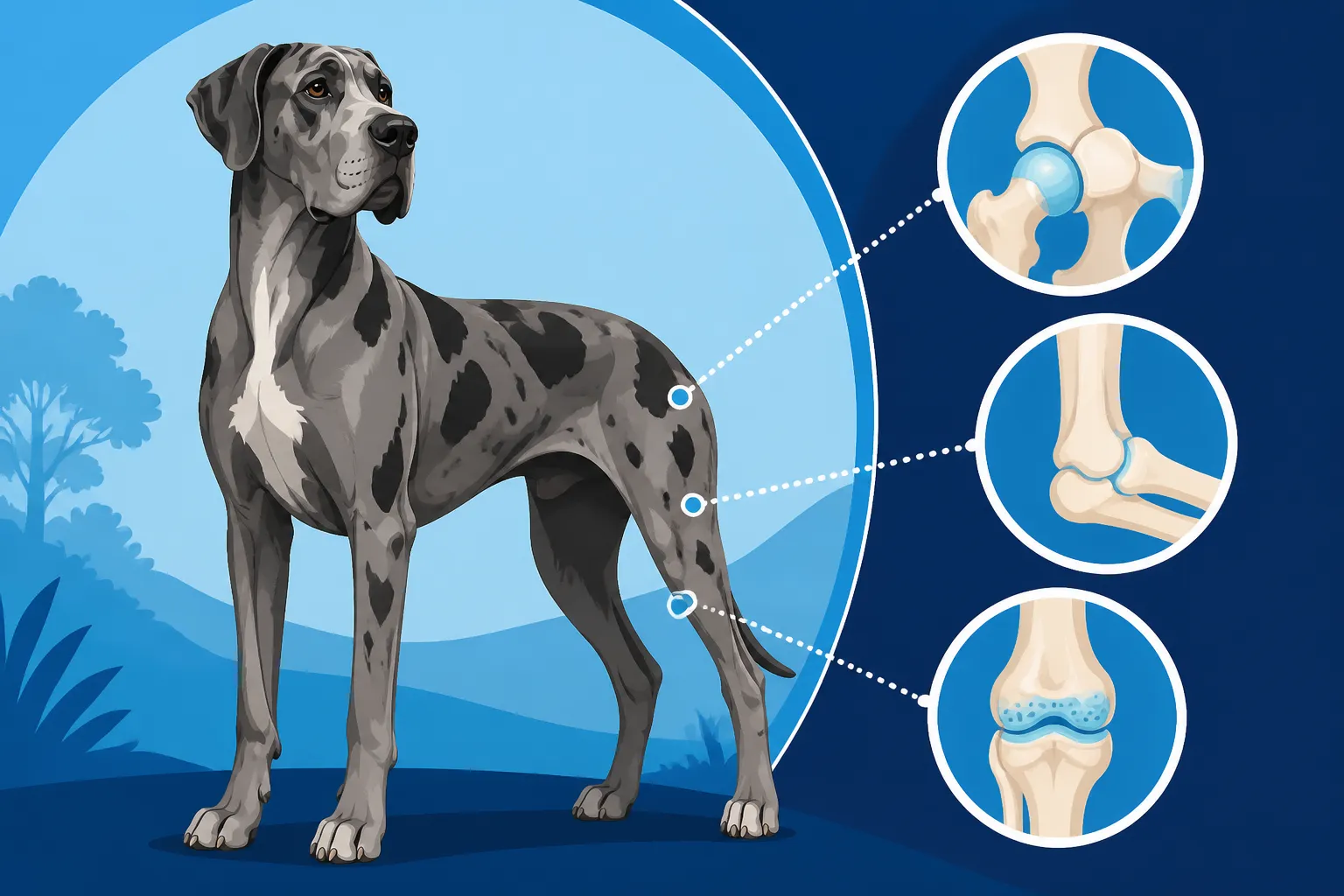
At its core, hip dysplasia is a developmental disorder of the hip joint. In a healthy hip, the head of the femur (thigh bone) fits snugly into the acetabulum (hip socket) of the pelvis, forming a smooth, well-lubricated ball-and-socket joint that allows for fluid motion. With hip dysplasia, this ideal fit is compromised. The socket might be too shallow, the femoral head might be misshapen, or the ligaments supporting the joint might be lax. This poor fit means the joint surfaces don't glide smoothly; instead, they rub and grind against each other.
Over time, this abnormal friction leads to wear and tear, inflammation, and the progressive breakdown of cartilage. The body tries to compensate by laying down new bone, leading to osteophytes (bone spurs) and further remodeling of the joint, all of which contribute to debilitating osteoarthritis. For a magnificent breed like the Great Dane, carrying such immense weight on faulty hips becomes incredibly painful and can severely impact their mobility and quality of life. Imagine carrying a heavy backpack all day, every day, with a dislocating shoulder – that's a fraction of what a dysplastic Great Dane might experience.
Recognizing the Signs and Symptoms
Spotting hip dysplasia can be tricky, especially in stoic breeds like Great Danes who often try to hide their pain. The signs can range from subtle to overtly debilitating and often depend on the severity of the condition and the dog's age. In puppies, you might notice a "bunny hopping" gait, where they use both back legs simultaneously to propel themselves forward, rather than alternating them. They might be reluctant to run, jump, or climb stairs, or they may struggle to rise after lying down. You might observe a swaying gait in their hindquarters or a decrease in overall activity level.
As they age and arthritis progresses, the symptoms usually become more pronounced. You might see obvious lameness in one or both hind legs, stiffness after rest, a reduced range of motion in their hips, or even a noticeable loss of muscle mass in their hindquarters. Some Great Danes will whimper or vocalize when their hips are touched or manipulated. It's important to remember that these signs can fluctuate. A dog might have a "good" day followed by a "bad" day, especially with changes in weather or activity. Paying close attention to even minor changes in your Dane's movement and behavior can be key to early detection.
Diagnosis and Screening for Hip Dysplasia
The definitive diagnosis of hip dysplasia relies primarily on radiographs (X-rays) of the hips, usually performed with the dog sedated to ensure proper positioning and minimize discomfort. Organizations like the Orthopedic Foundation for Animals (OFA) and PennHIP offer established screening protocols that evaluate hip joint conformation and laxity. OFA provides a grading system (Excellent, Good, Fair, Borderline, Mild, Moderate, Severe) based on a single extended-leg view, typically performed after two years of age. PennHIP, on the other hand, measures hip laxity quantitatively using three specialized views and can be performed as early as 16 weeks, offering an earlier indicator of potential dysplasia.
For ethical breeders, screening their breeding stock is paramount. They should provide documentation of their dogs' hip (and elbow) scores, demonstrating a commitment to reducing the incidence of these conditions in their lines. Understanding The Health Testing a Great Dane Breeder Owes You is vital for prospective puppy owners. While no screening guarantees a puppy will be free of the condition, it significantly reduces the risk. If your Great Dane is diagnosed with hip dysplasia, your vet will explain What a Great Dane Hip Grade Actually Means and discuss a tailored management plan, which could range from conservative pain management to surgical interventions like Hip Replacement in a Great Dane in severe cases.
Navigating Elbow Dysplasia and Other Elbow Issues
While hip dysplasia often gets more attention, elbow dysplasia is equally prevalent and debilitating in giant breeds like Great Danes. It’s a trickier condition because it’s not a single disease, but rather a collection of developmental abnormalities affecting the elbow joint.
The Complexities of Elbow Dysplasia
Elbow dysplasia is a general term encompassing several specific developmental abnormalities that can occur independently or in combination within the elbow joint. These include:
- Fragmented Coronoid Process (FCP): A piece of bone and cartilage breaks off the coronoid process, a part of the ulna.
- Ununited Anconeal Process (UAP): The anconeal process, another part of the ulna, fails to fuse properly with the rest of the bone during development.
- Osteochondritis Dissecans (OCD) of the Elbow: A flap of cartilage detaches from the joint surface, often on the humeral condyle.
- Elbow Incongruity: The bones of the elbow joint (humerus, radius, and ulna) don't align perfectly, leading to uneven weight distribution and abnormal stress.
Any of these conditions disrupt the smooth, harmonious functioning of the elbow joint. The abnormal contact and friction lead to inflammation, pain, and inevitably, the progression of debilitating osteoarthritis. Because Great Danes are so heavy, even minor incongruities or cartilage flaps can cause significant discomfort and damage over time. It's a progressive condition, meaning that without intervention, it will almost certainly worsen, leading to chronic pain and reduced mobility.
Spotting Elbow Problems Early
Catching elbow dysplasia early can be challenging, as symptoms can be subtle, especially in young, energetic puppies. The most common sign is forelimb lameness, which might be intermittent at first and often worsens after exercise or long periods of rest. You might notice your Great Dane holding the affected leg slightly out or trying to avoid putting full weight on it. Stiffness, especially when getting up after a nap, is another common indicator. Some dogs will try to compensate by shifting more weight to their sound limbs, which can then put undue stress on those joints too.
Other signs can include a reduced range of motion in the elbow, a reluctance to bend the elbow fully, or pain when the joint is manipulated by your veterinarian. You might even feel swelling or heat around the joint in more acute cases. It’s important to watch for subtle changes in gait or activity levels. If your Great Dane puppy seems less enthusiastic about playing, struggles with stairs, or you notice a persistent, even mild, limp, it’s always best to have them checked by a vet. Early diagnosis is key to implementing management strategies that can slow the progression of arthritis.
Treatment Options and Management
Treatment for elbow dysplasia varies depending on the specific underlying condition, its severity, and the dog's age. For mild cases or for dogs where surgery isn't an option, conservative management focuses on pain relief, anti-inflammatory medications, weight control, and controlled exercise. This might include regular, gentle walks rather than strenuous activity, avoiding jumping, and providing comfortable, supportive bedding.
However, many forms of elbow dysplasia benefit significantly from surgical intervention, especially when diagnosed early. Procedures can include arthroscopy (minimally invasive surgery to remove fragmented coronoid processes or cartilage flaps), osteotomies (bone cuts to correct incongruity), or even more complex procedures for ununited anconeal processes. Post-operative care is critical and often involves strict rest, physical therapy, and pain management. Rehabilitation, including hydrotherapy or controlled exercises, is vital for restoring strength and mobility. Discussing these options thoroughly with your veterinary orthopedic specialist is crucial for making the best decision for your Great Dane.
Other Joint Concerns During Great Dane Growth
While hip and elbow dysplasia are major concerns, Great Danes are also susceptible to several other distinct orthopedic conditions during their growth phase. These conditions can be equally painful and require careful diagnosis and management.
Hypertrophic Osteodystrophy (HOD)
Hypertrophic Osteodystrophy, or HOD, is a painful inflammatory condition that affects the growth plates of the long bones in rapidly growing, large, and giant breed puppies. Great Danes are unfortunately classic candidates for HOD, with most cases appearing between 2 and 8 months of age, during their most explosive growth phase. Imagine a searing pain in your bones, accompanied by a fever – that's often what these puppies experience.
The hallmark symptoms of HOD include sudden onset severe lameness, often affecting multiple limbs, intense pain upon touching the affected bones (typically the radius, ulna, and tibia), swelling around the growth plates, and systemic signs like fever, lethargy, and loss of appetite. In severe cases, puppies may be reluctant or unable to stand. The cause isn't fully understood, but it's believed to be a combination of genetics, rapid growth, and sometimes nutritional imbalances (especially over-supplementation of calcium or vitamin D). While most cases resolve with supportive care (pain management, anti-inflammatories, controlled nutrition), severe episodes can lead to permanent bone deformities. Understanding Hypertrophic Osteodystrophy in a Great Dane is crucial for recognizing this frightening condition early.
Osteochondritis Dissecans (OCD) in Shoulders and Hocks
Osteochondritis Dissecans (OCD) is another developmental orthopedic disease that occurs when there's a disturbance in the normal process of cartilage turning into bone, particularly in the joint surfaces. Instead of hardening properly, a section of cartilage thickens and can form a flap, or even detach entirely, becoming a "joint mouse" floating within the joint capsule. This loose flap irritates the joint lining, causing pain, inflammation, and lameness.
While OCD can occur in elbows (as mentioned above), it's also common in the shoulders of Great Danes, and less frequently in the hocks (ankles) and stifles (knees). Symptoms typically appear between 4 to 12 months of age and include lameness that often worsens after exercise, stiffness, and pain upon manipulation of the affected joint. For a condition like Cartilage Flaps in a Great Dane Shoulder, surgery is often recommended to remove the detached cartilage flap and debride the underlying bone lesion, offering the best chance for long-term comfort and joint function. Post-operative physical therapy is essential to recovery.
Panosteitis, or "Growing Pains"
Panosteitis, often colloquially referred to as "growing pains," is a self-limiting inflammatory condition of the outer surface (periosteum) and inner marrow cavity of the long bones. It primarily affects large and giant breed puppies between 5 to 18 months of age, though it can sometimes start earlier or last longer. Great Danes are frequently affected. Unlike HOD, which involves the growth plates, panosteitis affects the shaft of the bones.
The classic sign of panosteitis is a "shifting lameness," meaning the lameness might appear in one leg for a few days, then seemingly resolve only to reappear in another leg, or even shift between front and hind limbs. This unpredictable nature can be quite frustrating and confusing for owners. Affected puppies may also show general pain, lethargy, and sometimes a low-grade fever. The good news is that panosteitis is generally self-resolving; it typically runs its course over weeks or months, and puppies usually recover completely without long-term effects. Management focuses on pain relief with anti-inflammatory medications and controlled activity during flare-ups. If you notice Shifting Lameness in a Growing Great Dane, it's important to differentiate it from more serious conditions like HOD or OCD through veterinary examination.
Preventive Measures for Healthy Great Dane Joints
When you have a breed like a Great Dane, "an ounce of prevention is worth a pound of cure" isn't just a saying; it's a mantra for joint health. Because their growth phase is so critical and their adult size so demanding, proactive measures can significantly impact their long-term well-being.
The Critical Role of Proper Nutrition
This is arguably the most crucial area for preventing joint issues in growing Great Danes. Forget the old adage of trying to make your puppy grow faster with extra protein or supplements. For a Great Dane, slow and steady wins the race. They need a carefully balanced diet specifically formulated for large and giant breed puppies. These foods typically have a moderate protein level and, more importantly, a controlled calcium-to-phosphorus ratio and lower overall caloric density compared to regular puppy foods.
Feeding a regular puppy food, which is often designed for medium-sized breeds, can lead to excessively rapid growth, putting undue stress on immature joints and increasing the risk of developmental orthopedic diseases like HOD, OCD, and even hip and elbow dysplasia. Over-supplementing with calcium or phosphorus can also be detrimental. Your vet can guide you on choosing the right food and the appropriate amount. It's essential to keep your Great Dane puppy lean throughout their growth. You should be able to easily feel their ribs but not see them prominently. For more details, explore Calcium and Phosphorus in a Great Dane Puppy Bowl and Whether a Great Dane Puppy Should Be Kept Lean. Remember, a lean puppy is a healthier puppy with less strain on its developing joints.
Controlled Exercise and Avoiding Injury
Just like nutrition, exercise needs to be carefully managed during a Great Dane's growth. Their bones and growth plates are still soft and vulnerable to impact injuries and repetitive stress. While they need exercise for mental stimulation and muscle development, it must be controlled and appropriate for their age. Avoid forced, high-impact activities like long jogs, extensive stair climbing, jumping on and off furniture, or intense fetch sessions on hard surfaces, especially before they are fully grown (around 18-24 months). This is why Why a Great Dane Puppy Should Not Jog is critical advice.
Instead, opt for short, frequent walks on soft surfaces like grass, and supervised play sessions in a secure, level yard. Allow them to self-regulate their activity – if they want to lie down and rest, let them. Swimming can be an excellent, low-impact exercise for muscle development without stressing joints. The goal is to build strong muscles that support the joints without overworking or damaging the delicate skeletal structures. Think quality over quantity when it comes to puppy exercise.
Creating a Joint-Friendly Environment
Your home environment also plays a significant role in protecting your Great Dane's joints, especially as they grow into their full, glorious size. Hard, slippery floors like tile or hardwood can be treacherous for a rapidly growing or older Great Dane, leading to slips, falls, and potential injuries. Consider using runners, area rugs, or anti-slip mats in high-traffic areas to provide better traction.
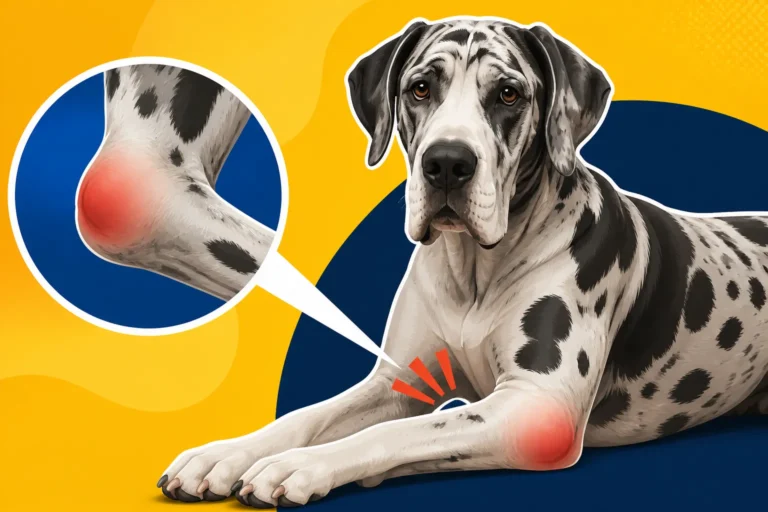
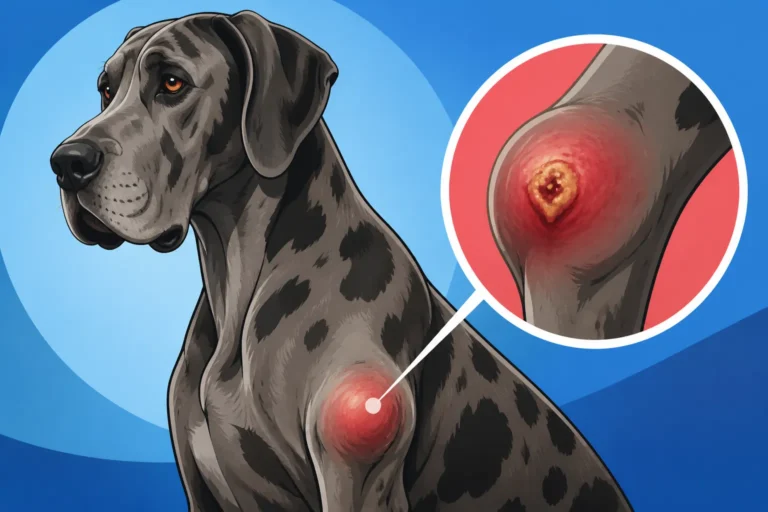
Investing in high-quality orthopedic bedding is not a luxury; it's a necessity for a Great Dane. Their large size and weight mean they put immense pressure on their joints when lying down, especially on hard surfaces. A thick, supportive orthopedic bed, such as those from brands like Big Barker or Mammoth Dog Beds, will cushion their joints, distribute their weight evenly, and help prevent painful pressure sores and conditions like Elbow Hygromas on a Great Dane. If your Dane needs to get into a car or climb stairs regularly, consider using ramps or training them to use them to reduce impact. Every little bit of foresight in creating a safe, comfortable environment can add up to years of healthier joint function.
The Long-Term Management of Joint Health
Even with the best preventive care, giant breeds like Great Danes are predisposed to joint issues due to their sheer size and genetics. Therefore, long-term management strategies are essential to maintain their comfort and mobility throughout their lives, especially as they enter their senior years.
Weight Management for Adult Great Danes
Maintaining an ideal body weight is one of the most impactful things you can do for your Great Dane's joint health at any age, but especially as they mature. Even a few extra pounds on a dog of their size translates to enormous additional stress on their hips, elbows, and spine. This extra load accelerates the wear and tear on cartilage, exacerbates existing conditions like arthritis, and can significantly increase pain levels.
Regularly assess your Great Dane's body condition. You should be able to easily feel their ribs with light pressure, see a distinct waistline when viewed from above, and an abdominal tuck when viewed from the side. If they're carrying too much weight, work with your vet to develop a safe and effective weight loss plan. This typically involves reducing calorie intake (often by switching to a 'light' or 'senior' formula), carefully measuring food portions, and increasing controlled, low-impact exercise. Losing even 5-10% of their body weight can dramatically improve comfort and mobility for an arthritic Great Dane, essentially giving their joints a much-needed break.
Supplements and Medications for Joint Support
For many adult Great Danes, particularly those predisposed to or already showing signs of joint issues, joint supplements can play a supportive role. Common ingredients include:
- Glucosamine and Chondroitin: These are natural components of cartilage and are thought to help support cartilage health and reduce inflammation.
- MSM (Methylsulfonylmethane): An organic sulfur compound believed to have anti-inflammatory and pain-relieving properties.
- Omega-3 Fatty Acids (EPA and DHA): Often sourced from fish oil, these powerful anti-inflammatory agents can help reduce joint pain and improve mobility.
While supplements are generally safe, always consult your veterinarian before adding them to your Great Dane's regimen, as dosing for a giant breed can be quite specific, and you want to ensure quality and efficacy. Your vet can advise Whether Joint Supplements Reach a Great Dane's Dose. For Danes with more significant pain or inflammation, prescription medications like Non-Steroidal Anti-Inflammatory Drugs (NSAIDs) may be necessary. These medications can provide substantial relief but require careful monitoring by your vet to watch for potential side effects. Long-term use of certain medications might be part of managing Arthritis in a Six-Year-Old Great Dane.
Physical Therapy and Alternative Treatments
When joint pain begins to impact your Great Dane's quality of life, a multimodal approach often works best. This frequently includes physical rehabilitation and alternative therapies, which can complement traditional medical treatments.
- Hydrotherapy: Swimming or walking on an underwater treadmill allows for exercise without bearing full weight, building muscle strength and improving range of motion with minimal impact on painful joints.
- Therapeutic Exercise: A certified veterinary rehabilitation therapist can design a customized exercise program to strengthen supporting muscles, improve balance, and increase flexibility.
- Massage Therapy: Gentle massage can help improve circulation, reduce muscle tension, and provide pain relief.
- Acupuncture: This ancient Chinese technique involves inserting fine needles into specific points on the body to stimulate nerve function and reduce pain. Many dogs respond very well to acupuncture for chronic joint pain.
- Laser Therapy: Low-level laser therapy can reduce pain and inflammation and accelerate tissue healing.
These therapies, often offered at specialized rehabilitation centers, can significantly improve a Great Dane's comfort and mobility, helping them live a more active and pain-free life. They offer a holistic approach to managing the chronic nature of many joint conditions.
When to Seek Veterinary Care and Pet Insurance
Navigating joint issues in a Great Dane can be stressful, and knowing when to seek professional help is paramount. Their size means that problems can escalate quickly, and the financial implications can be substantial.
Recognizing Urgent Signs
It’s crucial to be attuned to your Great Dane’s normal behavior and gait, so you can spot deviations quickly. While some stiffness after a long nap might be minor, certain signs warrant immediate veterinary attention. These include:
- Sudden, severe lameness: If your Dane suddenly cannot bear weight on a limb or is holding it up completely.
- Inability to rise or move: If they struggle significantly to get up, or collapse.
- Vocalization of pain: Whimpering, yelping, or crying out when moving or when a joint is touched.
- Swelling, heat, or obvious deformity: Any visible changes to a joint.
- Fever accompanied by lameness: As seen with conditions like HOD.
- Rapidly worsening symptoms: If existing lameness or stiffness suddenly becomes much worse.
Great Danes, like many dogs, can be stoic and may mask pain until it's quite severe. Don't wait until they're screaming; even subtle changes like a reluctance to play, a decreased appetite, or changes in their normal posture should prompt a call to your vet. Early intervention can often mean the difference between effective management and a rapidly deteriorating situation.
The Importance of Regular Vet Check-ups
Even if your Great Dane seems perfectly healthy, routine veterinary check-ups are incredibly important for monitoring their joint health over time. Your veterinarian can perform physical examinations, assess their gait, palpate their joints for signs of pain or swelling, and discuss any subtle changes you might have noticed. These regular visits provide an opportunity to catch issues early, before they become severe, and to implement preventive strategies.
As your Great Dane ages, these check-ups become even more critical for detecting the early signs of arthritis or other age-related joint conditions. Your vet can advise on appropriate senior diets, supplements, and exercise modifications. Proactive care is always more effective and often less expensive in the long run than reactive treatment after a crisis. Plus, building a good relationship with your vet means they have a comprehensive understanding of your Great Dane's health history, which is invaluable when issues arise. For those caring for a senior, checking out Caring for a Great Dane Past Six offers more specific advice.
Preparing for High Vet Costs with Pet Insurance
Let's be frank: Great Danes are expensive dogs, and their size and predisposition to orthopedic issues mean vet bills can quickly become astronomical. Diagnosing and treating conditions like hip or elbow dysplasia, HOD, or severe arthritis can involve specialized X-rays, MRIs, costly surgeries, medications, and long-term physical therapy. A single orthopedic surgery can easily run into the thousands of dollars, a financial burden that can be devastating for many families.
This is where pet insurance becomes not just a nice-to-have, but a crucial component of responsible Great Dane ownership. Companies like Healthy Paws offer comprehensive plans that can cover a significant portion of these unexpected veterinary expenses, from diagnostics to surgery and ongoing treatments. Enrolling your Great Dane when they are a young puppy, before any conditions manifest, is key, as most policies have waiting periods and do not cover pre-existing conditions. Having pet insurance means you can make medical decisions based on what’s best for your Great Dane, rather than being limited by financial constraints. It offers immense peace of mind, knowing that if a joint issue arises, you're better prepared to provide the best care possible. Having Healthy Paws as a safety net allows you to focus on your dog's recovery, not the looming bills.
Common Great Dane Joint Conditions Comparison
Here’s a quick overview of some of the joint conditions we’ve discussed, to help you differentiate them:
| Condition | Typical Age of Onset | Primary Symptoms | Key Characteristics | Typical Treatment |
|---|---|---|---|---|
| Hip Dysplasia | Puppy to young adult (4 months+) | "Bunny hop" gait, hind limb lameness, difficulty rising, pain on hip palpation, muscle loss in hindquarters | Malformation of hip joint (ball & socket don't fit), leads to arthritis | Conservative (pain meds, weight management) or surgical (FHO, Total Hip Replacement) |
| Elbow Dysplasia | Puppy to young adult (4-12 months) | Forelimb lameness (often subtle), stiffness, pain on elbow flexion, reduced range of motion, head bobbing | Group of conditions (FCP, UAP, OCD, incongruity) affecting elbow joint, leads to arthritis | Conservative (pain meds, rehab) or surgical (arthroscopy, fragment removal, osteotomy) |
| Hypertrophic Osteodystrophy (HOD) | Rapidly growing puppies (2-8 months) | Sudden, severe lameness (often multiple limbs), joint swelling, fever, lethargy, loss of appetite | Inflammation of growth plates in long bones, can cause permanent deformities | Supportive (pain meds, anti-inflammatories, IV fluids), controlled nutrition |
| Panosteitis | Growing puppies (5-18 months) | Shifting lameness (pain moves between limbs), general bone pain, mild fever, lethargy | Inflammation of long bone shafts, self-limiting ("growing pains") | Pain management (NSAIDs), rest, resolves on its own typically |
| Osteochondritis Dissecans (OCD) | Puppy to young adult (4-12 months) | Lameness (often shoulder), stiffness, pain on joint movement, worse after exercise | Cartilage flap detaches from joint surface, commonly in shoulder, elbow, hock | Surgical removal of cartilage flap, post-op rehab |
Disclaimer
This article is for general informational purposes only and does not constitute professional advice. Laws, prices and regulations vary by location and change over time. Consult a qualified professional for guidance on your specific situation.