Great Dane Hip and Elbow Screening
There’s nothing quite like the joy of bringing a Great Dane into your life. Their goofy antics, their endless affection, and that incredible size just steal your heart. But as many of us Dane owners know all too well, their majestic stature also comes with a unique set of health challenges, especially when it comes to their rapidly growing joints. It's truly heartbreaking to watch a magnificent dog struggle with pain, and joint issues like hip and elbow dysplasia are unfortunately common culprits. This comprehensive guide will walk you through everything you need to know about Great Dane hip and elbow screening, from understanding what these conditions are to navigating the screening process and supporting your gentle giant's joint health for a happier, more comfortable life.
Why Joint Health is Paramount for Great Danes
When you live with a Great Dane, you’re not just living with a dog; you’re living with a towering, athletic marvel. Their sheer size and rapid growth put immense strain on their developing skeletal system, making them uniquely susceptible to certain orthopedic conditions. It’s a reality that can hit hard, especially when you consider that these beautiful creatures already have a shorter lifespan compared to smaller breeds. Taking proactive steps for their joint health isn’t just good practice; it’s absolutely essential.
The Hereditary Nature of Joint Problems
One of the most frustrating aspects of conditions like hip and elbow dysplasia is their hereditary component. This means that these issues aren't just random bad luck; they can be passed down from parent dogs to their offspring. It’s a huge reason why choosing a reputable breeder who conducts thorough health screenings is so critical. Even with the best breeding practices, though, environmental factors during those crucial growth phases can still play a role, highlighting the complex interplay of nature and nurture in our Danes' well-being. Knowing that genetics are a factor makes screening even more important, as it helps identify carriers and affected dogs before they pass on these traits.
The Impact of Rapid Growth on Developing Bones
Great Dane puppies don't just grow; they explode in size. They go from tiny, clumsy fluffballs to majestic, towering adolescents in a blink of an eye. This incredible rate of growth, while impressive, is also a double-edged sword for their skeletal development. Their bones, cartilage, and soft tissues are constantly remodeling and adapting at an accelerated pace. If anything goes awry during this delicate process—whether due to genetics, diet, or exercise imbalances—it can lead to malformations and instability in their joints. This is a primary reason why we stress the importance of controlled growth, making sure a Great Dane puppy is kept lean and not over-exercised during its formative months.
Breed Predisposition and Common Great Dane Joint Ailments
While all large breeds can be prone to joint issues, Great Danes seem to have an extra target on their backs when it comes to certain orthopedic conditions. Hip and elbow dysplasia are sadly near the top of that list. Beyond these, we also see things like osteochondritis dissecans (OCD), where cartilage doesn't develop properly in the joints, particularly in shoulders and hocks. All these conditions share a common thread: they involve improper joint formation or development, leading to pain, inflammation, and eventually debilitating arthritis. Understanding this predisposition helps us be vigilant and take preventive measures.
Understanding Hip Dysplasia in Great Danes
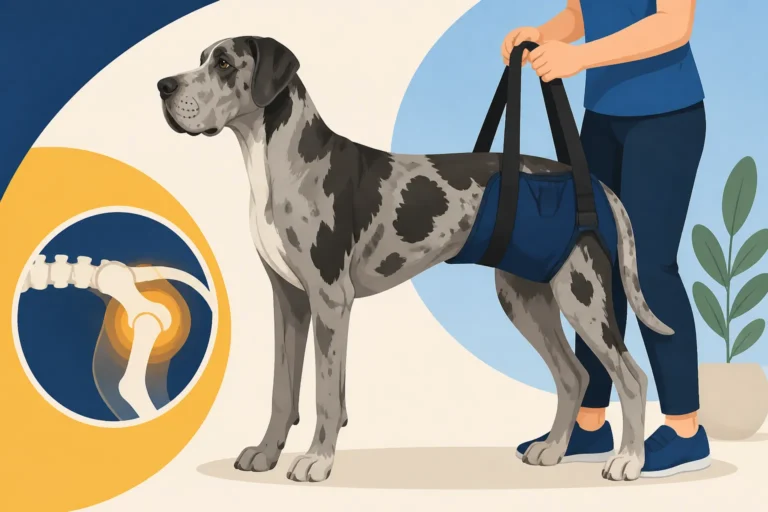
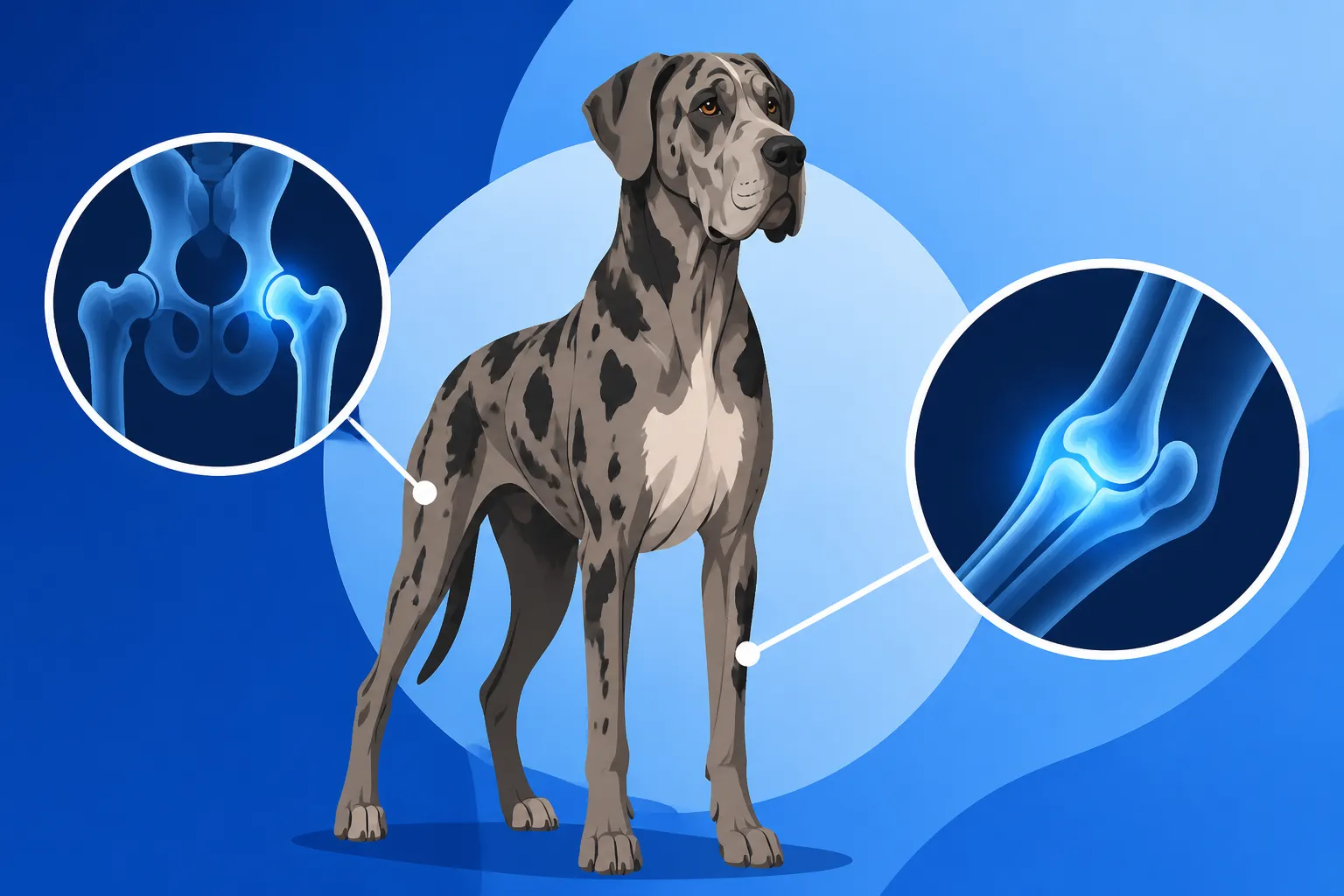
Hip dysplasia is a term that strikes fear into the heart of many large breed dog owners, and for good reason. It's a developmental disorder that affects the hip joints, causing them to not form correctly. Imagine a ball and socket joint, where the "ball" (the head of the femur) doesn't fit snugly into the "socket" (the acetabulum of the pelvis). This misalignment leads to friction, wear and tear, and eventually painful arthritis.
What Hip Dysplasia Actually Is
At its core, hip dysplasia is a looseness or laxity in the hip joint. Instead of moving smoothly within a deep, well-formed socket, the femoral head (the ball) might wobble or even partially dislocate. Over time, this abnormal movement causes the bone and cartilage to rub against each other, leading to inflammation, pain, and the formation of bony spurs as the body tries to stabilize the unstable joint. It's a progressive disease, meaning it tends to get worse over time if left unmanaged. We often see the signs start subtle, perhaps a slight reluctance to jump or a stiffness after resting, which then progresses to a more noticeable lameness.
Recognizing the Symptoms in Your Great Dane
Spotting hip dysplasia can be tricky, especially in a stoic Great Dane who might try to hide their pain. Early signs might be subtle – a slight stiffness when getting up, a preference for lying on one side, or a reluctance to climb stairs or jump into the car. As the condition progresses, you might notice a "bunny hop" gait, where they move both back legs together, or a noticeable lameness in one or both hind legs. Muscle wastage in the hindquarters can also become evident as they try to shift weight away from the painful hips. It's critical to pay close attention to any changes in your dog's movement or activity level, no matter how small, as early intervention can make a significant difference. If you're seeing any of these signs, it's worth having a chat with your vet about A Great Dane That Limps Without an Injury.
How Hip Dysplasia is Diagnosed
Diagnosing hip dysplasia usually begins with a thorough physical examination by your veterinarian. They'll manipulate your dog's hips, looking for signs of pain, looseness, or a grinding sensation. However, the definitive diagnosis comes from X-rays. These images allow the vet to visualize the structure of the hip joint and assess the degree of laxity and any degenerative changes. Specialized positions are used for these X-rays, often requiring sedation to ensure your Dane is perfectly still and relaxed for accurate imaging. This is where organizations like the Orthopedic Foundation for Animals (OFA) and PennHIP come in, providing standardized methods for evaluating hip health and grading the severity of dysplasia.
Delving into Elbow Dysplasia in Great Danes
While hip dysplasia often gets more attention, elbow dysplasia is arguably just as, if not more, prevalent and debilitating in Great Danes. It's not a single condition but rather a collective term for several developmental abnormalities that can occur in the elbow joint. Just like with hips, it leads to pain, lameness, and eventual arthritis.
Types of Elbow Dysplasia
Elbow dysplasia encompasses a few different conditions, all leading to an ill-fitting elbow joint. The most common types include:
- Fragmented Coronoid Process (FCP): This is where a small piece of bone breaks off from one of the bones in the elbow (the ulna) and floats freely within the joint, causing irritation and pain.
- Ununited Anconeal Process (UAP): In this case, a small growth plate (the anconeal process) fails to fuse with the ulna, remaining a separate piece of bone. This instability leads to joint incongruity.
- Osteochondritis Dissecans (OCD): Similar to OCD in other joints, this occurs when cartilage in the elbow doesn't develop properly, leading to a flap of cartilage or bone detaching and causing pain.
- Elbow Incongruity: This is a general term indicating that the bones forming the elbow joint (radius, ulna, and humerus) don't align perfectly, leading to abnormal pressure and wear.
Any of these issues disrupt the smooth function of the elbow, causing pain and setting the stage for early-onset arthritis.
Recognizing the Symptoms of Elbow Dysplasia
Elbow dysplasia symptoms can appear quite early, sometimes as young as 4-7 months of age, though they can also manifest later. Owners often report a subtle lameness that might come and go, especially after exercise. You might notice your Great Dane favoring a limb, a stiff or abnormal gait, or a reluctance to put full weight on one of their front legs. They might stand with their elbows turned out, or you could observe swelling around the elbow joint itself. The lameness often worsens after rest or heavy activity. It can be really frustrating trying to figure out if it's just a growing pain or something more serious, so always consult your vet if you're concerned about Swollen Painful Joints in a Great Dane Puppy.
How Elbow Dysplasia is Diagnosed
Similar to hip dysplasia, diagnosing elbow dysplasia involves a combination of physical examination and diagnostic imaging. Your vet will palpate your Dane's elbows, looking for swelling, pain, or reduced range of motion. Specific maneuvers might elicit pain or reveal joint instability. X-rays are the primary diagnostic tool, requiring precise positioning of the elbow joint to identify fragmented bone, ununited processes, or areas of osteochondritis. Again, sedation is often necessary to get clear, diagnostic images. Because of the complexity of the elbow joint, sometimes additional imaging like CT scans or MRI might be recommended for a more detailed assessment, especially if surgery is being considered.
The Screening Process: What to Expect
Once you understand the potential problems, the natural next step is to explore screening. It’s about being proactive, gathering information, and giving your Great Dane the best chance at a comfortable life. Don't worry, the process is well-established, and your vet will guide you through it.
When to Screen Your Great Dane
The timing for hip and elbow screening is important. For official certification through organizations like OFA, dogs typically need to be at least 24 months old (two years). This is because their joints are considered fully developed by this age, providing a more accurate assessment of their final structure. However, preliminary screenings can sometimes be done earlier, especially if you have concerns or if your breeder requires it. PennHIP evaluations, for example, can be performed as early as 16 weeks of age, offering an earlier indication of hip laxity, though it’s not an "official" certification of freedom from dysplasia until they are older. Discussing the ideal timing with your vet, considering your dog’s specific growth and any early signs, is always the best approach.
The Orthopedic Foundation for Animals (OFA) Evaluation
The Orthopedic Foundation for Animals (OFA) is a widely recognized organization for canine orthopedic health. For OFA certification, your Great Dane will undergo specific X-ray views of their hips and elbows when they are at least two years old. These X-rays are then submitted to a panel of three independent, board-certified veterinary radiologists. They evaluate the images for evidence of hip or elbow dysplasia based on standardized criteria.
For hips, they look at several factors including the depth of the hip socket, the fit of the femoral head, and the presence of any degenerative changes. Hips are graded as Excellent, Good, Fair (all considered "passing"), Borderline, or Dysplastic (Mild, Moderate, Severe). For elbows, they are graded as Normal or Dysplastic (Grade I, II, or III). Receiving an OFA "Normal" certification for hips and elbows signifies that, at the time of screening, your dog shows no radiographic evidence of dysplasia. This information is invaluable for breeders striving to produce healthier puppies, helping to improve the overall health of the breed, which directly ties into the importance of The Health Testing a Great Dane Breeder Owes You.
PennHIP Evaluation for Hip Laxity
PennHIP is another method for evaluating hip health, developed at the University of Pennsylvania. Unlike OFA, PennHIP can be performed on dogs as young as 16 weeks. It’s considered by many to be a more objective and quantitative method for assessing hip laxity, which is the primary cause of hip dysplasia. The PennHIP procedure involves three distinct X-ray views: a standard extended view, a distraction view (which measures the passive laxity of the hip joint), and a compression view.
The key output of a PennHIP evaluation is a "Distraction Index" (DI), a numerical measurement that quantifies the degree of hip laxity. A lower DI indicates tighter hips, while a higher DI suggests more laxity and a greater risk of developing hip dysplasia. PennHIP also provides a percentile ranking, showing how your dog's DI compares to other dogs of the same breed. While more involved and generally more expensive than OFA, PennHIP offers earlier insight into hip health, which can be beneficial for making informed decisions about exercise, diet, and potential preventive measures for your growing Great Dane.
The X-Ray Procedure and Sedation
Whether you choose OFA or PennHIP, the X-ray procedure will require your Great Dane to be sedated or anesthetized. This isn't just to make them compliant; it's absolutely crucial for obtaining clear, properly positioned diagnostic images. Imagine trying to get a perfectly still X-ray of a giant, possibly uncomfortable dog without them moving even a millimeter! Sedation ensures they are completely relaxed and can be positioned precisely, allowing the vet to get the angles needed for an accurate assessment.
Your vet will typically perform pre-sedation bloodwork to ensure your Great Dane is healthy enough for the procedure. They'll monitor vital signs throughout the sedation. While sedation always carries some degree of risk, it's generally very safe, especially when administered by an experienced veterinary team. The benefits of accurate screening far outweigh the minimal risks involved, providing you with vital information for your dog's long-term health. Keep in mind that Great Danes can have Anesthesia Risk in a Great Dane, so always ensure your vet is well-versed in handling giant breeds.
Interpreting Screening Results and Next Steps
Once the X-rays are done and evaluated, you'll receive results that can sometimes feel overwhelming. It's important to understand what the different grades mean and what your options are, whether your Dane gets a clean bill of health or faces some challenges. This information guides your future care decisions.
Understanding Hip and Elbow Grades
Let's break down those grades, as they are crucial for understanding the state of your Dane's joints.
For OFA hip grades, they range from Excellent to Severe Dysplasia. An "Excellent" rating means the hips are nearly perfect, with a deep socket and a tight fit. "Good" and "Fair" are still considered passing and indicate functionally sound hips, though perhaps with minor imperfections. "Borderline" is just that—on the cusp—and often requires re-screening at a later date. "Mild," "Moderate," and "Severe" dysplasia indicate increasing degrees of joint laxity and degenerative changes.
For OFA elbows, the grading is simpler: "Normal" is what we all hope for, meaning no evidence of dysplasia. Grades I, II, and III indicate increasing severity of elbow dysplasia, with Grade III being the most severe. PennHIP, as discussed, provides a Distraction Index (DI) which is a numerical value of hip laxity, often accompanied by a percentile ranking relative to other dogs of the same breed. A lower DI is better. It's all about providing you with a clearer picture of your Dane's unique joint structure and potential risks.
What a "Bad" Result Means
Receiving a less-than-ideal result—anything from Borderline hips to Grade I or higher elbows, or a high PennHIP DI—can be incredibly disheartening. It does not necessarily mean your Great Dane is destined for a life of pain or that they will be crippled. What it does mean is that they are predisposed to developing arthritis and may experience joint discomfort or lameness as they age. This information empowers you to be proactive in their care.
A "bad" result typically prompts a conversation with your veterinarian about potential management strategies. This might include dietary changes, specific supplements, controlled exercise, weight management, and possibly even prophylactic surgeries like a triple pelvic osteotomy (TPO) for hips in young dogs or arthroscopy for elbow issues. The goal is to slow the progression of arthritis and keep your Dane as comfortable and mobile as possible. It’s about taking control and working with your vet to create a tailored plan. For some, this might involve careful consideration of Hip Replacement in a Great Dane down the line.
Proactive Management Strategies
Regardless of the screening results, a proactive approach to joint health is always wise for Great Danes. If your Dane screens "Normal," great! Keep up the good work. If they show signs of dysplasia, these strategies become even more critical.
Weight Management: Keeping your Great Dane lean is arguably the single most important thing you can do for their joints. Every extra pound puts additional stress on hips and elbows. Regularly checking their body condition score and adjusting their food intake, like ensuring Six Cups Is Enough for a Great Dane, is vital.
Controlled Exercise: While adequate exercise is necessary for muscle development and overall health, appropriate exercise is key. Avoid high-impact activities, repetitive jumping, or long runs on hard surfaces, especially during their growth phase. Focus on moderate, consistent exercise like leash walks and swimming, which build muscle without overstressing joints. You don't want to accidentally contribute to Cruciate Injury in a Great Dane.
Joint Supplements: Many Great Dane owners use joint supplements containing ingredients like glucosamine, chondroitin, MSM, and Omega-3 fatty acids. While not a cure, these can help support cartilage health and reduce inflammation. Always discuss appropriate dosing and reputable brands with your vet.
Supportive Environment: Provide soft, orthopedic bedding to cushion their joints. Consider ramps for getting into cars or onto furniture if jumping becomes difficult. Minimize stairs or use baby gates to restrict access, especially for young or older Danes.
Regular Veterinary Check-ups: Consistent vet visits allow your vet to monitor your Dane's joint health, address any emerging issues promptly, and adjust their management plan as needed. Early detection of pain or stiffness means faster intervention.
Supporting Your Great Dane's Joints Beyond Screening
Screening is a snapshot, a vital piece of the puzzle. But the journey of supporting your Great Dane's joint health is a marathon, not a sprint. It involves daily care, thoughtful decisions, and a commitment to their long-term well-being.
The Role of Diet and Nutrition
What goes into your Great Dane's bowl plays a huge role in their joint health, especially during those critical growth periods. For puppies, it’s not about feeding them a regular puppy food, but specifically a large-breed puppy formula that is formulated for slower growth. This means controlled calcium and phosphorus levels to prevent Bone Development Problems in a Great Dane Puppy and prevent them from growing too quickly, which can exacerbate joint issues. For adults, maintaining an appropriate weight is paramount, as discussed earlier. Look for foods that support joint health, potentially with added glucosamine and chondroitin, though supplements are often needed for therapeutic doses. Avoid the temptation to overfeed or offer too many high-calorie treats; every calorie counts when it comes to keeping those big joints happy.
Appropriate Exercise Regimen
Great Danes need exercise, but it needs to be the right kind of exercise. During puppyhood, it's crucial to limit intense, high-impact activities like prolonged running, jumping off high places, or excessive fetching. Free play in a secure, soft area is generally better than forced exercise. As they mature, consistent, moderate exercise like long walks, swimming, and mental stimulation are ideal. These activities build strong muscles to support their joints without putting undue stress on them. Think about activities that are low-impact but help maintain good muscle tone. Remember, Great Danes are prone to Why a Great Dane Only Lives Seven to Ten Years, and keeping them active and comfortable is key to maximizing those precious years.
The Importance of High-Quality Bedding
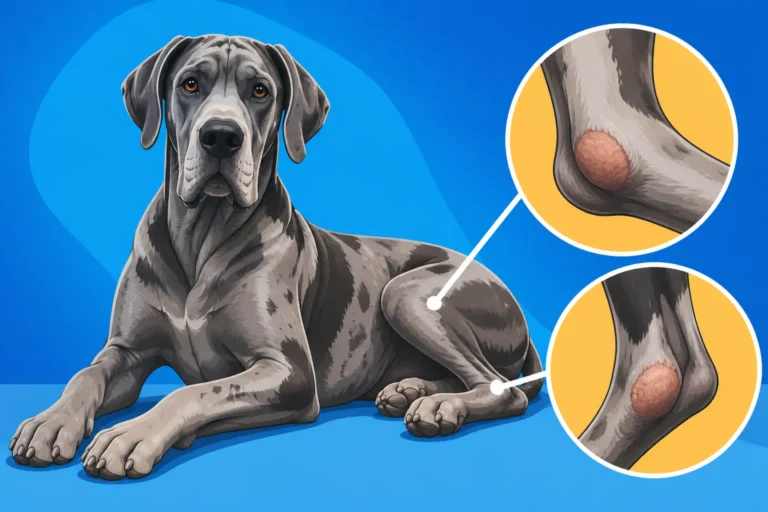
A Great Dane spends a significant portion of its life sleeping and resting, and where they do this is incredibly important for their joints. Hard floors offer no cushioning, leading to pressure points and discomfort, which can exacerbate existing joint issues or even contribute to new ones, like calluses and hygromas on their elbows. Investing in high-quality, orthopedic dog beds with thick, supportive foam is not a luxury; it's a necessity. These beds conform to their body, evenly distributing weight and relieving pressure on hips, elbows, and other joints. Look for beds that retain their loft and support over time, as a flattened bed provides no benefit. Sometimes, having Two Water Bowls in a Great Dane House is a priority, but a good bed should be right up there!
When to Consider Joint Supplements and Medications
Even with the best diet and exercise, some Great Danes may benefit from joint supplements or, if needed, prescription medications. Over-the-counter supplements typically contain ingredients like glucosamine, chondroitin sulfate, MSM, and sometimes hyaluronic acid or green-lipped mussel extract. These ingredients are believed to help maintain cartilage health, reduce inflammation, and support joint lubrication. While not a magic bullet, many owners report seeing an improvement in their dog's comfort and mobility.
For Danes with diagnosed dysplasia or significant arthritis, your veterinarian might recommend prescription medications. These can include NSAIDs (non-steroidal anti-inflammatory drugs) to manage pain and inflammation, or other pain relievers. In some cases, injectable joint therapies like Adequan might be suggested. The key is to work closely with your vet to determine the most appropriate course of action for your individual Great Dane, balancing effectiveness with potential side effects. Pet insurance providers like Healthy Paws can be incredibly helpful here, covering a significant portion of the costs for these ongoing treatments, which can quickly add up over The Short Expensive Life of a Great Dane.
Maintaining a Healthy Weight for Joint Longevity
I really can't stress this enough: maintaining a healthy weight is paramount for your Great Dane's joint longevity. Every single extra pound your dog carries adds significant stress to their hips, elbows, and spine. It's like asking a person to carry a heavy backpack all day, every day – eventually, their joints will protest. A lean body condition reduces the wear and tear on cartilage, lessens inflammation, and slows the progression of arthritis.
Regularly assess your Dane's body condition score by feeling their ribs (you should be able to feel them easily, but not see them prominently), checking for a visible waist when viewed from above, and a tuck-up from the side. Don't rely solely on the weight listed on their food bag; every dog is an individual. If you're unsure, ask your vet or a trusted breeder for guidance. Adjusting their food intake, managing treats, and ensuring consistent exercise are all pieces of this crucial puzzle. A Great Dane that is Kept Lean for Its Joints will undoubtedly have a more comfortable and active life.
| Factor | OFA (Orthopedic Foundation for Animals) | PennHIP (University of Pennsylvania Hip Improvement Program) |
|---|---|---|
| Minimum Age | 24 months for final certification | 16 weeks (can be done earlier, offers early assessment) |
| Primary Focus | Radiographic conformation (fit, depth, degenerative changes) | Quantitative measurement of hip laxity (Distraction Index) |
| X-ray Views | Extended hip view, specific elbow views | Extended hip view, distraction view, compression view |
| Results | Letter grades (Excellent, Good, Fair, Borderline, Dysplastic) for hips; Normal, Grade I-III for elbows | Distraction Index (DI) with percentile ranking relative to breed |
| Objectivity | Subjective assessment by 3 radiologists | Objective, quantitative measurement, considered more predictive of OA |
| Cost | Generally less expensive per exam | Generally more expensive, as it requires specialized training and equipment |
| Information | Provides a snapshot of joint conformation at maturity | Provides an earlier, more precise risk assessment for hip osteoarthritis (OA) |
Other Supportive Therapies
Beyond diet, exercise, and supplements, there's a growing array of supportive therapies that can help Great Danes with joint issues. Physiotherapy and rehabilitation can be incredibly beneficial, offering tailored exercise programs to strengthen muscles, improve range of motion, and reduce pain. Techniques like hydrotherapy (underwater treadmill) are fantastic for building muscle without putting stress on joints.
Acupuncture, chiropractic care, and even laser therapy are gaining popularity as complementary treatments. These alternative therapies aim to reduce pain, inflammation, and improve nerve function, offering relief for many dogs. Before embarking on any alternative treatment, always discuss it with your primary veterinarian to ensure it's safe and appropriate for your Great Dane. Remember, a comprehensive approach, often combining conventional and complementary therapies, usually yields the best results for keeping our big dogs comfortable and happy. It's about giving them every tool to live their best life.
Disclaimer
This article is for general informational purposes only and does not constitute professional advice. Laws, prices and regulations vary by location and change over time. Consult a qualified professional for guidance on your specific situation.