Whether Stress Sets Off a Great Dane Bloat
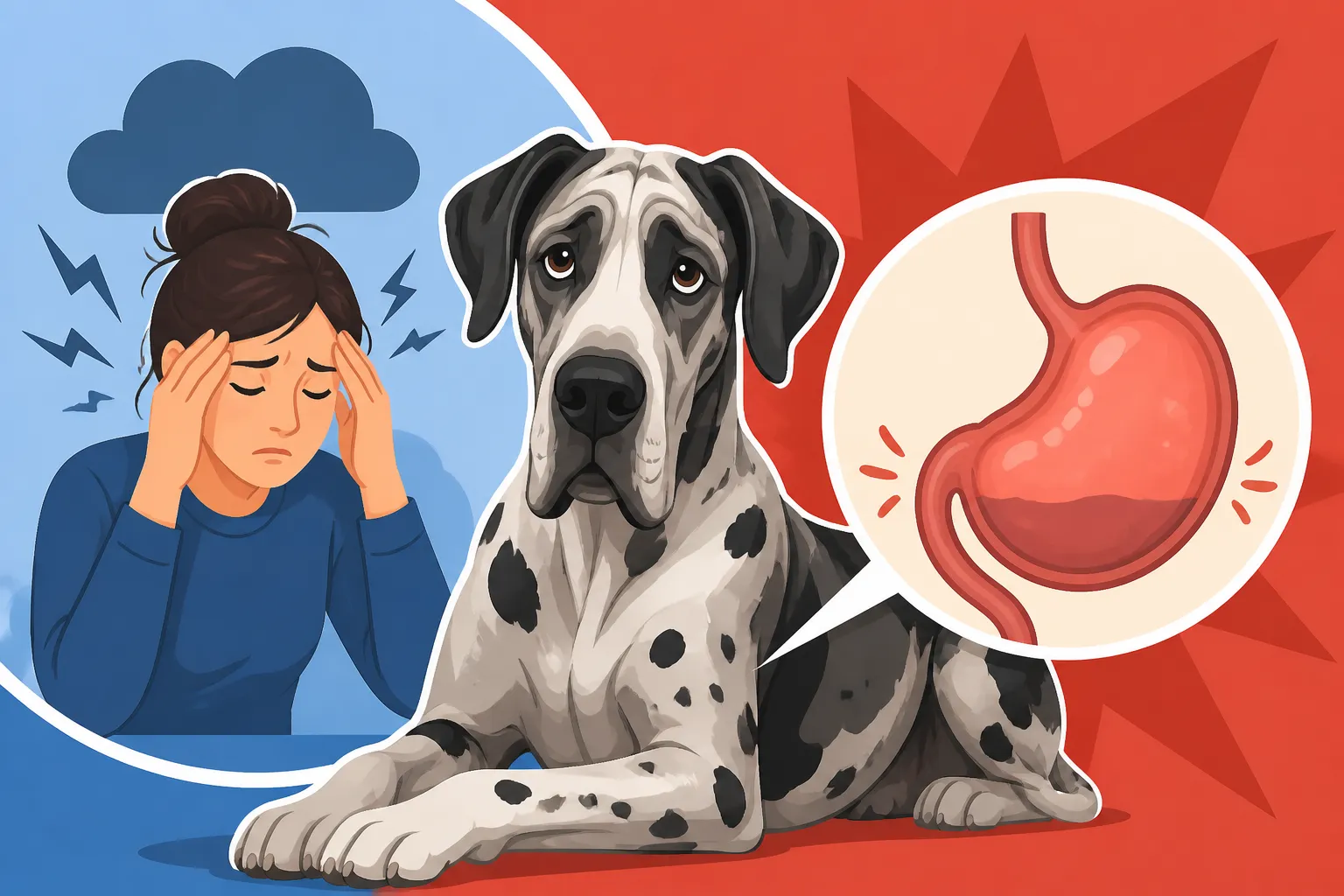
The sheer terror of bloat, or Gastric Dilatation-Volvulus (GDV), is a shadow that looms large over every Great Dane owner. We’re constantly scrutinizing our gentle giants for any unusual behavior, wondering if that slight distention or odd pacing is the beginning of the nightmare. It's natural to question every potential trigger, from food types to exercise timing, and for many, stress feels like a very real, yet elusive, culprit. This guide will dive deep into the connection between stress and bloat in Great Danes, exploring what the science says, what practical experiences suggest, and how you can proactively manage stressors to keep your beloved companion as safe as possible.
Understanding the Mechanics of Bloat in Great Danes
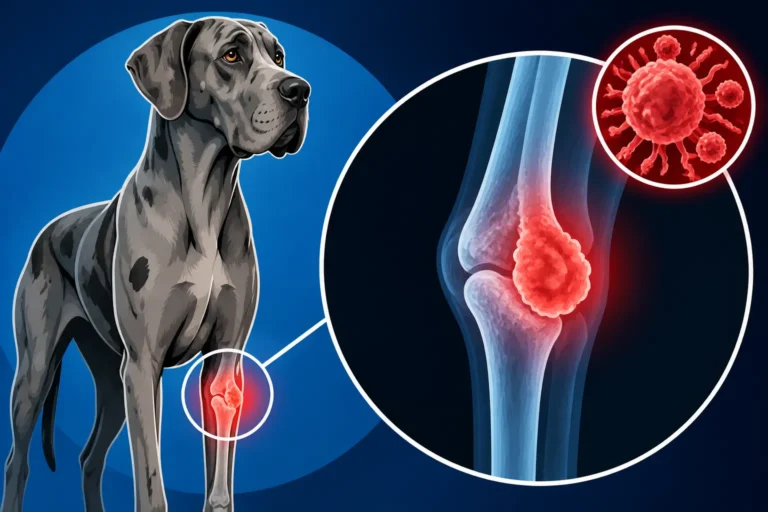
Before we delve into stress, it’s crucial to grasp what bloat actually entails. Gastric Dilatation-Volvulus is a terrifying, life-threatening condition where a dog's stomach fills with gas and then often twists upon itself. When the stomach twists, both the entrance and exit are sealed off, trapping gas, food, and fluid. This quickly compromises blood flow, leading to tissue death, shock, and potentially organ failure. The speed at which it can progress is horrifying; a dog can go from seemingly fine to critically ill in a matter of minutes or a few hours.
The unique anatomy of Great Danes, with their deep, narrow chests, makes them highly predisposed to this condition. It's why we talk so much about Bloat in a Great Dane and the One in Three Odds and the constant vigilance required. There are many theories about what triggers the initial gas accumulation or the subsequent twisting, from genetics and feeding habits to activity levels. The uncertainty is part of what makes it so unnerving for owners. You want to control every variable possible, and stress often feels like one you could mitigate.
Examining the Link Between Stress and Bloat
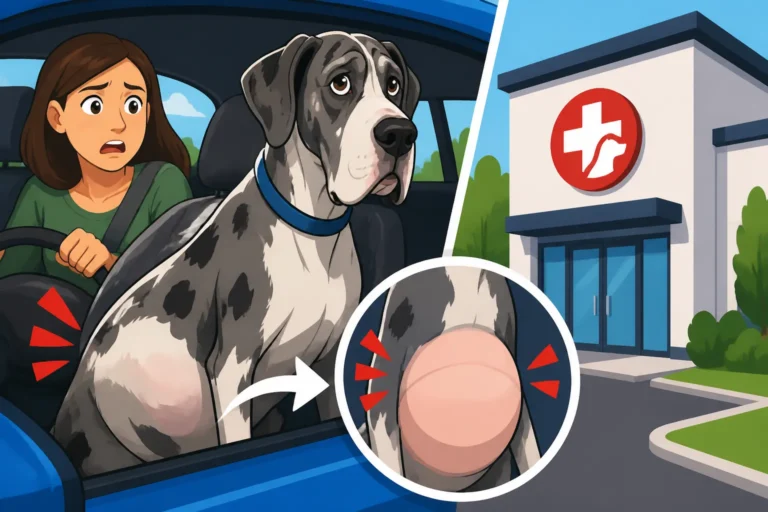
It’s a common belief among Great Dane owners, and many in the veterinary community, that stress can play a role in precipitating bloat. You hear stories of Danes bloating after a stressful car ride, a visit to the vet, or even during a loud thunderstorm. But how much of this is scientifically proven, and how much is correlation or anecdotal evidence?
Anecdotal Observations from Great Dane Owners
Many owners recount vivid experiences where their dog bloated shortly after a noticeable stressful event. Perhaps a new dog entered the home, or there was a sudden, jarring noise like fireworks. In these situations, it's easy to draw a direct line: stress leads to bloat. Owners observe behaviors like increased panting, pacing, gulping air, or sudden changes in appetite during stressful periods. These behaviors themselves could contribute to bloat; for example, gulping air can introduce more gas into the stomach.
Imagine you've just moved to a new house with your Great Dane, Luna. She's usually a calm dog, but the packing, the moving truck, and the unfamiliar smells of the new home have clearly rattled her. She's been pacing more, a bit clingy, and not eating with her usual gusto. Then, a few days after settling in, she suddenly starts exhibiting the terrifying signs of The Signs of a Great Dane Stomach Twisting. In that moment, it’s almost impossible not to connect her recent stress with the onset of bloat. These personal stories, while not scientific proof, are powerful and certainly inform how many of us try to manage our Danes' lives.
What the Scientific Research Suggests
When we look to formal scientific studies, the link between stress and GDV isn't as clear-cut as some owners might expect. While stress is often cited as a potential risk factor in veterinary textbooks and discussions, pinpointing it as a direct cause has been challenging to prove definitively. Some studies have identified behavioral changes associated with stress (like anxiety or fearfulness) as potentially increasing the risk of GDV. For instance, a highly anxious dog might be more prone to gulping food and water, which could introduce more air into the stomach, a precursor to bloat.
However, many research efforts have focused more on physiological factors like genetics, diet composition, feeding habits (e.g., eating too fast, eating from raised bowls – though The Raised Bowl Argument for Great Danes is still debated), and exercise timing around meals. It’s hard to quantify "stress" in a standardized way for scientific study, making it difficult to isolate its precise contribution compared to other variables. This doesn’t mean stress is irrelevant; rather, it suggests it might be an indirect contributor or one of several factors in a complex interplay rather than a primary trigger on its own. It's often difficult to untangle whether stress causes bloat or if a dog’s stress response leads to other behaviors (like excessive air swallowing) that then increase the risk.
Identifying Common Stressors for Great Danes
Even if the direct scientific link isn't fully established, managing stress is always beneficial for a dog's overall well-being, and it could very well reduce secondary behaviors that increase bloat risk. Recognizing common stressors in a Great Dane's life is the first step towards mitigating them.
Environmental and Situational Triggers
Our Great Danes are often more sensitive than their imposing size might suggest. Loud noises are a huge one. Think about how many dogs struggle with thunderstorms, fireworks, or even just the sudden clatter of a dropped pan. These can cause immense anxiety, leading to rapid panting, pacing, and potential air gulping. Changes in routine or environment, like moving house, having guests over, or even going on vacation, can be profoundly unsettling. A Dane that thrives on routine might find these disruptions incredibly stressful.
Consider a family trip to the beach. While it sounds fun, for your Great Dane, Loki, it means a long car ride, a new place to sleep, unfamiliar sounds, and perhaps other dogs he doesn’t know. He might be fine during the day, but the nights could be restless. This sustained level of mild anxiety, coupled with potentially eating faster in an unfamiliar environment, could theoretically contribute to a higher risk. This is why paying attention to your dog's subtle cues during any significant change is so important.
Social and Emotional Stressors
Great Danes are renowned for their affectionate and gentle nature, often forming deep bonds with their families. This means social stressors can hit them particularly hard. Separation anxiety is a significant concern for many Danes. Being left alone for extended periods can cause intense distress, manifesting in destructive chewing, howling, or frantic pacing. These behaviors aren't just annoying; they signify real anxiety. A Great Dane That Panics When Left is not just unhappy; they are in a state of high physiological arousal.
Other social stressors include conflict with other pets, the arrival of a new baby or pet, or even a change in household dynamics (e.g., a family member moving out). Even something as seemingly benign as a vet visit, which can be filled with strange smells, unfamiliar people, and sometimes uncomfortable procedures, can be highly stressful. While you can't avoid all vet visits, understanding that this is a stressor allows you to prepare better, perhaps with calming supplements, familiar toys, or even just practicing positive vet visit associations from a young age.
Strategies to Minimize Stress in Your Great Dane
While we might not have a definitive scientific "smoking gun" directly linking stress to bloat, the prudent approach for Great Dane owners is to minimize stress whenever possible. It benefits their overall health, happiness, and potentially, their bloat risk.
Creating a Stable and Predictable Environment
One of the best things you can do for your Great Dane is to provide a consistent daily routine. Regular feeding times, walks, and sleep schedules can go a long way in creating a sense of security. Dogs thrive on predictability. If you know a change is coming, like a household move or a new pet, introduce it gradually. For example, if you're expecting a baby, start playing baby sounds, setting up baby furniture, and introducing baby smells well in advance. For a Great Dane Bringing a Great Dane Into a House With a Cat, gradual, positive introductions are key.
- Routine: Stick to consistent feeding, walking, and potty breaks.
- Safe Space: Ensure your Dane has a quiet, comfortable "den" – a crate or a designated bed in a low-traffic area – where they can retreat and feel safe, especially during stressful events like thunderstorms. Beds that are sufficiently thick and supportive can also help prevent issues like Elbow Hygromas on a Great Dane.
- Enrichment: Provide plenty of mental stimulation with puzzle toys and chew items. A bored Dane can become a stressed Dane.
Addressing Specific Stress Triggers
For known stressors, targeted approaches are essential.
- Noise Aversion: If your Dane fears thunderstorms or fireworks, consider using calming wraps (like Thundershirts), creating a sound-proofed den, or discussing anxiety medication with your vet. Some owners use white noise machines or classical music to mask triggering sounds.
- Separation Anxiety: This is a tougher nut to crack and often requires a comprehensive training plan. Start with short absences and gradually increase duration, ensuring your dog has plenty of mental and physical stimulation before you leave. Consulting a professional dog trainer or veterinary behaviorist can be incredibly helpful.
- Vet Visits: Make vet visits as positive as possible from a young age. Bring high-value treats, practice handling at home, and choose a vet staff that understands giant breeds. A happy experience for your Dane can make a world of difference.
- Travel: If car rides are stressful, practice short, positive trips that don't always end at the vet. Use comfortable bedding and safety restraints.
Incorporating Stress-Reducing Practices
Beyond specific triggers, integrating general stress-reduction techniques into your daily life can be highly beneficial.
- Consistent Training: A well-trained Great Dane is generally a more confident and less stressed Dane. Basic obedience provides structure and allows for better communication between you and your dog. The Manners a Great Dane Needs Before It Grows are not just about politeness; they're about building a secure relationship.
- Calming Aids: There's a range of products available, from pheromone diffusers (like Adaptil) to calming treats containing ingredients like L-theanine or CBD. Always consult your vet before introducing new supplements or medications, especially for a giant breed.
- Physical Exercise: Regular, appropriate exercise helps burn off excess energy and can significantly reduce anxiety. Just be mindful of Exercise Limits While a Great Dane Is Still Growing to protect their developing joints. A tired dog is often a calmer dog.
- Mental Exercise: Don't forget their brains! Scent work, puzzle toys, and learning new tricks can be just as tiring and fulfilling as physical exercise.
How Stress Management Connects to Overall Bloat Prevention
While stress may not be a direct and isolated cause of bloat in the same way genetics or chest conformation are, managing stress is an important piece of the larger puzzle of bloat prevention for several reasons:
- Reduced Air Gulping: Stressed dogs often pant excessively, pace, and can gulp air, particularly around mealtimes if they're anxious about their food. More air in the stomach means a higher risk of gastric distension, which is the first phase of GDV. By creating a calm mealtime environment and reducing overall stress, you can mitigate this. For more on mealtime strategies, check out Meal Habits That Cut a Great Dane's Twist Risk.
- Improved Digestion: Stress can impact digestive function in dogs, just as it does in humans. A calm dog is likely to have a more efficient digestive system, potentially reducing the likelihood of gas build-up.
- Overall Health and Resilience: A dog under chronic stress has a weakened immune system and is generally less resilient to health challenges. Maintaining a low-stress lifestyle contributes to their overall health, making them better equipped to handle any health issue, including the potential for bloat.
- Early Detection: When your Great Dane is generally calm and well-adjusted, any sudden change in behavior – such as restlessness, pacing, or discomfort – stands out much more dramatically. This makes it easier for you to spot the early, subtle signs of A Great Dane Pacing With a Swollen Belly or A Great Dane Trying to Vomit and Failing which are critical for timely intervention.
The Importance of Preparedness
Even with the most meticulous stress management and preventive measures, bloat can strike. This is why being prepared is paramount for every Great Dane owner. Knowing What to Do the Minute a Great Dane Bloats can literally be the difference between life and death. You need to have an emergency plan in place, including the location and phone number of the nearest 24-hour veterinary emergency clinic.
Furthermore, financially preparing for a bloat emergency is crucial. The cost of bloat surgery and subsequent care can easily run into thousands of dollars. Having pet insurance, such as a comprehensive plan from Healthy Paws, can provide immense peace of mind. Healthy Paws, for example, is known for covering accidents and illnesses, which would include bloat. Understanding Insuring a Great Dane Against Bloat and Heart Bills is not just about covering unexpected vet bills, but about being able to make critical, life-saving decisions without financial burden being the primary obstacle. Without a robust insurance plan, the decision to proceed with expensive emergency surgery, especially during The Night a Great Dane Bloats and What It Costs, can be agonizing. A company like Healthy Paws can help you navigate these costs.
While stress management is an important preventative measure, many Great Dane owners also consider a preventive gastropexy – a surgical procedure that tacks the stomach to the abdominal wall to prevent it from twisting. This significantly reduces the risk of the stomach twisting (volvulus) even if it still dilates. Discussing When to Book a Great Dane Gastropexy with your veterinarian, and whether Whether Tacking Ends Great Dane Bloat Risk completely, is a vital conversation for all Great Dane owners.
Conclusion
While the direct scientific evidence linking stress solely as a cause of Great Dane bloat might still be developing, there's compelling anecdotal evidence and logical reasoning to suggest it plays a contributing role. Stress can lead to behaviors like air gulping, which is a known precursor to bloat, and it certainly impacts a dog’s overall health and well-being. By proactively identifying and mitigating stressors in your Great Dane’s life, you're not just making them happier; you're also taking a meaningful step towards potentially reducing their risk of this devastating condition. Combine diligent stress management with other preventive measures, a solid emergency plan, and perhaps even a good pet insurance policy from a provider like Healthy Paws, and you'll be giving your cherished companion the best possible chance at a long, healthy, and happy life.
Disclaimer
Please remember that the information provided in this article is for educational purposes only and should not be considered a substitute for professional veterinary advice. Always consult with your veterinarian for any health concerns or before making any decisions related to your Great Dane's care and treatment.