Grooming a Great Dane Lying Down
Getting a Great Dane to cooperate for grooming can feel like wrestling a small pony, especially when they’re standing tall and swaying. Their sheer size often means basic tasks like brushing or nail trims become a test of strength and patience, leaving both you and your gentle giant stressed. This guide is all about transforming that struggle into a calm, comfortable routine by teaching you how to effectively groom your Great Dane while they are lying down, making the process easier and more enjoyable for everyone.
Why Grooming a Great Dane Lying Down Just Makes Sense
Let's be real, a standing Great Dane is an imposing figure. Trying to brush their backside or trim nails on a paw that's almost as big as your head while they're upright can be awkward, to say the least. It’s a common frustration for Dane owners, and it often leads to neglected grooming or rushed, unpleasant sessions. Shifting to a lying-down approach isn't just a convenience; it's a game-changer for several reasons, both physical and psychological.
Easing Physical Strain for Both Dog and Owner
When your Great Dane is standing, even if they're well-behaved, you're constantly bending, crouching, and reaching. This isn't just hard on your back and knees; it can be unsteady for your Dane too. Imagine trying to trim their back nails while they're shifting their weight, towering over you. It's a recipe for accidental nips or discomfort. By encouraging them to lie down, you instantly create a more stable, accessible platform for grooming.
For you, it means less strenuous positioning. You can sit comfortably beside them, at eye level, or even on the floor yourself. This reduces the physical toll on your body, allowing you to take your time and be more thorough. For your Great Dane, lying down provides a sense of security and stability. They aren't trying to balance or hold an awkward pose. They're simply relaxing, which makes them far more likely to tolerate the various prods and pokes that come with grooming. This is particularly important as your Dane gets older or if they have Arthritis in a Six-Year-Old Great Dane, as standing for long periods can become genuinely painful.
Building a Positive Grooming Association
Many dogs, especially giant breeds who aren't used to being manhandled, can develop a negative association with grooming. If every brush session or nail trim involves a struggle, being held firmly, or quickly moved, they learn to dread it. This can make future sessions even harder, creating a vicious cycle of fear and resistance. Our goal is to break that cycle and replace it with positive experiences.
When a Great Dane is lying down, they are inherently in a more relaxed, vulnerable position. If you pair this with gentle handling, calm voices, and plenty of praise and treats, they begin to associate grooming with comfort and rewards. It becomes less of a chore and more of a bonding experience. Think about it: a calm, slow approach is almost always more effective than a forceful one, especially with a dog as sensitive and intelligent as a Great Dane. You're teaching them that grooming is not something to fear, but rather a peaceful part of their routine. This foundation of trust is invaluable for all aspects of their care.
Tackling Specific Grooming Tasks More Effectively
Certain grooming tasks are simply safer and more efficient when your Great Dane is lying down. Take nail trims, for example. Trying to hold a giant paw steady and trim thick nails while your Dane is standing can be tricky. With them lying down, you have better leverage, clearer visibility, and they are less likely to yank their paw away unexpectedly. The same goes for ear cleaning; you can gently cradle their head, ensuring you reach all the nooks and crannies without them trying to shake their head.
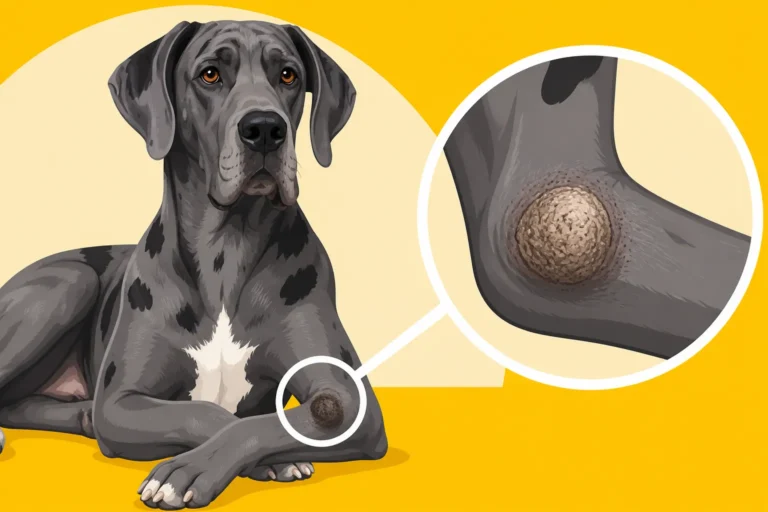
Consider brushing their underside or legs. When they're standing, you're often contorting yourself or asking them to lift a leg, which can be unstable. Lying down, their entire body is accessible. You can systematically work through their short coat, getting to all those shedding hairs that might otherwise be missed. This thoroughness contributes not only to their cleanliness but also to their comfort and skin health, helping prevent issues like Skin Problems Where a Great Dane Lies Down. A relaxed Dane is a cooperative Dane, and cooperation means a much better groom.
Essential Tools for Lying-Down Grooming
Having the right tools is half the battle when it comes to grooming a Great Dane. Their sheer size means you can't just use tiny brushes or flimsy nail clippers. Investing in quality, appropriately sized tools will make the process smoother, safer, and more comfortable for both of you. When you're asking your Great Dane to lie down for grooming, comfort is paramount, and that starts with the right equipment. Many of these items can be found readily on sites like Chewy or Amazon, offering a wide selection to fit your needs.
Brushes and Deshedding Tools
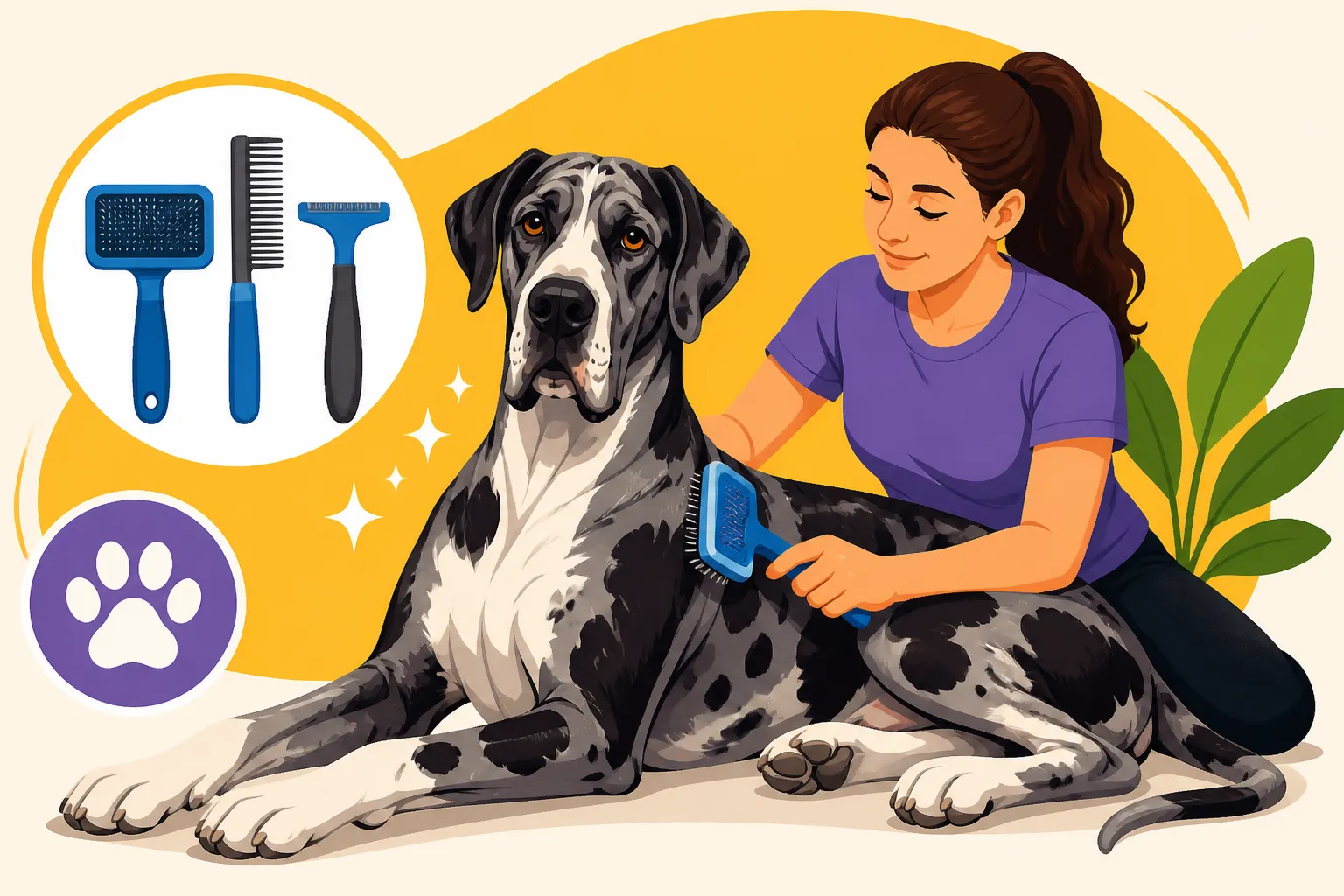
Even though Great Danes have short coats, they shed. A lot. Regularly brushing them, even while they're lying down, helps manage this shedding and keeps their skin healthy. You'll want a few types of brushes for maximum effectiveness:
- Rubber Curry Brush/Glove: These are fantastic for short-coated breeds like Danes. The rubber nubs massage the skin, stimulate circulation, and gently pull out loose hair. They're great for a daily once-over and can be used wet during a bath. Your Great Dane will likely find this type of brush quite pleasant, turning grooming into a mini-massage session. It’s also excellent for tackling Great Dane Hair on Furniture and Floors.
- Slicker Brush (soft-tipped): While primarily for longer coats, a soft-tipped slicker can be useful for Danes, particularly those with slightly thicker coats or for working through any minor mats that might develop in sensitive areas like behind the ears or on their feathering (if they have any). Always use with a very light touch on a Great Dane's short coat to avoid skin irritation.
- Deshedding Tool: Brands like Furminator offer specialized tools that reach through the topcoat to remove loose undercoat hair without cutting the topcoat. These can be incredibly effective during shedding season. Use these sparingly and gently, as over-use can irritate the skin. With your Dane lying down, you can ensure you're getting all those loose hairs from head to tail.
Remember, a consistent brushing routine, even for just 10-15 minutes a few times a week, makes a huge difference.
Nail Care Equipment
This is often the most dreaded part of grooming for both Danes and their owners. Great Dane nails are thick and strong, and the quick can be surprisingly long. Trimming them while your dog is standing can be a monumental task, but when they're lying down, you have better control. This is where Trimming Nails on a Great Dane That Outweighs You becomes a less daunting task.
- Heavy-Duty Nail Clippers: You need clippers designed for large breeds. Scissor-style clippers are often preferred for their leverage and control. Ensure they are sharp to make clean cuts, reducing the risk of splitting the nail or causing discomfort. Dull clippers crush the nail, which is painful.
- Nail Grinder (Dremel-style tool): Many Dane owners find a grinder less intimidating than clippers, and it can provide a smoother finish, reducing sharp edges. The key is to introduce it slowly and positively. The buzzing sound and vibration can be off-putting at first. Practice with it while your Dane is relaxed and lying down, offering treats liberally. Gradually touch it to their nails for just a second at a time. This is especially helpful if your Dane has dark nails, where the quick is hard to see. Learning Getting a Great Dane to Lie Down for Nail Trims will involve mastering this tool.
- Styptic Powder: Accidents happen, and even with the best care, you might occasionally cut the quick. Keep styptic powder (available at most pet stores or online on Amazon) on hand to quickly stop bleeding.
Regardless of your chosen method, the goal is to keep nails short enough that they don't click on the floor when your Dane walks. Long nails can affect their gait, leading to joint problems over time.
Ear and Eye Wipes
These may seem minor, but they are crucial for your Great Dane's comfort and health. Lying down makes it easier to access these sensitive areas.
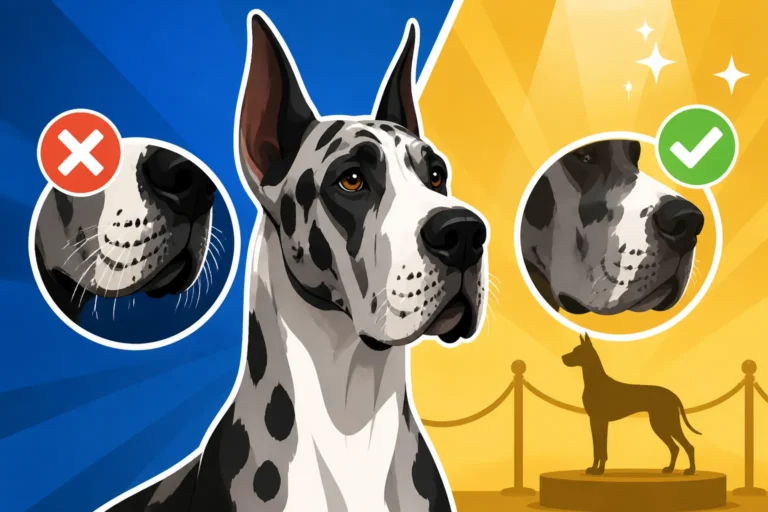
- Gentle Ear Cleaner Solution and Cotton Balls/Pads: Great Danes with natural, floppy ears can be prone to ear infections because the ear flap traps moisture and debris. Regular cleaning helps prevent this. Choose an ear cleaner recommended by your vet. While your Dane is lying down, gently lift their ear flap and apply a few drops of cleaner into the ear canal, then massage the base of the ear. Wipe away any excess with a cotton ball – never use Q-tips in the ear canal itself. For dogs with cropped ears, you still need to check for debris and wipe the outer ear. For more specific guidance, consider Ear Cleaning on a Cropped or Natural Great Dane.
- Eye Wipes or Soft, Damp Cloths: Great Danes can sometimes have "weepy" eyes or accumulate gunk in the corners. Use a soft, damp cloth or a pet-specific eye wipe (available on Chewy) to gently clean around their eyes. Always wipe away from the eye. Be particularly vigilant if your Dane has loose eyelids, which can sometimes collect more debris. Regular cleaning helps prevent irritation and staining. If you notice excessive discharge, redness, or swelling, it's time for a vet visit, as these could be signs of an underlying issue like Entropion and Ectropion in a Great Dane.
By having these tools ready and approaching grooming calmly and patiently, you’ll turn what could be a wrestle into a peaceful part of your Great Dane's routine.
Step-by-Step Guide to Lying-Down Grooming
The idea of getting a giant dog like a Great Dane to willingly lie down for a comprehensive grooming session might sound like a dream, but it's entirely achievable with the right approach and consistency. It’s all about creating a positive experience from the very start and breaking down the process into manageable, non-threatening steps. Remember, a Great Dane's sensitive nature means positive reinforcement works wonders, while force can quickly lead to fear and resistance.
Setting the Scene for Success
Before you even think about picking up a brush or nail grinder, you need to create an environment where your Great Dane feels safe, comfortable, and, most importantly, relaxed. This isn't just about the physical space; it's about the mood you set.
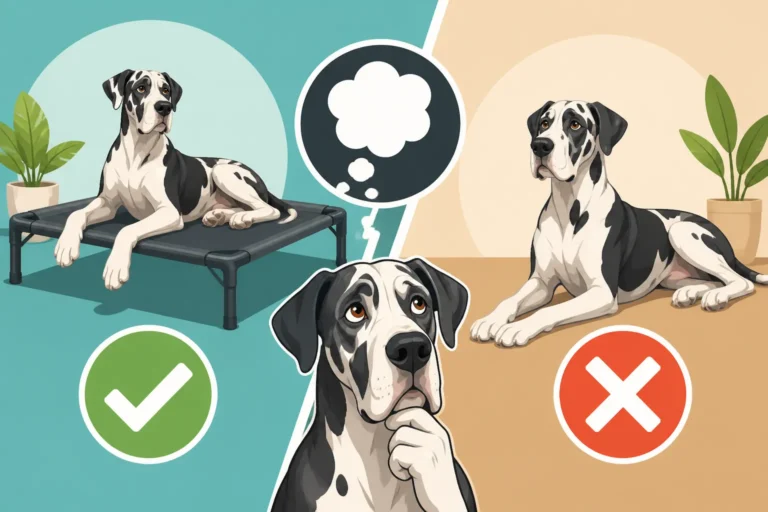
- Choose the Right Time and Place: Pick a quiet time when your household isn't chaotic. Avoid grooming right after an exciting walk or before mealtime when your Dane might be restless. A calm evening or a lazy afternoon is often ideal. Select a comfortable spot, perhaps their favorite Bedding That Prevents Great Dane Hygromas or a soft rug on the floor. The goal is for them to associate this spot with comfort and relaxation. Ensure there's enough space for both of you to be comfortable.
- Make it Inviting: Lay out a comfy blanket or their favorite orthopedic bed. Having a designated "grooming spot" helps them understand what's coming. You might even play some calming music or just ensure the room is quiet. The idea is to make the experience as low-stress as possible.
- Gather Your Tools (and Treats!): Have everything you need within arm's reach before you start. This includes your various brushes, nail clippers/grinder, ear cleaner, eye wipes, and, crucially, a generous supply of high-value treats. These treats are your secret weapon for positive reinforcement. You can also have a lick mat smeared with peanut butter to distract them during trickier tasks.
- Practice the "Down" Command: If your Great Dane isn't solid on their "down" command, practice it first, completely separate from grooming. Get them to lie down, praise, and treat. Repeat until they reliably go down and stay down for increasing periods. This foundation is critical for future success. If your Dane A Great Dane That Shuts Down When Scolded, remember patience and positive reinforcement are key.
Mastering the Brush-Out Session
Once your Great Dane is relaxed and lying down, you can begin with the easiest and often most enjoyable part for them: brushing. This helps them get used to being handled while down.
- Start with Gentle Stroking: Begin by simply petting your Dane while they're lying down. Talk to them in a calm, soothing voice. Give them a few treats just for being still and relaxed.
- Introduce the Brush Slowly: Once they're settled, gently bring out your chosen brush (a rubber curry brush is often a good starting point as it feels like a massage). Start by brushing a small, non-sensitive area, like their shoulder or flank. Use light, rhythmic strokes.
- Positive Reinforcement is Key: Every few strokes, pause, praise, and offer a treat. The moment they tolerate the brush, even for a second, reward them. If they get up, don't scold them; simply stop, reset, and try again when they're calm. You want them to choose to stay down.
- Work Systematically: As they become more comfortable, gradually work your way across their body. Pay attention to areas where they might shed more or where loose hair gathers, such as their back, flanks, and legs. Don't forget their chest and belly, which are often easier to access when they're lying down. Remember, Why a Great Dane's Short Coat Sheds a Lot, so be thorough.
- Keep Sessions Short and Positive: Initially, aim for short sessions—5 to 10 minutes. It's better to have several short, positive sessions than one long, stressful one. Always end on a good note, with praise and a final jackpot of treats.
Advanced Lying-Down Tasks (Nails, Ears, Eyes)
Once your Dane is comfortable with brushing while lying down, you can gradually introduce the more sensitive tasks. This requires even more patience and high-value rewards.
- Nail Trimming/Grinding:
- Positioning: With your Dane lying on their side, you can access the paws more easily. Gently hold one paw, stroking it for a moment.
- Introduction to Tools: If using a grinder, simply turn it on for a second away from their paw, praise, and treat. Repeat this a few times, gradually bringing the sound closer.
- The First Trim/Grind: When they're calm, gently hold one toe and quickly trim or grind just the very tip of one nail. Immediately praise and give a treat. If they tolerate it, do another nail, then stop for the session. Don't try to do all nails at once initially.
- Consistency: Over several sessions, gradually increase the number of nails you do, always prioritizing comfort and positive association. Refer back to Trimming Nails a Great Dane Will Not Give You for more tips on building tolerance.
- Ear Cleaning:
- Comfort: With your Dane lying down, gently lift their ear flap. If they resist, pause, soothe, and offer a treat.
- Application: Apply the ear cleaner as directed by your vet. Gently massage the base of the ear for 30 seconds to help break up wax.
- Wiping: Use a cotton ball or pad to gently wipe away any visible debris from the outer ear canal and the underside of the ear flap. Again, praise and treat throughout.
- Eye Cleaning:
- Gentle Approach: Use a soft, damp cloth or a pet-specific eye wipe. Gently wipe away any discharge or gunk from the corners of their eyes, always wiping away from the eye itself.
- Care for Loose Lids: If your Great Dane has naturally loose eyelids, be extra gentle and thorough, as debris can accumulate. This is especially important for issues like Cleaning Around a Great Dane's Loose Eyelids.
- Observation: Use this time to check for any redness, swelling, or excessive discharge that might warrant a vet visit.
Remember to keep these sessions short, positive, and full of rewards. The goal isn't to get everything done perfectly in one go, but to build trust and a willingness to cooperate over time.
Troubleshooting and Maintaining the Routine
Even with the best intentions and a calm approach, grooming a large dog like a Great Dane can present challenges. It's not always smooth sailing, and there will be days when your gentle giant decides they'd rather be anywhere but lying down for a nail trim. Understanding how to navigate these bumps and maintain a consistent, positive routine is key to long-term success.
Dealing with Resistance and Fear
It's common for Great Danes to show some initial resistance, especially if they've had negative grooming experiences in the past or if certain tools (like a nail grinder) are new and scary. Their size alone can make their "no" feel like an immovable force.
- Patience is Your Superpower: The absolute most important thing is patience. If your Dane stiffens, tries to get up, or even gently pulls away, don't force it. Forcing them will only escalate their fear and make future sessions harder. Instead, back off for a moment.
- Identify the Trigger: Is it the sound of the nail grinder? The feeling of the brush on a sensitive spot? The way you're holding their paw? Try to pinpoint what makes them uncomfortable.
- Desensitize and Counter-Condition:
- For sounds: If it's the nail grinder, turn it on in another room while giving treats. Gradually bring it closer over several days, always pairing the sound with something positive.
- For touch: If they dislike a certain body part being touched, start by touching a neutral area (like their shoulder) and rewarding. Gradually move closer to the sensitive spot, offering treats for even brief tolerance.
- Build associations: For example, when introducing a new tool, let them sniff it, then immediately give a treat. Repeat this several times without actually using the tool on them. They learn that the tool's presence predicts good things.
- Short, Sweet Sessions: If your Dane shows strong resistance, shorten the session significantly. Do one nail, or just a few brush strokes, and end on a positive note. You want to build a history of successful, low-stress interactions. Trying to power through a fearful dog's resistance rarely works and damages trust.
- Consult a Professional: If you're struggling to make progress, don't hesitate to seek help from a certified professional dog trainer or a vet behaviorist. They can provide tailored guidance and techniques for your specific dog. Sometimes, having a professional demonstrate or guide you through the process can make a world of difference.
Consistency is Key for Great Danes
Great Danes thrive on routine and predictability. Irregular grooming sessions, or only attempting grooming when absolutely necessary, can make the process much harder. Consistency helps them understand what to expect and builds their tolerance over time.
- Schedule Regular Sessions: Aim for a consistent schedule. Even if it's just 10-15 minutes of brushing every other day, or one nail trim session a week (even if you only get a few nails done), stick to it. This regularity helps them integrate grooming into their normal routine, making it less of a surprise or a chore.
- Start Early: If you have a Great Dane puppy, start grooming them early! Get them used to being touched all over, having their paws handled, and being near grooming tools. Puppyhood is the prime time for positive association. Learning what a Great Dane puppy needs first includes these foundational experiences.
- Maintain a Calm Demeanor: Your energy is contagious. If you're stressed or rushed, your Great Dane will pick up on it. Take a deep breath, stay calm, and approach grooming with a relaxed attitude. This helps them relax too.
- The "Whole Picture" of Care: Remember that grooming is part of a larger picture of care that includes diet, exercise, and veterinary check-ups. A well-fed, healthy Great Dane (perhaps one on a balanced diet like Ollie's, if that fits your preference) is generally more cooperative and less likely to have coat or skin issues that make grooming painful. Regular vet visits, as outlined in The Yearly Checkup a Great Dane Needs, ensure underlying health issues aren't contributing to discomfort during grooming.
Knowing When to Seek Professional Help
There are times when despite your best efforts, certain grooming tasks might feel overwhelming or unsafe. This is perfectly normal, and there's no shame in calling in the pros.
- Overwhelming Fear or Aggression: If your Great Dane shows genuine fear, panic, or even aggression during grooming, it’s time to involve a professional groomer or your veterinarian. They have the experience, specialized equipment, and sometimes sedation options to safely complete the tasks. They can also offer advice on behavior modification to make future home grooming easier.
- Medical Concerns: If you notice anything unusual during grooming—a suspicious lump, a sore spot, excessive redness, a persistent limp like A Great Dane That Limps Without an Injury, or an ear infection that won't clear up—your first call should always be to your veterinarian. Grooming provides an excellent opportunity for early detection of health issues.
- Nail Trimming Challenges: If you consistently struggle with nail trims, or if your Great Dane has very dark nails where the quick is hard to see, a professional groomer or vet tech can often do it quickly and safely. Some clinics even offer "walk-in" nail trim services. Don't let overgrown nails impact your Dane's health because you're afraid to trim them yourself; professional help is a valuable resource.
- Bathing a Great Dane: While this guide focuses on lying-down grooming, sometimes a full bath is necessary. If your Great Dane is too large or resistant to bathe at home, especially if you don't have a walk-in shower or wash station, professional groomers have facilities designed to handle giant breeds. Many pet stores like Petco or local groomers offer large self-wash stations as well. This can save your back and your bathroom!
Grooming your Great Dane, especially when they're lying down, is a testament to the strong bond you share. It requires trust, patience, and positive reinforcement, but the rewards—a happy, healthy, and well-maintained gentle giant—are absolutely worth the effort.
Disclaimer
This article is for general informational purposes only and does not constitute professional advice. Laws, prices and regulations vary by location and change over time. Consult a qualified professional for guidance on your specific situation.