Feeding an Adult Great Dane Six to Ten Cups
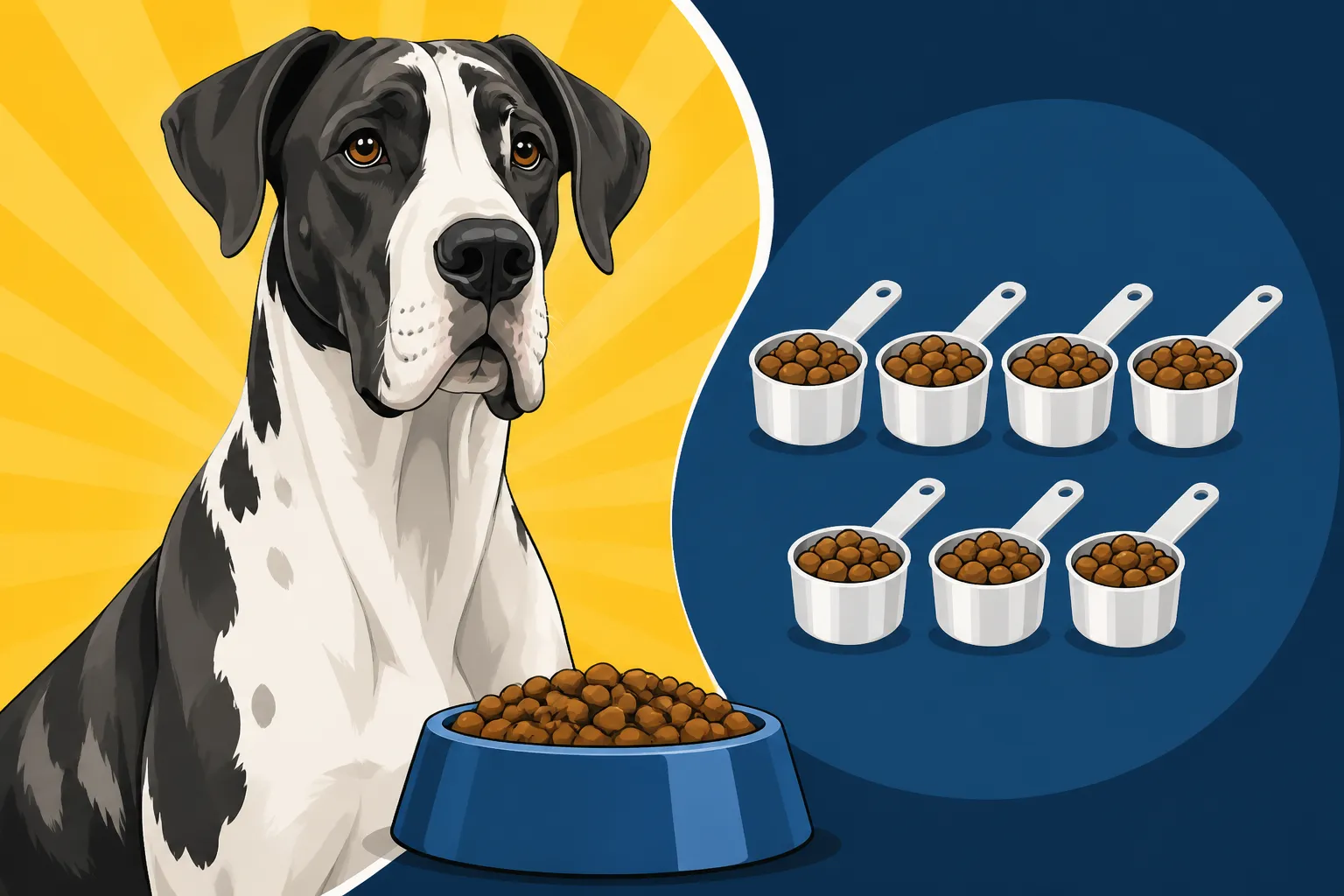
The sheer volume of food an adult Great Dane needs can be a real eye-opener, and honestly, a little intimidating. You're trying to figure out if your gentle giant is getting enough sustenance without overdoing it, or worse, underfeeding them. It's a common struggle for Dane owners to navigate those often-cited feeding guidelines, like "six to ten cups a day," and wonder what that really means for their specific dog. This comprehensive guide is here to break down the nuances of feeding an adult Great Dane, helping you understand the factors at play and how to tailor their diet for optimal health and happiness.
Understanding the "Six to Ten Cups" Guideline
When you first bring home an adult Great Dane, or even when your puppy transitions to adult food, the feeding recommendations can seem astronomical. Six to ten cups of kibble per day? That’s more than some people eat in a week! It’s a number that sparks a lot of questions and sometimes, a bit of panic. But it’s crucial to understand that this isn’t a rigid decree; it's a guideline, a starting point in a very individualized journey.
Why the Range Exists
Think of that "six to ten cups" as a broad spectrum, not a single, fixed target. The reason for such a wide range boils down to the incredible diversity within the Great Dane breed itself. Not every Great Dane is built exactly the same, nor do they all lead identical lifestyles. You might have a petite female Dane who tops out at around 110-120 pounds, while her male counterpart might easily weigh in at a robust 170-180 pounds, or even more. This significant difference in size alone means their caloric needs will vary dramatically.
Beyond just the sheer numbers on the scale, their individual body composition plays a huge role. Some Danes are naturally lean, almost sleek, with a fast metabolism that burns through calories quickly. Others tend to be a bit stockier, perhaps carrying a little more muscle or having a slower metabolic rate. It’s much like people – some of us can eat plate after plate and stay slender, while others have to watch every bite. These genetic predispositions mean that what fuels one Dane perfectly might leave another feeling perpetually hungry or, conversely, lead to unwanted weight gain.
Another significant contributor to this range is activity level, which we'll dive into more deeply later. A Great Dane who enjoys daily long walks, plays vigorously in the yard, or participates in dog sports is going to need considerably more fuel than a laid-back Dane whose favorite pastime is napping on the sofa. The difference in energy output directly translates to a difference in caloric requirement, which then translates to varying food portions. So, that six to ten cup range is simply acknowledging that your magnificent Great Dane is a unique individual, and their bowl needs to reflect that.
Beyond the Bag: Manufacturer Recommendations are Just a Starting Point
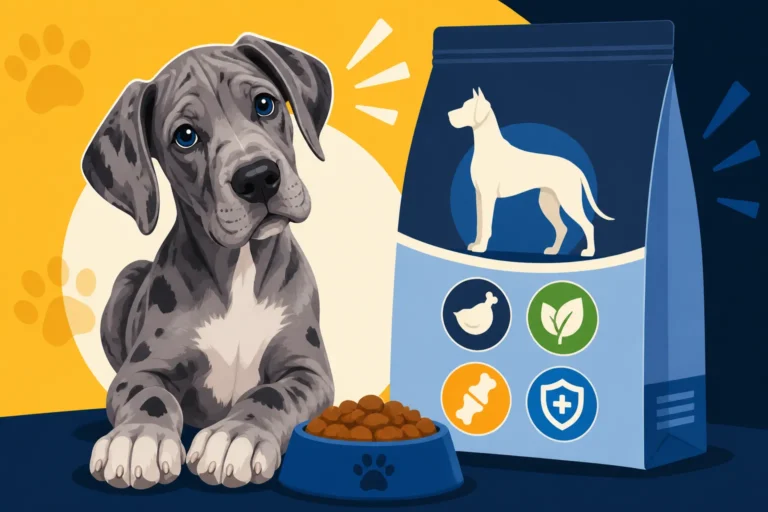
When you tear open that giant bag of large-breed dog food, you’ll inevitably find a feeding chart on the back. These charts typically list a weight range and a corresponding cup measurement. While these are a necessary starting point, it’s vital to see them for what they are: general guidelines based on averages, not gospel for your specific dog. Manufacturers have to cater to the broadest possible audience, and they can’t account for every nuance of your Great Dane's life.
Think about it: the chart doesn't know if your Great Dane is a 18-month-old energetic male still technically growing into his frame and burning through calories like a furnace, or a seven-year-old female who prefers gentle strolls and long naps. It doesn't know if your Dane has a naturally high metabolism or if they tend to gain weight easily. These charts are formulated for an "average" dog within that weight class, and our Great Danes are anything but average!
Relying solely on the bag’s recommendation without observing your dog can lead to issues. Some Danes might become overweight on the suggested amount, while others could become too lean. It’s up to you, the dedicated owner, to be the detective and observer, using the bag’s recommendations as a jumping-off point and then adjusting based on your dog's actual body condition and energy levels. We’ll discuss how to "read" your Great Dane’s body in a bit, but for now, just remember that the numbers on the bag are a suggestion, not a mandate. You’ll become an expert in knowing what your Dane needs, which might be a bit more or a bit less than what the label says.
Factors Influencing Your Great Dane's Appetite and Needs
Understanding why the "six to ten cups" range exists is the first step. The next is pinpointing exactly where your Great Dane fits within that spectrum, or even if they fall outside it. Several key factors play a massive role in determining your dog's daily caloric requirements, and ignoring them can lead to problems with weight, energy, and overall health.
Age and Life Stage: Puppy vs. Adult vs. Senior
Your Great Dane's dietary needs are far from static; they evolve dramatically throughout their life. What’s appropriate for a rambunctious puppy is completely different from what sustains a mature adult, and again, vastly different from the requirements of a senior Dane.
Puppies, for instance, are growth machines. They’re building bone, muscle, and organ tissue at an astonishing rate. However, for giant breeds like Great Danes, this growth needs to be controlled. Why a Great Dane Puppy Should Grow Slowly is crucial for joint health. High-quality large breed puppy food is formulated to support this rapid development without promoting too fast of growth, which can lead to orthopedic problems. They might eat a surprising amount for their age, but it’s packed with nutrients specifically for growing bodies. As they approach adulthood, around 18-24 months, their growth plates close, and their intense caloric needs for building mass start to taper.
An adult Great Dane, typically between two and six or seven years old, needs a diet focused on maintenance and energy for their daily activities. This is where the six to ten cups guideline primarily applies. Their bodies are no longer in the demanding growth phase, but they still require substantial fuel to maintain their large frames and often, their playful spirits. This is the period when most owners find their Dane's "sweet spot" in terms of food quantity.
As your Great Dane transitions into their senior years, generally around six years old for a giant breed, their metabolism often slows down. They might become less active, spending more time lounging and less time running. The Age a Great Dane Is Considered Old can vary, but generally, their needs shift towards joint support, maintaining muscle mass without excessive weight, and easily digestible ingredients. You might find you need to slightly decrease their daily intake to prevent weight gain, even though their body weight might remain high. It's about adjusting to their changing energy output and metabolic rate.
Activity Level: Couch Potato vs. Active Adventurer
This is perhaps one of the most significant variables in your Great Dane's daily food requirements. Just like with people, the amount of energy expended directly correlates with the amount of fuel needed.
Consider the Great Dane who truly embodies the "gentle giant" stereotype by being a magnificent, albeit mostly stationary, fixture on your sofa. This sweet, low-energy dog might enjoy a couple of leisurely strolls around the block each day, but their primary activity is supervising you from various comfortable spots around the house. Their caloric needs will naturally fall towards the lower end of the "six to ten cups" spectrum, and possibly even below it, depending on their individual metabolism. Overfeeding a sedentary Dane can quickly lead to excess weight, putting undue strain on their Great Dane Hips, Elbows and Growing Joints.
On the other hand, you might have a Great Dane who thinks they're a tiny terrier, full of vim and vigor! This Dane might accompany you on long hikes, enjoy vigorous play sessions in a large, fenced yard, or even participate in dog sports like obedience or tracking. An active adventurer like this burns through a tremendous amount of calories. They will almost certainly require the higher end of the feeding guideline, or potentially even more, especially if they are a large male. They need that extra fuel to power their muscles and maintain their energy throughout the day. Neglecting to increase food for a highly active Dane can result in them becoming too thin and lacking essential nutrients.
The key here is observation. Are they bounding with energy, or are they sluggish? Do they look lean and muscular, or are they carrying extra padding? Adjust their food incrementally based on how much they move and what their body tells you. Remember, a fit Dane is a healthy Dane, regardless of their activity type.
Metabolism and Genetics: Individual Differences
Even two Great Danes of the exact same age, sex, and activity level might have different feeding needs, and that’s often down to their individual metabolism and genetic makeup. This is where the science gets a little fuzzy for us pet parents, but the practical implications are clear: your dog is unique.
Some Great Danes are what we affectionately call "hard keepers." They have a naturally fast metabolism, seemingly burning calories just by existing. You might find yourself feeding them at the higher end of the six to ten cup range, or even exceeding it slightly, just to maintain their ideal body condition. They might have inherited this predisposition from their parents or a specific line within the breed. These Danes often appear lean and muscular, and it can be a constant balancing act to ensure they don't become too thin, especially if they are also very active.
Conversely, other Great Danes seem to just look at food and gain weight. Their metabolism might be a bit slower, meaning they convert calories to fat more efficiently. For these dogs, you'll need to be more conservative with their food intake, often sticking to the lower end of the guideline, and carefully monitoring treats and table scraps. It's not that they're "lazy" or "greedy," it's just how their body processes energy. Being mindful of Putting Weight on a Thin Great Dane or slimming a portly one requires understanding these inherent metabolic differences.
Genetics can also predispose certain dogs to specific health conditions that impact appetite or nutrient absorption, though these are less common. The point is, don't compare your Great Dane strictly to others. What works for your neighbor's Dane might not work for yours. Learning to recognize your dog's ideal body condition is the ultimate guide, and that will be a blend of their unique metabolic rate, their activity, and their life stage.
Health Status and Medical Conditions: Illness, Medications, or Specific Dietary Needs
A Great Dane’s health is inextricably linked to their diet, and any ongoing medical conditions or prescribed medications can significantly alter their nutritional requirements. It's not just about how much they eat, but often what they eat.
For instance, a Dane battling a chronic illness might have reduced appetite, digestive issues, or an increased need for certain nutrients to support their immune system or repair tissues. Conditions like certain cancers (Bone Cancer in a Great Dane) can lead to significant weight loss, requiring calorie-dense diets and careful monitoring. Conversely, a Great Dane with hypothyroidism might have a slowed metabolism, leading to weight gain even on a moderate diet. In such cases, managing the underlying condition with medication, as well as adjusting their diet, is critical. The Thyroid Test a Slow Great Dane Needs can uncover such issues.
Medications can also play a role. Some steroids, for example, can dramatically increase appetite and lead to weight gain, while others might cause stomach upset, reducing food intake. Your veterinarian is the best resource for navigating these complexities. They might recommend specific therapeutic diets formulated to manage conditions like kidney disease, heart issues (The Heart Muscle Disease Great Danes Are Prone To), or gastrointestinal sensitivities. These diets are carefully balanced and often have precise feeding instructions that override general guidelines.
Allergies or sensitivities, while not strictly "illnesses," certainly impact dietary choices. A Great Dane with a chicken allergy, for example, would need a diet free of chicken, regardless of how many cups are recommended on a standard bag. Similarly, some Great Danes might benefit from joint-supportive supplements or foods enriched with glucosamine and chondroitin, especially as they age or if they show signs of Arthritis in a Six-Year-Old Great Dane. Always consult your vet before making significant dietary changes due to health concerns, as they can help you formulate a safe and effective plan.
Choosing the Right Food for Your Giant
With so many options lining the pet store shelves and online, choosing the right food for your Great Dane can feel overwhelming. It’s not just about finding a giant bag; it’s about finding the right giant bag that provides optimal nutrition for their specific needs.
Kibble Quality and Density: Not All Kibbles Are Created Equal
When it comes to feeding a Great Dane, the sheer volume of food they consume makes kibble quality incredibly important. You’re not just pouring cups into a bowl; you’re providing the building blocks for a massive, powerful, and sensitive body. Not all kibbles are created equal, and price isn't always the sole indicator of quality.
High-quality kibble for a Great Dane should be nutrient-dense. This means it provides a substantial amount of calories, protein, and essential nutrients in each cup, reducing the overall volume of food needed. Look for formulas where the first few ingredients are named meat sources (e.g., "chicken meal," "lamb," "beef") rather than generic "meat byproduct" or excessive fillers like corn, wheat, or soy. While these ingredients aren't inherently "bad," in large quantities they can reduce the overall nutritional value and potentially contribute to digestive upset in sensitive Danes.
Consider the fat and protein levels. Protein and Fat Levels for a Great Dane need to be appropriate for their age and activity. Too low, and they might not get enough energy or muscle support. Too high, and it could lead to excessive weight gain or digestive issues. A balanced formula designed for large or giant breeds is usually a good bet, as it takes into account their unique metabolic needs.
Ultimately, a higher quality, more nutrient-dense kibble might seem more expensive per bag, but because your Dane gets more nutrition per cup, they might actually eat slightly less volume, potentially balancing out the cost. Plus, better nutrition often translates to fewer vet visits for diet-related issues, which is a significant saving in itself. You can find a wide variety of high-quality kibbles, often in large, economical bags, through online retailers like Chewy, making it easier to stock up for your big eater.
Large Breed Specific Formulations: What to Look For
Generic "adult dog food" just won't cut it for a Great Dane. Their unique physiology demands a food specifically formulated for large or giant breeds. This isn't just a marketing ploy; it’s a scientific necessity.
The primary reason for this specialized formulation, especially for growing Great Danes, is the controlled balance of calcium and phosphorus. Too much calcium, particularly during the rapid growth phase, can be detrimental, contributing to orthopedic problems like osteochondrosis dissecans (OCD) and hypertrophic osteodystrophy (HOD). Even in adult foods, while not as critical as for puppies, maintaining a proper mineral balance is important for long-term joint health. Look for "large breed adult" on the label.
These specialized foods also tend to have a slightly lower calorie density per cup compared to regular adult foods, helping to prevent too-rapid weight gain which puts stress on developing or aging joints. They often include joint-supporting ingredients like glucosamine and chondroitin, which can be beneficial for a breed prone to joint issues. Joint Support Built Into Great Dane Food can be a huge benefit as your Dane ages.
The kibble size itself is also usually larger in large breed formulas. This isn’t just for fun; it encourages Great Danes to chew their food rather than inhaling it, which can be a factor in preventing bloat. While a raised feeder can also help with comfortable eating, Slow Bowls Big Enough for a Great Dane are designed to make them work for each bite. When reading labels, prioritize foods that meet AAFCO (Association of American Feed Control Officials) nutritional adequacy statements for "adult maintenance of large breed dogs."
Considering Fresh or Raw Diets: The Logistics and Benefits for a Dane
Beyond traditional kibble, many Great Dane owners are exploring fresh-cooked or raw food diets, enticed by potential benefits like improved coat health, better digestion, and increased energy. However, for a Great Dane, the logistics and cost associated with these diets are significant.
Fresh-Cooked Diets: These typically involve preparing meals at home using human-grade ingredients like lean meats, vegetables, and grains, or using subscription services that deliver pre-portioned, fresh meals. The benefit is knowing exactly what your dog is eating, avoiding fillers and artificial ingredients. For a Great Dane, the sheer volume of ingredients required for a balanced diet can be a challenge. You’ll need substantial storage space for raw meat and produce, and a lot of dedicated time for cooking and portioning. It’s imperative that these diets are nutritionally balanced by a veterinary nutritionist, as homemade diets can easily become deficient or excessive in key nutrients if not done correctly. Services like Ollie can simplify this, offering fresh, balanced meals, but be prepared for the significant cost given a Great Dane's appetite.
Raw Diets (BARF – Biologically Appropriate Raw Food, or Prey Model Raw): Raw feeding involves giving uncooked meats, bones, and organs. Proponents cite evolutionary appropriateness and often report benefits similar to fresh-cooked diets. Again, for a Great Dane, this means sourcing and storing large quantities of raw ingredients. The safety aspect is paramount: proper handling to prevent bacterial contamination is critical for both the dog and household members. Bones must be raw and appropriately sized; cooked bones are dangerous. Achieving nutritional balance in a raw diet is even more complex than with cooked, requiring deep understanding of canine nutrition or guidance from an experienced veterinary nutritionist. This isn't a diet to jump into lightly, especially with a dog as large and sensitive as a Great Dane.
Both fresh and raw diets, while potentially beneficial, represent a substantial commitment in terms of time, effort, and financial resources for a Great Dane owner. The volume and need for precise nutritional balance make them considerably more involved than simply scooping kibble from a bag. If you're considering these options, a thorough consultation with your veterinarian and potentially a board-certified veterinary nutritionist is essential to ensure your Great Dane receives a complete and balanced diet.
How to Measure and Monitor Your Great Dane's Condition
Once you've settled on a food, the real work begins: monitoring and adjusting. Because feeding charts are just guidelines, you need to develop an eye for your specific dog's condition. This is where you become the expert, learning to "read" your Great Dane’s body language and adjusting their bowl accordingly.
Body Condition Scoring: Learning to "Read" Your Dog
One of the most valuable tools in a Great Dane owner’s arsenal is the ability to accurately assess their dog’s body condition. This is far more reliable than relying solely on the scale or the feeding guide on the bag. A "body condition score" (BCS) helps you determine if your dog is at an ideal weight, too thin, or overweight.
The BCS usually ranges from 1 to 9, with 1 being emaciated, 5 being ideal, and 9 being obese. For a Great Dane, an ideal BCS of 4 or 5 means:
- Ribs: You should be able to easily feel their ribs when you run your hands along their side, but you shouldn't see them protruding sharply without pressing. If you can see prominent ribs, your Dane might be too thin. If you have to press hard to feel them, they might be carrying too much weight.
- Waist: From above, your Dane should have a noticeable waist or "tuck" behind their ribs, before their hips. It shouldn’t be a straight line from chest to tail, nor should it be an exaggerated hourglass.
- Abdominal Tuck: When viewed from the side, their abdomen should tuck up slightly from their chest to their hind legs, not hang low or be distended.
- Spine and Hip Bones: You should be able to feel their spine and hip bones with a light touch, but they shouldn't be bony or sharp to the touch, and certainly not visibly protruding.
A common phrase among Great Dane owners is, "Reading Ribs on a Great Dane." It’s an art more than a science at first, but with practice, you'll know your Dane's ideal feel. Aim for lean and muscular rather than bulky. Remember, even a little extra weight can put significant strain on their already large joints and internal organs, contributing to health issues and potentially shortening their lifespan. Being slightly on the leaner side of ideal is generally healthier for giant breeds than being even slightly overweight.
Regular Weigh-Ins: Tracking Changes
While body condition scoring is about visual and tactile assessment, regular weigh-ins provide concrete data that can support your observations. For a dog as large as a Great Dane, this often means a trip to the veterinary office, as most home scales simply aren't up to the task. Many vet clinics are happy to let you pop in for a quick weigh-in, even without an appointment, often at no charge.
Establish a routine: weigh your adult Great Dane once a month, or at least every few months. This consistent data allows you to track any trends – gradual weight gain, unexpected loss, or steady maintenance. A sudden, unexplained change in weight, either up or down, can be an early indicator of an underlying health issue and warrants a call to your veterinarian. This is especially true for older Danes, where weight changes can sometimes signal systemic problems.
Keep a simple record. You don't need anything fancy, just a note on your phone or a calendar entry. Knowing that your Dane weighed 145 pounds last month and is now 148, or perhaps 142, gives you valuable information to correlate with their food intake, activity, and overall condition. This objective measure, combined with your subjective body condition scoring, creates a powerful monitoring system that helps you keep your Great Dane in peak physical shape. It also helps you spot if you’re accidentally overfeeding or underfeeding them.
Adjusting Portion Sizes Gradually: The Art of Fine-Tuning
Once you have a baseline for your Great Dane's body condition and weight, the next step is learning the art of adjustment. You won't get it perfect on day one, and their needs will change over time. The key is to make changes slowly and observe the results carefully.
Let’s say you’re currently feeding your Great Dane 8 cups a day, and you notice they're looking a little too lean – perhaps you can see their ribs easily, and they feel a bit bony. Instead of immediately jumping to 9 or 10 cups, try adding half a cup per day for a week or two. Give their body time to adjust and for you to assess the impact. Small, incremental changes are less likely to upset their digestive system and make it easier to pinpoint the effective adjustment.
Conversely, if your Dane is looking a bit too padded – maybe their waist isn't as defined, and their ribs are harder to feel – try reducing their daily intake by half a cup. Again, maintain this new amount for a week or two, observing their energy levels and body condition. It's a process of gentle titration, always aiming for that ideal BCS of 4-5.
Remember, a sudden increase or decrease in food can sometimes lead to digestive upset, or even, in the case of a rapid increase, exacerbate bloat risk if not managed correctly. Consistency in monitoring, coupled with patience in making adjustments, will ensure your Great Dane's diet remains perfectly tailored to their evolving needs. This careful fine-tuning is what truly sets apart an attentive Great Dane owner.
Optimizing Feeding Routines for Health and Bloat Prevention
Beyond what you feed, how and when you feed your Great Dane is critically important, particularly due to their unique susceptibility to bloat, or Gastric Dilatation-Volvulus (GDV). This life-threatening condition is a constant concern for Dane owners, and feeding practices play a significant role in mitigating the risk.
Multiple Meals Per Day: Why Two or Three is Better
For Great Danes, skipping meals or feeding just one large meal a day is a recipe for disaster. Their deep-chested anatomy makes them highly prone to bloat, a condition where the stomach fills with gas and can twist, cutting off blood supply. A single, large meal significantly increases the risk factor.
Instead, the consensus among veterinarians and experienced Great Dane owners is to split their daily food allowance into at least two, and ideally three, smaller meals. For example, if your Dane needs 8 cups of food per day, instead of one massive 8-cup meal, you’d provide two 4-cup meals (morning and evening) or three 2.5-3 cup meals (morning, midday, evening).
This practice of Splitting a Great Dane's Meals in Two or more smaller portions helps in several ways:
- Reduces Stomach Distention: Smaller meals mean less immediate distention of the stomach, which is a precursor to bloat. A stomach that isn't excessively full and heavy is less likely to twist.
- Aids Digestion: Frequent, smaller meals can be easier on the digestive system, allowing for more efficient nutrient absorption and reducing the chances of indigestion or gas buildup.
- Maintains Energy Levels: Spreading out meals provides a more consistent energy supply throughout the day, preventing drastic peaks and valleys in blood sugar that can impact activity and mood.
Establishing a consistent feeding schedule – for example, 7 AM, 1 PM, and 7 PM – can also help regulate your Dane's digestive system and metabolism. They thrive on routine, and knowing when their next meal is coming can also reduce anxiety around food, which in itself can be a minor factor in bloat risk. This simple change in routine is one of the most effective preventive measures you can take against bloat.
Slow Feeder Bowls: Combatting Fast Eaters
Many Great Danes are enthusiastic eaters, to put it mildly. They can inhale a bowl of kibble in mere seconds, barely chewing. While this might seem endearing, rapid eating is another significant risk factor for bloat. When dogs eat too quickly, they swallow a lot of air along with their food, which contributes to gas buildup in the stomach.
This is where slow feeder bowls come in. These bowls have various ridges, mazes, or obstacles built into them, forcing your Great Dane to eat around and through them to get to their kibble. This simple design significantly slows down their eating pace, sometimes by several minutes.
The benefits of using Slow Bowls Big Enough for a Great Dane are considerable:
- Reduces Air Intake: By slowing down their eating, your Dane swallows less air, reducing the chance of stomach distention and gas that can lead to bloat.
- Encourages Chewing: The obstacles encourage them to chew their food more thoroughly, which aids digestion.
- Mental Stimulation: It turns mealtime into a bit of a puzzle, providing a touch of mental enrichment that can be particularly helpful for intelligent breeds like Danes.
- Better Satiety: Eating slower can help dogs feel fuller, as their body has more time to register the meal.
There are many styles of slow feeder bowls available on sites like Amazon or Chewy, so you can find one that suits your Dane's size and eating habits. Some are basic plastic, while others are ceramic or even elevated. Just make sure to choose one that is durable and large enough for your Great Dane's generous snout. If a slow feeder isn't working, or as an alternative, you can also scatter their kibble across a clean floor or lawn, making them "hunt" for it, which achieves a similar slowing effect.
Pre and Post-Meal Activity Restrictions: The Critical "Quiet Time"
This is perhaps one of the most critical aspects of preventing bloat in Great Danes, and one that many new owners might overlook. High activity levels immediately before or after eating are strongly linked to an increased risk of GDV.
Imagine a large, full stomach being jostled and twisted during vigorous exercise – that's the scenario we want to avoid. Therefore, establishing a strict "quiet time" around meals is non-negotiable for Great Danes.
The rule of thumb is to avoid strenuous activity, running, jumping, and even excessive roughhousing for at least one hour before and two hours after each meal. This means:
- Before Meals: No high-energy play, long walks, or training sessions right before it's time to eat. Allow your Dane to settle and relax for at least an hour beforehand.
- After Meals: Once they’ve finished eating, they should be encouraged to rest quietly. This doesn't mean crating them or forcing them to sleep, but rather discouraging any activities that involve sudden movements, running, or excitement. A leisurely potty break on a leash is fine, but it should be calm and brief. This allows their stomach to digest the food without being put under stress.
The Hour Either Side of a Great Dane's Meal is a golden rule for bloat prevention. It means that energetic walks, dog park visits, or serious play should be scheduled well outside of feeding times. This quiet period gives their food time to settle and begin the digestive process without the stomach being bounced around, significantly reducing the chance of it twisting. Sticking to this simple routine can quite literally be a lifesaver for your Great Dane.
Common Feeding Mistakes and How to Avoid Them
Even with the best intentions, it's easy to fall into common traps when feeding a giant breed like a Great Dane. Recognizing these pitfalls is the first step to avoiding them and ensuring your dog receives optimal nutrition and care.
Overfeeding or Underfeeding: The Consequences
This is a balancing act that every Great Dane owner grapples with. The consequences of getting it wrong, however, can be significant.
Overfeeding is a prevalent issue and one that often stems from a combination of confusing guidelines, generous hearts, and a lack of awareness about ideal body condition. An overweight Great Dane faces a cascade of health problems:
- Joint Strain: Their massive frame is already under stress; extra weight exaggerates this, exacerbating conditions like arthritis, hip dysplasia, and elbow issues. Arthritis in a Six-Year-Old Great Dane will worsen rapidly with excess weight.
- Cardiovascular Issues: Just like in humans, obesity contributes to heart disease and high blood pressure, shortening their already brief lifespan.
- Reduced Mobility: An overweight Dane will be less agile, find it harder to get up and down, and be less enthusiastic about exercise, creating a vicious cycle.
- Decreased Lifespan: Simply put, carrying extra weight takes years off a Great Dane's life.
Underfeeding, while less common, can be equally detrimental. A Great Dane who isn't receiving enough calories or nutrients will struggle to maintain muscle mass, have a dull coat, lack energy, and their immune system may be compromised. Growing puppies are particularly vulnerable, as underfeeding can impair their development. An underfed adult Dane may always seem hungry, constantly seeking food, and will appear noticeably lean, with ribs and hip bones easily visible. Putting Weight on a Thin Great Dane is a serious endeavor, as it suggests the diet is fundamentally insufficient.
The solution to both is continuous vigilance, utilizing body condition scoring, regular weigh-ins, and making small, gradual adjustments to their food intake. It’s about finding the perfect balance for your dog's unique needs at every stage of their life.
Ignoring Body Condition: Relying Solely on the Bag
As we discussed earlier, the feeding guide on the kibble bag is a starting point, not a definitive rule. A critical mistake many owners make is adhering strictly to these recommendations without actually assessing their dog's body condition.
Imagine you have two adult male Great Danes, both weighing 150 pounds. One is a lean, active working dog with a high metabolism, while the other is a more sedentary couch potato with a tendency to put on weight. If the kibble bag recommends "8 cups for a 150-pound dog," feeding both Danes that exact amount is likely to be incorrect for at least one of them. The active dog might become too lean, while the sedentary one could easily become overweight.
This mistake leads directly to the issues of overfeeding or underfeeding discussed above. The bag doesn't know your dog's genetics, their daily routine, or their individual metabolic rate. It assumes an average. Your job as a responsible owner is to look, feel, and assess your Great Dane. Regularly Reading Ribs on a Great Dane and checking their waistline should become as routine as filling their water bowl. If you notice changes, even if you're feeding "by the book," it's time to adjust. Your Great Dane's body is the most accurate barometer of their nutritional needs.
Sudden Diet Changes: Upsetting the Digestive System
One common mistake, often made with good intentions, is abruptly changing a Great Dane's food. Whether you're switching to a "better" brand, moving from puppy to adult food, or trying a different protein source due to a suspected allergy, a sudden switch can lead to significant gastrointestinal upset.
Great Danes often have sensitive digestive systems. A sudden change in food type, protein source, or ingredient list can throw their gut microbiome into disarray, resulting in:
- Diarrhea: This is the most common symptom, ranging from soft stools to watery diarrhea, which can quickly lead to dehydration in a large dog.
- Vomiting: Nausea and vomiting can occur as the stomach struggles to process the new food.
- Gas and Bloating: Increased gas and abdominal discomfort are also common.
To avoid this, always transition your Great Dane's food gradually over a period of 7 to 10 days, or even longer for particularly sensitive dogs. Start by mixing about 25% of the new food with 75% of the old food for a few days. Then, move to a 50/50 mix for another few days, followed by 75% new food and 25% old food. Finally, you can feed 100% new food. This slow transition allows their digestive system to adapt to the new ingredients and prevents unpleasant side effects. You can find detailed guides on Changing a Great Dane's Food Gradually from most reputable pet food brands.
If you observe any signs of digestive upset during the transition, slow it down even further, staying at a particular ratio for an extra day or two until their system settles. Patience is key to a smooth and healthy dietary change.
Supplement Overload: When Good Intentions Go Wrong
In an effort to provide the absolute best for their Great Danes, many owners turn to supplements. While certain supplements can be beneficial in specific circumstances, "more is better" is a dangerous philosophy, and supplement overload is a common mistake.
Most high-quality commercial dog foods are formulated to be nutritionally complete and balanced, meaning they already contain all the vitamins, minerals, and other nutrients your adult Great Dane needs. Adding additional supplements, particularly vitamins and minerals, without veterinary guidance can disrupt this delicate balance.
- Calcium Overload: This is especially dangerous for growing Great Dane puppies, where excess calcium can contribute to orthopedic diseases. Even in adults, an imbalance can affect bone health. Why Calcium Supplements Damage a Great Dane is critical knowledge for all Dane owners.
- Fat-Soluble Vitamin Toxicity: Vitamins A, D, E, and K are stored in the body, and excessive amounts can build up to toxic levels, leading to serious health problems.
- Unnecessary Ingredients: Many supplements contain ingredients that your dog simply doesn't need, potentially causing digestive upset or, at best, simply passing through their system unused, making them an expensive waste.
However, some supplements can be beneficial when used appropriately:
- Joint Supplements: Glucosamine and chondroitin are often recommended for large breeds prone to joint issues, especially as they age.
- Omega Fatty Acids: Fish oil can support skin and coat health, and may have anti-inflammatory benefits.
- Probiotics: These can be helpful for Danes with sensitive stomachs or during periods of stress, illness, or antibiotic use.
The critical takeaway is to always consult your veterinarian before adding any supplements to your Great Dane's diet. They can assess your dog's individual needs, identify any potential deficiencies, and recommend appropriate, high-quality supplements and dosages. Don't rely on anecdotal evidence or marketing claims; let science and professional guidance lead the way. You can always check reputable pet supply retailers like Chewy or Amazon for vet-recommended brands.
When to Consult Your Veterinarian or a Veterinary Nutritionist
While you're the best advocate for your Great Dane, there are times when professional guidance is absolutely essential. Don't hesitate to reach out to your veterinarian or a board-certified veterinary nutritionist if you encounter specific concerns about your Dane's diet or health.
Persistent Weight Changes: Unexplained Gain or Loss
You’ve been diligently monitoring your Great Dane’s body condition and weight, making small adjustments to their food, but something just isn’t right. If your Great Dane is experiencing persistent weight changes that you can’t explain or resolve with dietary adjustments, it’s a clear signal to consult your vet.
Unexplained Weight Loss: This is often a red flag, especially in a dog who is otherwise eating normally. Weight loss can be an indicator of underlying medical conditions that might not have obvious external symptoms yet. These could range from dental problems making it painful to eat, to metabolic diseases, kidney or liver issues, chronic infections, or even cancer. Your vet can perform a thorough examination, blood work, and other diagnostics to pinpoint the cause. Early detection is crucial for many of these conditions, potentially improving prognosis and management.
Unexplained Weight Gain: While often attributed to "too many treats," persistent weight gain despite careful feeding and adequate exercise can also signal medical issues like hypothyroidism or Cushing’s disease. These conditions affect metabolism and can make weight management extremely challenging. A vet visit can rule out these medical causes and help you develop a targeted plan for weight loss, which might include a prescription diet or medication. Remember, even a few extra pounds on a Great Dane can significantly impact their joints and overall health.
Don't ignore these persistent changes. Your veterinarian can provide peace of mind or identify a treatable condition before it becomes more serious.
Digestive Issues: Chronic Loose Stools, Vomiting
Great Danes can have sensitive stomachs, and occasional digestive upset might not be a huge concern. However, if your Great Dane is regularly experiencing chronic loose stools, diarrhea, vomiting, excessive gas, or changes in appetite that don't resolve quickly, it's definitely time for a vet visit.
These symptoms can be indicative of a wide range of issues:
- Food Sensitivities or Allergies: Your Dane might be reacting to an ingredient in their food.
- Intestinal Parasites: Worms or other parasites can cause chronic digestive upset.
- Inflammatory Bowel Disease (IBD): A chronic condition that causes inflammation in the digestive tract.
- Pancreatitis: Inflammation of the pancreas, often triggered by fatty foods.
- Exocrine Pancreatic Insufficiency (EPI): A condition where the pancreas doesn't produce enough digestive enzymes.
- Bacterial Imbalance: An overgrowth of certain bacteria in the gut.
Your veterinarian will likely ask you detailed questions about their diet, recent changes, treat consumption, and the nature of their stools or vomit. They may recommend fecal tests, blood work, or a dietary elimination trial to identify the culprit. Sometimes, a simple change to a novel protein source or a prescription gastrointestinal diet can make a world of difference. Persistent digestive issues not only cause discomfort for your Great Dane but can also lead to nutrient deficiencies if their body isn't absorbing food properly.
Special Dietary Needs: Allergies, Specific Health Concerns
Some Great Danes have very specific dietary needs that go beyond standard large-breed formulas. If your dog has been diagnosed with a condition that requires a specialized diet, or if you suspect allergies, your veterinarian or a veterinary nutritionist is your best ally.
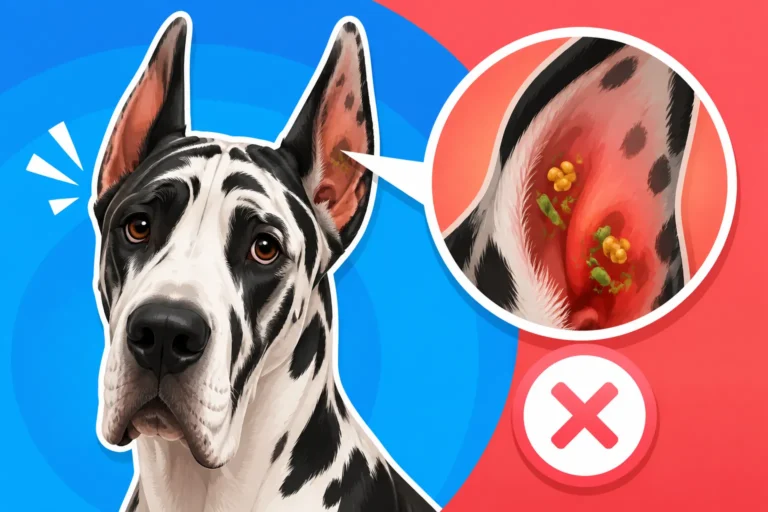
Food Allergies or Sensitivities: If your Dane is itchy, has chronic ear infections, or suffers from persistent skin rashes despite being on flea prevention, a food allergy could be the cause. Your vet can guide you through an elimination diet, which involves feeding a novel protein and carbohydrate source (one your dog has never eaten before) for several weeks to see if symptoms resolve. This isn't something to attempt on your own, as it requires careful planning to ensure nutritional completeness.
Medical Conditions Requiring Prescription Diets: Conditions like kidney disease, advanced heart disease, liver disease, or certain types of bladder stones often require very specific dietary modifications that are best met with prescription therapeutic diets. These foods are scientifically formulated to support organ function and manage symptoms, and they should only be used under veterinary supervision. For example, Feeding a Great Dane on Heart Medication might involve a low-sodium prescription diet.
Home-Cooked or Raw Diets: If you're committed to feeding a home-cooked or raw diet, consulting a board-certified veterinary nutritionist is absolutely paramount. They can help you formulate a complete and balanced recipe tailored to your Great Dane’s specific needs, ensuring they receive all the necessary vitamins and minerals without dangerous excesses or deficiencies. Simply "winging it" with raw or home-cooked can lead to severe nutritional imbalances, especially in a growing giant breed. These specialists have advanced degrees and extensive training in animal nutrition, making them the most qualified to advise on complex dietary plans.
| Factor | Effect on Food Needs | Why it Matters for Great Danes |
|---|---|---|
| Age (Puppy) | Higher calories, specific mineral balance | Rapid growth requires fuel, but controlled calcium prevents joint issues. Growth Disorders in a Great Dane Puppy are common if diet is wrong. |
| Age (Adult) | Moderate to high calories | Maintenance of large frame, energy for activity. This is the 6-10 cup zone. |
| Age (Senior) | Lower calories, joint support | Slower metabolism, reduced activity, focus on joint and organ health. Caring for a Great Dane Past Six often means dietary adjustments. |
| Activity Level | High activity = more food; Low activity = less food | An active Dane burns more calories; a sedentary one will gain weight easily. Wearing Out a Great Dane Without Wrecking Its Joints is important. |
| Metabolism | Fast = more food; Slow = less food | Individual differences mean some burn calories faster than others. |
| Health Status | Varies (e.g., illness, allergies) | Medical conditions or sensitivities can dramatically alter nutrient and calorie needs, requiring vet guidance. |
| Food Quality | Higher quality = potentially less volume | Nutrient-dense food provides more per cup, possibly reducing overall quantity needed. |
| Meal Frequency | Multiple meals are safer | Smaller, frequent meals reduce bloat risk and aid digestion. The Feeding Routine That Lowers Great Dane Bloat Risk is vital. |
| Eating Speed | Slowed eating is safer | Fast eating increases air intake, a major bloat risk. Slow feeder bowls help. |
| Pre/Post Meal Activity | Rest is critical | Strenuous activity around meals significantly increases bloat risk. Whether Exercise After Meals Bloats a Great Dane is a serious concern. |
Disclaimer
This article is for general informational purposes only and does not constitute professional advice. Laws, prices and regulations vary by location and change over time. Consult a qualified professional for guidance on your specific situation.