Keeping a Great Dane’s Very Large Mouth Clean
It's no secret that living with a Great Dane brings a lot of unique joys, and let's be honest, some equally unique challenges. One area that often leaves new and even experienced Dane parents scratching their heads (or battling a strong, drooly head) is how to keep that massive mouth clean. This isn't just about fresh breath; it's about safeguarding their overall health, and this guide will walk you through practical, empathetic strategies to maintain your giant's oral hygiene, from daily brushing to professional care.
Why Great Dane Dental Care is Such a Gigantic Challenge
Taking care of a Great Dane's mouth isn't like dealing with a terrier. Everything about them is on a grander scale, and that includes their dental needs and the logistical hurdles involved. It’s easy to feel overwhelmed, but understanding why it's so tough is the first step to tackling it head-on.
The Sheer Size of Their Mouth and Teeth
Just imagine brushing your own teeth, then imagine brushing the teeth of a creature roughly your size when standing on its hind legs. A Great Dane's mouth isn't just wide; it's deep. Their molars are massive, designed for crushing, and often hidden far back. Reaching those back teeth with a standard toothbrush feels like trying to paint a mural with a tiny art brush. The sheer volume of their oral cavity means there’s more surface area for plaque and tartar to accumulate, and more nooks and crannies for food particles to hide. When you factor in the strength of their jaws, even a cooperative Dane can make a brushing session feel like a wrestling match.
It’s not just the teeth themselves, but the entire structure. Those long muzzles mean more gum line to keep healthy. We often focus on the pearly whites we can see, but the health of the gums is absolutely paramount. Gingivitis, the inflammation of the gums, can quickly escalate to periodontal disease, leading to pain, tooth loss, and even systemic health issues. Given how quickly things can progress in such a large mouth, preventative care isn't just a suggestion; it's a critical daily responsibility.
The Unique Anatomy of a Great Dane's Jowls and Lips
Great Danes are known for their magnificent, often droopy, jowls. While adorable, these features present a unique set of challenges for oral hygiene. Those loose lips and deep flews can trap moisture, food particles, and debris, creating a warm, damp environment that's perfect for bacteria to thrive. This isn't just about bad breath; it can lead to skin fold dermatitis, especially if food and saliva are constantly trapped.
Think about it: after a drink, water often sloshes out of their jowls, and after a meal, bits of kibble or whatever tasty morsel they devoured might cling to the inside of those folds. Regularly wiping down their jowls, especially after meals and drinks, becomes almost as important as brushing their teeth. It's an extra step that smaller, tighter-lipped breeds don't require, but it’s crucial for preventing unpleasant odors, skin irritation, and the potential for bacterial growth that can migrate into the mouth itself. This is why having a "slobber rag" handy is practically a Great Dane owner's superpower, and you'll find yourself reaching for it constantly throughout the day to keep them clean.
Their Stoic Nature Masking Dental Pain
Great Danes are, by and large, incredibly stoic creatures. They're often described as "gentle giants," and part of that gentleness can sometimes manifest as a tendency to hide discomfort. Unlike a smaller dog who might yelp or refuse food the moment their tooth aches, a Great Dane might silently endure significant dental pain before showing obvious signs. This isn't because they don't feel it; it's just how many large breeds are wired. They might adapt to eating softer foods, chew on one side of their mouth, or simply become a little more withdrawn, and we, as their devoted caretakers, might miss these subtle cues.
By the time you notice something is truly wrong – perhaps severe bad breath, visible gum inflammation, or a reluctance to chew their favorite toy – the dental issue is often well advanced. This makes proactive, consistent dental care even more vital. Regular visual checks, even if you can't brush every day, help you catch problems early. Never assume "no complaints" means "no pain" when it comes to your Great Dane's mouth. Their silent suffering is a testament to their gentle nature, but it also places the onus on us to be vigilant and not let things get to a critical stage. Being familiar with The Early Heart Signs in a Great Dane or The First Wobbler Signs in a Great Dane teaches us to be observant, and the same applies to their oral health.
The Daily Grind: Brushing Your Great Dane's Teeth
If you take one thing away from this guide, it's this: regular brushing is the gold standard for Great Dane dental care. Yes, it can feel daunting with such a big dog, but consistency is far more important than perfection. Even a few minutes a day can make a world of difference.
Choosing the Right Tools for a Giant Mouth
You wouldn't use a thimble to bail out a leaky boat, and you shouldn't use a tiny cat toothbrush on a Great Dane. Their mouths demand tools designed for their scale.
- Toothbrushes: Look for brushes with longer handles and larger heads. Many pet supply stores, like Chewy or even Amazon, offer "large breed" or "giant breed" toothbrushes. Some people find success with a human toothbrush (medium bristle), especially those with an angled head designed to reach back molars. Finger brushes can be a good starting point for puppies or Danes who are particularly sensitive, allowing you to get them used to the sensation, but they don't offer the same scrubbing power as a bristle brush. Don't be afraid to experiment with a few different styles to see what works best for both you and your dog.
- Toothpaste: This is critical: never use human toothpaste on your Great Dane. Human toothpaste contains fluoride and other ingredients that are toxic if swallowed, and your dog will swallow it. Always choose an enzymatic dog-specific toothpaste, which comes in flavors appealing to dogs like poultry, beef, or even peanut butter. These toothpastes are formulated to be safe to swallow and often contain enzymes that help break down plaque even with minimal scrubbing. Brands like Virbac C.E.T. or Petrodex are popular choices and readily available. You can easily find these on sites like Chewy.
- Gauze or Dental Wipes: For those days when a full brushing isn't feasible, or as an introduction to oral care for a puppy, veterinary dental wipes or a piece of gauze wrapped around your finger can still remove some surface plaque. It's not as effective as a brush but it's better than nothing and helps desensitize their mouth. This is a great way to start getting your Great Dane used to mouth handling, which is crucial for overall health and vet visits. Getting them used to this early helps when they need Sedating a Great Dane for a Dental procedure later in life.
A Step-by-Step Guide to Brushing Success
Approaching this with a plan and patience will yield much better results than trying to strong-arm your Dane.
- Start Slow and Build Trust: Don't expect to conquer all 42 teeth on day one. Begin by simply letting your Great Dane lick some dog toothpaste off your finger. Make it a positive experience, perhaps before their favorite meal or a play session. Once they're comfortable with that, introduce the finger brush or gauze, gently rubbing it along their outer gum line for just a few seconds. Offer lavish praise and a small, high-value treat.
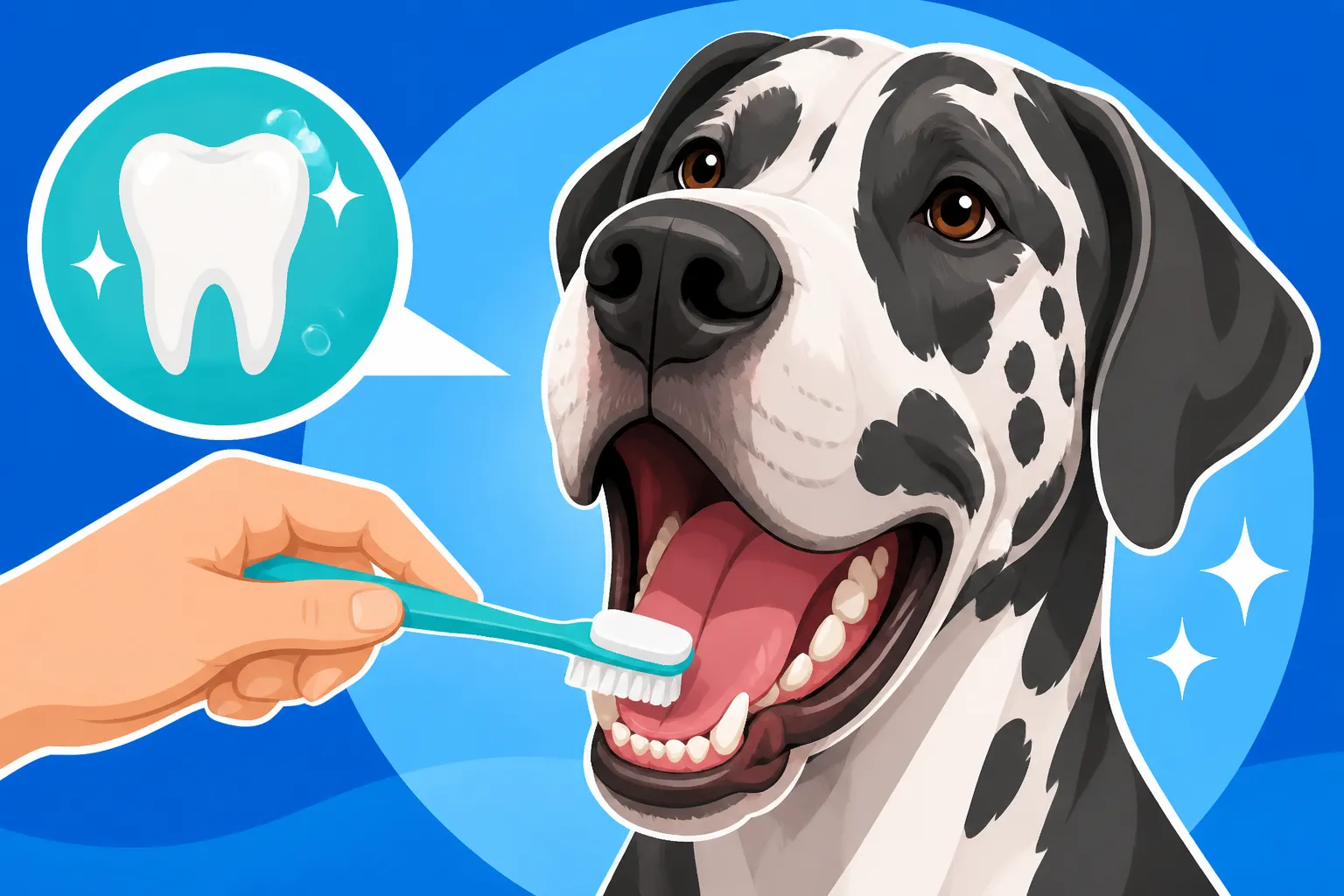
- Gradual Introduction of the Brush: Once they accept the finger brush, transition to a proper dog toothbrush. Again, let them lick the toothpaste off, then gently lift their jowls and brush just a few teeth on one side. Focus on the outer surfaces of the teeth first, as this is where plaque tends to accumulate most. Don't worry about the inside surfaces too much; their tongue often does a decent job there, and it's much harder to reach without stressing them out.
- Focus on the Gumline: The most important area to brush is where the tooth meets the gum line. Use gentle, circular motions, similar to how you'd brush your own teeth. Aim for at least 30 seconds per side, gradually building up to longer sessions as your Dane becomes more accustomed to it. Remember, even cleaning Plaque on a Great Dane's Back Molars is vital, so try to reach those tough spots.
- Positive Reinforcement is Key: Keep brushing sessions short, calm, and positive. End each session with praise, petting, and a special treat or a brief game. You want your Great Dane to associate teeth brushing with good things, not a struggle. If they resist, don't force it. Back off, try again later, or shorten the session. A calm approach is essential, as Danes can be sensitive.
- Consistency Over Perfection: Aim for daily brushing. If daily isn't realistic for your schedule, try for every other day. Even three times a week is significantly better than never. The key is consistency to prevent plaque from hardening into tartar, which can only be removed by a professional cleaning. The Manners a Great Dane Needs Before It Grows definitely include getting used to handling, and dental care is a prime example.
Making Brushing a Positive Experience (or at Least Tolerable)
Let's be real, few dogs love having their teeth brushed. But we can certainly make it a tolerable, even routine, part of their day.
- Establish a Routine: Dogs thrive on routine. Pick a consistent time of day for brushing – maybe after their morning walk or before bed. This helps them anticipate it and makes it less of a surprise.
- Comfort is Key: Have your Dane in a comfortable, relaxed position. Some prefer to be on the floor, while others might tolerate it better while lying on their favorite bed. Make sure you are comfortable too, as wrestling with a giant dog while trying to maintain your balance is a recipe for frustration.
- Treats, Treats, Treats: Use high-value treats to reward cooperation. Think small pieces of cooked chicken, cheese, or their absolute favorite dental chew. The idea is to create a positive association. You're building a history of "good things happen when my mouth is touched."
- Patience, Patience, Patience: This isn't a race. Some Danes take weeks, even months, to truly get comfortable with brushing. If you hit a wall, take a step back. Revert to just toothpaste on a finger for a few days, then slowly reintroduce the brush. Your patience will pay off in the long run with a healthier, happier dog and fewer veterinary dental bills down the line. Remember, even brushing for Feeding and Grooming an Old Great Dane will be easier if they've had a lifetime of positive reinforcement.
| Step | Action | Tip for Great Danes |
|---|---|---|
| 1. Introduce Toothpaste | Let them lick dog-specific toothpaste from your finger. | Use an appealing flavor like peanut butter or poultry. Keep it positive! |
| 2. Gentle Touch | Wrap gauze around your finger and rub along outer gums. | Focus on short sessions. Offer high praise and a special treat afterwards. |
| 3. Introduce Toothbrush | Let them lick toothpaste off the brush, then gently brush a few teeth. | Use a large-breed toothbrush. Lift jowls carefully, don't force their mouth open wide. |
| 4. Focus on Gumline | Brush with gentle, circular motions where tooth meets gum. | Tackle one section of the mouth at a time. The outer surfaces are most important. |
| 5. Reward & Reinforce | End with praise, petting, and a high-value treat. | Make it a consistent, predictable part of their day to build anticipation and cooperation. |
Beyond the Brush: Supplementary Oral Hygiene Strategies
While brushing is king, there are other tools in your arsenal to support your Great Dane's oral health, especially for those hard-to-reach areas or on days when brushing just isn't happening. These methods aren't replacements for brushing or professional cleanings, but they can definitely help keep things tidier.
Dental Chews and Toys Sized for a Dane
Not all dental chews are created equal, especially when you're talking about a Great Dane. A chew designed for a toy breed will be swallowed whole in about two seconds, posing a choking hazard and offering zero dental benefit. You need products that are appropriately sized and durable enough to withstand the powerful jaws of a giant breed.
Look for dental chews that carry the Veterinary Oral Health Council (VOHC) seal of acceptance. This means they've been proven to reduce plaque and/or tartar. Brands like Greenies (giant size), Purina DentaLife, or certain Nylabones (specifically the dental varieties, not just plain chews) offer options that are usually well-received. Remember, these aren't just treats; they're working tools. Supervise your Great Dane with any dental chew to ensure they're chewing safely and not attempting to swallow large pieces. A great resource for finding appropriate options is Chewy or by browsing Dental Chews Big Enough for a Great Dane on our site. Remember that moderation is key, as even good chews add calories to their diet, and we want to be mindful of Keeping a Great Dane Lean for Its Joints.
Beyond edible chews, sturdy chew toys can also provide some mechanical abrasion. Look for rubber or nylon toys designed for aggressive chewers. The act of gnawing on these textured toys helps scrape away some surface plaque. Again, size and durability are paramount to prevent choking or accidental ingestion of broken pieces. Always check toys regularly for wear and tear and replace them when they become too small or damaged.
Water Additives and Oral Rinses
For a less invasive approach, or to augment your brushing routine, water additives and oral rinses can be beneficial. These products work by releasing ingredients into the dog's mouth as they drink or when directly applied, helping to reduce bacteria and loosen plaque.
- Water Additives: These are typically liquid concentrates that you add to your Great Dane's drinking water daily. They contain ingredients like zinc gluconate, chlorhexidine, or cetylpyridinium chloride, which have antiseptic or anti-plaque properties. The idea is that every sip of water helps freshen breath and reduces bacterial load in the mouth. It's a "set it and forget it" solution to some extent, but effectiveness can vary. Always follow the product's directions carefully regarding dilution, and make sure it's explicitly safe for daily ingestion by dogs. If your Dane drinks a lot of water (which they should!), this can be a simple way to add some continuous dental support.
- Oral Rinses/Sprays: These are applied directly into your dog's mouth, either by spraying onto the teeth and gums or by swabbing. They often contain similar active ingredients to water additives and can be particularly useful for targeting specific areas of concern or for Danes who tolerate a quick spray better than a brush. Some pet owners find these helpful for immediately combating bad breath before a guest arrives! Just like with toothpaste, ensure any oral rinse or spray is specifically formulated for dogs and that all ingredients are safe. Products like VetOne Duoxo Chlorhexidine PS Wipes or Dental Fresh water additive are good examples. You can often find these at your local pet store, veterinary clinic, or online via retailers like Amazon.
It's important to reiterate that while these products can support oral hygiene, they cannot physically remove existing tartar or deep-seated plaque. They are best used as part of a comprehensive dental care plan that includes brushing and regular veterinary check-ups.
Diet's Role in Great Dane Dental Health
What your Great Dane eats can also play a role in their oral health, though it's often misunderstood.
- Kibble vs. Soft Food: There's a common misconception that all kibble helps clean teeth. While crunchy kibble can offer some mild abrasive action compared to soft, wet food, most standard kibble is simply too small and swallowed too quickly to provide significant dental benefits. The idea that it "scrapes" the teeth effectively is often overstated. That said, some dental-specific kibbles are formulated with larger, uniquely shaped pieces and special fibers that are designed to maximize contact with the tooth surface and create a scrubbing effect as the dog chews. These often also contain ingredients that help prevent plaque formation. If you're considering a dental diet, talk to your vet about options like Hill's Prescription Diet t/d or Royal Canin Dental.
- Raw Diets: Some proponents of raw feeding believe that feeding raw meaty bones (RMBs) can naturally clean a dog's teeth. While gnawing on appropriate raw bones can certainly help scrape away plaque and tartar, it comes with significant risks, including fractured teeth, internal obstructions, and bacterial contamination. If you're considering a raw diet with bones, it's crucial to consult with a veterinary nutritionist to ensure it's done safely and appropriately for a giant breed like a Great Dane. Improper bone choices can lead to serious harm, particularly to their large, strong jaws and digestive system.
- Avoiding Sugary Treats and Human Food: This might seem obvious, but sugary treats and many human foods can contribute to dental decay in dogs just as they do in people. Stick to dog-specific treats, and be mindful of their ingredients. Even natural sugars can promote bacterial growth. When giving treats, opt for those designed for dogs, and ensure they are Treats Sized for a Great Dane to prevent choking. Companies like Ollie offer fresh food options, and while not specifically dental diets, they tend to be lower in processed sugars and artificial ingredients compared to some traditional kibbles.
Ultimately, while diet can be supportive, it's generally not a standalone solution for robust dental hygiene. It complements, rather than replaces, brushing and professional care.
Professional Dental Care: When Your Vet Steps In
Despite your best efforts at home, professional dental care will almost certainly be necessary for your Great Dane at some point. Think of it like your own dental check-ups and cleanings – you brush and floss, but you still see the dentist regularly for a deeper clean. For giant breeds, this professional intervention is even more critical.
The Importance of Annual Vet Check-ups for Dental Health
Your Great Dane's annual veterinary check-up isn't just about vaccinations and general health; it's a vital opportunity for a thorough oral examination. During this exam, your veterinarian will visually inspect their teeth, gums, tongue, and the overall oral cavity for any signs of disease, such as gingivitis, tartar buildup, fractured teeth, oral masses, or other abnormalities. They'll be looking for red flags you might have missed at home.
Because Great Danes are so stoic, and because much of their mouth can be hard to see without proper restraint and lighting, this yearly examination is incredibly important. Even if you're a diligent brusher, your vet might spot subtle issues like a hidden pocket of infection or a hairline fracture on a back molar. This early detection can prevent minor problems from escalating into painful, costly, and potentially systemic health issues. This routine visit is part of The Yearly Checkup a Great Dane Needs, and it's where the foundation for their long-term health is truly laid. Don't skip it, and don't hesitate to ask your vet specific questions about their dental health during the appointment.
Understanding Professional Dental Cleanings Anesthesia is Key
If your vet identifies significant plaque and tartar buildup, gingivitis, or other dental issues, they will likely recommend a professional dental cleaning, which involves general anesthesia. This is often a point of concern for many Great Dane owners, and rightly so, given their size and potential Anesthesia Risk in a Great Dane. However, it's crucial to understand why anesthesia is not just recommended, but essential, for a thorough and safe dental cleaning.
During an anesthetized dental cleaning (often called a COHAT – Comprehensive Oral Health Assessment and Treatment), your Great Dane is completely still, allowing the veterinary team to:
- Thoroughly Examine: Probe and assess each tooth and gum line for periodontal pockets, abscesses, and other issues that are impossible to detect on a conscious dog.
- Scale and Polish: Use ultrasonic scalers to remove plaque and tartar from above and below the gum line, where the most damaging bacteria reside. This is impossible to do effectively on an awake dog and is critical for truly cleaning the teeth. After scaling, the teeth are polished to smooth out any microscopic scratches, which helps prevent future plaque accumulation.
- Dental X-rays: Often, dental X-rays are taken to assess the health of the tooth roots and jawbone, revealing issues like abscesses, bone loss, or unerupted teeth that are invisible to the naked eye. This is an incredibly important diagnostic tool, especially for a large dog where issues can be quite extensive.
- Address Specific Issues: If broken teeth, advanced periodontal disease, or other painful conditions are found, extractions or other treatments can be performed safely and painlessly while your dog is asleep.
The thought of Sedating a Great Dane for a Dental can be intimidating, but modern veterinary anesthesia protocols are very safe. Your vet will conduct thorough pre-anesthetic bloodwork to assess organ function and ensure your Dane is a good candidate for anesthesia. They'll use monitoring equipment to track heart rate, blood pressure, oxygen levels, and temperature throughout the procedure. The benefits of a healthy, pain-free mouth far outweigh the minimal risks of anesthesia when performed by a qualified veterinary team.
Addressing Specific Dental Issues: Extractions and Beyond
Sometimes, despite our best efforts, a Great Dane might develop severe dental disease that requires more than just a cleaning. This could involve tooth extractions, root canal therapy, or even more complex oral surgery.
- Tooth Extractions: If a tooth is severely diseased, fractured, or has extensive bone loss around it, extraction may be the only way to alleviate pain and prevent further infection. While losing a tooth might sound bad, for a dog, a pain-free mouth is infinitely better than enduring constant discomfort from a diseased tooth. Great Danes generally adapt very well to extractions, even if multiple teeth are removed. They don't have the same emotional attachment to their teeth as humans do.
- Other Oral Surgeries: Less common but sometimes necessary are procedures like jaw fracture repair, removal of oral tumors (benign or malignant), or correction of other structural issues. These surgeries require specialized veterinary dental expertise and can be complex, often involving advanced imaging and surgical techniques.
The costs associated with advanced dental care, especially for a Great Dane, can be significant. Given their size, every medication dose, every anesthesia minute, and every suture is scaled up. This is part of Why Every Great Dane Bill Is Bigger, and dental work is no exception. Having a pet insurance plan that covers dental disease (many require routine dental care to be performed to qualify) or setting aside a dedicated emergency fund can help cushion the financial blow if your Dane needs extensive treatment. Regular home care and annual professional exams are the best ways to minimize the chances of needing these more involved and expensive interventions.
Spotting the Signs: What to Look For in Your Great Dane's Mouth
Because Great Danes are so good at hiding discomfort, being a vigilant observer is your secret weapon. Regular, quick checks of their mouth can help you catch problems early, potentially saving them pain and you significant veterinary bills.
Recognizing Red Flags: Bad Breath and Gum Changes
Your Great Dane's breath isn't ever going to smell like a bouquet of roses, but there's a definite difference between "dog breath" and truly foul breath.
- Persistent Bad Breath (Halitosis): This is often the very first sign of dental disease and it's caused by the bacteria accumulating in plaque and tartar. If your Dane's breath makes you recoil, or if it suddenly gets much worse, it's a huge red flag that something is amiss. It indicates an increase in harmful bacteria and decaying food particles in the mouth. Don't ignore it, thinking it's just "normal" for a big dog; it's a clear signal to investigate further.
- Red, Swollen, or Bleeding Gums (Gingivitis): Healthy gums should be a pale pink, firm, and lie flat against the teeth. If you notice any redness, swelling, or puffiness, especially along the gum line, that's gingivitis. This is the earliest stage of periodontal disease and is usually reversible with good oral hygiene. Bleeding gums, even a tiny bit when they chew on a toy or you try to brush, are also a sign of inflammation and concern.
- Discolored Teeth (Plaque and Tartar): Plaque is a soft, sticky film that forms on teeth daily. If not removed, it hardens into tartar (calculus), which is a rough, yellowish-brown deposit. Tartar is typically visible, especially on the outer surfaces of the upper molars and canines. While you can't remove tartar at home, seeing it tells you that plaque has been allowed to accumulate, and it's a breeding ground for bacteria that contribute to gum disease and Plaque on a Great Dane's Back Molars.
- Loose or Missing Teeth: This is a sign of advanced periodontal disease where the structures supporting the tooth have been compromised. If you notice a tooth wiggling or if one is suddenly absent, it's definitely time for a vet visit.
It's helpful to get your Great Dane accustomed to having their mouth looked at from an early age. Gentle lifting of the jowls and a quick peek can become a routine part of your daily interaction, allowing you to easily spot changes before they become serious.
Physical Signs of Dental Discomfort
Beyond what you see and smell in their mouth, your Great Dane might exhibit behavioral changes that signal dental pain.
- Changes in Eating Habits: This is one of the most common indicators. A Great Dane in pain might:
- Show a sudden preference for softer foods, even refusing kibble they once loved.
- Chew on only one side of their mouth.
- Drop food while eating.
- Eat more slowly or take smaller bites.
- Be reluctant to eat at all, though this is usually a sign of severe pain.
- Pawing at the Mouth or Rubbing Face: If your Dane is repeatedly pawing at their mouth, rubbing their face on the carpet or furniture, or frequently licking their lips, they might be trying to alleviate discomfort from a sore tooth or gum.
- Excessive Drooling: While Great Danes are known for drool, a sudden increase in saliva production, especially if it's thick, bloody, or coming from one side of the mouth, can indicate a painful oral lesion or infection.
- Facial Swelling: Any swelling around the jaw, under the eye, or on the side of the face can be a sign of a dental abscess, a painful infection that requires immediate veterinary attention. This often happens when infection from a tooth root breaks through the bone.
- Reluctance to Chew Toys: If your Great Dane suddenly loses interest in their favorite chew toy, or seems hesitant to engage with it, it could be due to mouth pain.
- Changes in Demeanor: A generally happy, playful Dane might become more withdrawn, grumpy, or less tolerant of being handled if they're in pain. Sometimes, subtle behavioral shifts are the only early warning signs you'll get. Being attuned to their usual temperament is key here; it's similar to how you'd observe them for A Great Dane That Limps Without an Injury, watching for any deviation from their normal behavior.
The Link Between Oral Health and Overall Well-being
It’s easy to think of dental disease as just a "mouth problem," but the reality is that poor oral health in your Great Dane can have far-reaching consequences for their entire body. The mouth is a gateway to the rest of the system.
- Systemic Infections: The bacteria present in severe periodontal disease don't just stay in the mouth. They can enter the bloodstream through inflamed or bleeding gums and travel to vital organs, potentially causing infections or exacerbating existing conditions in the heart, kidneys, and liver. For a breed already prone to The Heart Muscle Disease Great Danes Are Prone To, preventing any additional systemic stress is crucial.
- Pain and Quality of Life: Chronic dental pain can significantly diminish your Great Dane's quality of life. Imagine living with a constant toothache. It can make eating uncomfortable, affect their mood, and reduce their desire to play or interact. Addressing dental pain directly impacts their happiness and overall well-being.
- Nutritional Deficiencies: If chewing becomes too painful, a Great Dane might not eat enough, leading to weight loss and nutritional deficiencies. While they are big dogs, maintaining a healthy weight is crucial, and sudden changes can indicate underlying issues.
- Increased Anesthesia Risk in Older Danes: If an older Great Dane needs a professional dental cleaning, and their mouth is in very poor condition due to years of neglect, the procedure might be more complex and prolonged. While modern anesthesia is safe, having to extract multiple teeth or perform extensive work increases the overall time under anesthetic, which can be a greater concern for Anesthesia Risk in a Great Dane when they are already senior. Proactive care throughout their life can reduce the need for such extensive procedures later on.
Prioritizing your Great Dane's dental health isn't just about good grooming; it's a fundamental part of responsible pet ownership that contributes significantly to their longevity and happiness.
Overcoming Common Hurdles in Great Dane Dental Care
Let's be honest, taking care of a Great Dane is a marathon, not a sprint. And when it comes to dental care, there are certainly specific obstacles that can feel overwhelming. But every hurdle has a way to get over it, or at least around it!
Dealing With a Resistant or Anxious Dane
It’s one thing to talk about brushing teeth, and another to actually do it when your 150-pound "gentle giant" decides they are absolutely, unequivocally not in the mood. A resistant or anxious Great Dane can make dental care feel impossible.
- Start Early, Start Small: The absolute best advice is to start handling their mouth and introducing dental tools when they are a puppy. Why the First Four Months Decide a Great Dane is so true for dental care. The younger they are, the more amenable they are to new experiences.
- Patience is a Virtue (and a Necessity): If you have an adult Great Dane who is new to dental care or becomes anxious, slow down. Seriously. Don't rush. Break down the process into tiny, manageable steps. Day one might just be touching their muzzle and rewarding. Day two, maybe lift a lip. Day three, let them lick toothpaste. This gradual desensitization, coupled with positive reinforcement, is key. If you try to force it, you'll create a negative association that's much harder to overcome.
- Identify Triggers and Adjust: Does your Dane hate the sound of the toothbrush? Try a finger brush. Do they dislike being held firmly? Try brushing while they're lying down and relaxed, or when they're distracted by something else. Do certain flavors of toothpaste cause issues? Experiment with others. Pay attention to their body language – yawning, lip-licking, turning their head away, or a stiff posture are all signs of discomfort.
- Enlist Professional Help: If you're truly struggling, don't hesitate to seek help from a professional dog trainer or a veterinary behaviorist. They can offer personalized strategies, positive reinforcement techniques, and sometimes even recommend calming aids or sedatives for severe anxiety, particularly for professional cleanings. Remember, a professional cleaning might require Sedation Costs on a Great Dane, which can be an additional expense, but it’s often necessary for their well-being.
- Alternative Methods: If daily brushing truly isn't happening, lean heavily on the supplementary methods discussed earlier: VOHC-approved dental chews, water additives, and oral rinses. While not as effective as brushing, they are far better than doing nothing at all. Consistency with these alternatives is crucial.
The Financial Investment of Great Dane Dental Health
Let's not sugarcoat it: owning a Great Dane is expensive. And their dental care is no exception. From specialized toothbrushes to professional cleanings under anesthesia, the costs can add up quickly. This is where the reality of The Short Expensive Life of a Great Dane really hits home for many owners.
- Routine Care Costs: High-quality dog toothpaste, large-breed toothbrushes, and VOHC-approved dental chews are ongoing expenses. While each item isn't astronomical, they are recurring. Shopping strategically at places like Chewy or Amazon for bulk deals can help.
- Professional Cleaning Costs: This is where the biggest chunk of change typically goes. A professional dental cleaning with anesthesia, X-rays, and possibly extractions can run into significant figures. The larger the dog, the more medication is needed, the more time under anesthesia, and often, the more complicated the logistics (like getting a giant dog into recovery). It’s not uncommon for these bills to be substantial, particularly if extensive work is needed. This is where preparing for What a Great Dane Costs Across Eight Years needs to include dental provisions.
- Prevention vs. Treatment: This is the golden rule. Investing in daily home care and annual vet check-ups is almost always less expensive than waiting until severe dental disease develops and requires multiple extractions or complex oral surgery. Think of it as preventative maintenance for their mouth.
- Pet Insurance or Savings Fund: Pet insurance can be a lifesaver, especially for unexpected dental surgeries or advanced periodontal disease. Make sure you understand what your policy covers regarding routine dental cleanings vs. accident/illness-related dental work. If insurance isn't an option, start a dedicated "Dane Dental Fund" and contribute to it regularly. Even putting aside a small amount each month for Building a Fund Before a Great Dane Needs It can make a huge difference when that inevitable professional cleaning bill arrives.
Being realistic about the financial commitment of a Great Dane's dental care is an important step in ensuring you can provide them with the best possible health throughout their lives.
Keeping it Consistent: Building a Routine for Life
Consistency is the cornerstone of effective Great Dane dental care. It's not about one heroic effort; it's about embedding oral hygiene into their daily or weekly routine, just like feeding or walking.
- Integrate into Daily Habits: Think about where dental care can naturally fit into your day. Is it after their last potty break at night? Before their morning meal? Choose a time when you and your Dane are generally relaxed and have a few uninterrupted minutes.
- Set Reminders: In the beginning, set a daily alarm on your phone or use a calendar reminder. It's easy to forget, especially with so many other Great Dane responsibilities (and their short lifespan!). Making it a visual reminder can really help.
- Make it a Family Affair (Carefully): If you have other responsible adults in the household, share the duty. One person can brush on certain days, another on others. Just ensure everyone uses the same positive reinforcement techniques and is comfortable and safe handling your Dane's mouth.
- Don't Give Up After a Bad Day: There will be days when your Great Dane isn't cooperative, or when life simply gets in the way. Don't let one missed day or a difficult session derail your entire effort. Tomorrow is a new day. Revert to a simpler step, offer an extra tasty treat, and try again. The goal is long-term health, not short-term perfection. Even a little bit of care, consistently applied, will yield significant benefits. Building this kind of consistent routine from the moment you bring them home will make future care, like Caring for a Great Dane Past Six, much smoother and less stressful for everyone involved.
Disclaimer
This article is for general informational purposes only and does not constitute professional advice. Laws, prices and regulations vary by location and change over time. Consult a qualified professional for guidance on your specific situation.